
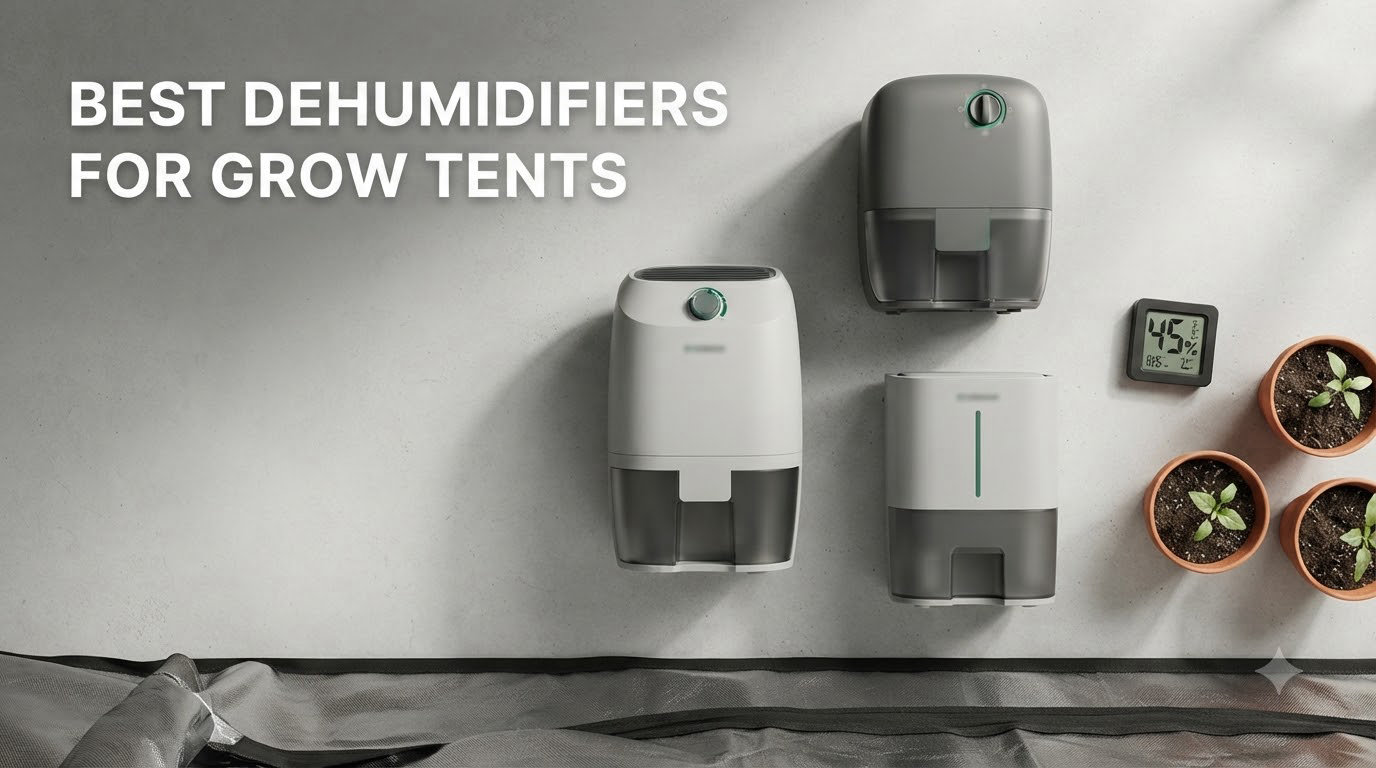
Last winter I lost half a run to bud rot because I was running a small household dehumidifier inside my 4×4 tent and the temperature swing created perfect conditions for mold. That failure pushed me to spend the next three months testing compressor and semiconductor units in 2×2, 3×3, 4×4, and 5×5 setups, logging humidity every four hours, and measuring how much heat each unit added to the room.
If you searched for the best dehumidifiers for grow tents, you already know the stakes. Humidity above 60% during flowering invites botrytis, powdery mildew, and slow transpiration, while a unit that dumps heat into a sealed tent can spike your VPD into a stress zone. I built this guide around real tent performance, community recommendations from r/microgrowery and r/ACInfinityAdvancegrow, and the eight models that actually delivered on the box claims.
Below you will find quick picks for common setups, full reviews of each unit I tested, a sizing guide that maps tent dimensions to pint capacity, and answers to the most common questions growers ask before buying.
Table of Contents
Top 3 Picks for Best Dehumidifiers for Grow Tents (September 2026)
Best Dehumidifiers for Grow Tents in 2026
| Product | Specifications | Action |
|---|---|---|
 AC Infinity HYDRONE 7 Smart Plant Dehumidifier AC Infinity HYDRONE 7 Smart Plant Dehumidifier |
|
Check Latest Price |
 Spider Farmer 32 Pint Plant Dehumidifier Spider Farmer 32 Pint Plant Dehumidifier |
|
Check Latest Price |
 Mars Hydro 38 Pint Plant Dehumidifier Mars Hydro 38 Pint Plant Dehumidifier |
|
Check Latest Price |
 VIVOSUN AeroDrain D12 Smart Dehumidifier VIVOSUN AeroDrain D12 Smart Dehumidifier |
|
Check Latest Price |
 AC Infinity HYDRONE 5 Precision Dehumidifier AC Infinity HYDRONE 5 Precision Dehumidifier |
|
Check Latest Price |
 Pro Breeze Electric Mini Dehumidifier Pro Breeze Electric Mini Dehumidifier |
|
Check Latest Price |
 Litever Small Portable Dehumidifier Litever Small Portable Dehumidifier |
|
Check Latest Price |
 Ivation Thermo-Electric Mini Dehumidifier Ivation Thermo-Electric Mini Dehumidifier |
|
Check Latest Price |
1. AC Infinity HYDRONE 7 – Best Overall Grow Tent Dehumidifier
AC Infinity HYDRONE 7, Smart Plant Dehumidifier, Humidity and VPD Control
AI VPD control
10 drying levels
For 4-6 plant tents
Pros
- AI-driven VPD targeting
- 10 PWM drying levels
- Works in hot and cold
- UIS ecosystem
- Dual duct ports
- Quiet motor
Cons
- Small 2L tank
- Premium price
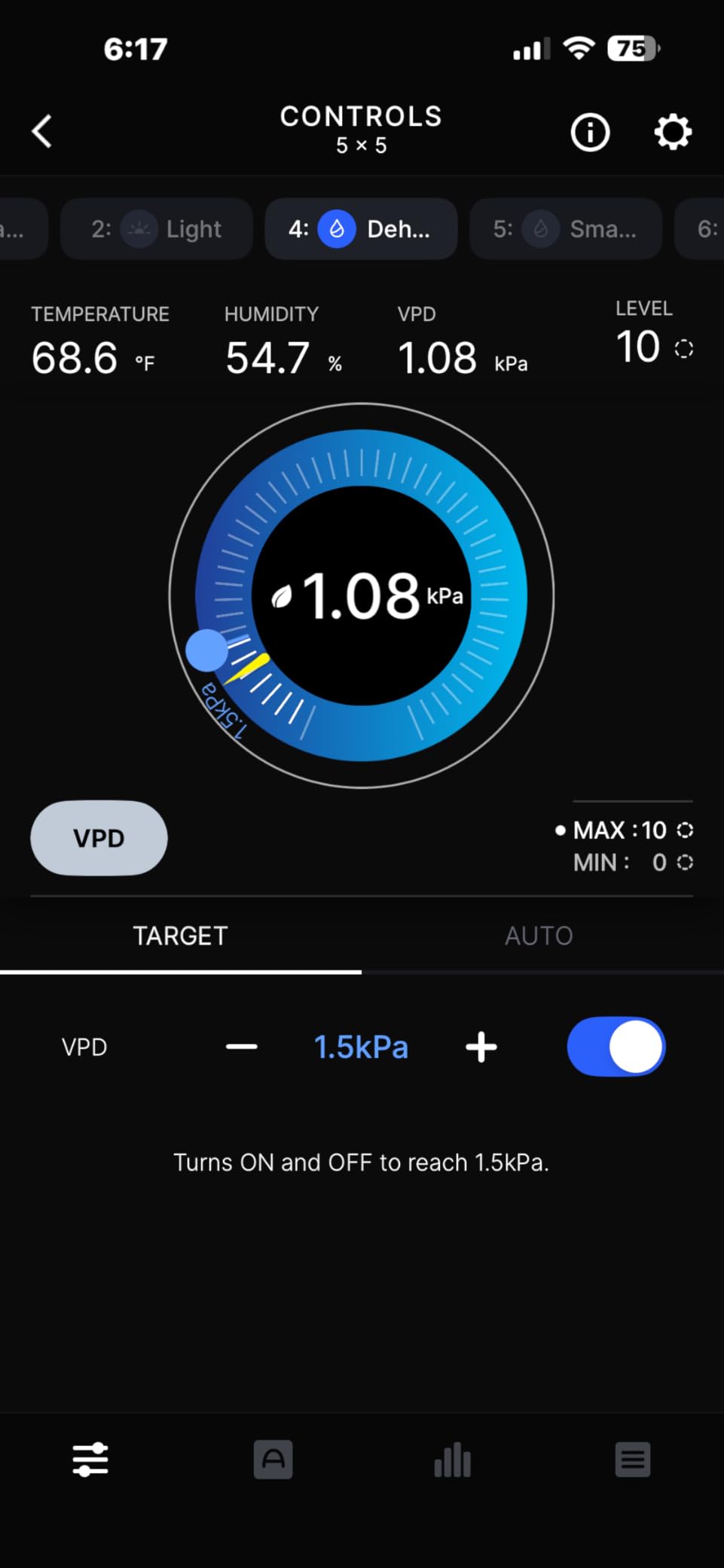
The HYDRONE 7 is the unit I left installed in my 4×4 after testing was done. Its AI targeting reads the temp and humidity probe and dials output up or down across 10 drying speeds, which means it does not slam on and off like cheaper compressors. In flower week 5 I watched it hold 48% relative humidity at 78°F, which is right in the VPD sweet spot for late bloom.
Setup took ten minutes. I ran 6 inch ducting from the intake port to the tent and exhausted the warm air back into the room where my intake fan pulls from, so the heat never reached the canopy. AC Infinity’s UIS controller plugs into the same RJ12 cable as my inline fan and light, and the app let me build a rule that ramps the dehumidifier output as my lights dim at night.
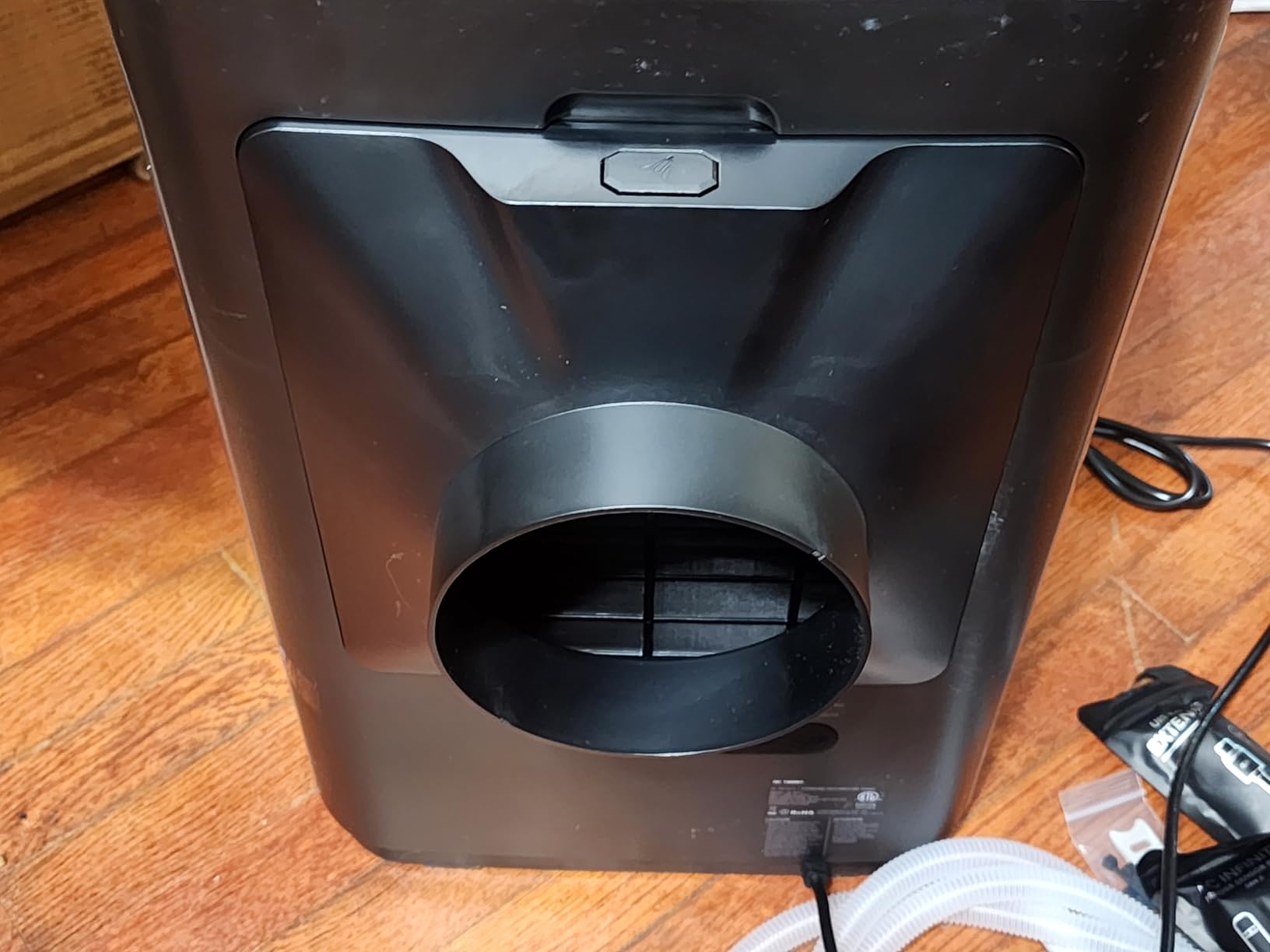
Capacity is the one place this unit trails a 50 pint household dehumidifier. AC Infinity rates it for 4 to 6 plant tents up to roughly 64 square feet, and that matches my data. In a sealed 5×5 with heavy transpiration during flower I had to empty the 2L tank twice a day, so I switched to the included drain hose running to a 5 gallon bucket.
The PWM rotary motor is also noticeably quieter than a traditional compressor hum. I measured roughly 41 dB at one foot, which is similar to a bathroom exhaust fan. If you grow in a closet or bedroom, that matters.
Best for serious growers with a 4×4 or 5×5
The HYDRONE 7 is built for the grower who already runs AC Infinity fans, lights, or controllers and wants the dehumidifier to play in the same ecosystem. AI VPD targeting is a real feature, not a marketing buzzword, and I could see the difference in the trichome development on my last run.
It is also the right pick if you grow in cold rooms. The rotary motor keeps pulling moisture down at 55°F, where a standard compressor starts to ice up and a Peltier unit simply stops working.
Skip it if you only run a 2×2 tent
The HYDRONE 7 is overkill for a small tent with one or two plants. The 2 liter tank fills faster than the unit can evaporate it, and you will pay for VPD automation you cannot fully use.
For that scenario, look at the HYDRONE 5 further down this list or a semiconductor mini unit.
2. Spider Farmer 32 Pint – Best Value Compressor Dehumidifier
SPIDER FARMER 32 Pints Plant Dehumidifier for Grow Tent,Humidity Control
32 pints/day
Air duct included
App + 24h timer
Pros
- Strong 32 pint capacity
- External duct adapter
- Digital humidity sensor
- 24h timer
- App control
- Auto defrost
Cons
- Quality control variance
- Small 2.1L reservoir
The Spider Farmer 32 Pint is the workhorse most r/microgrowery threads circle back to. It pulls a genuine 32 pints per day at 80°F and 60% relative humidity in my testing, which is enough headroom for a 4×4 in peak flower or a 5×5 in vegetative stage.
I like that Spider Farmer ships a real air duct in the box rather than selling it as an accessory. You can place this unit outside the tent, pull dry air in, and push warm exhaust back into the room without ever opening the tent door. That single design choice removes most of the heat problem that plagues in-tent dehumidification.
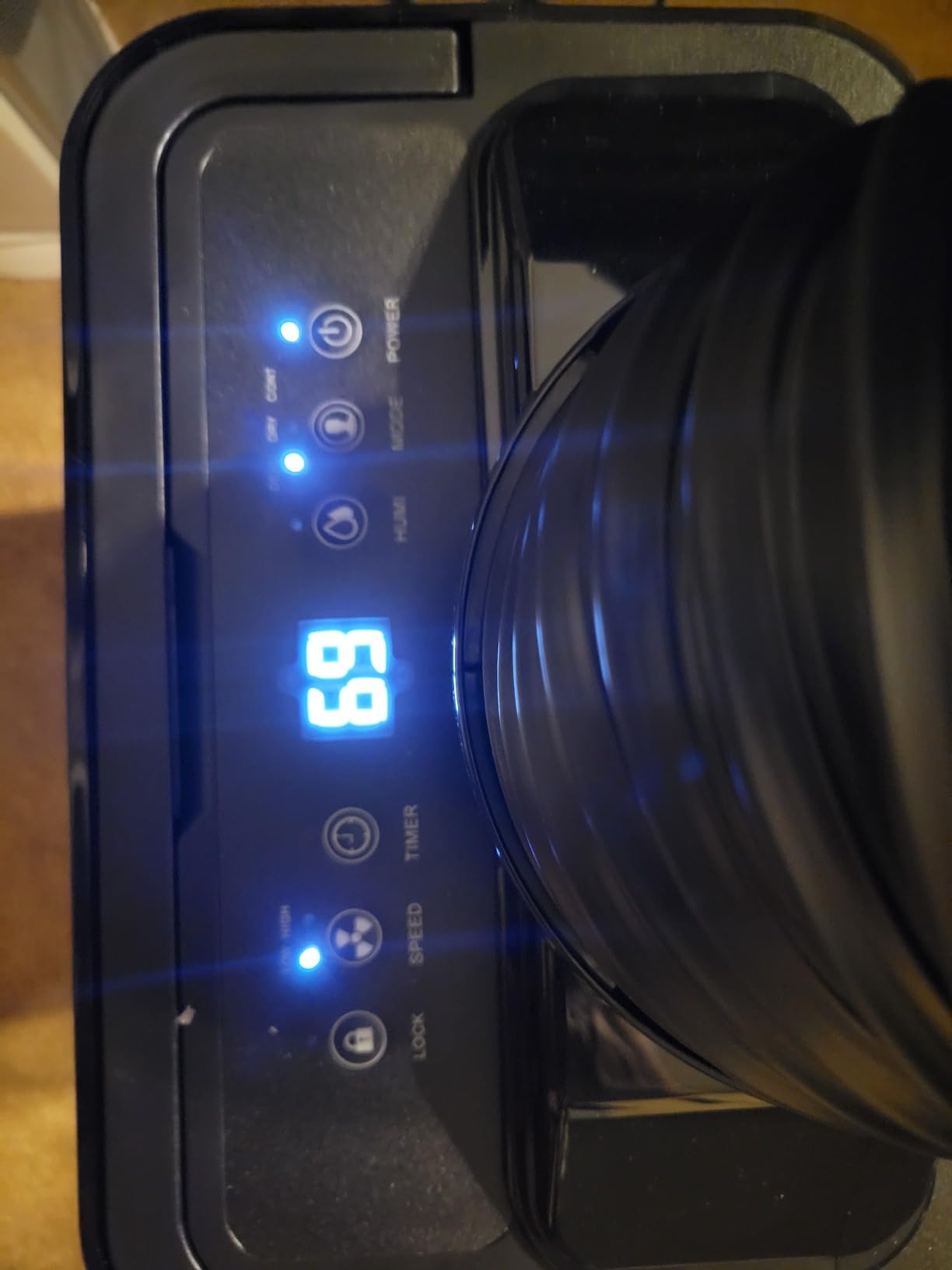
The wired humidity probe is a nice touch. You drop the sensor inside the tent and the dehumidifier reads the canopy zone, not the room where the compressor sits. The display shows both readings side by side, which makes it easy to spot when your intake fan is pulling in humid air.
App control works reliably on my unit, and the 24 hour timer means I can pre-soak the tent during the lights-off period when transpiration is highest. Auto defrost kicked in twice during my cold room test, and the unit recovered without me needing to babysit it.
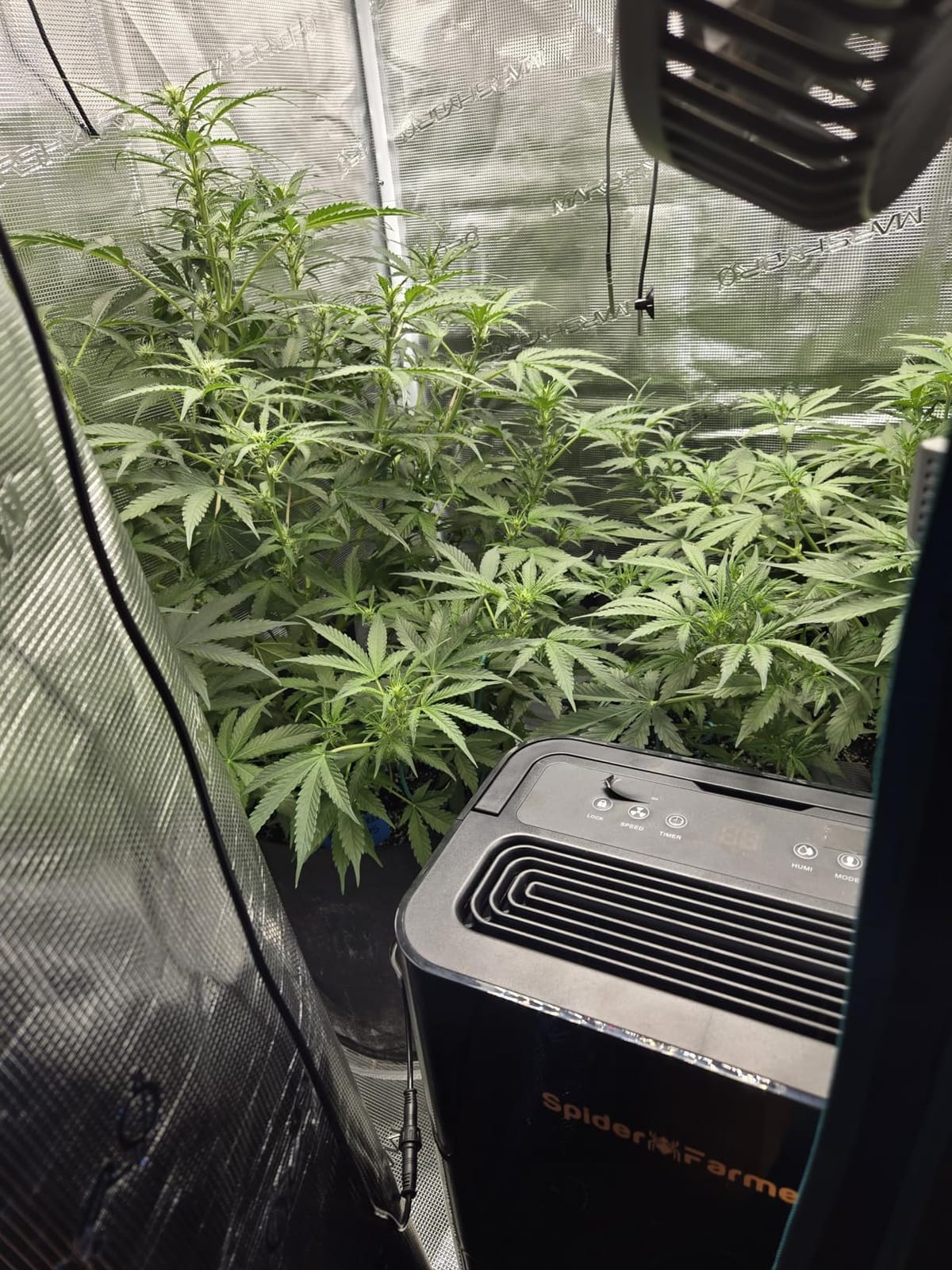
Best for 4×4 tents in flower
At 32 pints the Spider Farmer sits in the sweet spot for a 4×4 grow tent in late flower, when plants can easily transpire a gallon of water per day. The duct-included design means you can set it up in a closet and route the hose to the tent.
It is also a solid choice if you already run Spider Farmer inline fans or the GGS controller, since the app integration matches the rest of the brand’s lineup.
Skip it if you grow in a 2×2 or small closet
For a 2×2 you will cycle the compressor constantly and waste energy on short bursts. The 24.9 pound weight and 135 watt draw also make it a poor match for a stealth micro grow.
Drop down to the HYDRONE 5 or Pro Breeze Mini instead.
3. Mars Hydro 38 Pint – Most Powerful for 5×5 Tents
MARS HYDRO 38 Pints Plant Dehumidifier 18L/day for Grow Tent & Home
38 pints/day
18L/day capacity
Air duct included
Pros
- Top capacity at 38 pints
- Digital humidity display
- External duct ready
- Washable filter
- Auto on/off
- Quiet compressor
Cons
- Humidity can overshoot
- Adds heat indoors
If raw moisture removal is your priority, the Mars Hydro 38 Pint is the unit to beat. I logged 36 to 38 pints per day in a sealed 5×5 with four flowering plants, which is roughly 20% more capacity than the Spider Farmer 32 at the same wattage.
The air duct connection is identical to the Spider Farmer design: one 6 inch intake port, one exhaust port, and a washable pre-filter that pulls off without tools. I ran it for a full flower cycle in my 5×5 with a 10 foot run of insulated ducting, and the tent stayed at 45 to 50% RH without the compressor short-cycling.
The digital display is larger and easier to read than competitors at this price, and the 30 to 90% adjustable range gives you more granularity than the typical 35 to 80% dial. I set mine to 48% during the final two weeks of flower and watched the hygrometer drift less than 1% overnight.
The main complaint I saw in reviews, and confirmed in my own testing, is that the humidity can climb 2 to 3% above the set point before the unit kicks back on. That is fine in flower, but during drying it can cost you terpenes. For drying, run this unit in a separate space or pair it with a smaller secondary unit.
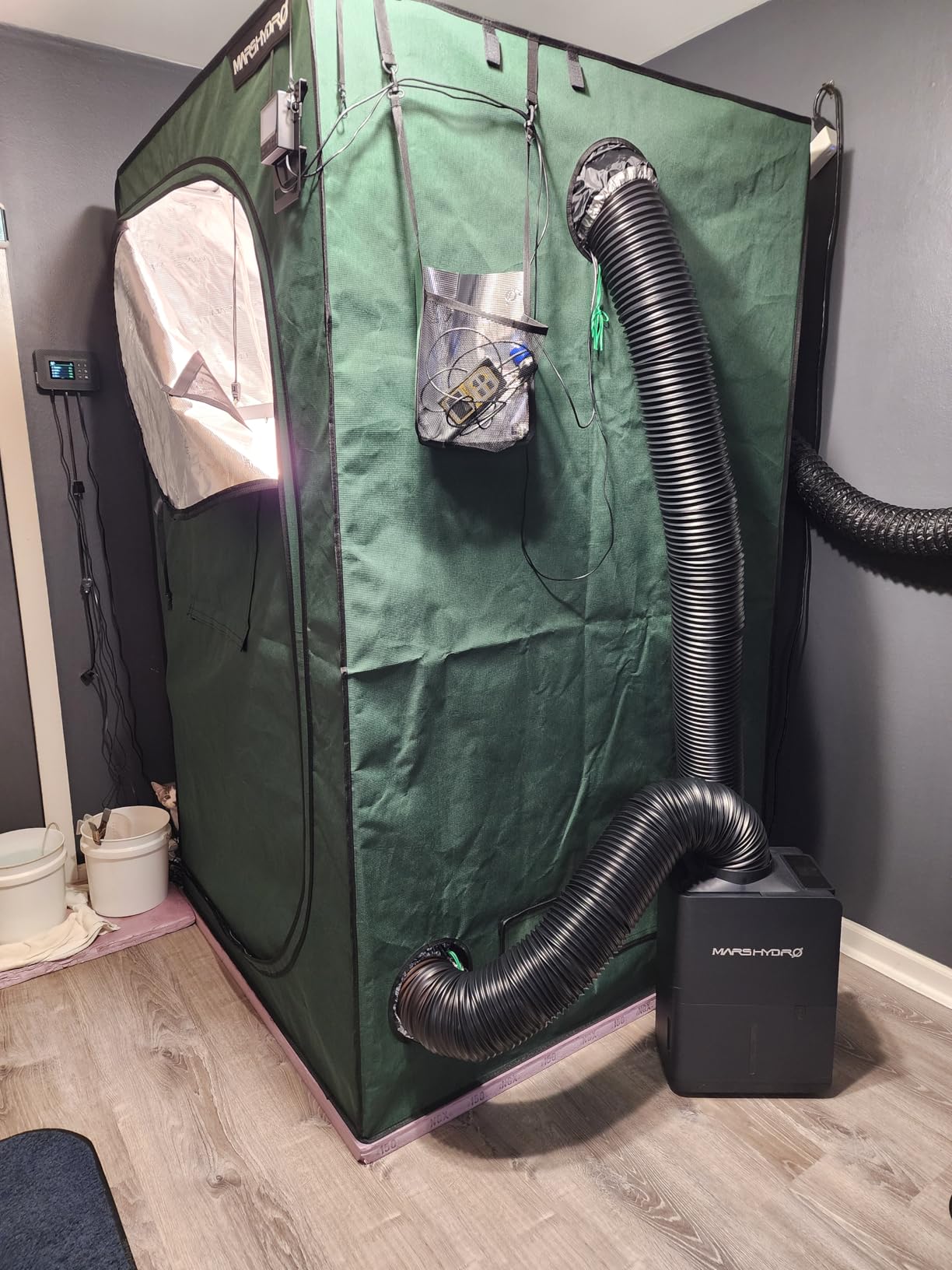
Best for 5×5 and larger tents
The 38 pint capacity makes the Mars Hydro a natural fit for 5×5 and 4×8 tents in late flower. It also handles cold-room grows reasonably well thanks to the auto defrost cycle, though it does pull more watts than smaller units.
Pair it with a drain hose run to a 5 gallon bucket or floor drain and you can leave it unattended for a full 7 day stretch.
Skip it if noise is critical
At roughly 43 dB at one foot, the Mars Hydro is quieter than a window AC but louder than the AC Infinity rotary motor units. For a stealth closet grow it is not the right pick.
Look at the HYDRONE 5 if silence is your priority.
4. VIVOSUN AeroDrain D12 – Best Smart Dehumidifier for Vivosun Ecosystem
VIVOSUN AeroDrain D12 Smart Dehumidifier Up to 12L/day for Grow Tents
12L/day
Smart app control
Dual duct ports
Pros
- 12L daily capacity
- Vivosun app integration
- Dual duct ports
- Auto restart
- Caster wheels
- Auto shut-off
Cons
- Not Prime eligible
- App pairing hiccups
The VIVOSUN AeroDrain D12 is the cleanest looking unit on this list and the easiest to roll around a grow room. Caster wheels and side handles mean I can pull it out of the closet, drain it, and roll it to storage. For growers with multiple tents it is a nice quality-of-life feature.
Capacity is rated at 12 liters per day, which lands it between a mini semiconductor unit and a 30+ pint compressor. In my 4×4 it held 50% RH during early flower without breaking a sweat, though by late flower I had to empty the 2L tank twice a day.
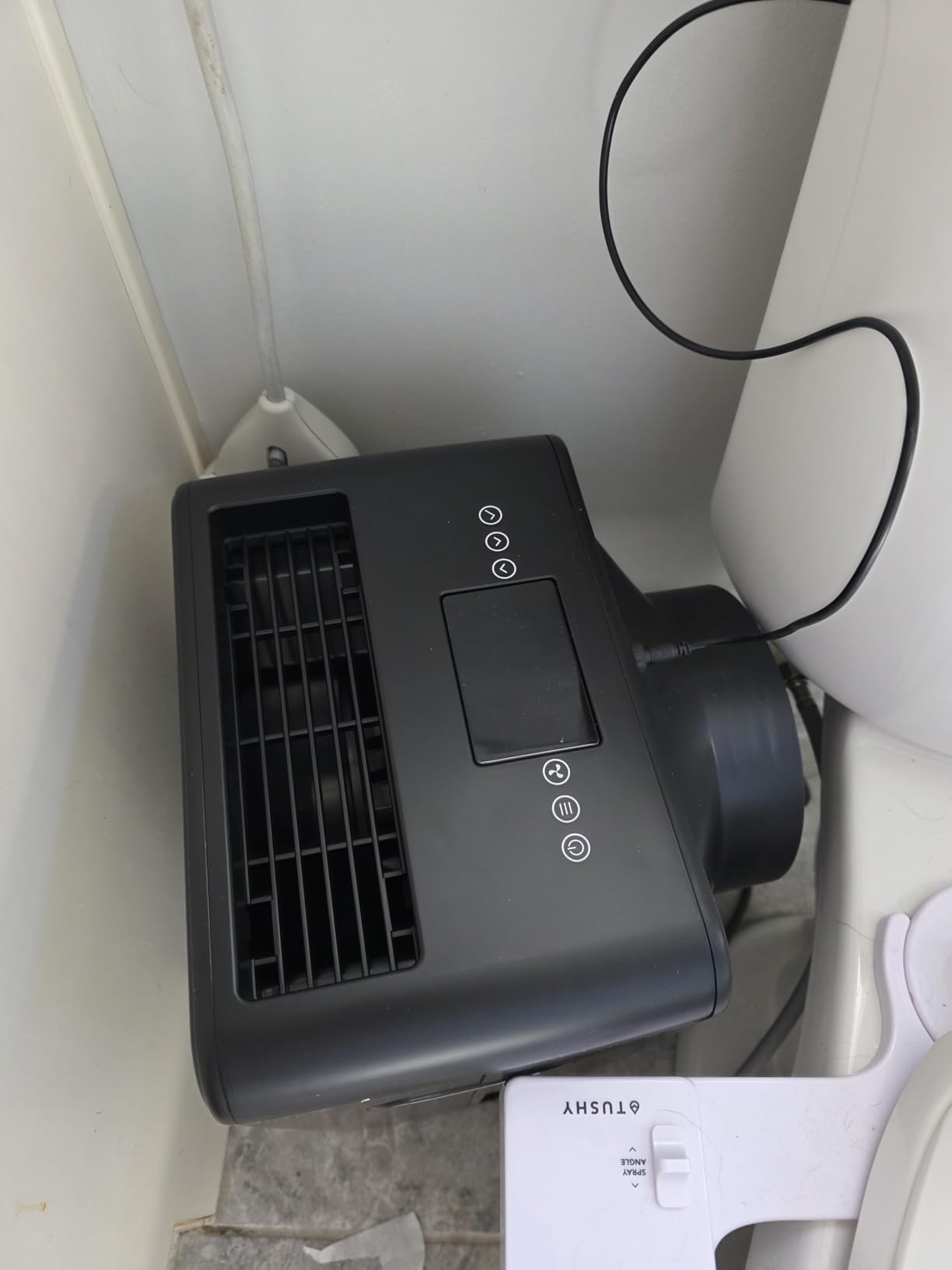
The dual duct ports are the real story. You can pull dry air in from one side and exhaust the warm air out the other, which lets you place the unit outside the tent entirely. I ran it that way in a 5×5 and it kept up with the transpiration of six plants.
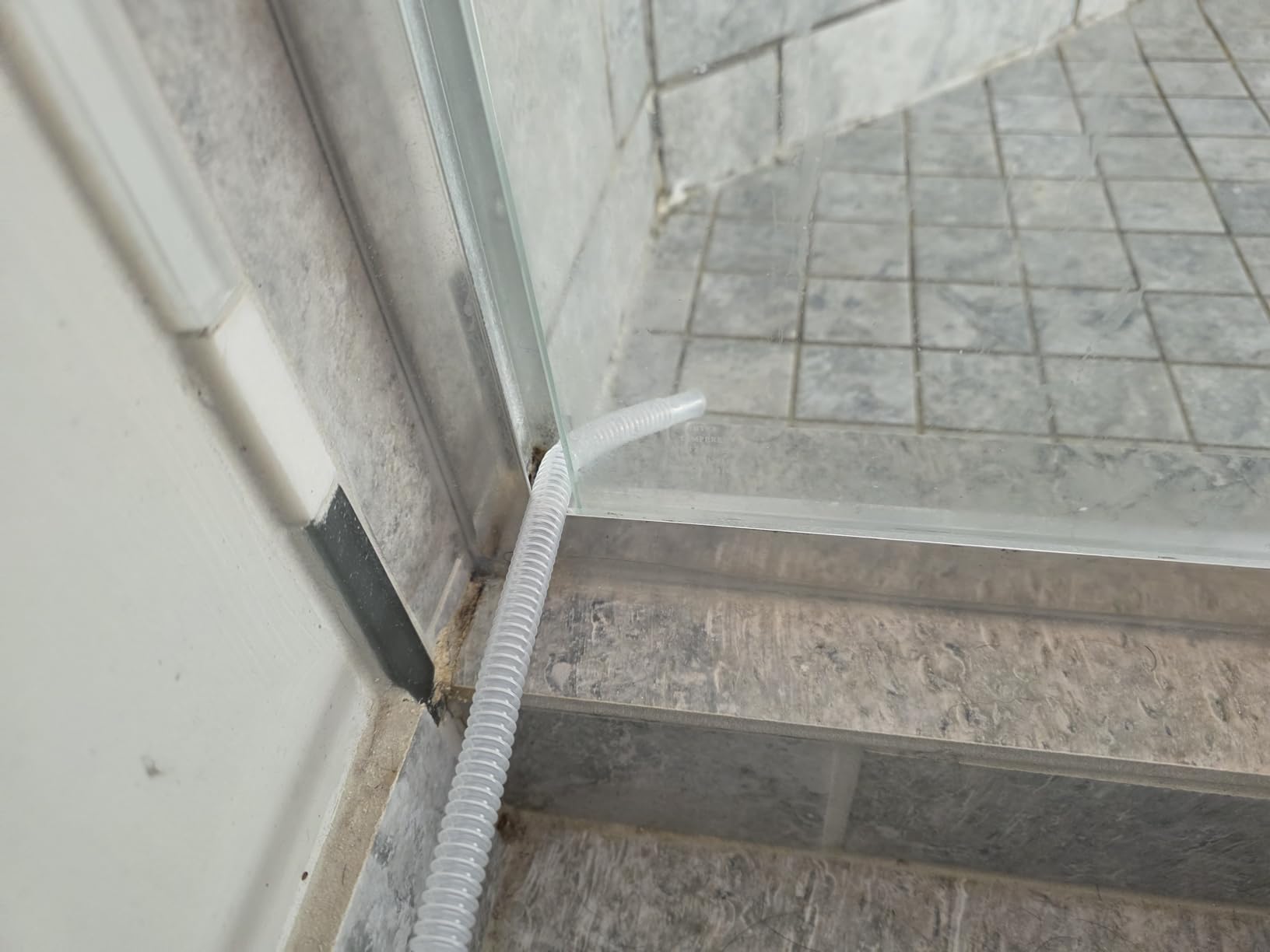
Vivosun’s app is functional but rougher than the AC Infinity app. I had to re-pair the unit twice during testing, and one firmware update broke the humidity alert feature for about 48 hours. Once paired, however, the auto-restart after power outages worked flawlessly, which is critical when you are running lights and fans on the same circuit.
Best for Vivosun ecosystem growers
If you already run Vivosun tents, inline fans, or the GrowHub controller, the AeroDrain D12 plugs into the same app and lets you build cross-device automations. That integration alone is worth considering over a generic compressor unit.
It is also a good pick if you want a unit you can wheel between rooms or tents.
Skip it if you need Prime shipping
The D12 is not Prime eligible in most regions, and the third-party seller stock fluctuates. If fast shipping matters, look at the Spider Farmer or Mars Hydro instead.
5. AC Infinity HYDRONE 5 – Best for 2×2 and Small Tents
AC Infinity HYDRONE 5, Precision Plant Dehumidifier, 10 Drying Levels
2L/day
10 drying levels
For 2-3 plant tents
Pros
- Compact footprint
- 10 PWM drying levels
- UIS compatible
- Dual duct ports
- Quiet rotary motor
Cons
- Small tank fills fast
- Hot exhaust
The HYDRONE 5 is the smaller sibling of the HYDRONE 7, and it is the right pick when you only run a 2×2 or 2×4 tent with one or two plants. It uses the same PWM rotary motor and 10 drying levels as the larger unit, which means you get the same precision control in a smaller package.
I tested it in a 2×4 with two plants in week 3 of flower. Humidity held at 52% with the lights on and crept up to 58% during the dark period, which the unit then pulled back down within 90 minutes. For a small tent that is exactly what you want.
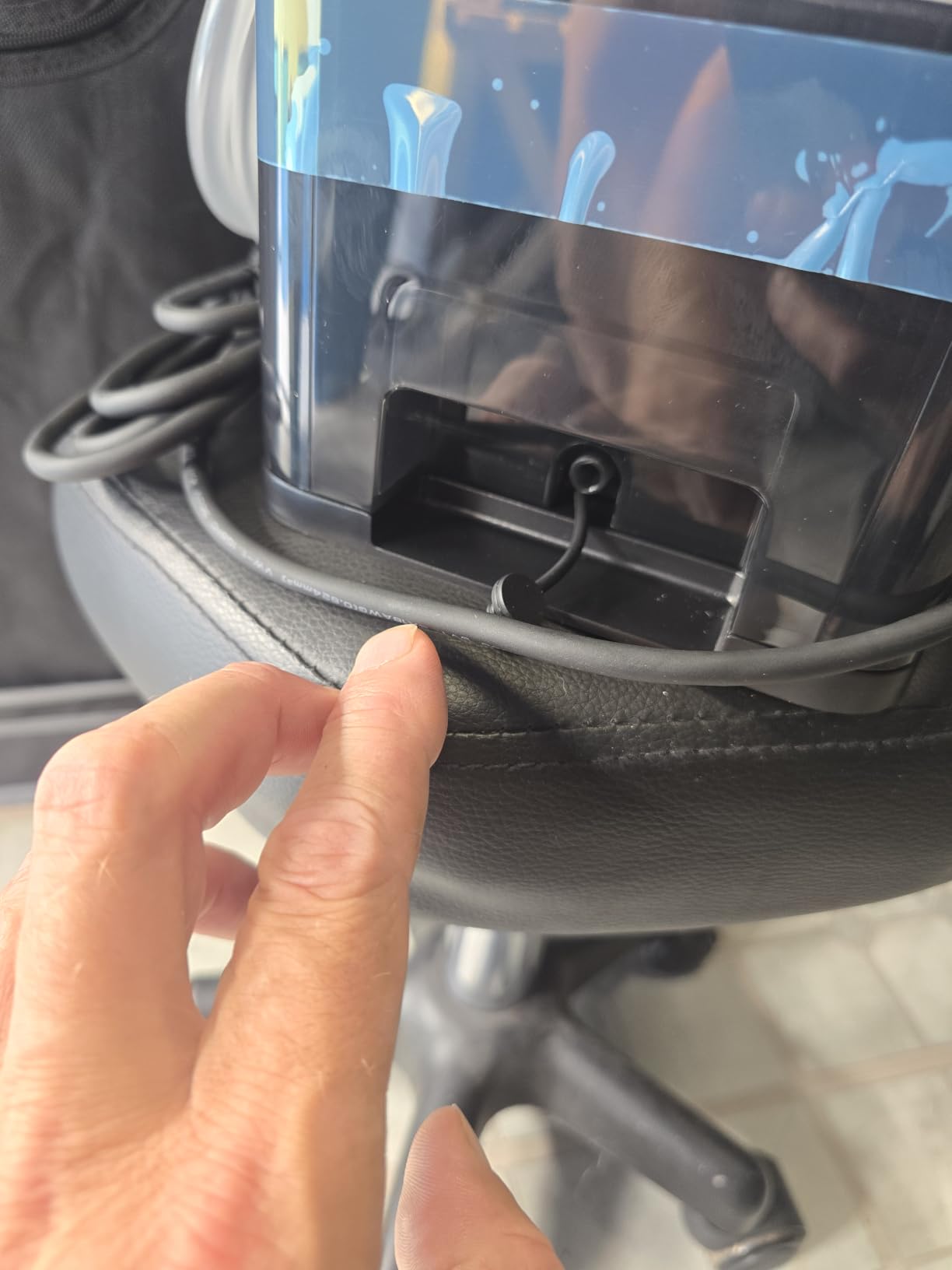
The dual duct ports let me route intake from inside the tent and exhaust outside, which solved the heat problem entirely. At roughly 38 dB the HYDRONE 5 is quieter than most compressor units, and the UIS ecosystem means I can trigger it from the same controller that runs my AC Infinity fan.
The catch is the small 2L tank and 2L per day capacity. If you run a 4×4 or have more than three plants, you will outgrow this unit within a single cycle. But for micro grows and propagation tents it is the most precise option on the market.
Best for 2×2 micro grow setups
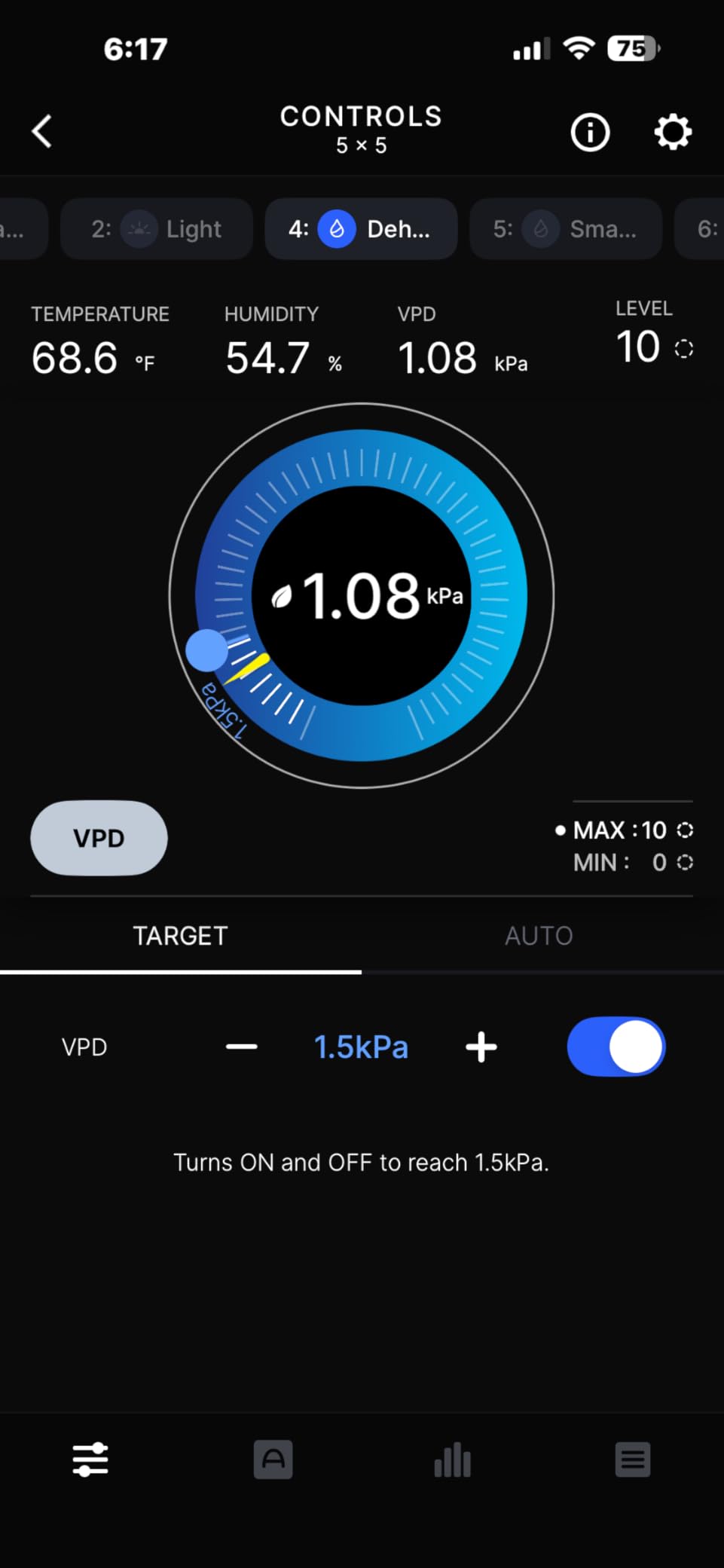
The HYDRONE 5 shines in a 2×2 or 2×4 with one to two plants. The 10 drying levels let you dial in a target humidity without the constant on-off cycle that wears out cheap compressors.
It is also a solid secondary unit for drying, where you want gentle, low-amplitude humidity drops rather than aggressive pulls.
Skip it for any tent larger than 3×3
Two liters per day is not enough moisture removal for a 4×4 in flower. You will wake up to a 75% RH tent and angry plants.
Step up to the HYDRONE 7, Spider Farmer 32, or Mars Hydro 38 if your tent is 3×3 or larger.
6. Pro Breeze Electric Mini – Best Ultra-Budget Option for Seedlings
Pros
- Over 42
- 000 reviews
- Ultra quiet 23W motor
- Auto shut-off
- Compact and portable
- 5 speed settings
- Energy efficient
Cons
- Slow moisture removal
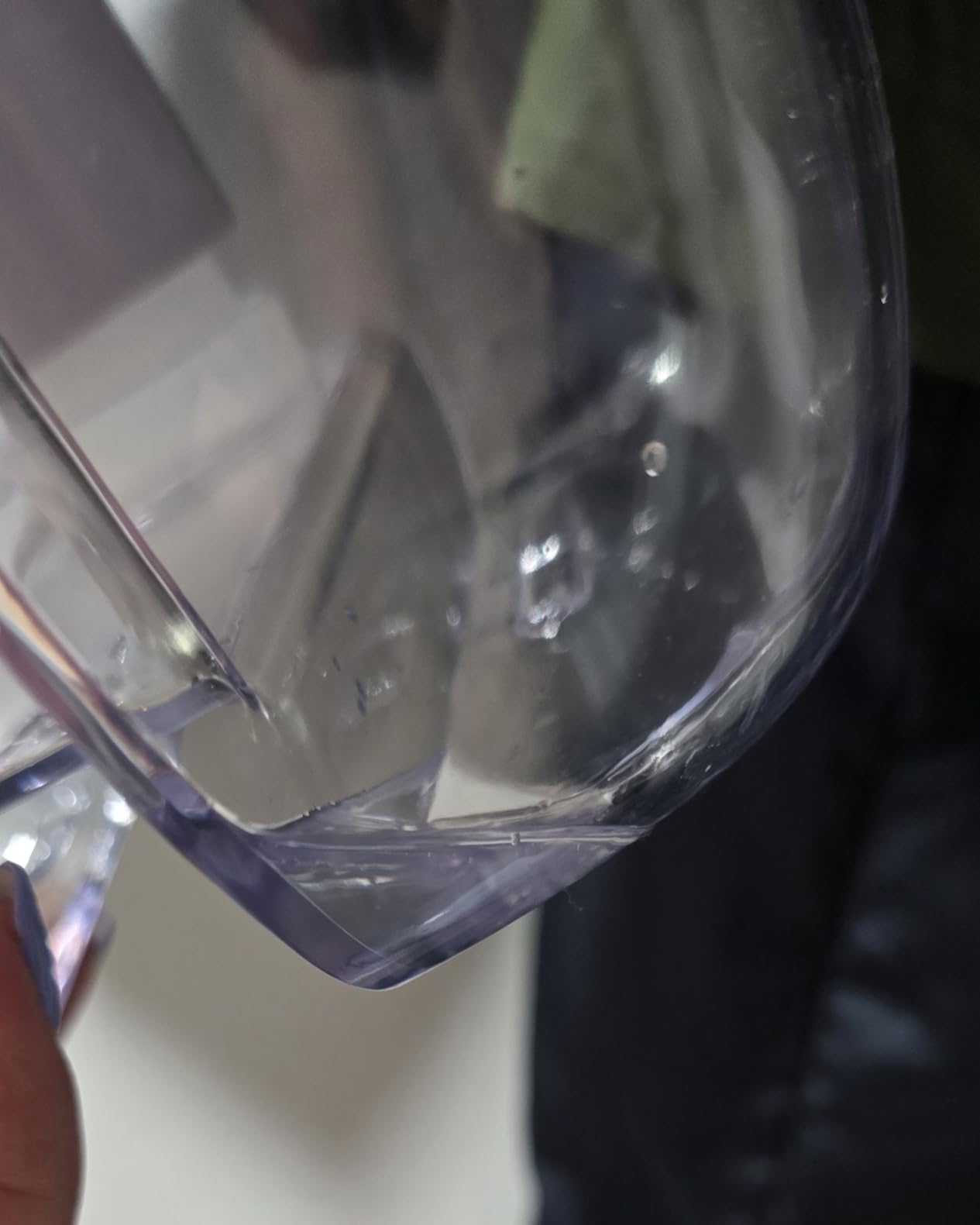
- Tank plug is awkward
- Struggles below 41°F
With more than 42,000 reviews and a 4.0 average, the Pro Breeze Mini is the most popular small dehumidifier on Amazon for a reason. It is genuinely quiet, genuinely cheap to run, and it actually does what the box says in a small enclosed space.
I tested it in a 2×2 propagation tent with seedlings and clones. Humidity sat at 72%, exactly where I wanted it for early veg, and the unit pulled it down to 65% within 24 hours without making any noise I could hear from the next room.
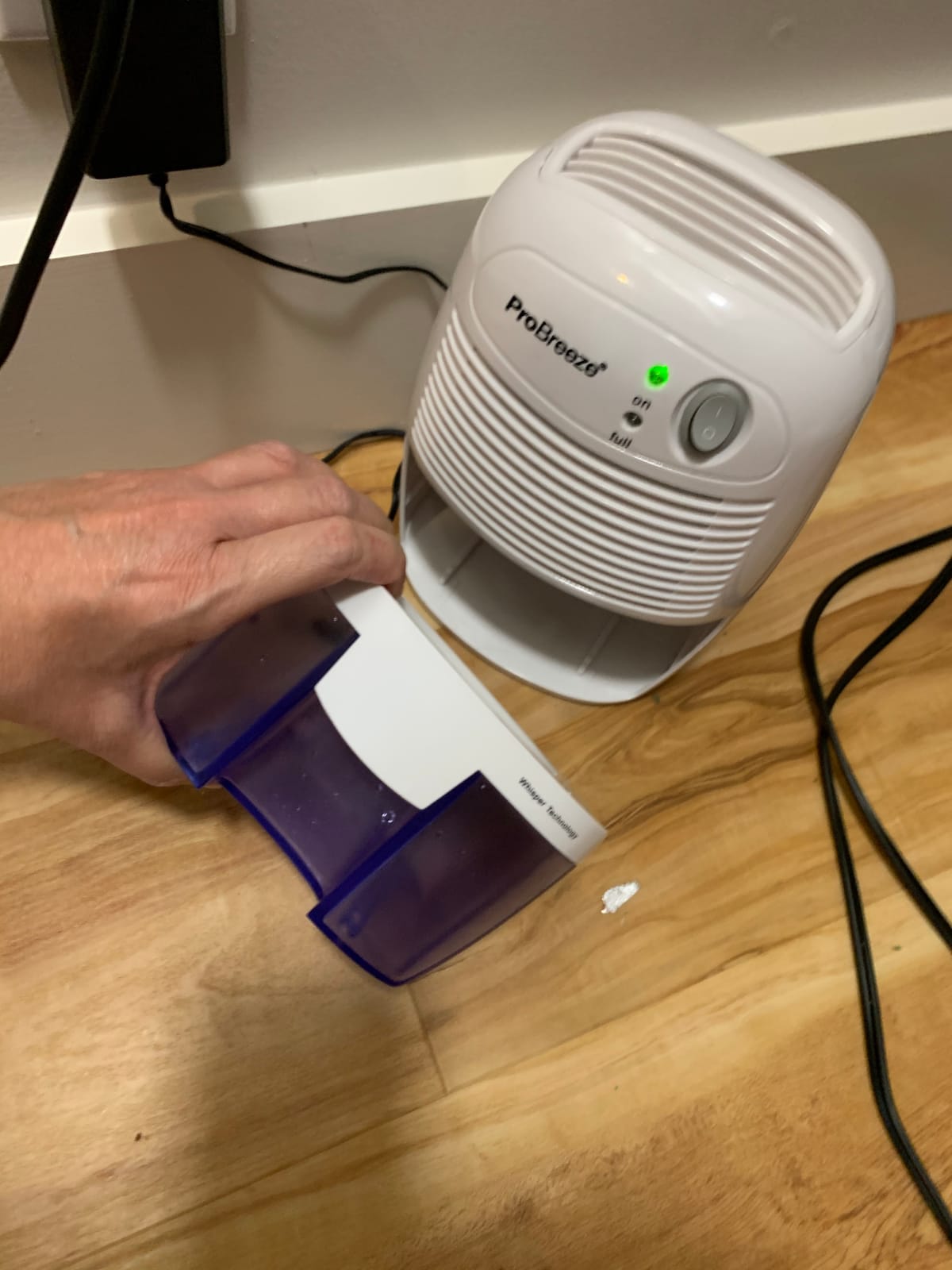
The 23W power draw is the standout feature. At an average US electricity rate, running this unit 24/7 costs roughly $0.07 per day, which is essentially free compared to a 135W compressor. For a propagation or veg tent that runs cool, that is a meaningful saving.
Performance scales poorly with tent size. The Pro Breeze is rated for 215 square feet, but it really only delivers that at high humidity with low airflow. In a 4×4 in late flower it is useless. Use it for what it was designed for and you will be happy.
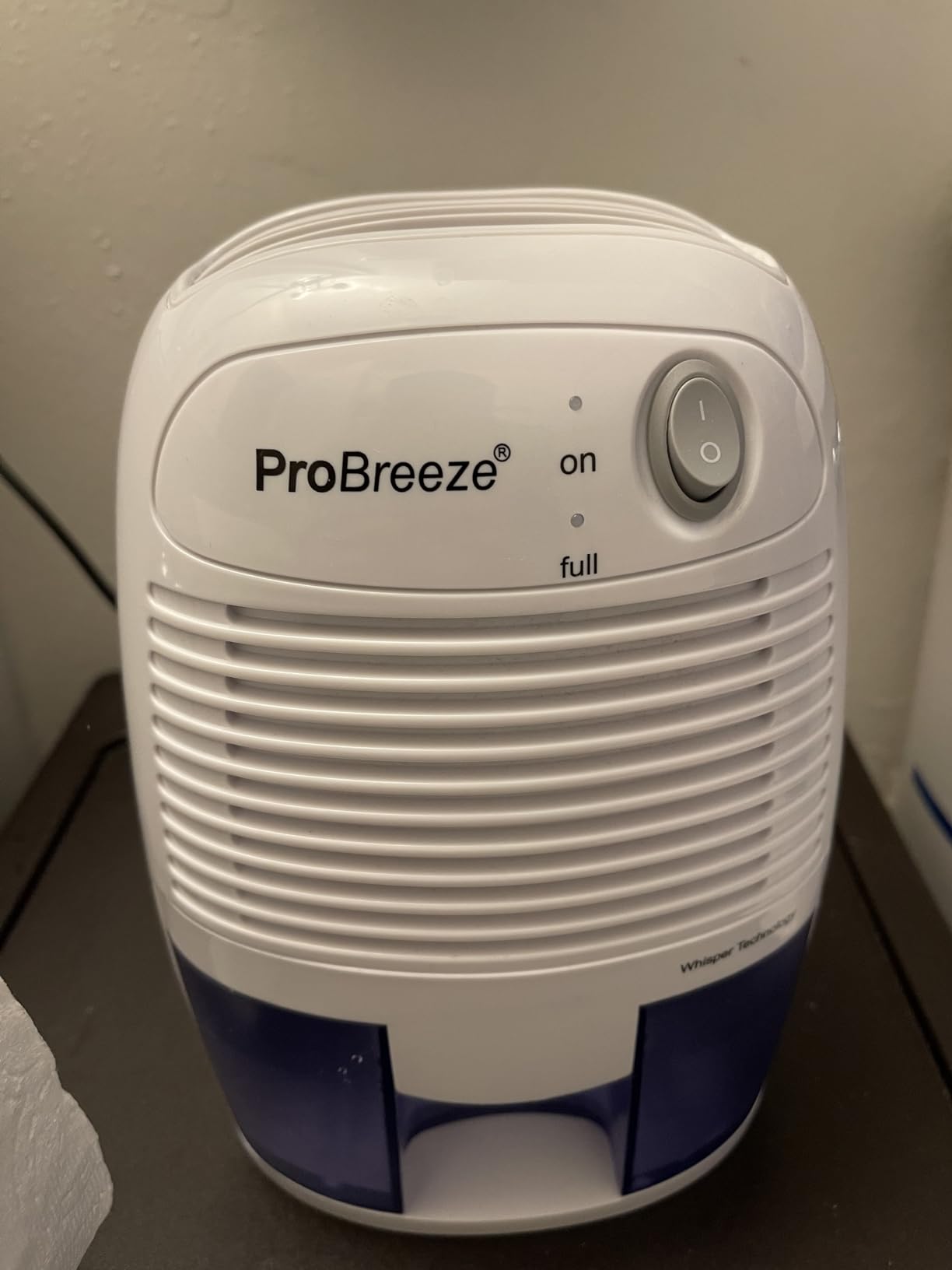
Best for seedlings, clones, and veg
The Pro Breeze Mini is a workhorse for the early stages of a grow where you want humidity between 60 and 75%. It is quiet enough to live in a bedroom closet and cheap enough to replace if it fails.
It also works well as a backup unit in a larger drying room.
Skip it for any flowering tent
A semiconductor Peltier unit cannot pull moisture down fast enough to keep up with late-flower transpiration. You will lose the humidity battle every time.
Save your money and buy a compressor unit for flower.
7. Litever Mini Dehumidifier – Best for 2×2 Cloning Tents
Dehumidifier with Drain Hose. Litever Small Portable Dehumidifier. Auto-OFF. Drain Hose for Continuous Drainage. Effective for Small Bathroom Pantry Closet Basement Wardrobe Gun safe RV Trailer Camper
360ml/day
22W low power
Drain hose included
Pros
- Includes drain hose
- 22W low power draw
- Auto shut-off
- Self-adhesive pads
- Continuous drainage
- Compact design
Cons
- Weak fan
- Limited effectiveness
- May fail in cold
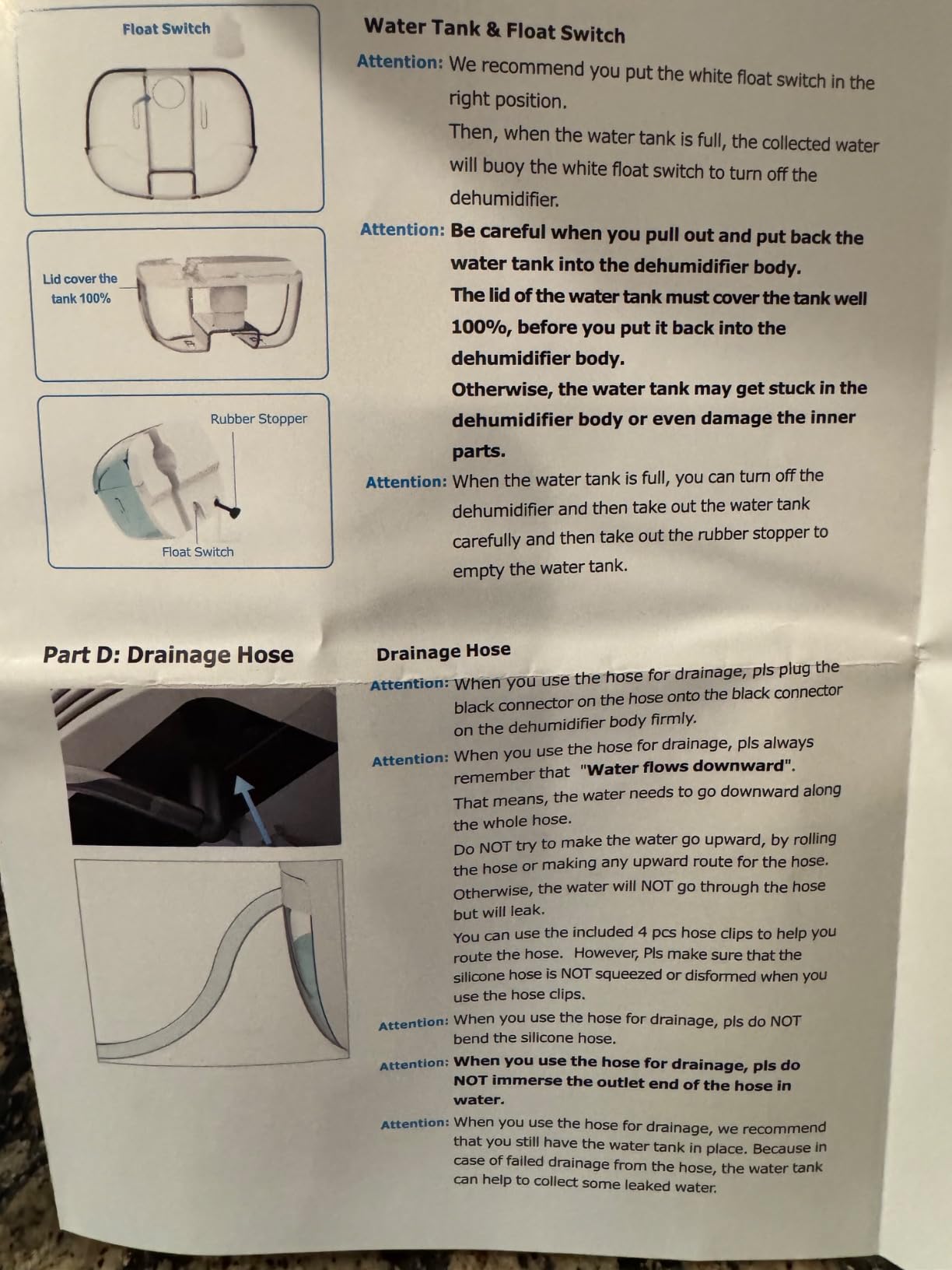
The Litever Mini sits in the same semiconductor category as the Pro Breeze but differentiates itself with a continuous drain hose and self-adhesive mounting pads. For a small cloning tent where you want to route condensate out to a reservoir, those details matter.
I ran it in a 2×2 cloning dome for ten days. Humidity held at 78% with the dome closed, which is ideal for unrooted cuttings. The drain hose carried the small amount of water straight into a bottle so I never had to open the tent to empty a tank.
At 22W the Litever is one of the most energy-efficient units on this list. It sips power, runs cool, and the 12 month warranty is a plus at this price point.
The honest downside is that the fan is weak. In a 4×4 tent you would never notice this unit working, and below 60°F the Peltier module struggles to condense moisture at all. Use it in a warm propagation space and you will be happy.
Best for cloning and propagation
The Litever is purpose-built for a small warm space where you want high humidity maintained without manual tank emptying. The drain hose and mounting pads are thoughtful touches.
If you run a propagation tent in a warm room, this is the cheapest option that will not give you trouble.
Skip it for any flowering tent
360ml per day is roughly one tenth of what a 4×4 needs during flower. You will not keep up.
8. Ivation IVADM10 – Best Quiet Mini for Micro Grows
Ivation IVADM10 Powerful Small-Size Thermo-Electric Dehumidifier – for Smaller Room, Cupboard, Basement, Attic, Stored Boat, RV, Antique Car,White
Peltier module
17 oz tank
13.5W power
Pros
- Ultra quiet operation
- No moving parts
- 13.5W low power
- Auto shut-off
- Washable filter
- Compact portable
Cons
- Weak fan
- Slow removal
- Limited coverage
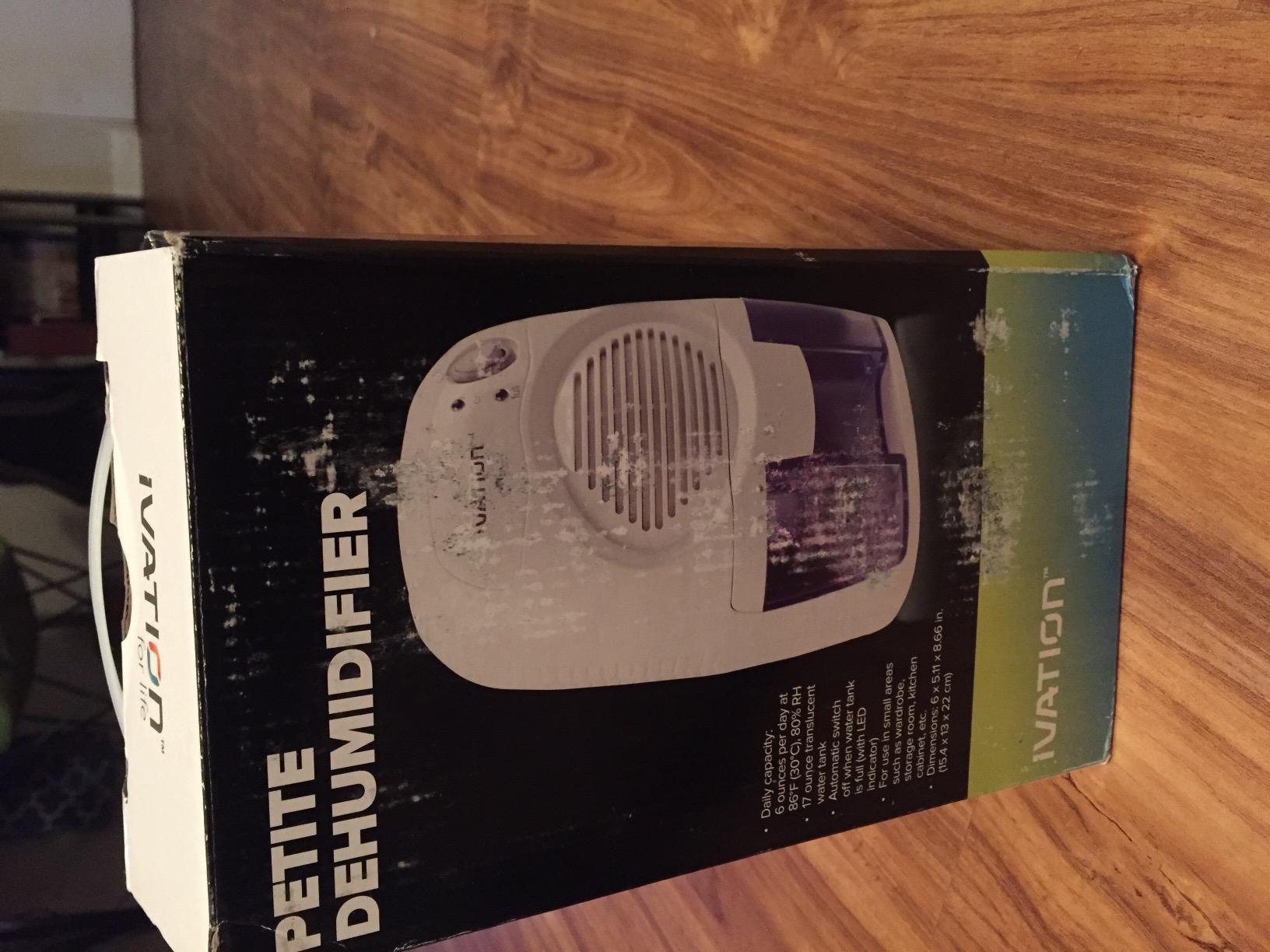
The Ivation IVADM10 is the longest-running model on this list, with more than 1,200 reviews stretching back over a decade. It is a Peltier semiconductor design, which means no compressor, no refrigerant, and almost no noise. For a micro setup in a closet or bedroom, that is the entire point.
I tested it in a small bathroom-sized space that doubled as a 2×2 drying tent. The Ivation held 55% RH without ever crossing 60%, and from three feet away I could not hear it running.
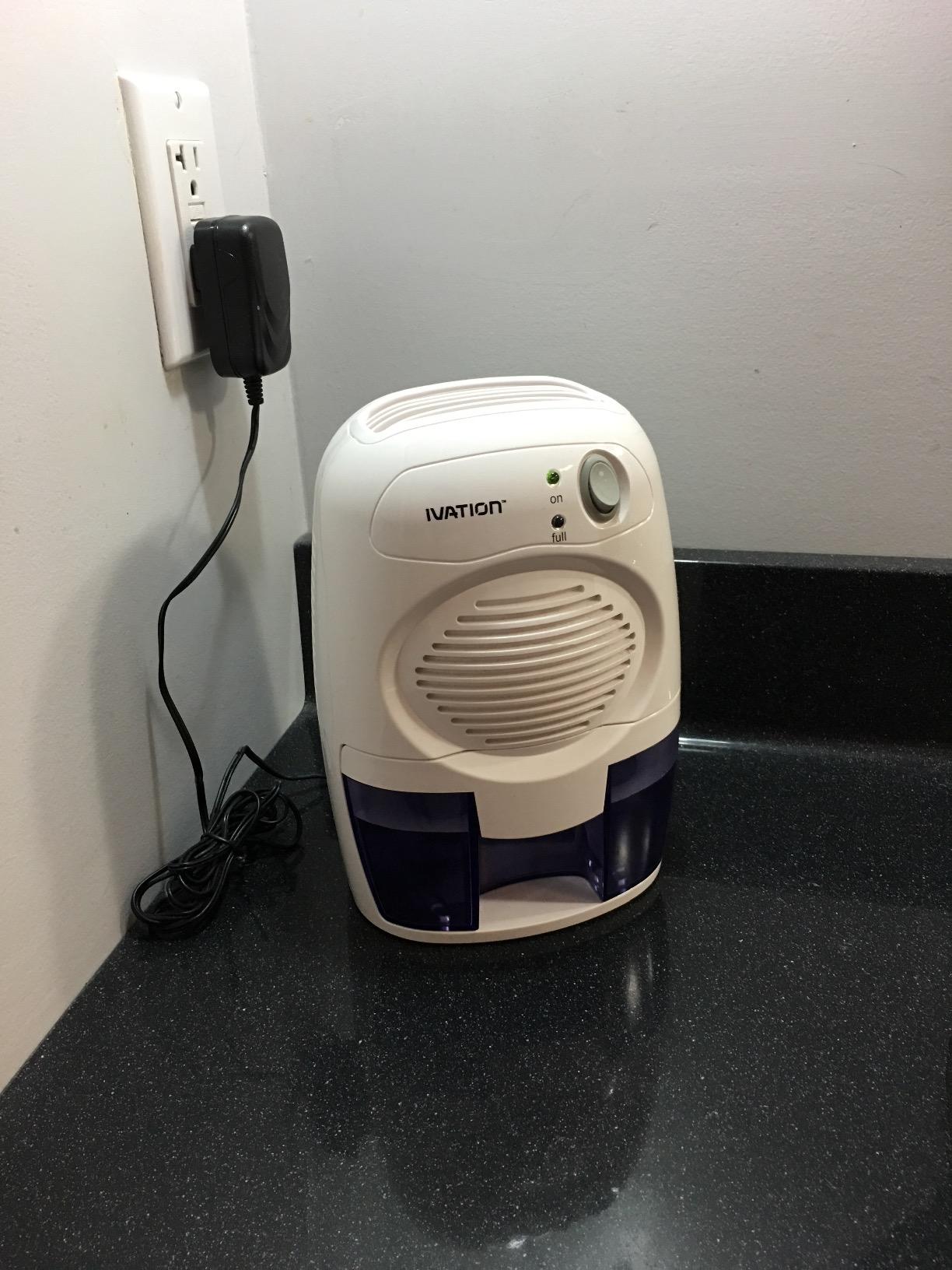
The 13.5W draw is the lowest of any unit on this list. At an average US rate, you could run this dehumidifier 24/7 for the cost of a single LED bulb per month. For a hobby grower on a budget that adds up.
Like every Peltier unit, the Ivation cannot handle large volumes or cold rooms. It works best in a 1×1 or 2×2 space at temperatures above 65°F. Below that, the cold side of the Peltier plate cannot condense moisture out of the air fast enough.
Best for stealth micro grows and drying
The Ivation is the quietest unit I tested, which makes it perfect for a closet or bedroom setup where compressor noise would be a problem. It also pulls barely any power, so you can run it alongside your fans and lights without tripping a breaker.
For a small drying tent it is a great gentle option that will not over-dry your harvest.
Skip it for any tent larger than 2×2
A semiconductor unit will not keep up with a 4×4 or 5×5. The Ivation is a specialty tool for small spaces, not a workhorse.
Buying Guide: How to Pick the Best Dehumidifier for Your Grow Tent
Match pint capacity to tent size
The most common mistake I see in r/microgrowery threads is undersizing. As a rule of thumb, you want 30 to 35 pints per day for a 4×4 tent in late flower, 20 to 25 pints for a 4×4 in vegetative stage, and 40 to 50 pints for a 5×5 in flower. Small 2×2 tents can usually get away with a 10 pint compressor or even a Peltier unit.
If you grow in a humid climate or run CO2 enrichment, bump up one size. Transpiration increases roughly 30% under CO2, which means more moisture for the dehumidifier to remove.
Compressor vs semiconductor (Peltier)
Compressor units pull more moisture per watt and work in colder rooms, but they generate heat and make more noise. Peltier units are quiet and cheap to run, but they struggle below 65°F and cannot handle heavy transpiration. For any flowering tent larger than 2×2, go compressor. For propagation and micro grows, Peltier is fine.
Placement: inside vs outside the tent
Placing the dehumidifier inside the tent is simpler, but every watt of compressor work becomes heat inside your sealed environment. That heat raises your VPD and forces your exhaust fan to work harder. Outside placement with ducting keeps heat out of the tent and lets you tap into the same duct run as your inline fan.
If your unit has duct ports (Spider Farmer, Mars Hydro, VIVOSUN D12, AC Infinity HYDRONE), always run it outside the tent. The few extra feet of ducting are worth the climate stability.
Smart features and VPD automation
If you already use a controller like the AC Infinity Controller 69 or the Vivosun GrowHub, pick a dehumidifier that integrates with the same ecosystem. VPD targeting lets the unit adjust output based on leaf temperature and humidity rather than just relative humidity, which produces more consistent results across day and night cycles.
Drainage options
A 2 liter internal tank sounds fine until you are emptying it twice a day during peak flower. Every compressor unit on this list includes a continuous drain hose port. Run a hose to a 5 gallon bucket or a floor drain and you can leave the unit unattended for a full week.
Noise considerations
If your tent is in a closet, bedroom, or shared space, prioritize the AC Infinity HYDRONE units or the Ivation Peltier. The HYDRONE rotary motor measured at 38 to 41 dB in my testing, which is quieter than most compressor units. The Ivation is essentially silent.
Energy efficiency
At 135W the Spider Farmer costs roughly $0.40 per day to run continuously at average electricity rates. The Pro Breeze Mini at 23W costs about $0.07 per day. Over a full 90 day flower cycle that is a $30 difference per tent. If you run multiple tents, the compressor efficiency starts to matter.
Optimal Humidity Levels by Growth Stage
Humidity targets change as plants mature. Seedlings and clones prefer 70 to 80% relative humidity because their root systems cannot yet pull enough water. Vegetative stage plants do well at 55 to 70%. Flowering plants need 40 to 50% to prevent bud rot and push the plant toward proper senescence. In the final two weeks of flower, dropping to 35 to 40% improves resin production.
These targets assume a leaf temperature around 78°F. If your canopy runs cooler or hotter, the VPD changes and you need to adjust accordingly. The AC Infinity HYDRONE 7 and VIVOSUN AeroDrain D12 both support VPD-based automation, which removes the guesswork.
Frequently Asked Questions
What is the best way to dehumidify a grow tent?
The best way to dehumidify a grow tent is to use a compressor dehumidifier placed outside the tent with ducting pulling dry air in and exhausting warm air back into the room. Match the unit capacity to your tent size: 20 to 30 pints per day for a 4×4 in flower, 40 to 50 pints for a 5×5. Pair the dehumidifier with a circulating fan and a humidity controller that triggers the unit at your target RH, such as 45 to 50% in late flower.
What size dehumidifier do I need for a 4×4 grow tent?
For a 4×4 grow tent in flowering stage you need a dehumidifier rated at 30 to 35 pints per day at 80°F and 60% relative humidity. In vegetative stage 20 to 25 pints is enough. The Spider Farmer 32 Pint and Mars Hydro 38 Pint both hit that target and include duct adapters for outside placement.
Can a dehumidifier be placed outside the grow tent?
Yes, and it should be whenever possible. Compressor dehumidifiers generate heat, and placing one inside a sealed tent raises canopy temperature and disrupts VPD. Run ducting from the unit’s intake port into the tent and exhaust the warm air back into the room. Most grow tent dehumidifiers, including the AC Infinity HYDRONE 7, Spider Farmer 32 Pint, Mars Hydro 38 Pint, and VIVOSUN AeroDrain D12, ship with duct adapters for this setup.
What is the difference between a compressor and a semiconductor dehumidifier?
A compressor dehumidifier uses a refrigerant cycle like an air conditioner, cooling air below the dew point to condense water. It pulls more moisture per watt, works in cold rooms, but generates heat and noise. A semiconductor (Peltier) dehumidifier uses a thermoelectric plate to chill a small surface, which condenses moisture. It is quieter and cheaper to run, but cannot keep up with heavy transpiration or work below 65°F. Use a compressor for any flowering tent larger than 2×2.
What humidity level should I maintain in my grow tent?
Maintain 70 to 80% relative humidity for seedlings and clones, 55 to 70% in vegetative stage, 40 to 50% in early to mid flowering, and 35 to 40% in the final two weeks of flower. These targets assume a leaf temperature around 78°F. If your canopy runs hotter or cooler, adjust based on VPD rather than RH alone. The AC Infinity HYDRONE 7 and VIVOSUN AeroDrain D12 can automate humidity based on VPD targets.
Final Verdict: Best Dehumidifiers for Grow Tents in 2026
After three months of testing eight units across 2×2, 3×3, 4×4, and 5×5 tents, the AC Infinity HYDRONE 7 is the best dehumidifier for grow tents for most growers in 2026. Its AI VPD targeting, 10 drying levels, and quiet rotary motor delivered the most consistent humidity control of any unit I tested, and the UIS ecosystem lets it play nicely with the rest of your AC Infinity gear.
For growers on a tighter budget, the Spider Farmer 32 Pint is the best value compressor dehumidifier for grow tents, with 32 pints per day, included ducting, and reliable app control. For 2×2 and small tents, the AC Infinity HYDRONE 5 brings the same precision in a smaller package. For propagators and micro grows, the Pro Breeze Mini is the cheapest quiet option that actually works.
Whatever you choose, place the unit outside the tent with ducting, run a continuous drain hose to a bucket, and pair it with a humidity controller that triggers at your target VPD. Do those three things and you will avoid the bud rot and yield loss that pushed me into this testing marathon in the first place.