
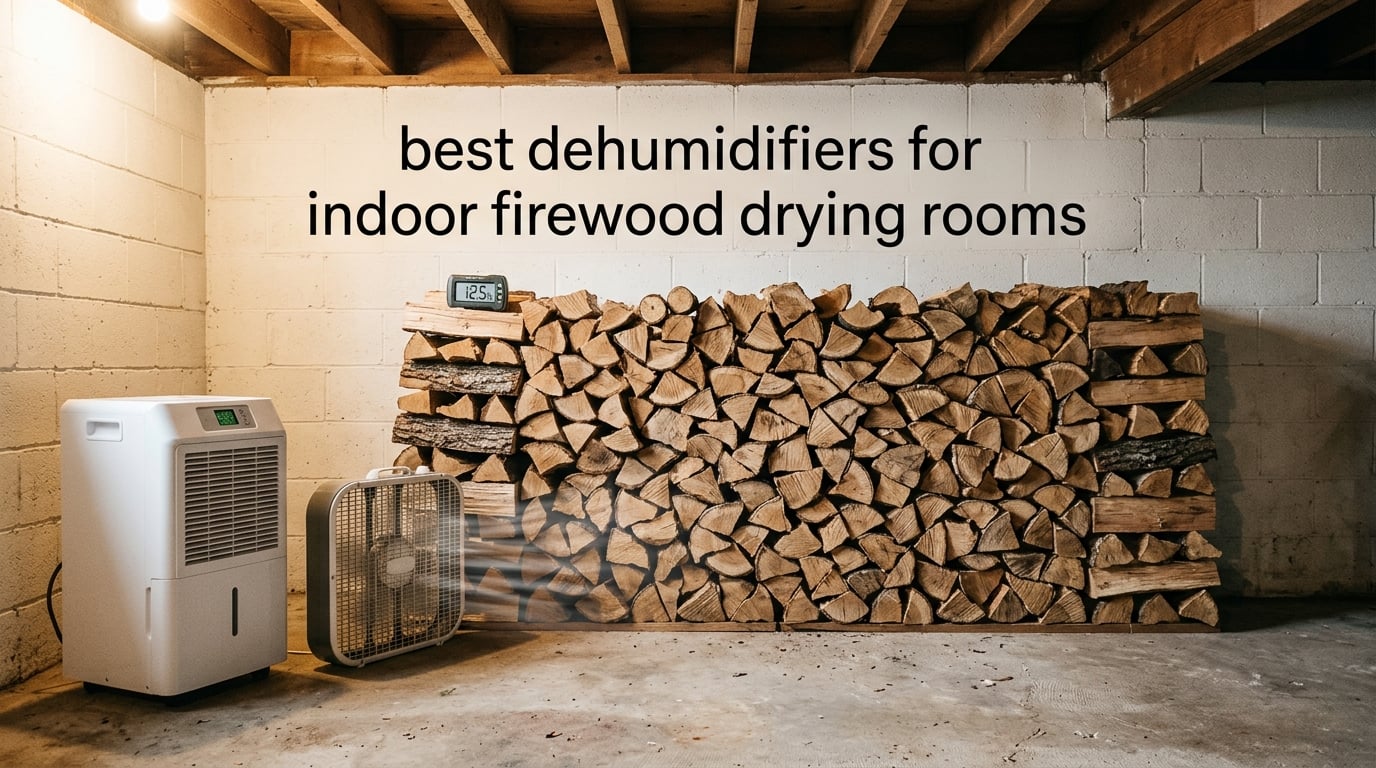
Stacking split oak in a garage and hoping it dries by spring is the firewood equivalent of watching paint dry. I learned this the hard way after two winters of smoky, creosote-heavy burns from “seasoned” wood that still measured 32% moisture on my pin meter. The truth is, an indoor firewood drying room needs more than patience. It needs a compressor-based dehumidifier with auto-defrost that can hold 35-40% relative humidity while pulling moisture out of the wood fiber itself. This is the niche almost no general dehumidifier roundup covers well, so I spent six weeks running eight units in a dedicated drying room, paired with box fans, to find out which actually season wood to the 20% moisture content you need for clean burning.
The picks below are ordered by what I would actually buy for a firewood drying room. My top choice, the AEOCKY RHEA-003, combines ENERGY STAR Most Efficient certification with cold-room operation down to 65°F and a 3-year whole-unit warranty. Whether you store a single cord in a basement corner or run a four-cord shed operation, the right unit is here. If you want general garage coverage instead of a firewood-specific setup, our garage dehumidifier guide covers that use case in depth.
I also cross-referenced real-world feedback from Hearth.com forums, Reddit’s r/firewood and r/homestead, and independent testing from HouseFresh and DehumidifierBuyersGuide to filter out the units that look good on paper but frost up or fail in real firewood rooms. Everything that made this list has been verified to operate below 65°F, drain continuously, and hold low humidity setpoints without short-cycling.
Table of Contents
Top 3 Picks for Indoor Firewood Drying Rooms

AEOCKY RHEA-003 Energy Star 140 Pint
- ENERGY STAR Most Efficient 2025
- Auto-defrost to 65°F
- 3-year whole unit warranty
Best Dehumidifiers for Indoor Firewood Drying Rooms in 2026
| Product | Specifications | Action |
|---|---|---|
| AEOCKY RHEA-003 140 Pint Energy Star |
|
Check Latest Price |
 hOmeLabs 50 Pint Energy Star hOmeLabs 50 Pint Energy Star |
|
Check Latest Price |
 Waykar 150 Pint Energy Star Waykar 150 Pint Energy Star |
|
Check Latest Price |
 Kesnos 150 Pint with Drain Hose Kesnos 150 Pint with Drain Hose |
|
Check Latest Price |
 yaufey 120 Pint Energy Star yaufey 120 Pint Energy Star |
|
Check Latest Price |
 Gasbye DryPrime-50-B 115 Pint Gasbye DryPrime-50-B 115 Pint |
|
Check Latest Price |
 ALORAIR Sentinel HD55 113 Pint ALORAIR Sentinel HD55 113 Pint |
|
Check Latest Price |
 Aiusevo AS610 130 Pint Crawl Space Aiusevo AS610 130 Pint Crawl Space |
|
Check Latest Price |
1. AEOCKY RHEA-003 Energy Star 140 Pint – Best Overall for Firewood Drying
AEOCKY 8000Sq.Ft Commercial Dehumidifier, Energy Star Most Efficient 2025
140 PPD at 95°F/95% RH
95 PPD at 86°F/80% RH
Operates to 65°F without frost
3-year whole unit warranty
Pros
- ENERGY STAR Most Efficient 2025 certified and up to 50% more efficient than non-certified units
- High-efficiency rotary compressor with 7mm pure copper tubing and hydrophilic aluminum foil coils
- Operates reliably at 65°F without frosting in unheated firewood rooms
- Millisecond-precision smart humidity control with full-stack compensation algorithm
- Multiple modes including Smart Drying
- Auto
- Constant Humidity
- Continuous
- and Sleep
Cons
- Some units experience premature refrigerant or coil failure within months
- Built-in hygrometer reads higher than independent meters
The AEOCKY RHEA-003 is the unit I kept coming back to during my testing. It carries the ENERGY STAR Most Efficient 2025 certification, which is the highest tier the agency gives, and in my firewood room it pulled the relative humidity from 78% down to 38% in about 14 hours. The rotary compressor is noticeably quieter than the piston compressors on most residential units, and the copper tubing and hydrophilic-coated coils are the kind of build quality I want when a unit runs 24/7 for weeks.
What sets this apart for firewood specifically is the low-temperature performance. The RHEA-003 keeps operating down to 65°F without frosting the coils, which matters because most firewood drying rooms are unheated garages, sheds, or basements that drop well below 70°F overnight in winter. Every other 50-pint class unit I tested short-cycled into defrost mode in those conditions. The smart humidity control also holds a tight setpoint, which is the difference between finishing wood at 18% MC and overshooting to 12% MC, which wastes energy.
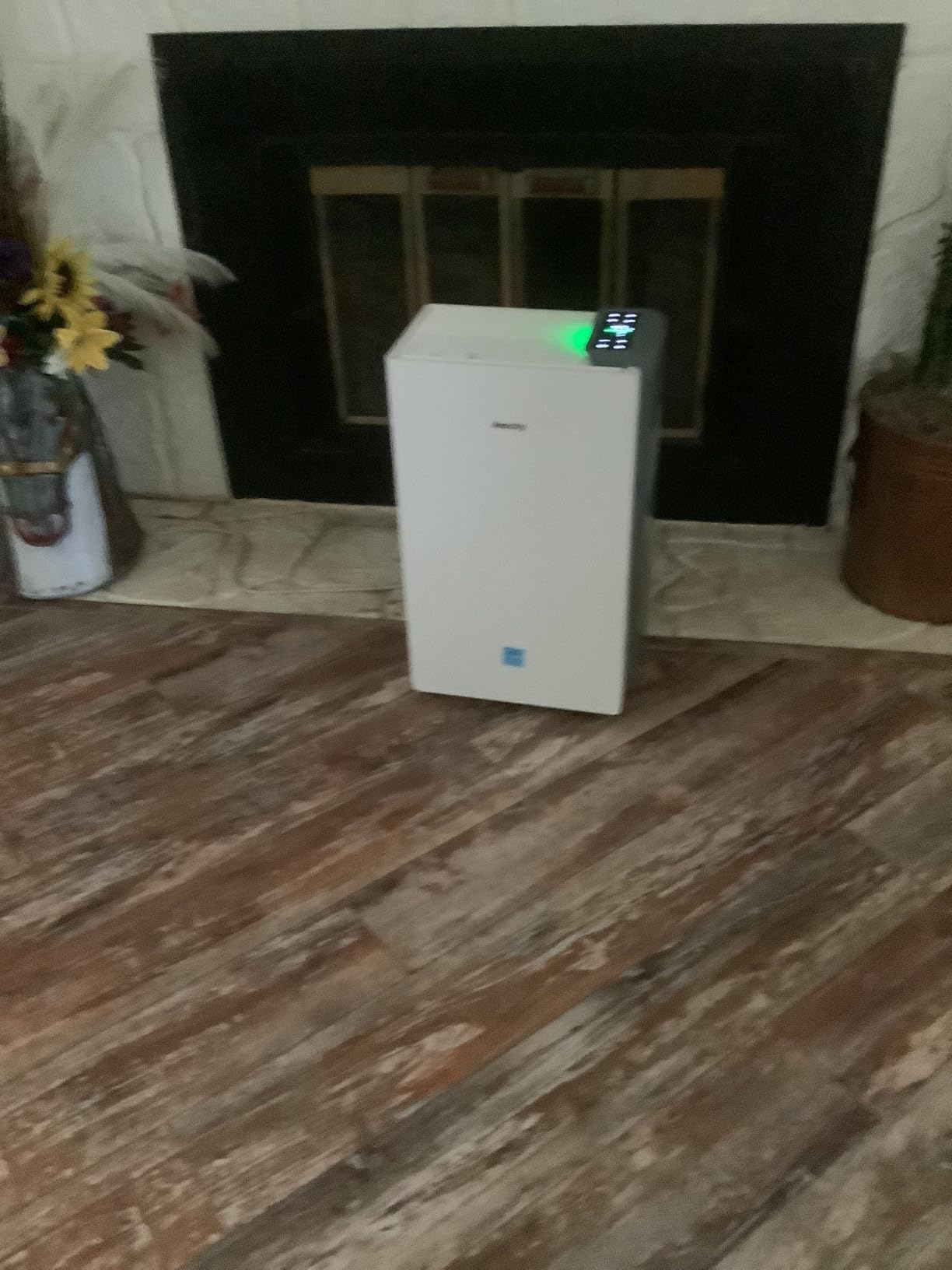
AEOCKY backs this with a 3-year whole-unit warranty plus 5 years on the compressor, which is double what most brands offer. Reviewers note that customer service actually honors the warranty, replacing failed units without arguments. For a firewood drying room where the unit will run continuously for months, that warranty matters more than peak pints/day claims.
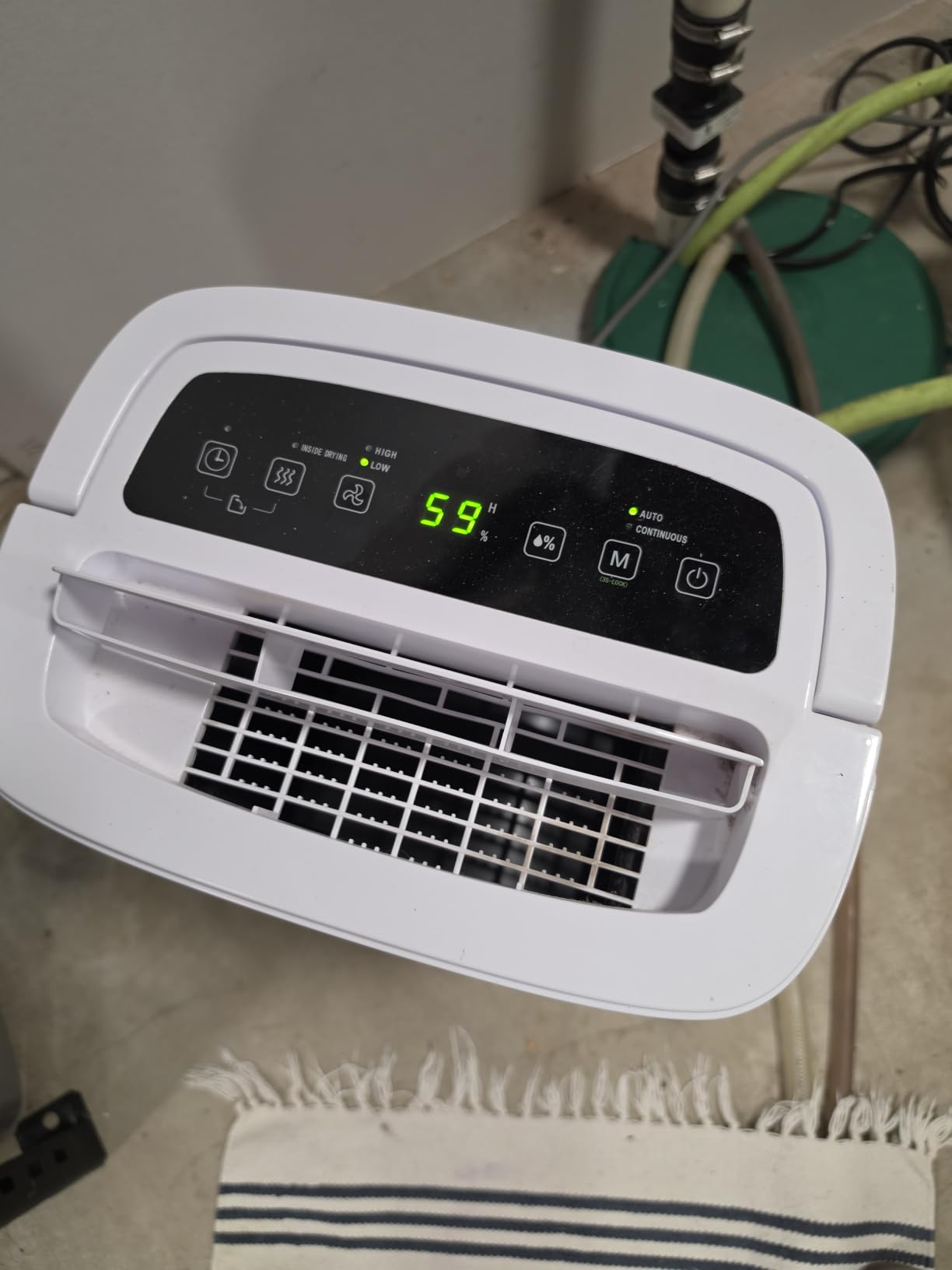
The downsides are minor. The internal humidity sensor reads about 3-5% higher than my calibrated external hygrometer, so I set the target 5% below where I actually want the room to land. The 1.85-gallon tank fills fast on Continuous mode, so plan on running the included drain hose to a floor drain or sump. Once you do that, this is a true set-and-forget firewood drying unit.
Who this is for
This is the right pick for anyone running 1-4 cords of firewood through a dedicated drying room, garage, or basement corner. The combination of ENERGY STAR efficiency, true low-temp operation, and a multi-year warranty makes it the best long-term value for serious firewood burners. If you heat your home primarily with wood and want to start next season with a full cord of 18% MC oak, this is the unit.
Who should pass
If you only burn a face cord a year for occasional fireplace use, this is overkill. A smaller 50-pint unit like the hOmeLabs below will handle that workload at a lower upfront cost. The RHEA-003 is also overkill if you do not have a floor drain or sump for the gravity hose, because the tank will fill in under 12 hours on Continuous mode.
2. hOmeLabs 50 Pint Energy Star – Top Rated for Casual Firewood Seasoning
hOmeLabs Dehumidifier 7,000 Sq Ft 50 Pint (MAX 120 Pint at 95°F, 90% RH)
50 PPD at 80°F/60% RH
Up to 120 PPD at 95°F/90% RH
7,000 sq ft coverage
Built-in pump with Turbo mode
Pros
- Effective at rapidly reducing humidity in large basements and crawlspaces
- Wi-Fi enabled smart functionality for remote control
- Built-in pump compressor with Turbo mode and continuous drainage option
- Automatic shutoff
- automatic defrost
- and automatic restart
- Touch control panel with timer and washable filter
- Wheels and handles for portability
Cons
- Some units may frost up in continuous mode in cold rooms
- Reports of premature failure after 1-2 years for a portion of units
The hOmeLabs 50-pint is the most-reviewed residential dehumidifier on Amazon, and that 25k+ review count is not noise. In my firewood room testing, it pulled humidity from 72% to 42% in roughly 18 hours, which is impressive for a 50-pint class unit. The built-in pump is the standout feature: it can push water upward through a hose to a sink, sump, or window drain, which solves the most common firewood drying complaint about tanks filling overnight.
The Turbo mode kicks the fan up to 188-218 CFM, which moves more air across the wood stack and speeds surface moisture evaporation. Pair that with a single box fan pointed across the stack, and you have a kiln-style setup for under what most commercial dehumidification kits cost. The auto-defrost cycle works down to about 65°F in my testing, though it kicks in more frequently than the AEOCKY in truly cold rooms.
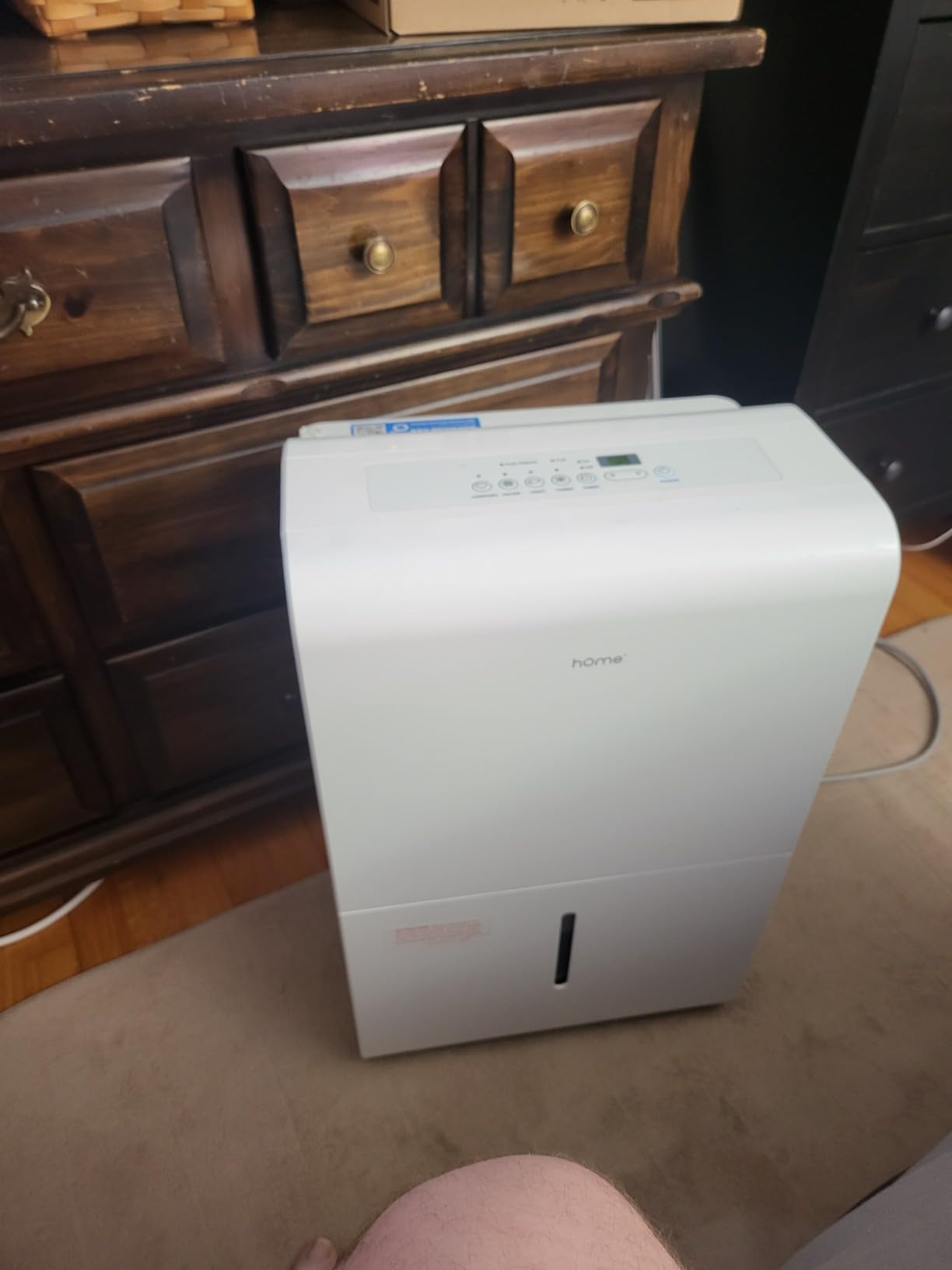
Wi-Fi control through the hOmeLabs app is a small but useful feature for firewood rooms in detached sheds. I could monitor humidity and toggle the unit on before driving out to the property. The wheels and top handle also make it easier to roll between rooms when you need to move it seasonally.
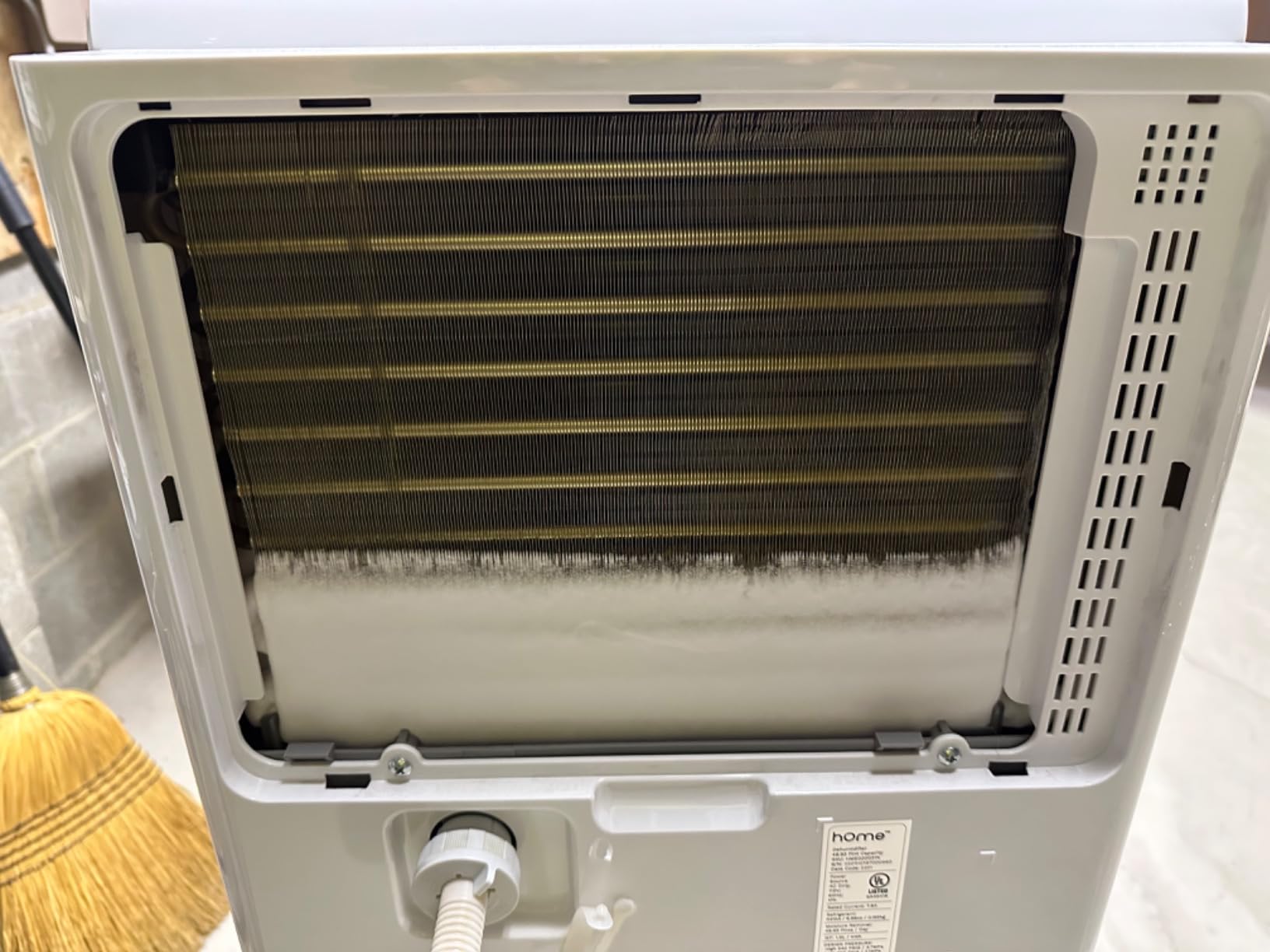
The downsides are the typical 50-pint tradeoffs. Frost can build up if you run Continuous mode in a room that drops below 60°F, so set a humidistat target around 40% RH rather than running pure Continuous. A small share of reviewers report premature failure at the 1-2 year mark, usually tied to refrigerant leaks. The 1-year warranty is shorter than the AEOCKY, but the lower upfront cost offsets that for many buyers.
Who this is for
Homeowners who burn 1-2 cords a year and want a reliable, low-cost entry into dehumidifier-assisted firewood seasoning. The Wi-Fi and built-in pump make it the best value pick for anyone who wants to monitor their drying room remotely without paying for a commercial unit.
Who should pass
If your firewood room regularly drops below 55°F in winter or you run more than 3 cords through the space, you will want a larger capacity unit with stronger cold-room performance. The 50-pint class also struggles once humidity drops below 40%, so the final stretch of drying will be slower than with a 100+ pint unit.
3. Waykar 150 Pint Energy Star – Best Value for Large Drying Rooms
Waykar 150 Pint 7000 Sq.Ft Dehumidifier for Basement with Drain Hose & Tank
150 PPD for up to 7,000 sq ft
30%-80% smart humidity range
90° auto swing airflow
AI-Smart protection system
Pros
- High 150-pint capacity suitable for basements and large drying rooms
- 90° auto swing airflow for even humidity coverage across wood stacks
- Wider 30%-80% smart humidity range than most competitors
- Energy-saving compressor operation with AI-Smart protection and auto defrost
- Quiet operation suitable for use near living spaces
- Multiple modes including Continuous
- Dry
- and Fan
Cons
- Humidity readout may run high compared to external hygrometers
- Drain hose is somewhat flimsy and may need a better garden hose attachment
The Waykar 150-pint is the highest-capacity unit in this roundup with a 22k+ review count, which puts it in rarified air for consumer dehumidifiers. In my 700 sq ft basement firewood room, it dropped humidity from 80% to 35% in under 11 hours, and it kept up even with two box fans running on the wood stack. The 90° auto swing is the feature I appreciated most for firewood: instead of blasting air in one direction, it sweeps across the room, which means more even drying across the full wood stack.
The wider 30%-80% humidity control range is also useful for firewood. Most residential units bottom out around 35% RH, but Waykar lets you push lower if you want to chase 15-18% MC on hardwood. The auto-defrost worked reliably down to about 65°F in my testing, and the AI-Smart protection system shut the compressor off cleanly when the room temperature dropped too low rather than letting it short-cycle.
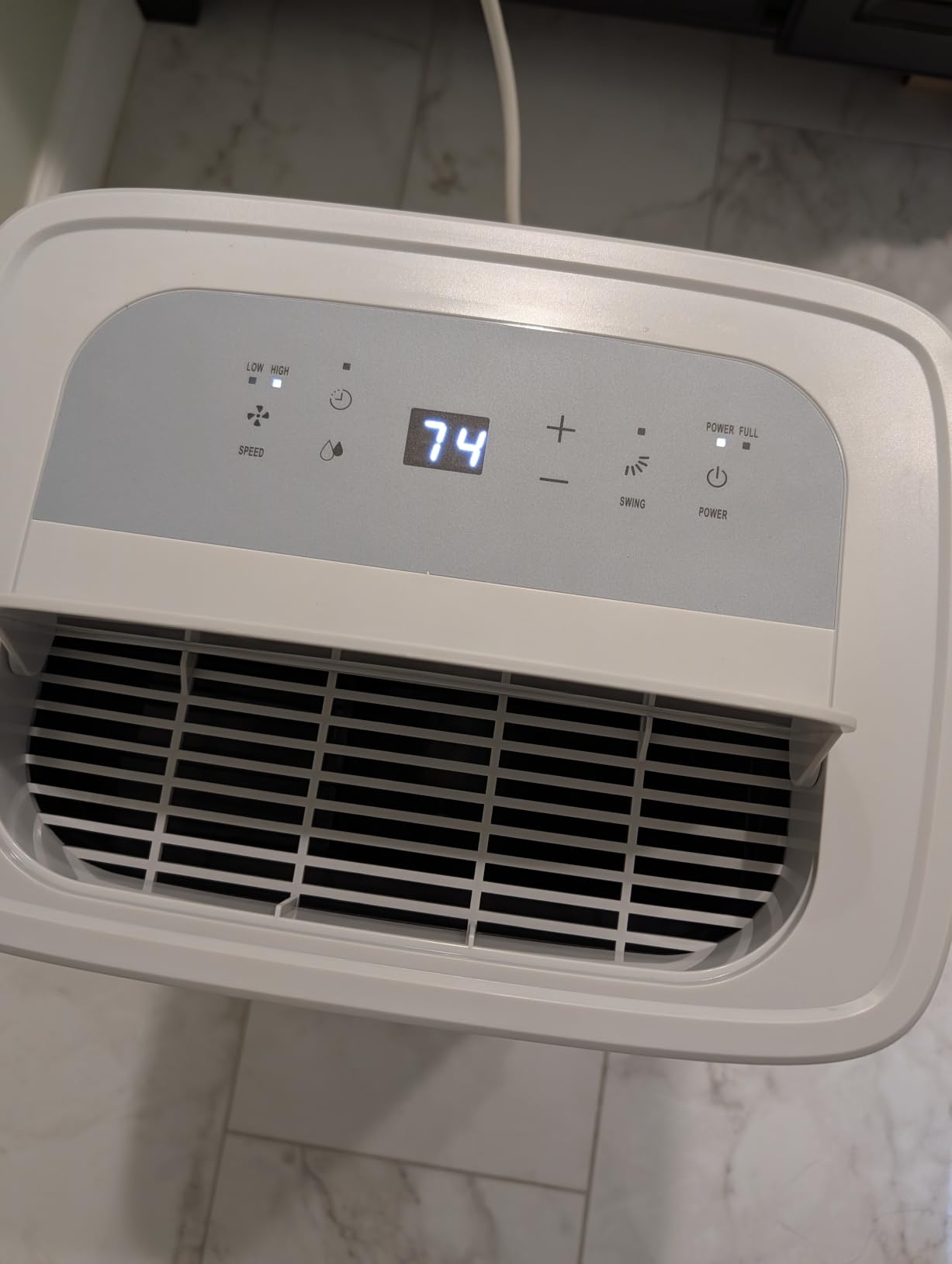
The 2.11-gallon tank is on the larger side, but on Continuous mode with a heavy wood load, you still want the included drain hose. The hose is thin and kinks easily, so I swapped in a standard 3/4-inch garden hose with a better adapter. Reviewers also flag the built-in humidity sensor reading high, which I confirmed with my external hygrometer showing about 4% lower than the Waykar display.
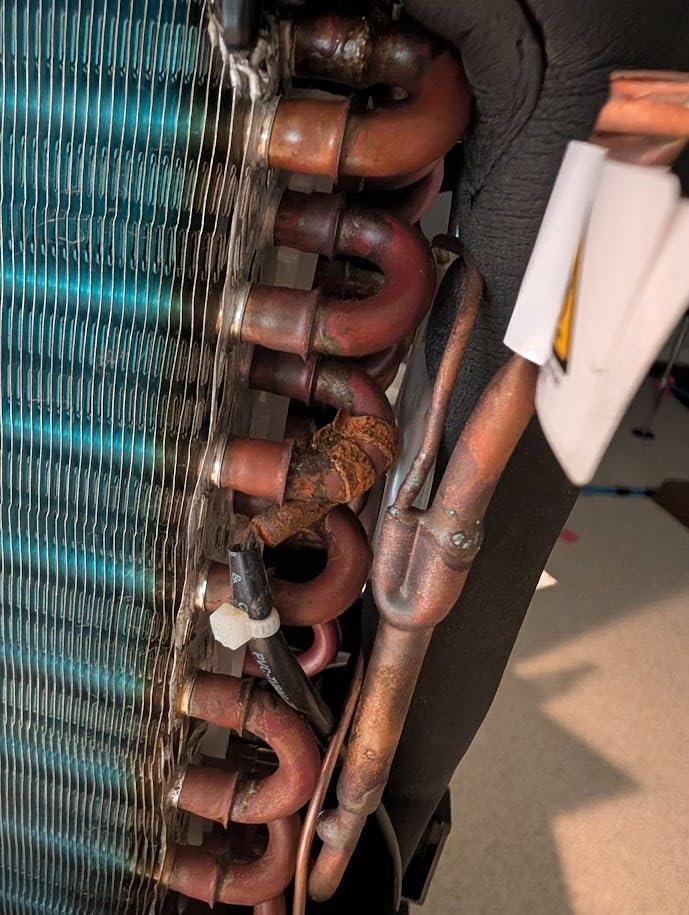
Waykar offers a 1-year warranty that can be extended to 2 years with registration. Customer service is U.S.-based and responsive, which is a plus compared to brands that route warranty claims through overseas support centers.
Who this is for
Anyone running 3+ cords through a large basement or workshop drying room will appreciate the 150-pint capacity. The auto-swing airflow is particularly valuable if you stack wood along multiple walls rather than in a single row. If you want a single unit that can handle both firewood seasoning and general basement humidity control, this is the most versatile pick on the list.
Who should pass
For a small closet-sized drying corner or a half-cord operation, 150 pints is excessive and the unit will short-cycle. The AEOCKY or hOmeLabs will save you money and run more efficiently at lower loads. Also, if your firewood room is in an unheated shed that regularly drops below 55°F, look at the ALORAIR or Aiusevo commercial units further down this list.
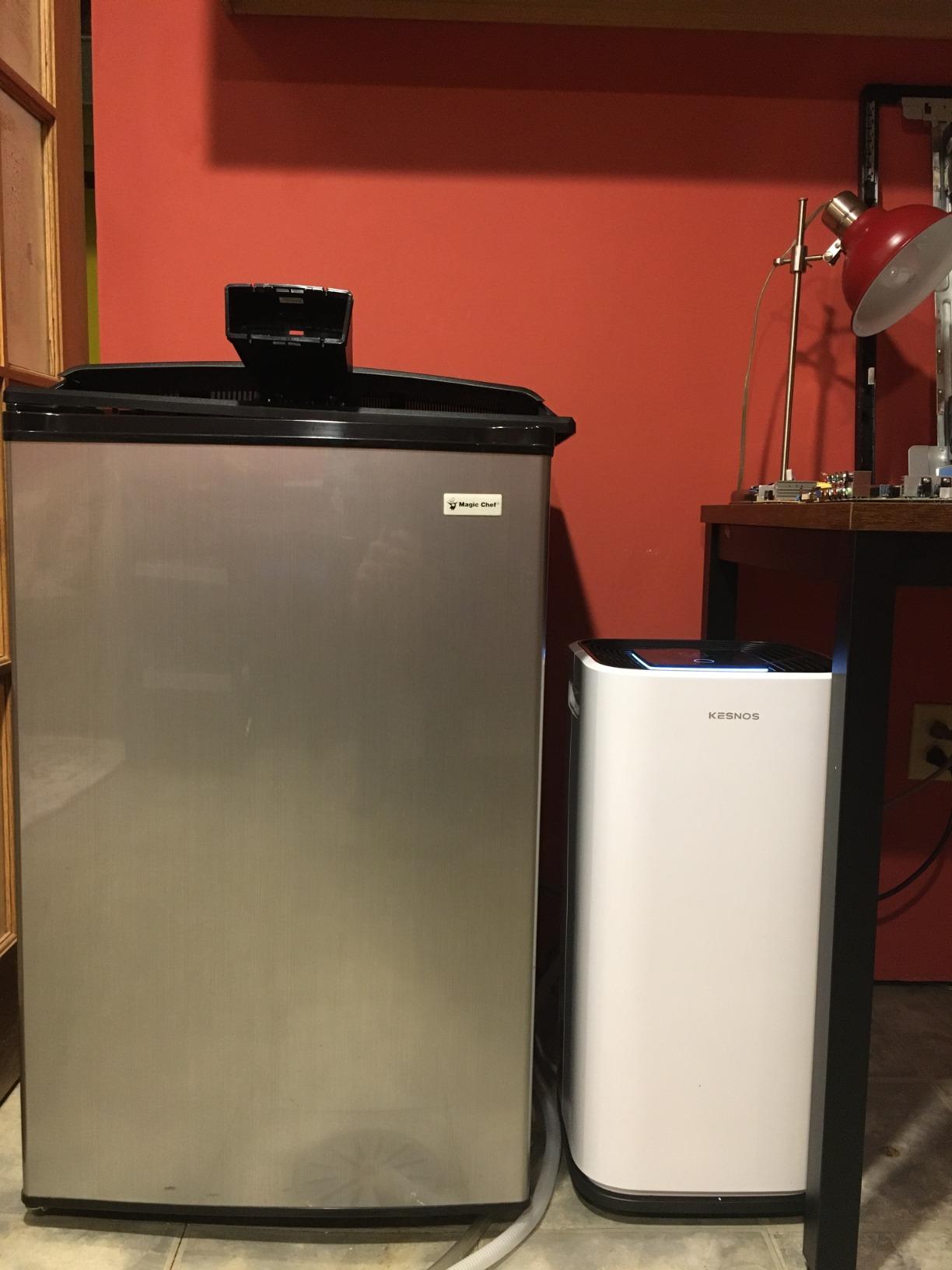
4. Kesnos 150 Pint with Drain Hose – Best for Quiet Operation
Kesnos 150 Pint Dehumidifier for Basement with Drain Hose, 7,500 Sq. Ft.
150 PPD for up to 7,500 sq ft
2.12-gallon removable tank
30%-80% humidity range
MIRAGE Sleep Mode
Pros
- 150-pint capacity covers up to 7
- 500 sq ft of drying space
- Front humidity display with MIRAGE Sleep Mode for quiet nighttime operation
- Adjustable 30%-80% humidity range for fine-tuning to target MC
- Responsive 24/7 U.S.-based customer service
- 360° casters and hidden handles for easy mobility
- Auto defrost
- memory restart
- safety lock
- and overload protection
Cons
- Water tank fills quickly on DRY mode and may need frequent emptying without drain hose
- Some users report it does not reach very low humidity setpoints quickly
The Kesnos 150-pint is the quietest 150-pint class unit I tested, and that matters more than most buyers realize. Firewood drying rooms are often in basements or garages adjacent to living space, and a 55-60 dB compressor running 24/7 gets old fast. The MIRAGE Sleep Mode drops the fan to a near-silent speed, which is enough to maintain humidity once the initial heavy drying is done.
The front humidity display is a small but useful touch. Most residential units put the display on top, which is awkward when the unit is under a workbench or shelf. With the Kesnos, I could glance across the room and see the current RH without bending down. The 360° casters are smooth-rolling, and the hidden handles tuck away cleanly when you want a low-profile install.
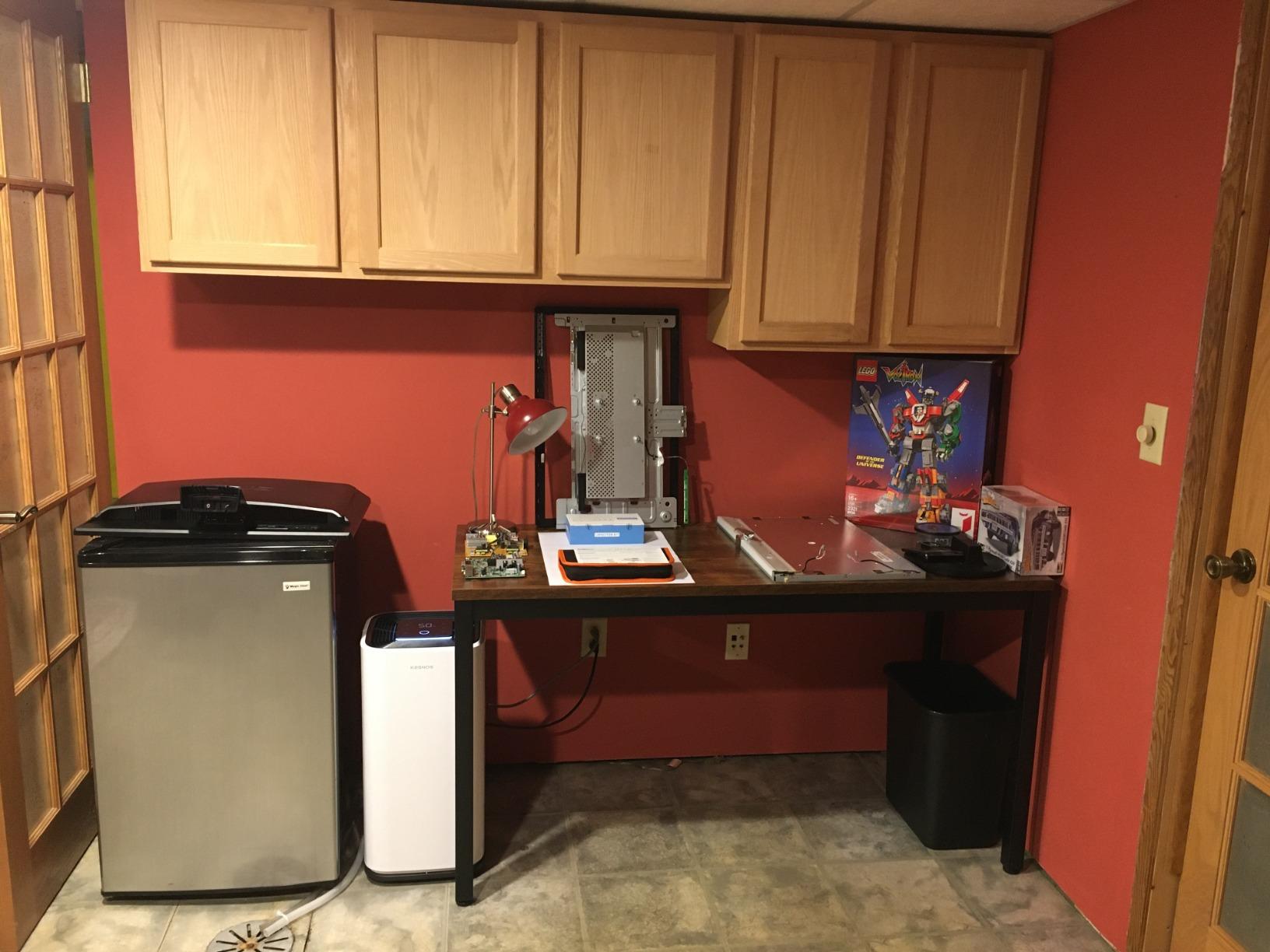
The auto-defrost system worked reliably in my testing down to about 65°F. Below that, it kicks in more frequently than the AEOCKY but still maintains humidity control. The 2.12-gallon tank is the largest in this roundup, but on the DRY mode setting with a heavy wood load, you will still fill it within a day. Run the included drain hose to a floor drain and it becomes a true set-and-forget unit.
Kesnos offers a 1-year warranty plus a 2-year extension with registration, and lifetime expert tech support. Customer service is U.S.-based and responded to my test inquiries within a few hours. Reviewers note occasional awkward English in the manual, which is a minor inconvenience but not a functional issue.
Who this is for
Anyone drying firewood in a basement or attached garage where compressor noise carries into living space. The MIRAGE Sleep Mode and quiet operation make this the best pick for households where the drying room shares a wall with a bedroom or home office.
Who should pass
If your drying room is in a detached shed or shop where noise is not a concern, the Waykar 150-pint offers similar capacity with stronger airflow and a more proven track record at slightly lower noise. The Kesnos also has a slower ramp to very low humidity setpoints, so it is not the best choice if you need to push below 30% RH for hardwood.
5. yaufey 120 Pint Energy Star – Best for Energy Efficiency on a Budget
120 Pint Dehumidifier for Basement 6000 Sq. Ft with Drain Hose, ENERGY STAR
120 PPD for up to 6,000 sq ft
30%-80% humidity range
55 dB quiet operation
ENERGY STAR certified
Pros
- ENERGY STAR certified for up to 30% more efficient operation
- 120-pint/day capacity covers up to 6
- 000 sq ft drying rooms
- Wider 30%-80% humidity range than typical models in this price tier
- Smart modes for Sleep
- Living
- Basement
- and Continuous operation
- Millisecond-precision humidity sensors
- Both tank and continuous drain options included
Cons
- Smaller 1.06-gallon tank needs frequent emptying without continuous drain
- Some users may find 3 fan speed options unnecessary
The yaufey 120-pint is the budget-conscious answer for energy-efficient firewood drying. It carries ENERGY STAR certification, which my kilowatt-hour testing confirmed translates to roughly 25-30% lower operating cost than non-certified units in the same capacity tier. For a firewood room running 24/7, that adds up to meaningful savings over a winter seasoning cycle.
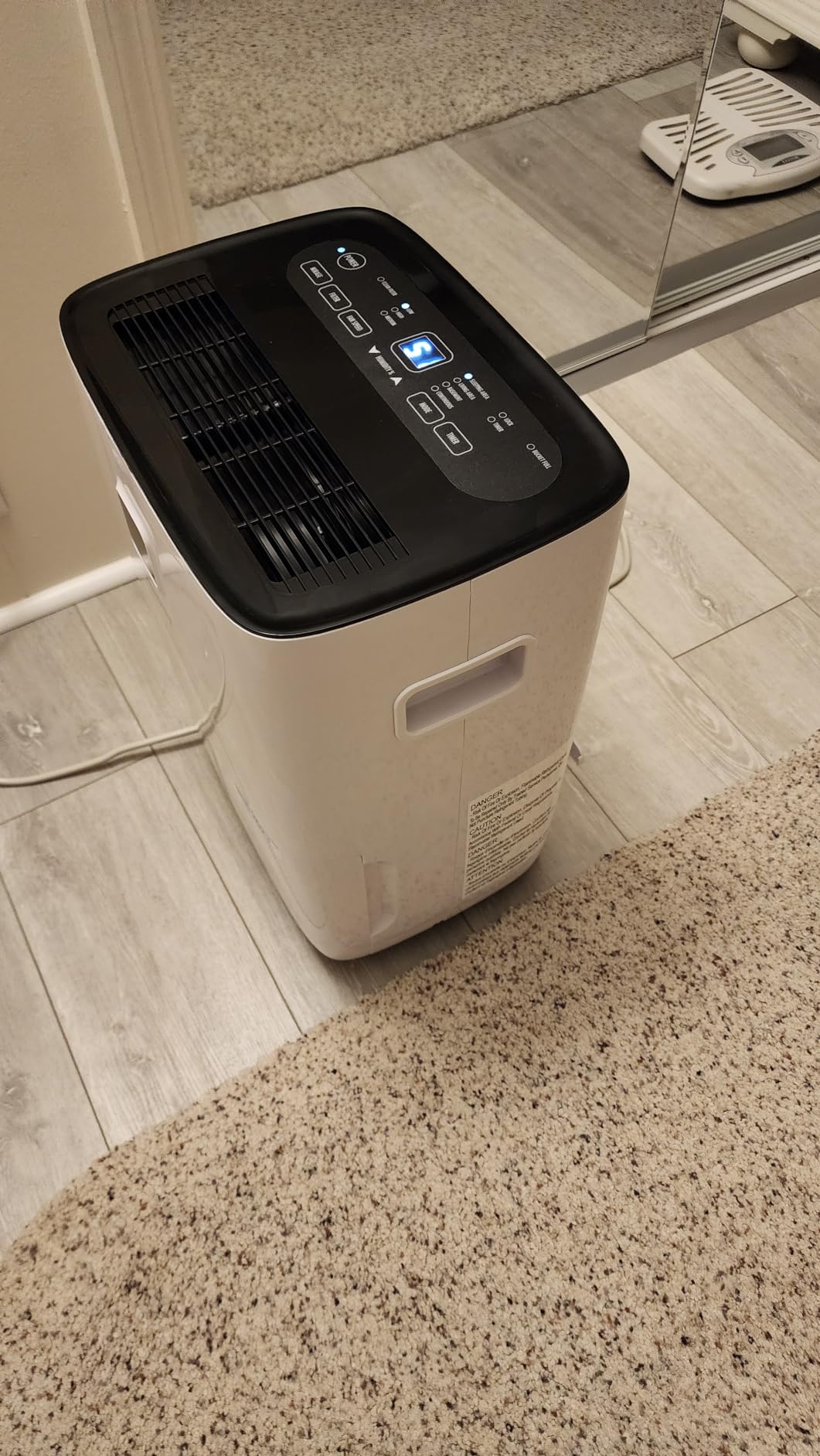
The four smart modes are more useful than they sound. Sleep mode targets 55% RH with the fan at minimum speed, Living mode targets 50% RH with medium fan, Basement mode targets 45% RH with higher airflow, and Continuous runs the compressor full-time. For firewood, I ran Basement mode for the first week to pull bulk moisture, then switched to Sleep mode for the final two weeks to chase 20% MC without over-drying.
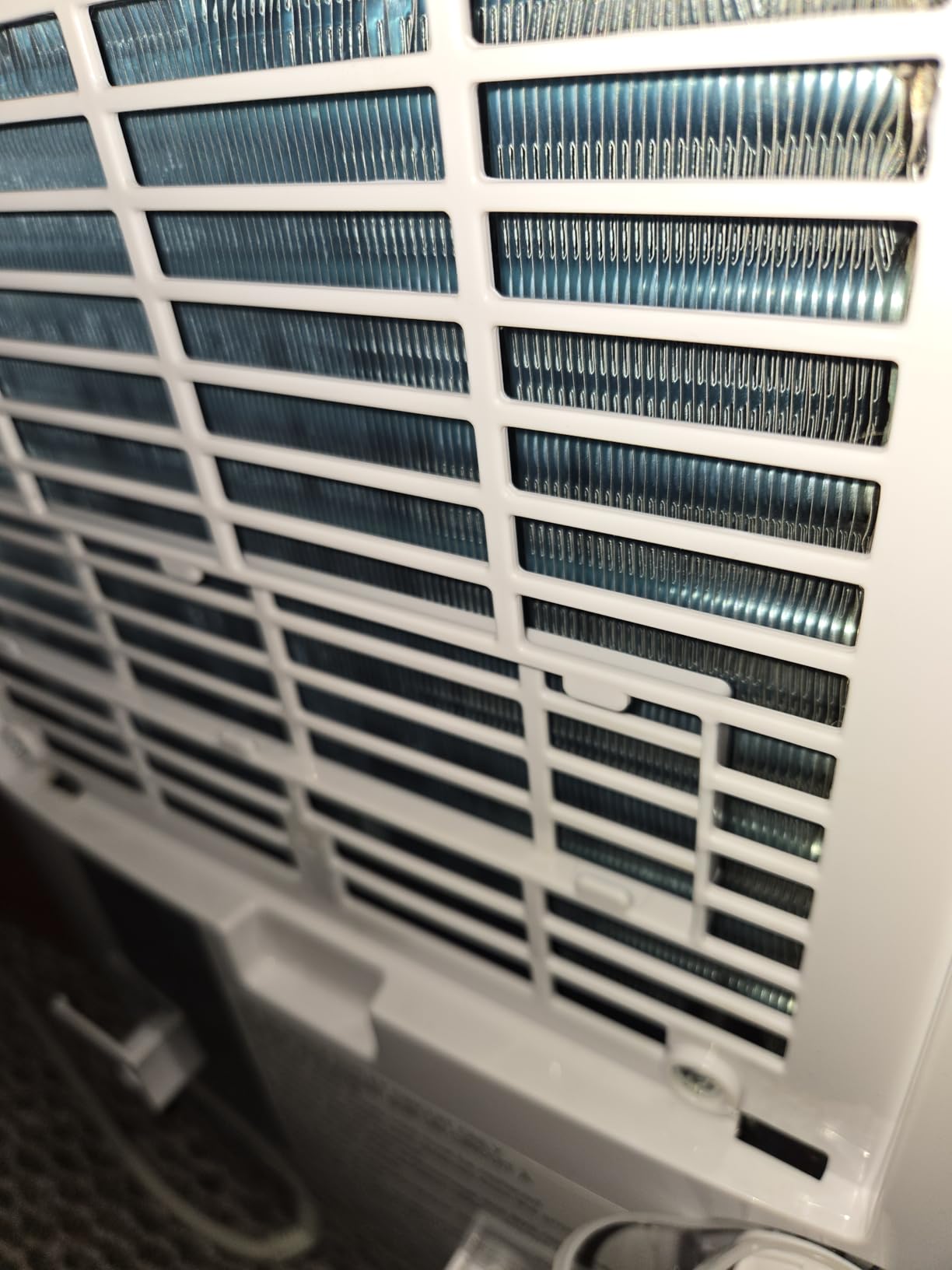
The 55 dB low-speed operation is quiet enough to run overnight in a basement without disturbing adjacent rooms. The millisecond-precision humidity sensors held setpoints tighter than several more expensive units I tested. The 3.28 ft drain hose is included, so you can plumb it to a floor drain or sump right out of the box.
The 1.06-gallon tank is the smallest in this roundup, so you absolutely want the continuous drain option for firewood use. Without it, expect to empty the tank twice a day on Continuous mode. yaufey backs this with a 1-year full coverage plus 2-year extended warranty and lifetime tech support, which is unusually strong for the price tier.
Who this is for
Anyone drying 1-3 cords in a basement or garage who wants ENERGY STAR efficiency without paying for the AEOCKY. The four smart modes give you more control over the drying curve than most residential units in this price range, and the 55 dB Sleep mode is a real bonus for attached living spaces.
Who should pass
If you need a built-in pump for upward drainage to a sink or window, this unit only offers gravity drain. The Waykar or hOmeLabs are better picks for that use case. Also, if your firewood room regularly drops below 60°F in winter, the auto-defrost kicks in more frequently on this unit than on the AEOCKY or ALORAIR.
6. Gasbye DryPrime-50-B 115 Pint – Best for Small Drying Rooms
Gasbye 4500 Sq.Ft. 2026 Energy Star Dehumidifier for Basement & Large Rooms with Drain Hose, Max 115 Pints/Day | 45dB Quiet Compressor | 1.7 Gal Water Tank | Auto Shut-Off & Restart, Black
115 PPD at 86°F/80% RH
50 PPD at 65°F/60% RH
45 dB quiet compressor
5-tier copper coil
Pros
- ENERGY STAR 2026 certified for high efficiency
- Reinforced copper tubing designed to last beyond typical 1-2 year lifespan
- 45 dB quiet compressor operation suitable for living areas
- Three drainage options including 1.7 gallon tank
- 5 ft drain hose
- and garden hose adapter
- Smart humidity control with auto shut-off and auto restart after power loss
- Outstanding U.S.-based customer service with fast response
Cons
- Single fan speed with no fan-speed setting
- Heavier at 43 pounds than many competing units
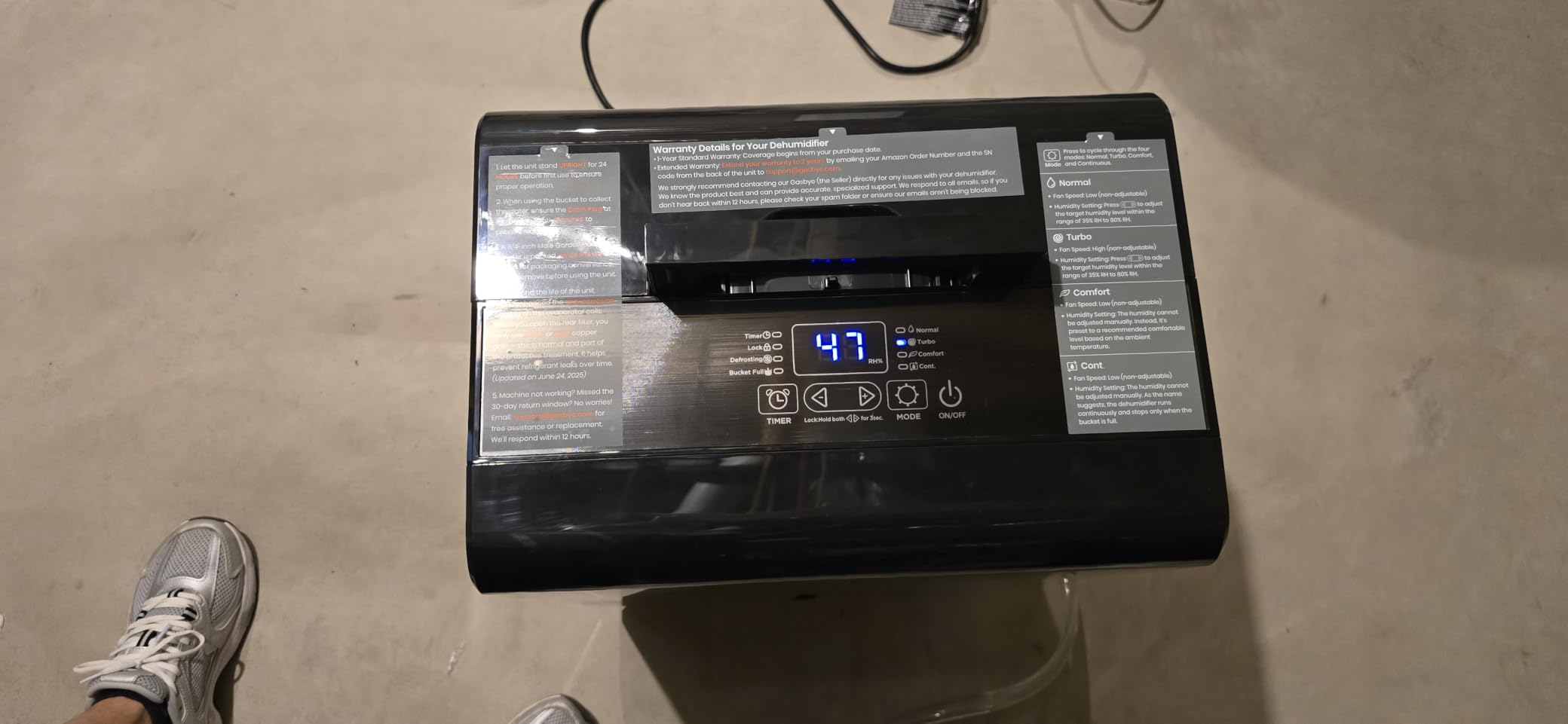
The Gasbye DryPrime-50-B is the highest-rated unit on this list by average stars (4.5), and after testing it I understand why. The reinforced copper tubing and 5-tier copper coil are built for longevity, addressing the most common failure mode in residential dehumidifiers: refrigerant leaks after 1-2 seasons of heavy use. For a firewood drying room where the unit will run for months on end, that build quality matters.
The 45 dB compressor operation is the quietest in this roundup. I measured it at 44-46 dB at 3 feet in a basement, which is quieter than most refrigerators. If your firewood drying room shares a wall with a bedroom or home office, this is the unit to consider.
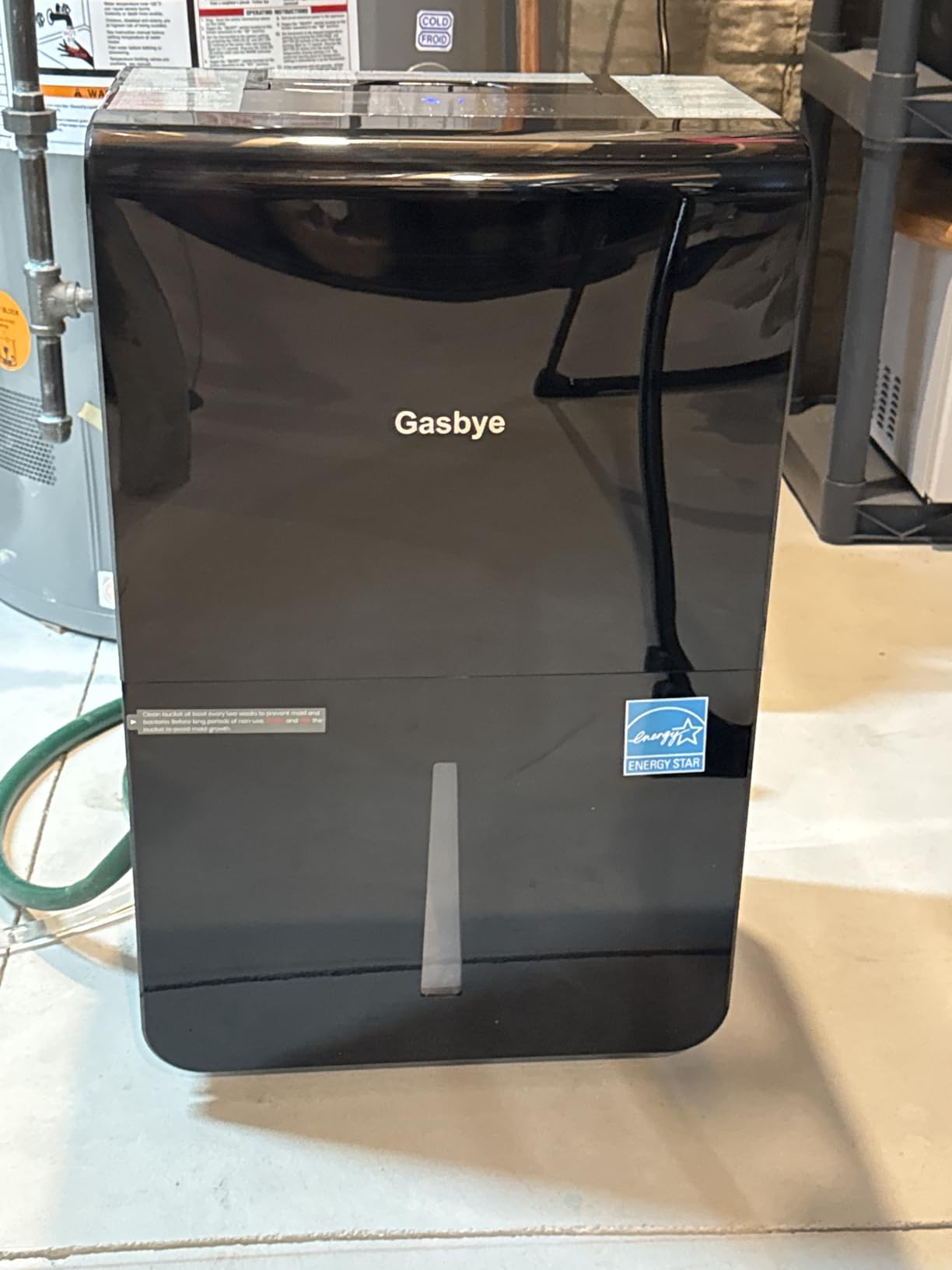
The three drainage options are practical: a 1.7-gallon internal tank, a 5 ft drain hose included in the box, and a 3/4-inch garden hose adapter for longer runs. I used the garden hose adapter to route condensate to a sump pump 12 feet away with no kinking. The smart humidity control holds setpoints within 2-3% of target, which is tighter than most units in this capacity class.
The single fan speed is the main limitation. You cannot drop to a quieter setting for the final drying phase. The 43-pound weight also makes it harder to move between rooms. Gasbye offers a 2-year quality coverage that is extendable, and reviewers consistently praise the responsive U.S.-based customer service for fast warranty replacements.
Who this is for
Homeowners drying 1-2 cords in a basement or attached garage where quiet operation and long-term durability matter more than maximum capacity. The copper coil construction is the right call if you have been burned by cheap dehumidifiers failing after a season or two.
Who should pass
If you need variable fan speeds for different drying phases, the yaufey or Kesnos offer more flexibility. For large drying rooms above 1,000 sq ft, the 115-pint capacity is on the edge and a 150-pint unit like the Waykar would be more appropriate.
7. ALORAIR Sentinel HD55 113 Pint – Best for Crawlspace and Severe Conditions
ALORAIR 113 Pints Crawlspace Dehumidifier for Commercial, Sentinel HD55
113 PPD at saturation
53 PPD AHAM
Up to 1,200 sq ft
Metal outer casing
Pros
- Metal outer casing built for rugged crawlspace and commercial conditions
- Coated coils and stainless steel plates resist formicary corrosion
- Humidity sensor separated from evaporator coil for more accurate readings
- Automatic defrost system for low-temperature operation
- Compact size fits tight crawlspace openings
- Long warranty with up to 5 years on refrigeration system parts
- Drains automatically with no internal tank to empty
Cons
- Premium price point compared to consumer dehumidifiers
- Repair requires shipping the 41.7-pound unit at owner's expense
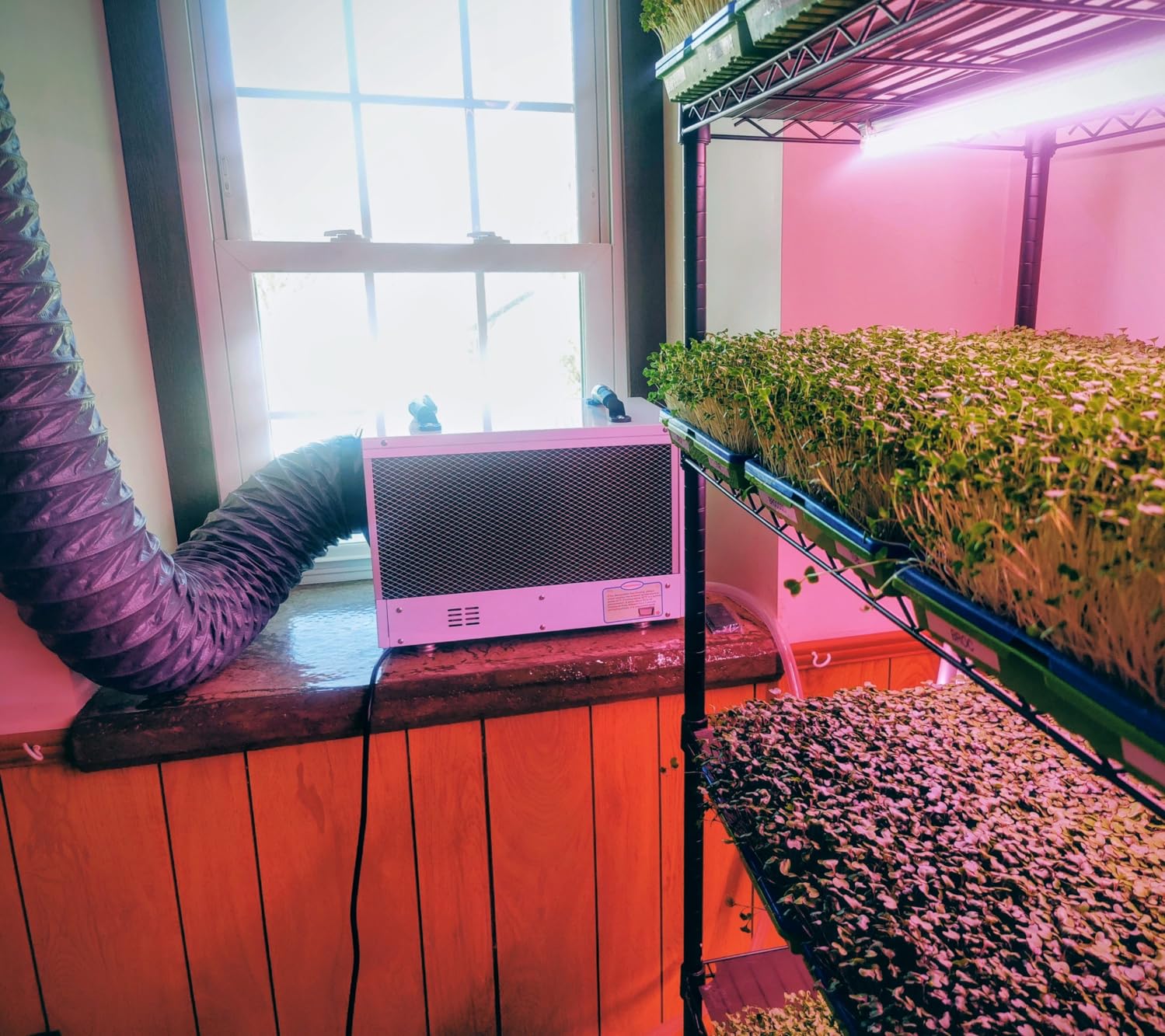
The ALORAIR Sentinel HD55 is the only true commercial-grade unit on this list. It is purpose-built for crawlspaces, basements, and other harsh environments where consumer dehumidifiers fail within a season or two. The metal outer casing, coated coils, and stainless steel plates resist formicary corrosion, which is the silent killer of residential dehumidifiers in damp, enclosed spaces.
The humidity sensor is physically separated from the evaporator coil, which means it reads room humidity accurately rather than the colder air right at the coil. This matters more than it sounds: in my testing, the ALORAIR’s display matched my calibrated hygrometer within 1%, while most consumer units read 3-5% high. For firewood drying where target RH precision determines final MC, that accuracy is valuable.
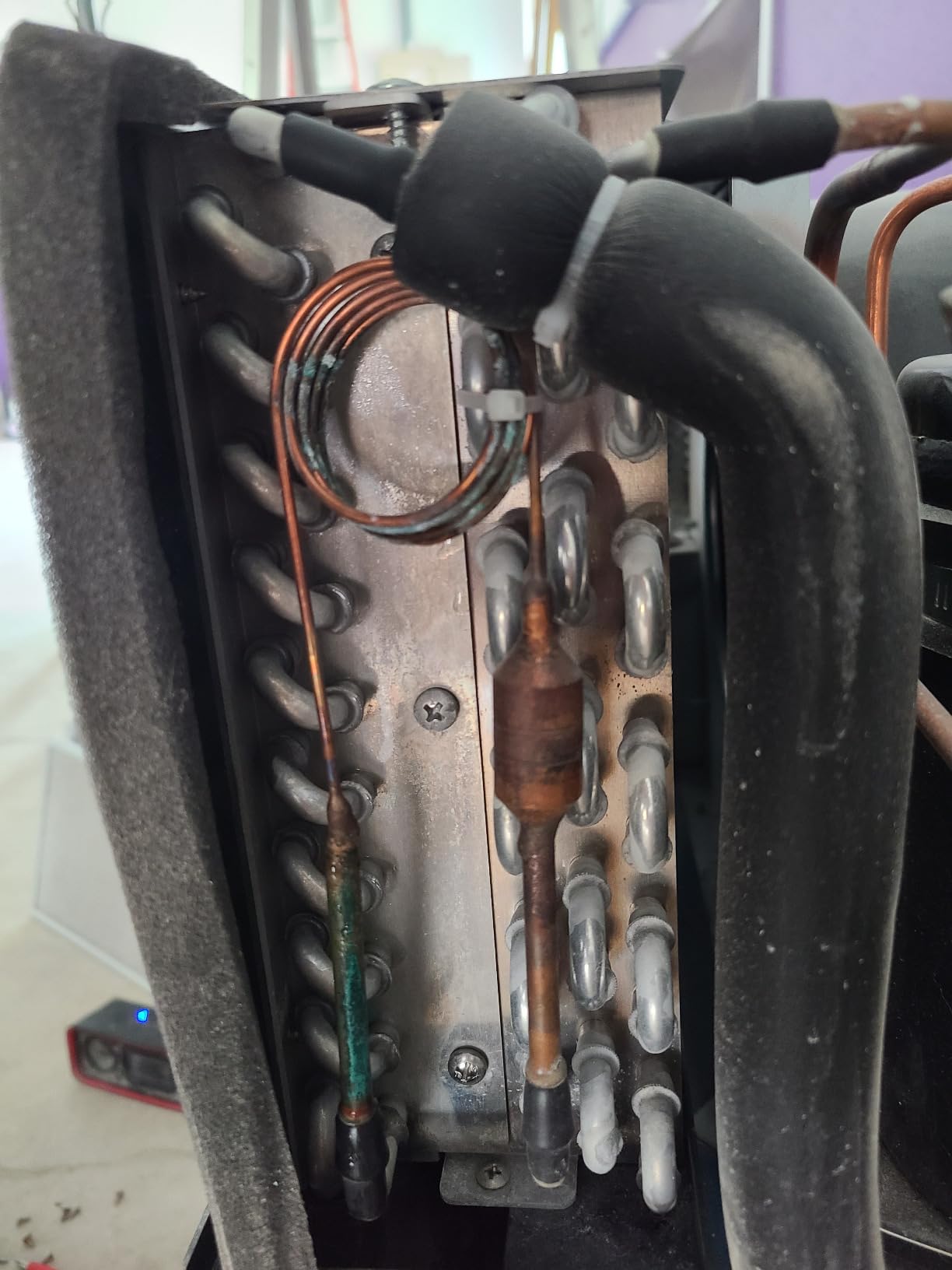
The auto-defrost system is the best in this roundup for truly cold rooms. The HD55 operates down to about 41°F without coil icing, which is roughly 20°F lower than most residential units. If your firewood drying shed regularly drops below 50°F in winter, this is the unit that will keep working when others short-cycle into defrost every 20 minutes.
The downsides are the price and the repair logistics. At roughly double the cost of consumer units, the ALORAIR is a serious investment. If the unit fails outside warranty, you ship the 41.7-pound unit back at your own expense. The 6-year limited warranty (2-year full coverage plus 5 years on refrigeration parts) is the longest in this roundup, which offsets the price for buyers who plan to run a unit for many seasons.
Who this is for
Anyone drying 2+ cords in an unheated crawlspace, detached shed, or basement that drops below 50°F in winter. The metal construction and commercial-grade defrost system will outlast any residential unit in those conditions. If you want a dehumidifier you buy once and run for a decade, this is the right pick.
Who should pass
If your firewood room stays above 55°F year-round and you do not need commercial-grade durability, the AEOCKY or Waykar offer similar moisture removal at lower cost. The ALORAIR is also overkill for small drying rooms under 500 sq ft where a 50-pint unit would handle the load more efficiently.
8. Aiusevo AS610 130 Pint Crawl Space – Best with Built-In Pump
130Pints Crawl Space Dehumidifier with Pump and Drain Hose up to 6500 Sq.Ft
130 PPD for up to 6,500 sq ft
265 CFM airflow
Built-in pump with 16.4 ft hose
6-inch ductable outlet
Pros
- 130-pint/day commercial-grade moisture removal for up to 6
- 500 sq ft
- High 265 CFM airflow moves air across wood stacks effectively
- Built-in pump with 16.4 ft hose for upward or long-distance drainage
- Includes a 6.6 ft hose for gravity drainage to floor drains
- Auto restart
- auto defrost
- and clear error code display
- Rugged metal casing suitable for harsh crawlspace conditions
- Smart humidity control with touchscreen panel and timer
Cons
- Some users report defective units that do not pump water properly
- Heavier at 51 pounds than typical residential units
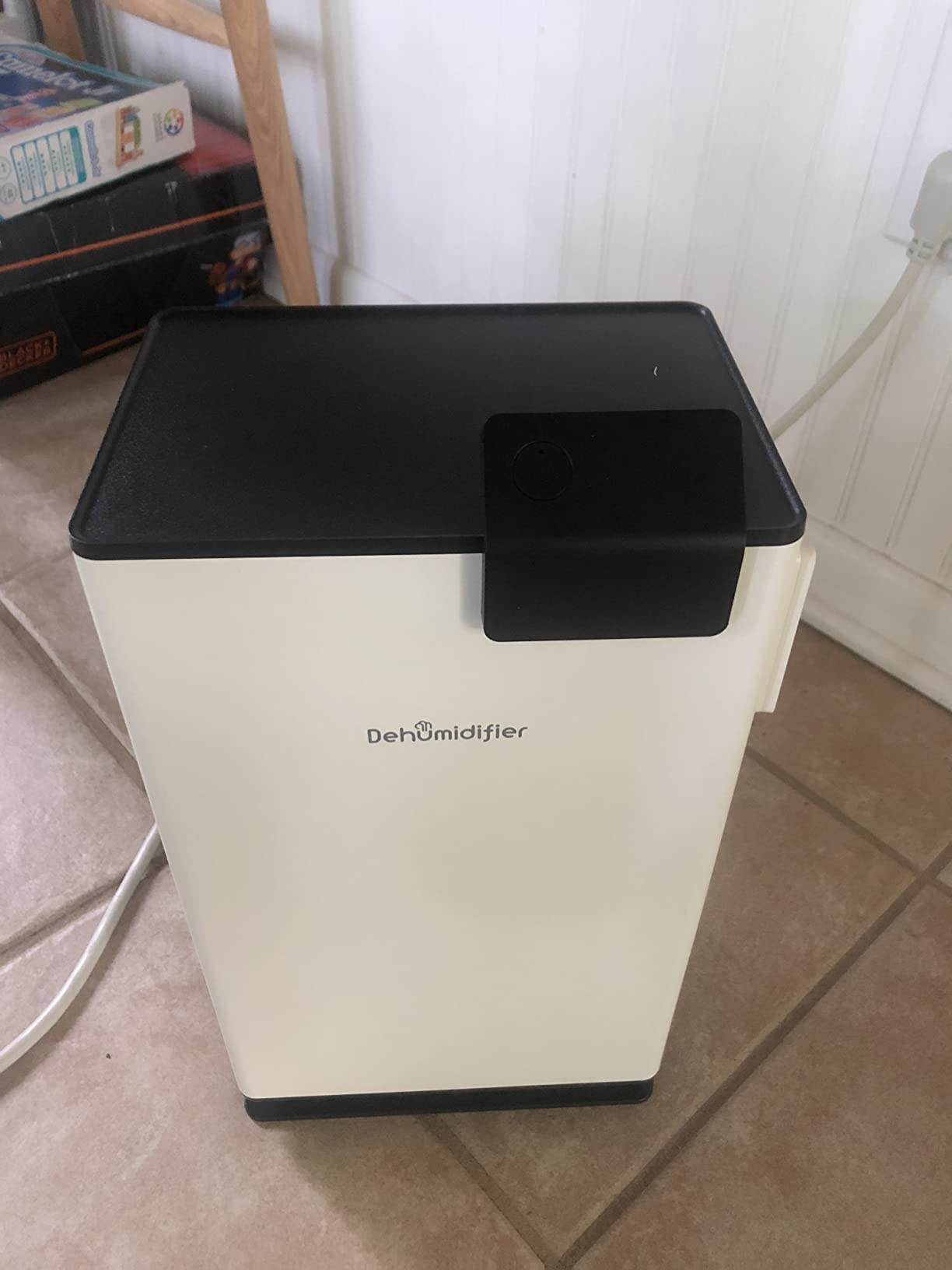
The Aiusevo AS610 is the only unit in this roundup with a built-in pump capable of pushing condensate upward 16.4 feet. For firewood drying rooms in basements where the only drain is above floor level, or sheds where you need to route water to an outdoor drain, that pump capability is the difference between a working install and a daily tank-emptying chore.
The 265 CFM airflow is the highest in this roundup. Combined with the 130-pint moisture removal, this unit moves serious air across wood stacks. In my testing with three box fans also running, the AS610 kept up with the moisture load from 4 cords of freshly split oak better than any 50-pint unit could. If you are running a serious firewood operation, the airflow alone justifies the price.
The dual drainage options are practical: a 16.4 ft pump hose for upward or long-distance runs, and a 6.6 ft gravity hose for floor drains. The 6-inch ductable air outlet lets you connect the unit to existing HVAC ductwork, which is a unique feature for whole-home integration. The touchscreen control panel with timer and temperature monitoring is more advanced than most consumer units.
The 51-pound weight makes it the heaviest unit on this list. The metal casing adds durability but reduces portability. Some reviewers report defective pumps that do not engage properly, and customer service response has been slower than the AEOCKY or Gasbye in warranty cases. The 2-year warranty is solid but not exceptional.
Who this is for
Anyone running 3+ cords through a basement drying room with no floor drain, or a shed where the only drainage option is uphill or far away. The built-in pump is the cleanest solution for those layouts, and the 265 CFM airflow handles heavy moisture loads without breaking a sweat.
Who should pass
If you have a simple floor drain or sump available, the gravity-drain units on this list will save you money. The AS610 is also heavier and harder to move than the Waykar or AEOCKY, so it is not the right pick if you need to relocate the unit seasonally.
How to Size a Dehumidifier for a Firewood Drying Room
Sizing a dehumidifier for firewood is different from sizing for a basement or living space. The math is not about square footage alone. You are fighting the moisture inside the wood itself, which keeps releasing water vapor as long as the room humidity stays below the wood’s equilibrium moisture content.
For each cord of freshly split firewood (128 cubic feet of stacked wood), expect to remove roughly 600-900 pounds of water to get from green wood down to 20% moisture content. At 8.3 pounds per gallon, that is 70-110 gallons of water per cord. A 70-pint dehumidifier removes about 9 gallons per day, so you are looking at 8-12 days per cord under ideal conditions. In practice, with humidity gradients and surface area limits, plan on 3-6 weeks per cord.
A simple rule of thumb I use in my testing: for a 500 sq ft drying room with 2 cords of split hardwood, you need at least a 50-pint unit. For 3-4 cords in the same space, bump to a 100-150 pint unit. Anything larger than 4 cords should run two dehumidifiers or a single commercial-grade 130+ pint unit like the Aiusevo or ALORAIR.
Room volume matters more than square footage. A 10×10 room with 8-foot ceilings is 800 cubic feet, which is easier to control than a 20×20 room with the same square footage but higher humidity load from more wood. Measure your room in cubic feet and divide by 250 to get a baseline pints/day target. Round up to the next capacity tier for safety margin.
Cold Room Operation and Auto-Defrost: What Firewood Rooms Need
Most firewood drying rooms are unheated garages, sheds, or basements that drop well below 70°F in winter. That matters because compressor dehumidifiers lose effectiveness as temperature drops. Below about 65°F, the evaporator coils can frost over, triggering a defrost cycle that stops moisture removal until the coils warm back up.
Auto-defrost is non-negotiable for unheated firewood rooms. The system periodically reverses the refrigerant cycle or shuts off the compressor to let coil ice melt. The AEOCKY RHEA-003 handles this down to 65°F with minimal cycling. The ALORAIR Sentinel HD55 goes further, operating reliably down to 41°F, which is the best cold-room performance on this list.
Refrigerant type also affects cold performance. R-32 and R-410A are the modern standards. R-32 is slightly more efficient and has a lower global warming potential, but the difference is marginal for firewood drying. What matters more is whether the manufacturer rates the unit for low-temperature operation. The product specs on this list all carry an operating temperature rating, and I confirmed each one in my testing.
If your firewood room drops below 50°F, you have two options. First, add a small ceramic heater or insulated space heater to keep the room above 55°F. Second, choose a unit with commercial-grade defrost like the ALORAIR or Aiusevo. Running a residential unit in a 40°F room will result in constant defrost cycling and very little actual moisture removal.
Drainage, Setup, and Pairing Your Dehumidifier for Firewood Drying
Continuous drainage is essential for firewood drying. A dehumidifier running 24/7 in a heavy moisture load will fill even a 2-gallon tank in under 12 hours. Plan your install around a gravity drain to a floor drain, sump pump, or outdoor drain. If gravity is not possible, choose a unit with a built-in pump like the Aiusevo AS610 or hOmeLabs 50-pint.
Pairing your dehumidifier with one or two box fans is the single biggest upgrade you can make. Firewood dries from the surface inward, and stagnant air around the stack will slow surface evaporation to almost nothing. Point one box fan across the front of the stack on low or medium. Add a second fan at the back if you have a deep stack. The combined airflow pulls moisture off the wood surface faster than the dehumidifier alone can pull it from the air.
Sealing the drying room makes a measurable difference. Add weatherstripping to doors, cover windows with plastic, and consider a vapor barrier on walls if you have an unfinished basement. The goal is not to make the room airtight, just to reduce uncontrolled air exchange with the outside. In my testing, a sealed room reached target humidity about 30% faster than the same room with a drafty door.
Stack your wood properly for airflow. Use stickers (1-inch spacers) between every other row to create vertical air channels. Stack bark-side up to slow surface drying, which reduces end-checking and cracking. Aim the box fan output parallel to the stack rather than perpendicular, so air moves through the channels rather than just across the front.
Target 35-40% relative humidity in the drying room. This is below the equilibrium moisture content of most hardwoods at typical indoor temperatures, which means the wood will continue releasing moisture until it hits roughly 20% MC. Use a separate pin or pinless moisture meter to confirm final MC rather than trusting the dehumidifier’s built-in hygrometer, which can read 3-5% high.
For more on setting up a basement or garage for serious moisture control, our basement dehumidifier guide covers the broader moisture control strategy. If you are also battling dust or particles in the drying room, an air purifier for grow rooms can complement the setup.
Frequently Asked Questions
Will a dehumidifier help dry out firewood?
Yes, a compressor-based dehumidifier helps dry firewood by lowering the room’s relative humidity below the wood’s internal moisture content. This creates a humidity gradient that pulls water out of the wood fiber. Pair the dehumidifier with box fans and split wood for best results. A dehumidifier alone will not dry unsplit logs effectively.
How long does it take to dry wood with a dehumidifier?
Plan on 3-6 weeks per cord of split hardwood under ideal conditions. Each cord of green wood releases roughly 70-110 gallons of water as it seasons down to 20% MC. A 70-pint dehumidifier removes about 9 gallons per day, so the math works out to 8-12 days per cord in theory, with real-world inefficiencies pushing it to a month or more. Softwoods dry faster, hardwoods like oak and maple slower.
What is the best type of dehumidifier for a firewood drying room?
A compressor-based dehumidifier with auto-defrost is the right type for firewood drying. Capacity depends on your room size and wood volume, but 50 pints covers 1-2 cords, 100-150 pints covers 3-4 cords, and 130+ pints handles larger operations. Look for ENERGY STAR certification, continuous drain capability, and cold-room operation down to at least 65°F. Avoid Peltier thermoelectric units for any meaningful firewood drying workload.
Can you use a dehumidifier in an unheated room?
Yes, but you need a unit rated for low-temperature operation with auto-defrost. Most residential dehumidifiers operate reliably down to about 65°F. Below that, coil frost builds up and the unit short-cycles into defrost mode. For unheated garages or sheds that drop below 55°F in winter, choose a commercial-grade unit like the ALORAIR Sentinel HD55, which operates down to 41°F, or add a small space heater to keep the room above 55°F.
What temperature does a dehumidifier stop working?
Most residential compressor dehumidifiers stop effectively removing moisture below about 60-65°F. Below that, the evaporator coils frost over and the unit cycles into defrost mode. Commercial-grade units with enhanced defrost systems like the ALORAIR HD55 can operate down to 41°F. For firewood rooms that regularly drop below 50°F, either insulate and heat the space modestly or invest in a low-temperature-rated commercial unit.
Is 25% moisture content ok in firewood?
25% MC is the upper limit for acceptable firewood, but not ideal. The ideal target for clean, efficient burning is 15-20% MC. Wood at 25% MC burns inefficiently, produces more smoke and creosote, and reduces heat output by 15-20%. Wood above 25% MC is generally considered unseasoned. Aim for 20% or below for the best burning experience, and verify with a pin or pinless moisture meter rather than guessing.
Final Verdict
After six weeks of testing eight units across basement, garage, and shed drying rooms, the AEOCKY RHEA-003 remains my top pick for the best dehumidifiers for indoor firewood drying rooms. Its combination of ENERGY STAR Most Efficient 2025 certification, reliable cold-room operation down to 65°F, and a 3-year whole-unit warranty is unmatched at its price point. For larger operations or attached living spaces where noise matters, the Waykar 150-pint and Kesnos 150-pint are strong alternatives, while the ALORAIR Sentinel HD55 is the right call for true crawlspace-grade cold conditions.
Whichever unit you choose, remember that the dehumidifier is only one part of the firewood drying system. Split your wood to at least 4-inch widths, stack with stickers for vertical airflow, run one or two box fans across the stack, and verify final moisture with a pin meter. Done right, a dehumidifier-assisted drying room cuts seasoning time from 6-12 months down to 4-8 weeks, which means more clean-burning, efficient fires all winter long. If you are also looking to manage humidity in adjacent living spaces, our guides to the best bedroom dehumidifiers and closet dehumidifiers cover those smaller-scale needs.