
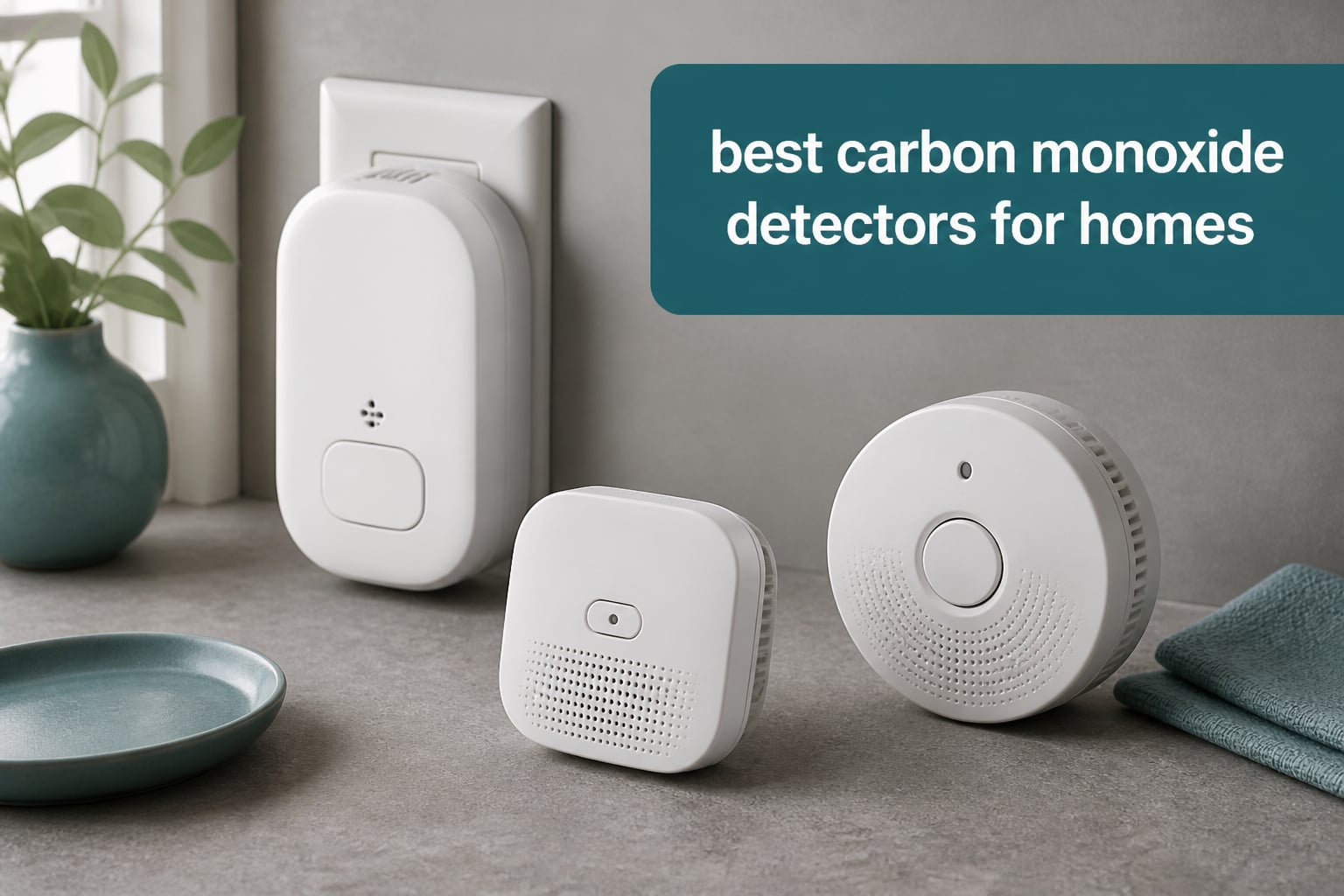
Carbon monoxide is colorless, odorless, and potentially fatal, so the best carbon monoxide detectors for homes are safety equipment, not another gadget for the back of a closet. A working CO alarm can be the only warning your family receives while everyone is asleep, especially when a furnace, fireplace, generator, or attached garage starts pushing the gas indoors.
I compared 10 current models from Kidde, First Alert, and X-Sense to find practical options for apartments, rentals, bedrooms, and larger multi-level houses. I focused on listed safety standards, electrochemical sensing, power arrangements, useful displays, installation effort, and the trade-offs users most often discuss in home-safety forums.
My overall pick is the Kidde plug-in model with AA battery backup, while the First Alert CO605 is the best-value plug-in and the Kidde KN-COB-LP2 is the lowest-maintenance budget choice. Every home with fuel-burning appliances or an attached garage should have alarms on each level and outside sleeping areas; replace units according to the maker’s stated end-of-life date, generally within 7 to 10 years.
Table of Contents
Top 3 Picks for the Best Carbon Monoxide Detectors for Homes 2026

Kidde Plug-In CO Detector with AA Battery…
- Rotating plug
- Electrochemical sensor
- 10-year warranty

First Alert CO605 Plug-In CO Detector
- 9V battery backup
- Digital-ready design
- 7-year warranty

Best Carbon Monoxide Detectors for Homes in (September 2026)
| Product | Specifications | Action |
|---|---|---|
| Kidde Plug-In CO Detector with AA Battery Backup |
|
Check Latest Price |
| First Alert CO605 Plug-In CO Detector |
|
Check Latest Price |
| Kidde KN-COB-LP2 Battery CO Detector |
|
Check Latest Price |
 First Alert CO710 CO Detector First Alert CO710 CO Detector |
|
Check Latest Price |
| First Alert CO400 Battery CO Detector |
|
Check Latest Price |
 X-Sense SC07 Smoke and CO Combo X-Sense SC07 Smoke and CO Combo |
|
Check Latest Price |
 X-Sense SC01 Smoke and CO Combo X-Sense SC01 Smoke and CO Combo |
|
Check Latest Price |
 First Alert SMCO100 Combo First Alert SMCO100 Combo |
|
Check Latest Price |
 Kidde KN-COEG-3 Gas and CO Alarm Kidde KN-COEG-3 Gas and CO Alarm |
|
Check Latest Price |
 Kidde Smart Smoke and CO Detector with Ring Kidde Smart Smoke and CO Detector with Ring |
|
Check Latest Price |
1. Kidde Plug-In CO Detector with AA Battery Backup — Best Overall
Kidde Carbon Monoxide Detector, Plug-in & AA Battery Backup, COP
Electrochemical sensor
120V plug-in
2 AA backup
10-year warranty
Pros
- Rotating plug
- Outage protection
- UL 2034 5th Edition
- 85 dB alarm
Cons
- Outlet placement required
- Small housing
I would choose the Kidde COP for most homes because it handles the two practical failure points well: a rotating plug for awkward outlets and AA battery backup when the electricity goes out. Its test/hush button and LED status indicators make a quick monthly check easy, while the 10-year limited warranty gives it a longer support horizon than a basic throwaway alarm.
The 85 dB alarm is loud enough for a bedroom or hallway, and the listed UL 2034 5th Edition standard is the feature I would not compromise on. The electrochemical sensor is designed specifically for carbon monoxide, which matters more than adding voice features or an app that can fail to notify you after a power or network problem.
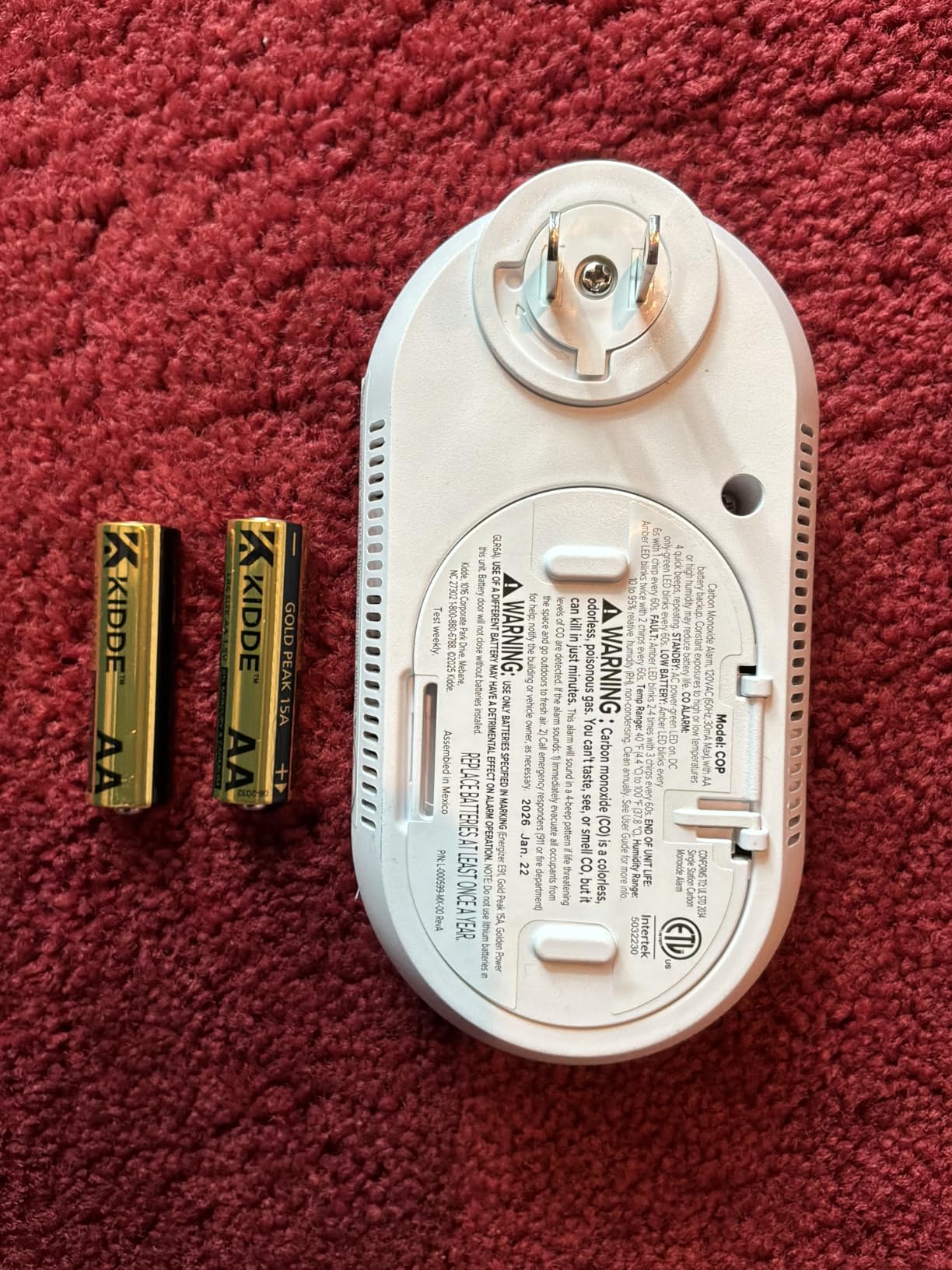
For a rental, the plug-in format avoids drilling and can move from room to room. For a primary residence, place it near sleeping areas or in a hallway where its sound can carry, and keep the outlet unobstructed so the alarm remains audible.
The main drawback is that its compact 5.47-inch housing is easy to overlook during a weekly tidy-up. I also would not expect a plug-in detector to be a substitute for interconnected alarms on every level; it is strongest as one carefully placed unit in a bedroom, living area, or near a fuel-burning appliance.
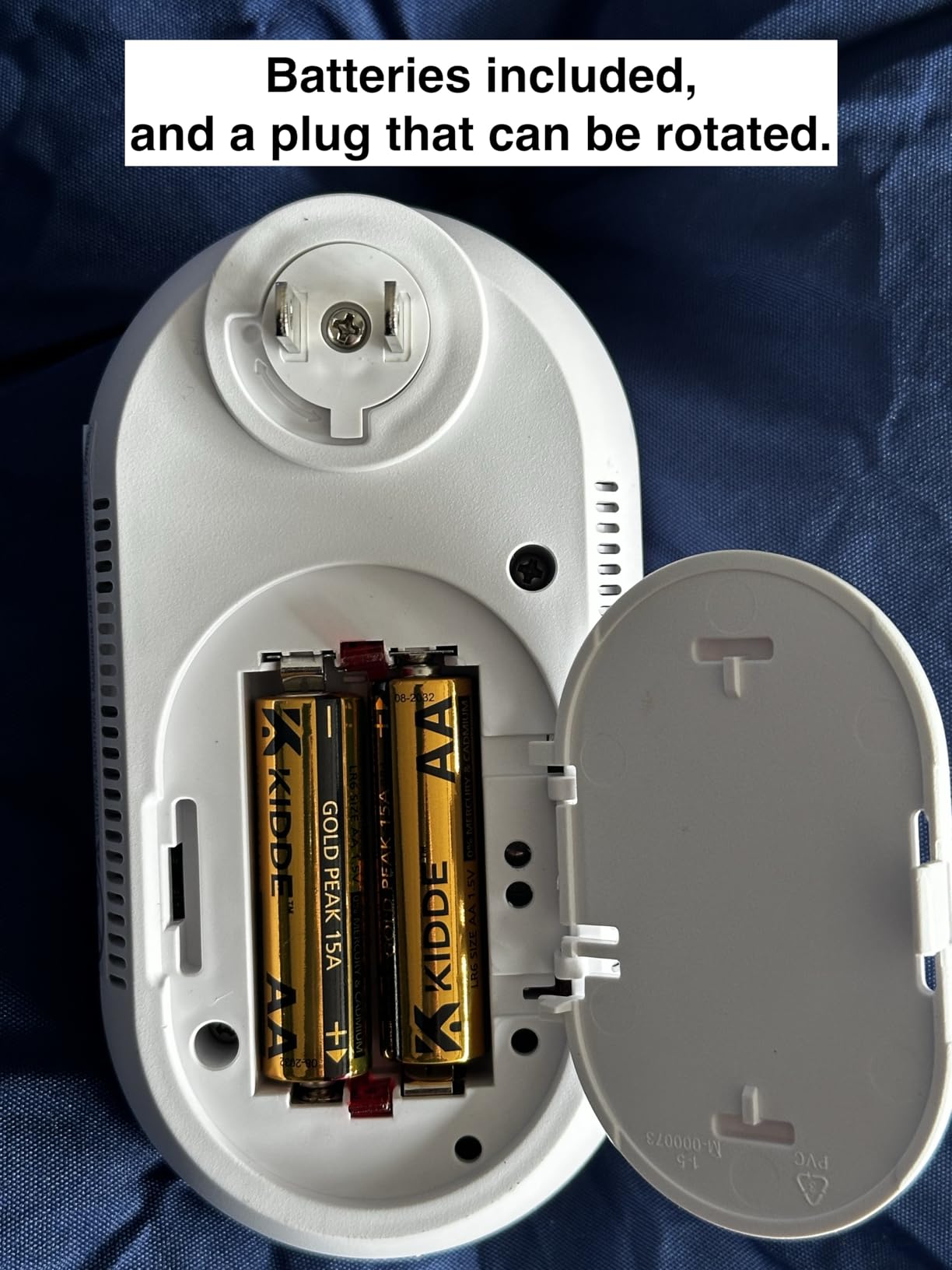
Choose the Kidde COP if you want dependable plug-in protection
This is the best fit for a renter or homeowner who wants an established brand, simple controls, and backup power without rewiring. It also suits anyone who has a vertical outlet or a crowded power strip where a fixed plug orientation would be awkward.
Choose another model if you need wireless whole-home alerts
The COP does not list Ring, Alexa, or wireless interconnectivity in the supplied specifications. If you want mobile notifications or one-go-all-go behavior across compatible alarms, the Kidde Ring model is the more relevant choice.
2. First Alert CO605 Plug-In CO Detector — Best Value
FIRST ALERT CO605 Plug-in Carbon Monoxide Detector with Battery Backup, White
Electrochemical sensor
120V plug-in
9V backup
7-year warranty
Pros
- Low maintenance
- Outlet powered
- 85 dB alarm
- UL certified
Cons
- 9V battery is not sealed
- Display is not included
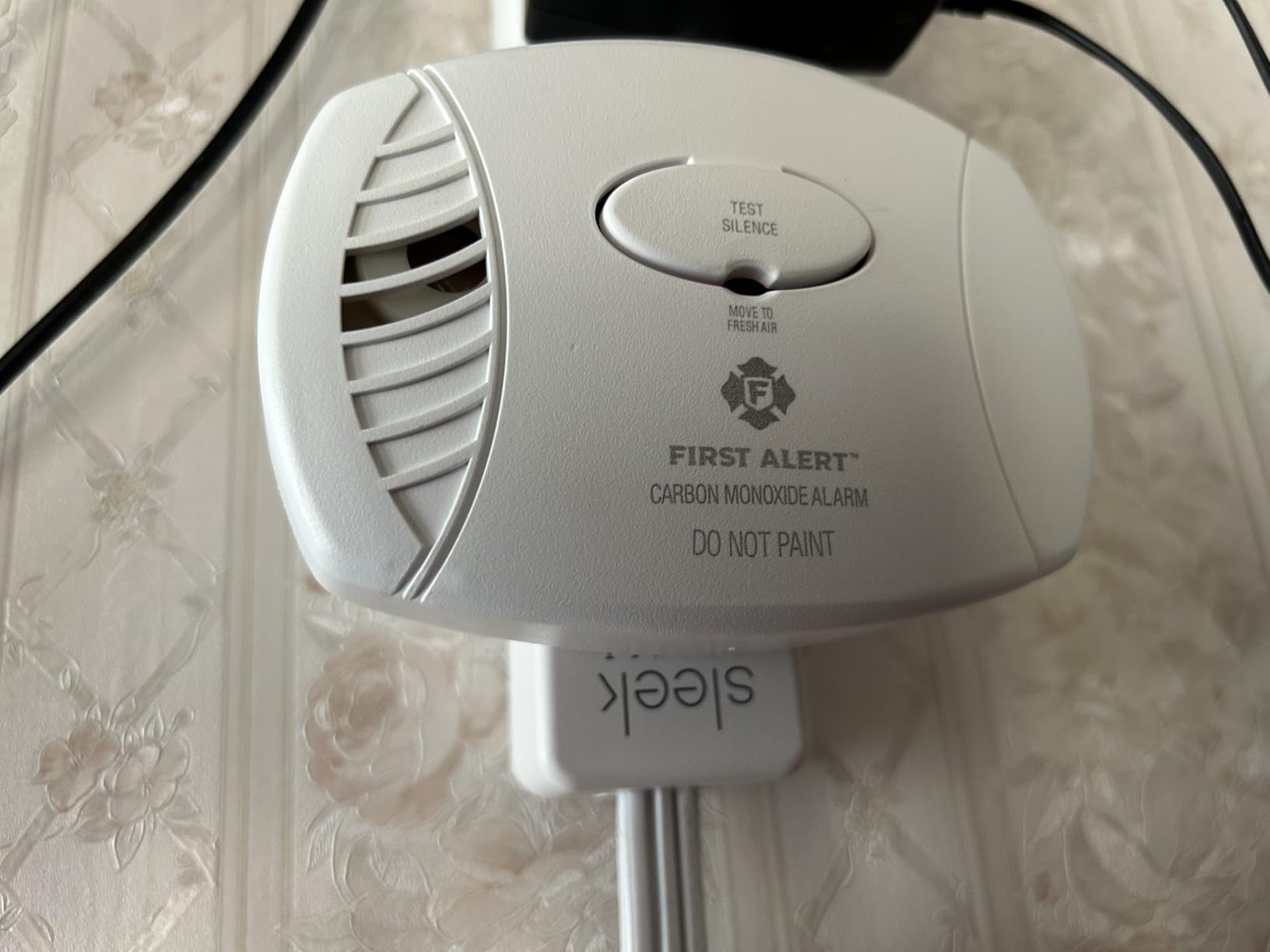
The First Alert CO605 is the value pick I would put in a rental, guest room, or older home where a simple alarm is preferable to a connected device. It plugs into a standard outlet and keeps working from its 9V battery backup during an outage, so installation does not require an electrician or a hole in the wall.
Its electrochemical sensor, 85 dB alarm, and UL certification cover the essentials. The listed seven-year limited warranty is also a useful reminder that a CO alarm is not a permanent appliance, even when the basic design feels almost invisible once installed.
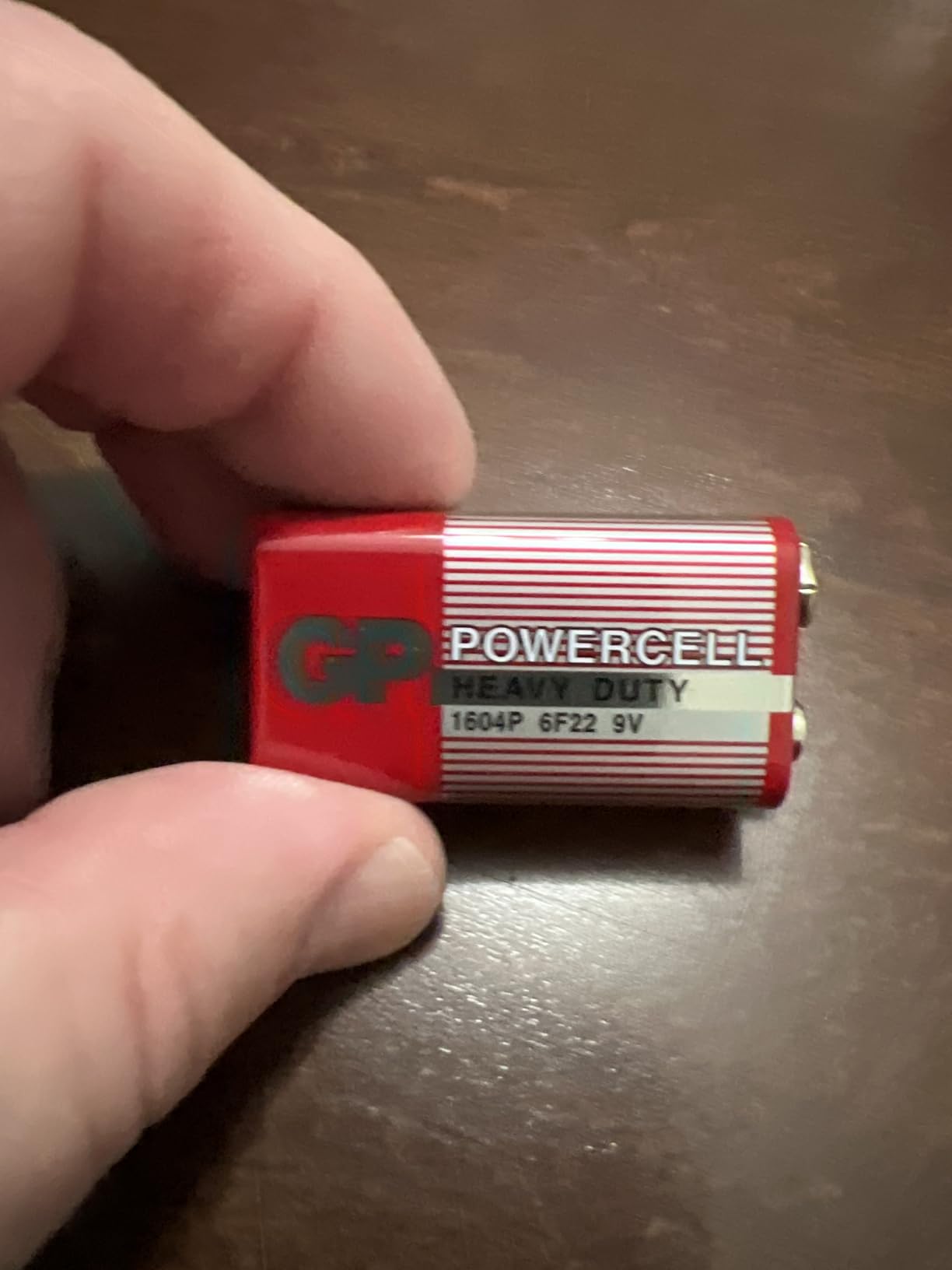
The tradeoff is maintenance. A replaceable 9V battery means you must respond to the end-of-life and low-battery signals rather than assuming the alarm is good for its entire service life.
I would not call that a dealbreaker, but it is why I would compare it with the First Alert CO710 if you dislike battery changes. The CO605 is a better fit when outlet convenience, broad brand recognition, and a lower upfront commitment matter most.
Choose the CO605 if you want straightforward value
It works well for renters, short-term installations, and rooms where a permanent mounting project is not worth the effort. Its simple test/silence button is easier to operate than a feature-heavy smart alarm for many households.
Choose another model if you want a sealed ten-year battery
The CO605’s replaceable backup battery adds a recurring task and its supplied specifications do not include a digital CO readout. Look at the CO710 for a display and sealed battery, or the X-Sense SC07 for combination protection.
3. Kidde KN-COB-LP2 Battery CO Detector — Best Budget
Kidde Carbon Monoxide Detector, AA Battery Powered, Portable for Travel or Home, 85 dB Alarm, LED Status Indicators, 3rd Edition
Electrochemical sensor
2 AA batteries
Event Memory
85 dB alarm
Pros
- No wiring
- Portable
- Outage ready
- UL 2034 certified
Cons
- Batteries need replacement
- Basic controls
The Kidde KN-COB-LP2 is my budget recommendation because it does not pretend to be a smart-home device. It is a small, portable carbon monoxide detector with an electrochemical sensor, an 85 dB alarm, LED status indicators, and Event Memory that records the last test or detection time.
Two AA batteries are included, and the unit continues working when household power is out. I like the uncomplicated installation for a rental, cabin, travel setup, or first apartment, where drilling into a wall or relying on an outlet can be inconvenient.
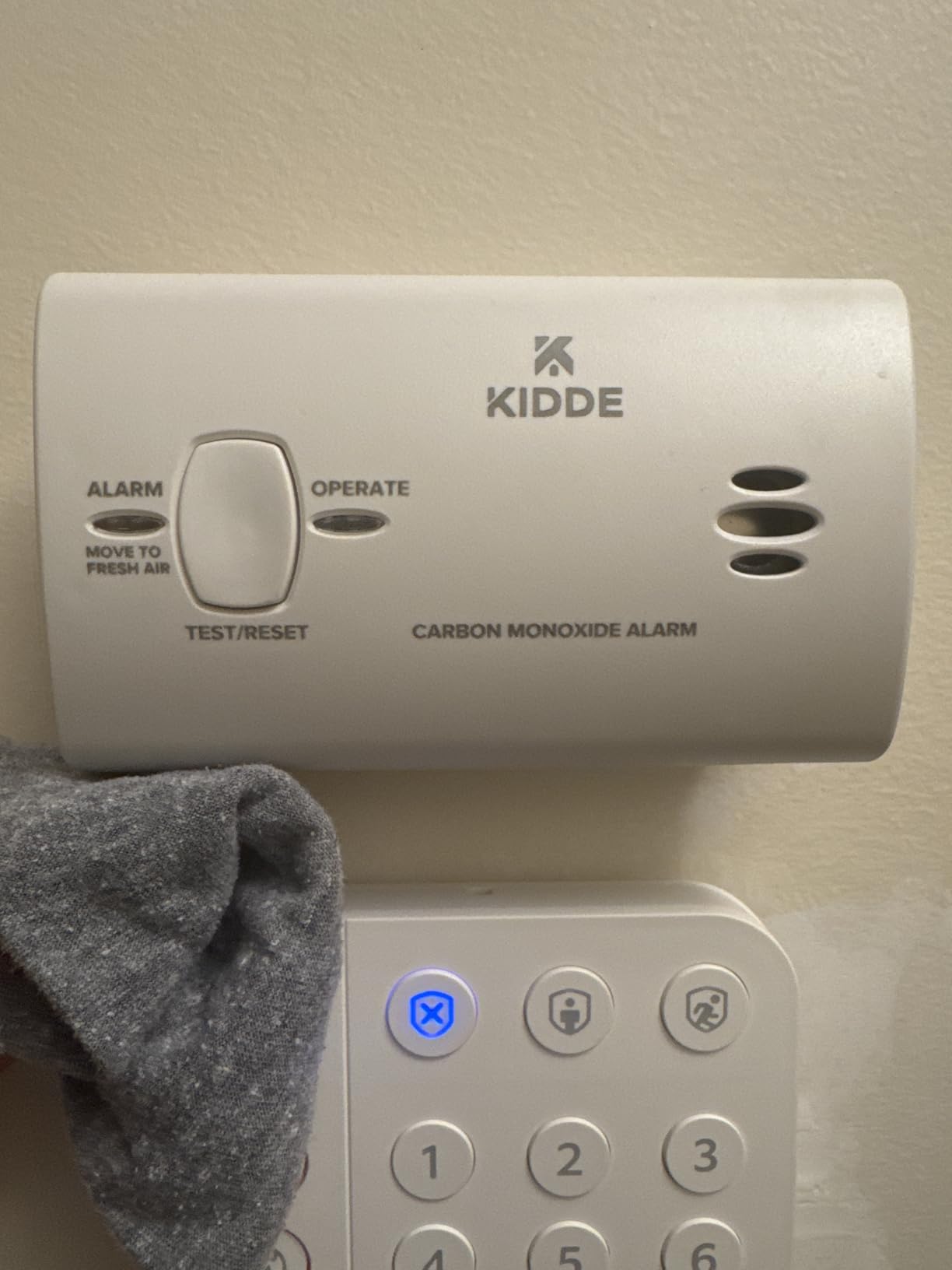
The supplied review data highlights an 86% five-star share and no recurring list of major complaints. That is encouraging for a basic alarm, but the feature set is intentionally limited: there is no listed LCD readout, app connection, or wireless interconnectivity.
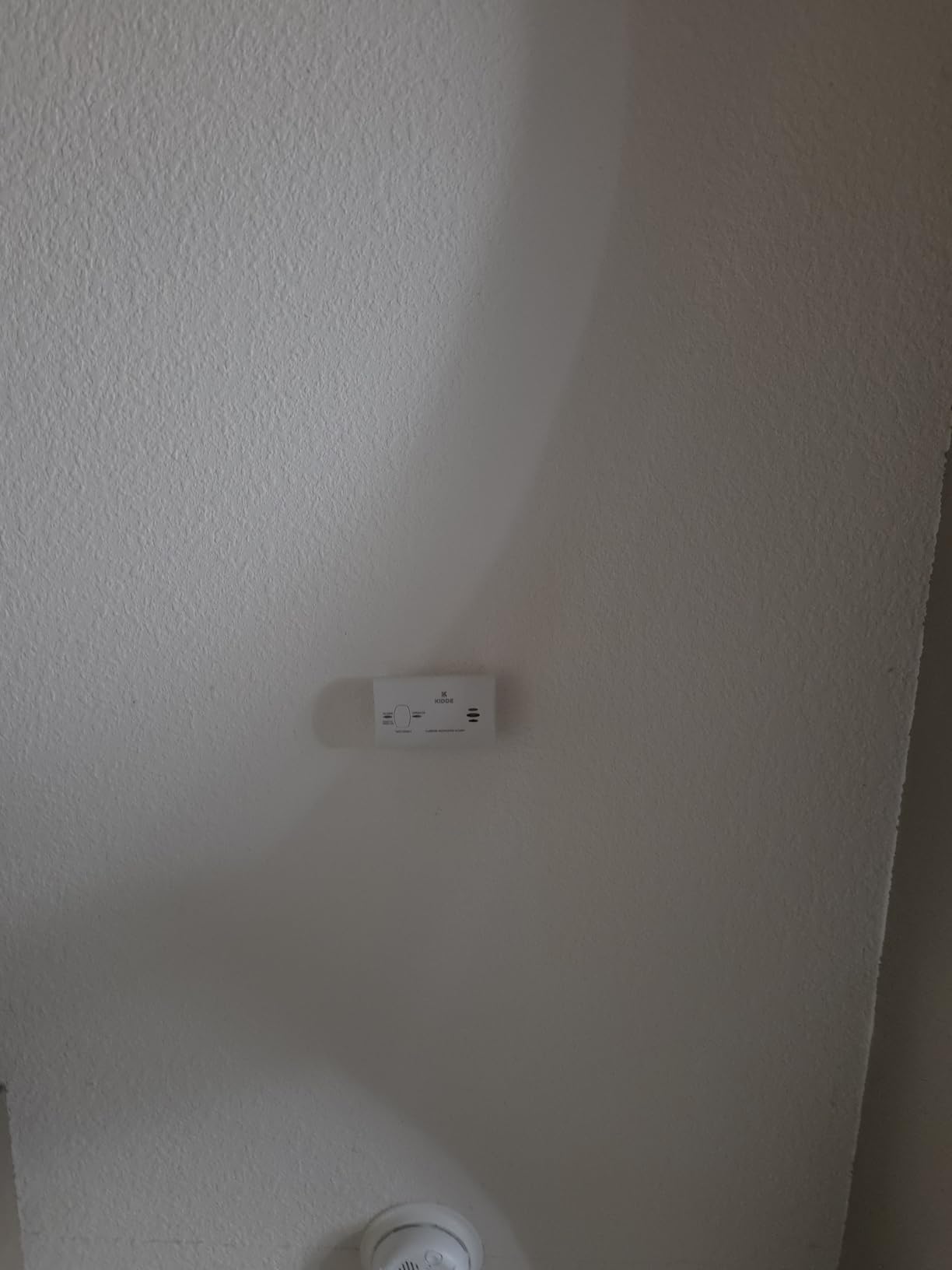
I would mount it at the correct breathing height for the room, test it after installing the batteries, and keep the instruction manual’s replacement date visible. It is a good example of why the cheapest adequate, listed detector can be a smarter purchase than a random marketplace brand with unclear testing history.
Choose the KN-COB-LP2 if you need a portable battery alarm
This is ideal for a renter, dorm, hotel room, or home office where a plug-in unit is not practical. Its small size and included batteries make it easy to place in a bedroom or take along when traveling.
Choose another model if you want maintenance-free power
The AA batteries will eventually need replacing, and the unit does not provide the same real-time information as a digital display. The First Alert CO710 is a better low-fuss upgrade when you want a ten-year sealed battery.
4. First Alert CO710 — Best Digital Display
First Alert 10-Year Battery Carbon Monoxide Alarm with Digital Display
Electrochemical sensor
10-year battery
Backlit LCD
Peak Level
Pros
- Shows CO concentration
- Sealed battery
- Peak memory
- 10-year warranty
Cons
- Temperature reading can take time
- No smart connection
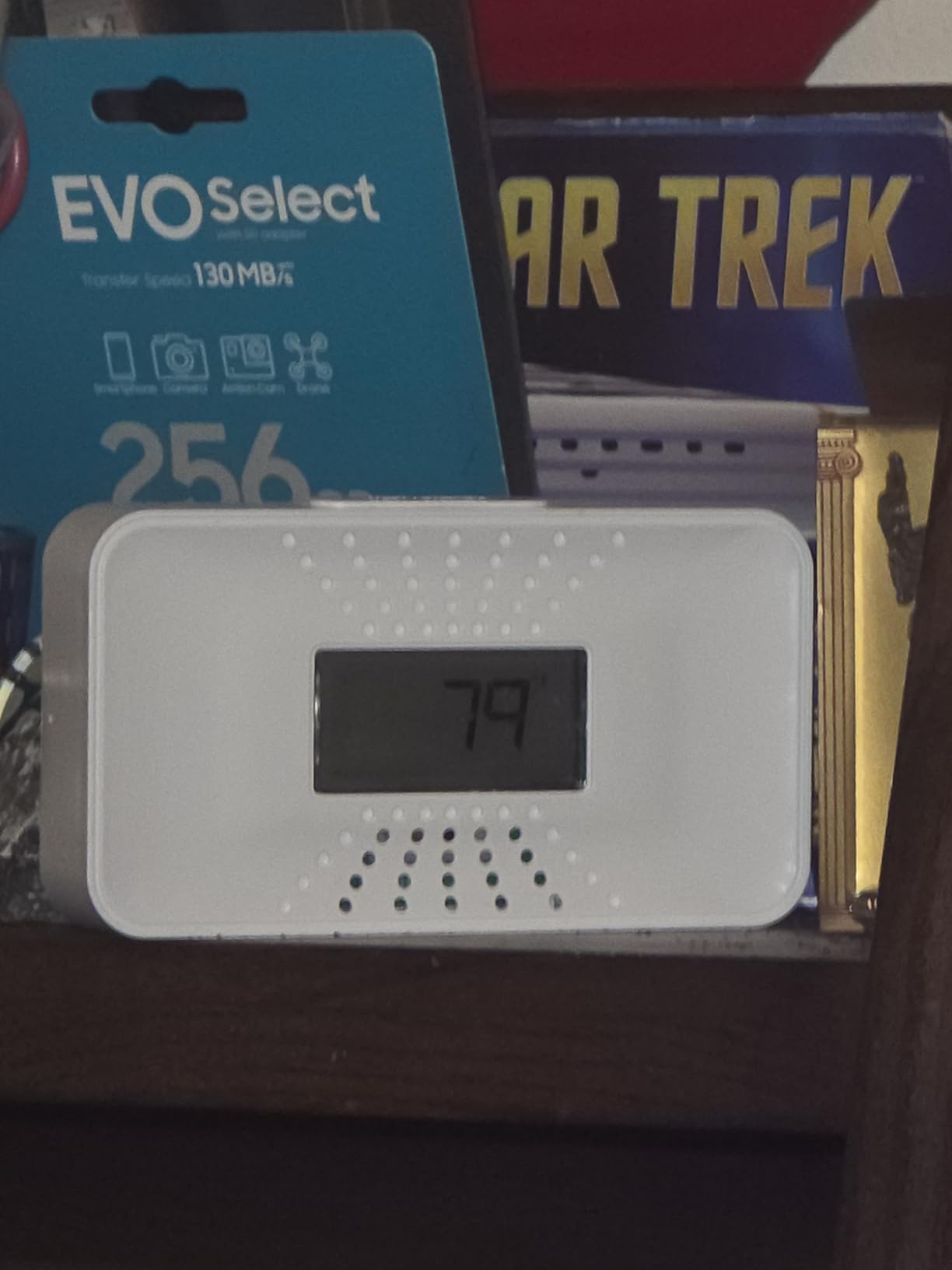
The First Alert CO710 is the model I would recommend to someone who wants more than a beep and blinking light. Its backlit digital display shows carbon monoxide concentration and temperature, while Peak Level memory records the highest CO concentration measured.
The built-in ten-year lithium battery removes the need for annual battery changes and makes this a cleaner choice for a bedroom, hallway, or vacation home. The 85 dB alarm and electrochemical sensor provide the core protection, and the display gives you a way to check whether a recent event left a recorded reading.
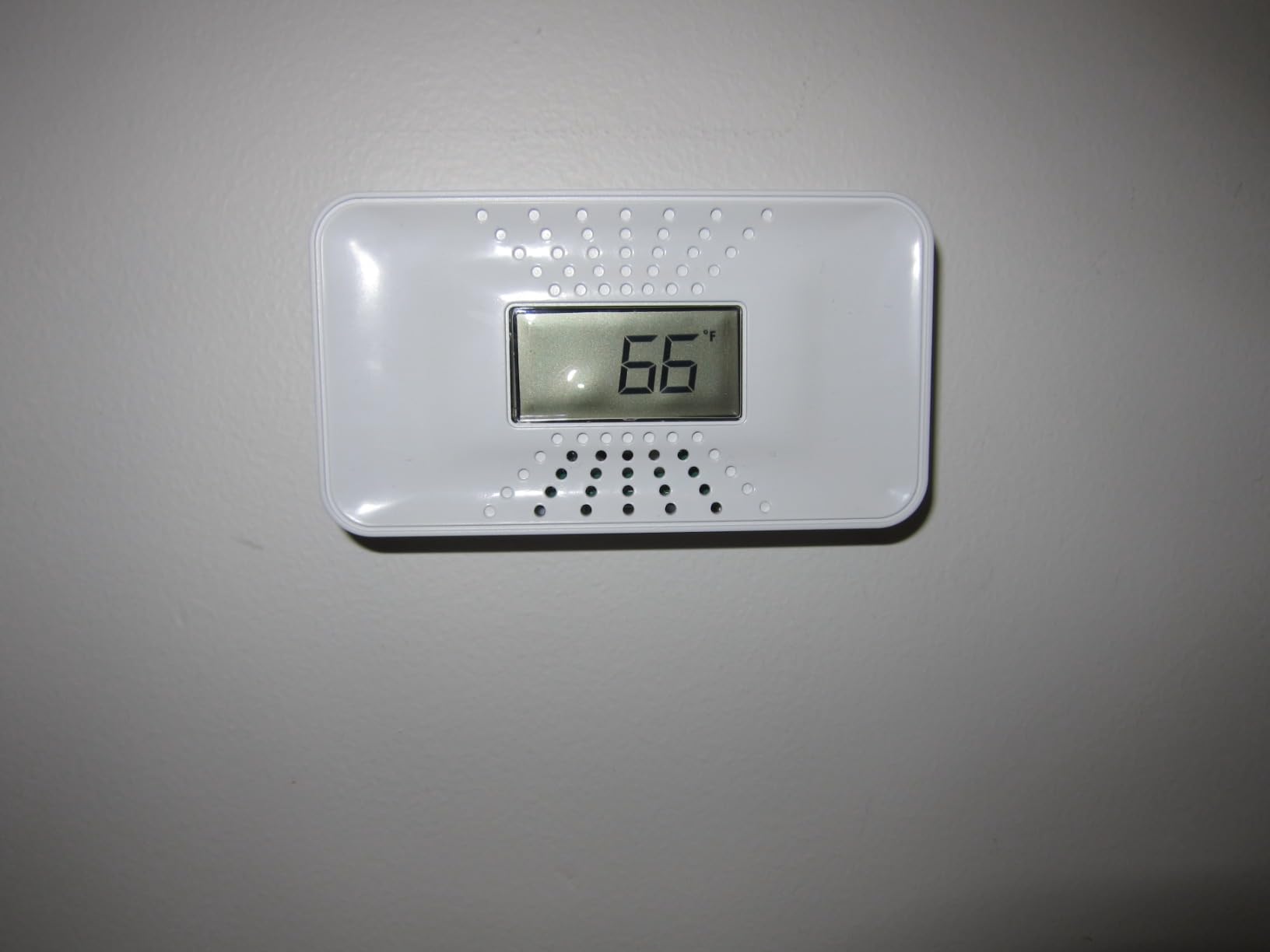
The display is not a substitute for leaving the building during a real alarm, and it should not be used to decide whether a potentially dangerous concentration is safe. If the alarm sounds, I would leave immediately, call emergency services from outside, and return only after professionals say the home is safe.
The temperature readout can take time to stabilize according to the supplied review summary. That is a minor inconvenience rather than a safety problem, but it explains why the CO710 is better viewed as a dependable standalone CO detector with helpful context, not a connected monitoring system.
Choose the CO710 if you want information at a glance
This is a strong fit for homeowners who value a visible concentration readout and a sealed ten-year battery. It is especially useful near a sleeping area, where a quick visual check can supplement the audible alarm.
Choose another model if you need app alerts
The supplied specifications do not list smart-home connectivity or wireless interconnection. Choose the Kidde Ring detector if mobile notifications and wire-free alarm networking are priorities.
5. First Alert CO400 — Best Simple Standalone Alarm
First Alert Battery Carbon Monoxide Alarm
Electrochemical sensor
AA battery
85 dB alarm
5-year warranty
Pros
- Long-standing model
- No wiring
- Outage protection
- UL standards
Cons
- No digital display
- Limited smart features
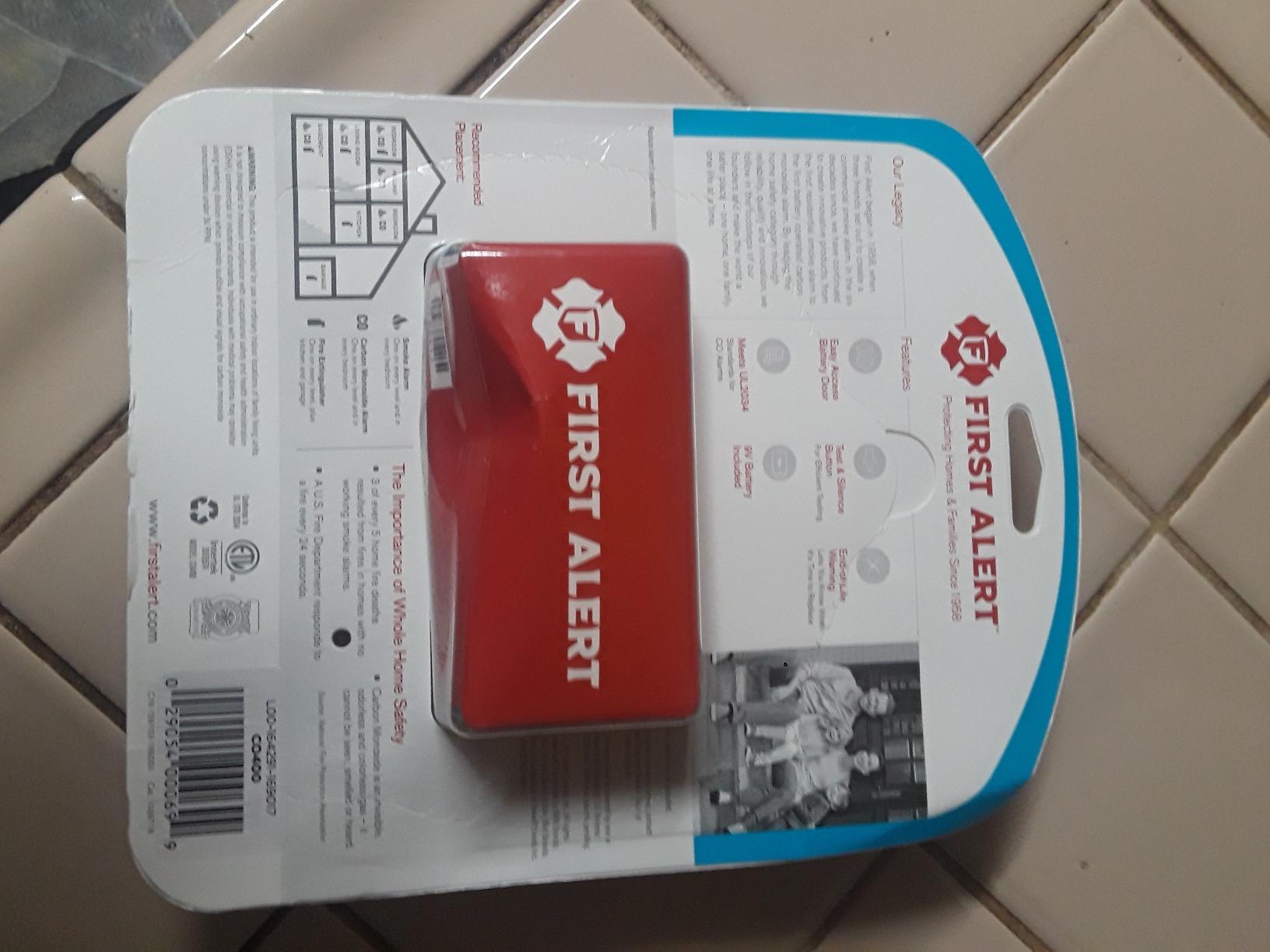
The First Alert CO400 is a simple, battery-operated detector for people who want a mainstream brand and a familiar setup. Its 4.6 rating across 23,065 listed reviews gives it one of the largest review histories in this group, which is useful when you are choosing safety equipment for a busy household.
An electrochemical sensor and 85 dB alarm handle the essential job, and battery operation means monitoring continues during a power failure. I would use it in a rental, spare room, or secondary level where I want dependable standalone coverage without paying for an LCD or network connection.
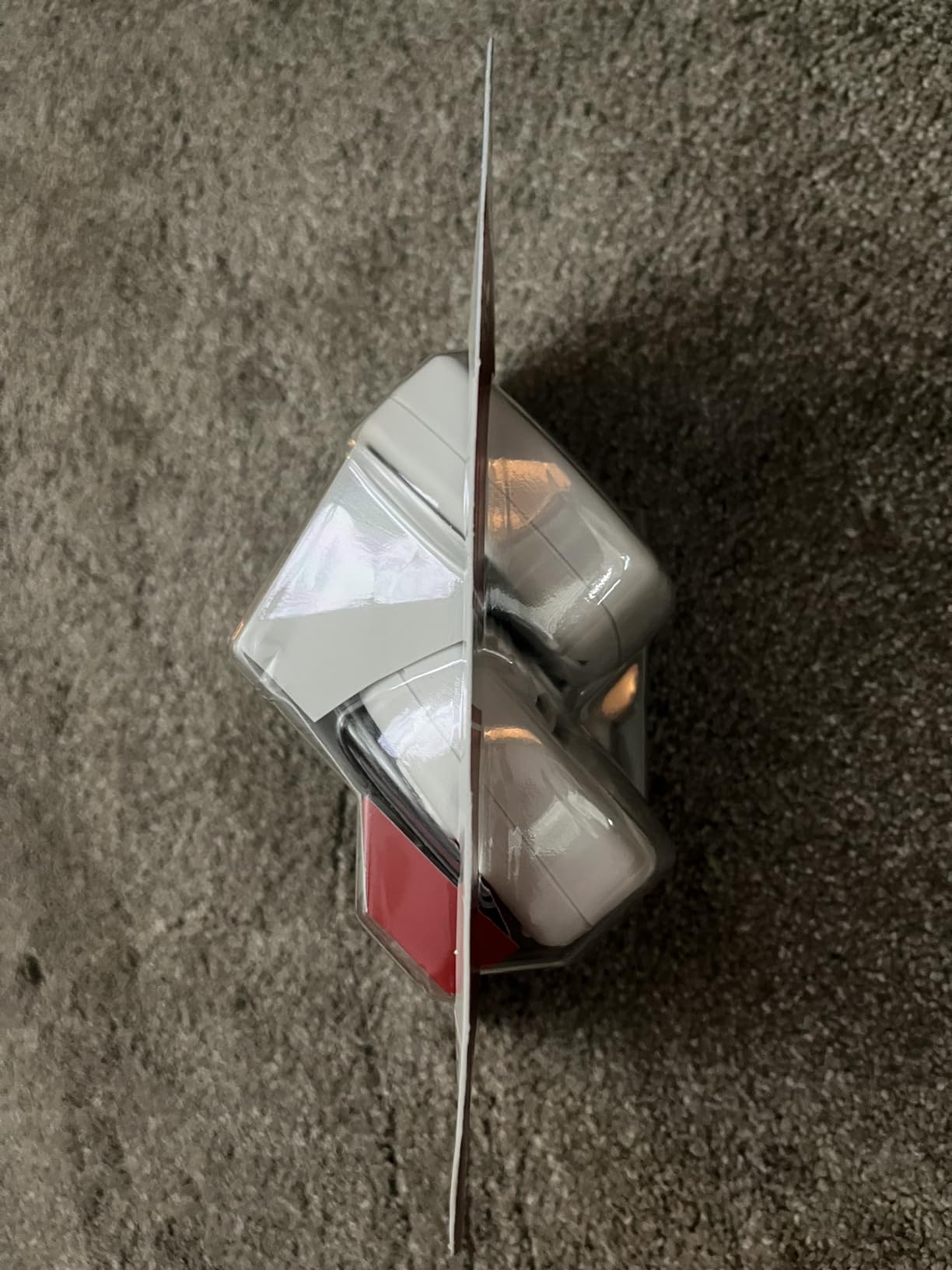
The tradeoff is that the CO400 is intentionally basic. There is no supplied digital concentration readout, no listed wireless interconnectivity, and the five-year limited warranty means you should plan for replacement sooner than a ten-year sealed-battery unit.
For a primary alarm near bedrooms, I would still consider the CO710 for its display and longer sealed battery. For a low-effort room-specific alarm, the CO400 remains easy to install, test, and explain to family members.
Choose the CO400 if you value proven simplicity
It suits renters, older homes, and households that want a battery alarm with no wiring or app setup. The large review history and recognizable First Alert name also make it a reassuring choice for a first detector.
Choose another model if you want longer service life
If you do not want to think about batteries or replacement timing for a decade, the CO710 or an X-Sense sealed-battery model is the better fit. The CO400’s appeal is its direct, uncomplicated coverage.
6. X-Sense SC07 — Best Combo for Long Battery Life
X-Sense Smoke Detector Carbon Monoxide Detector Combo, SC07, 1-Pack
Photoelectric smoke sensor
Electrochemical CO sensor
10-year battery
LCD
Pros
- Two hazards in one
- No rewiring
- UL 217 and 2034
- Sealed battery
Cons
- No Wi-Fi
- No listed wireless interconnect
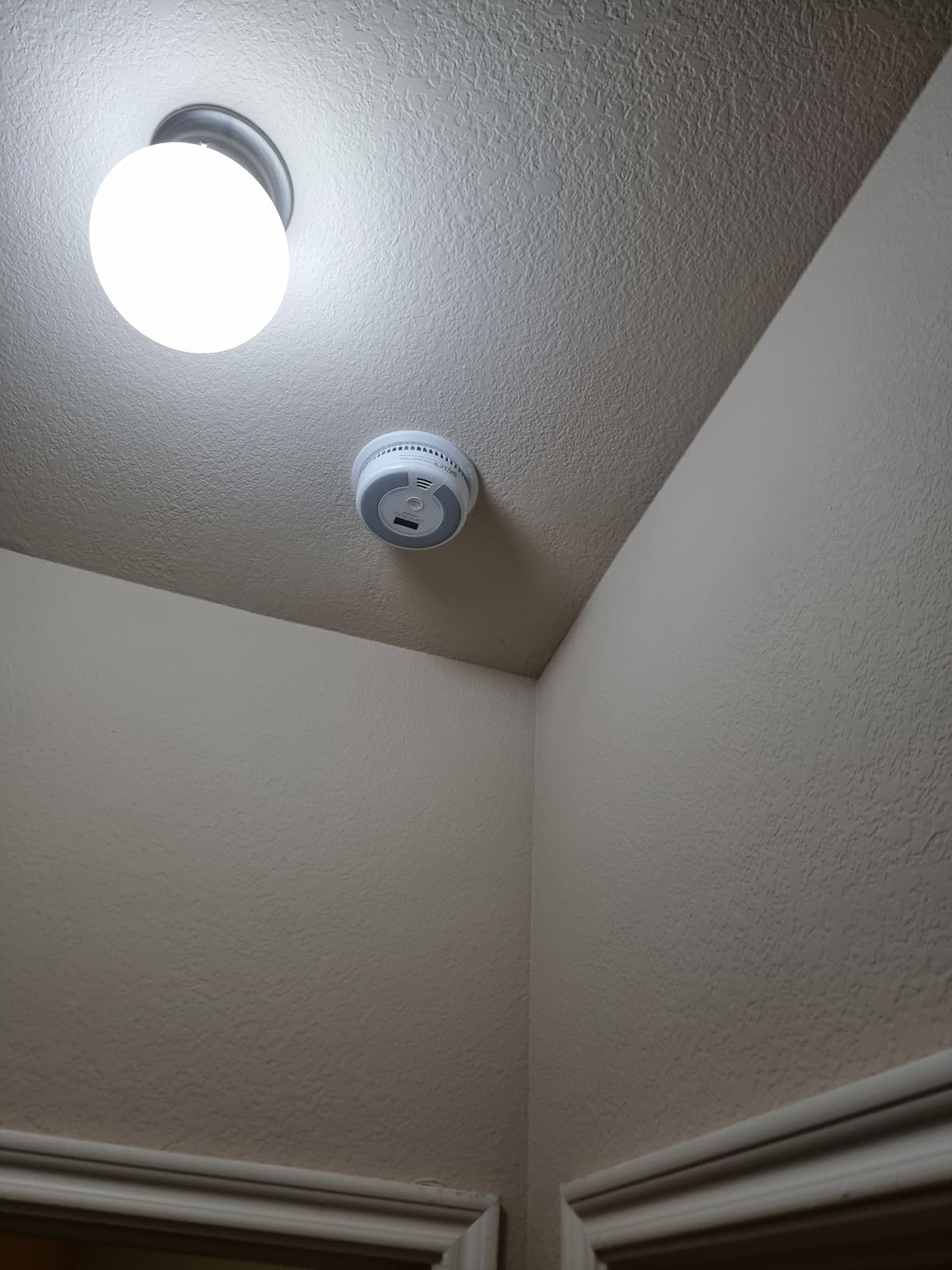
The X-Sense SC07 is the best combination value for a home that needs smoke and carbon monoxide coverage without rewiring. It uses a photoelectric smoke sensor alongside an electrochemical CO sensor, so the two jobs are not being handled by one vaguely described sensing element.
The ten-year sealed lithium battery is the main maintenance win. I also like the LCD display and the fact that the model is listed as meeting both UL 217 and UL 2034 standards, which gives renters and DIY homeowners a clear starting point for coverage.
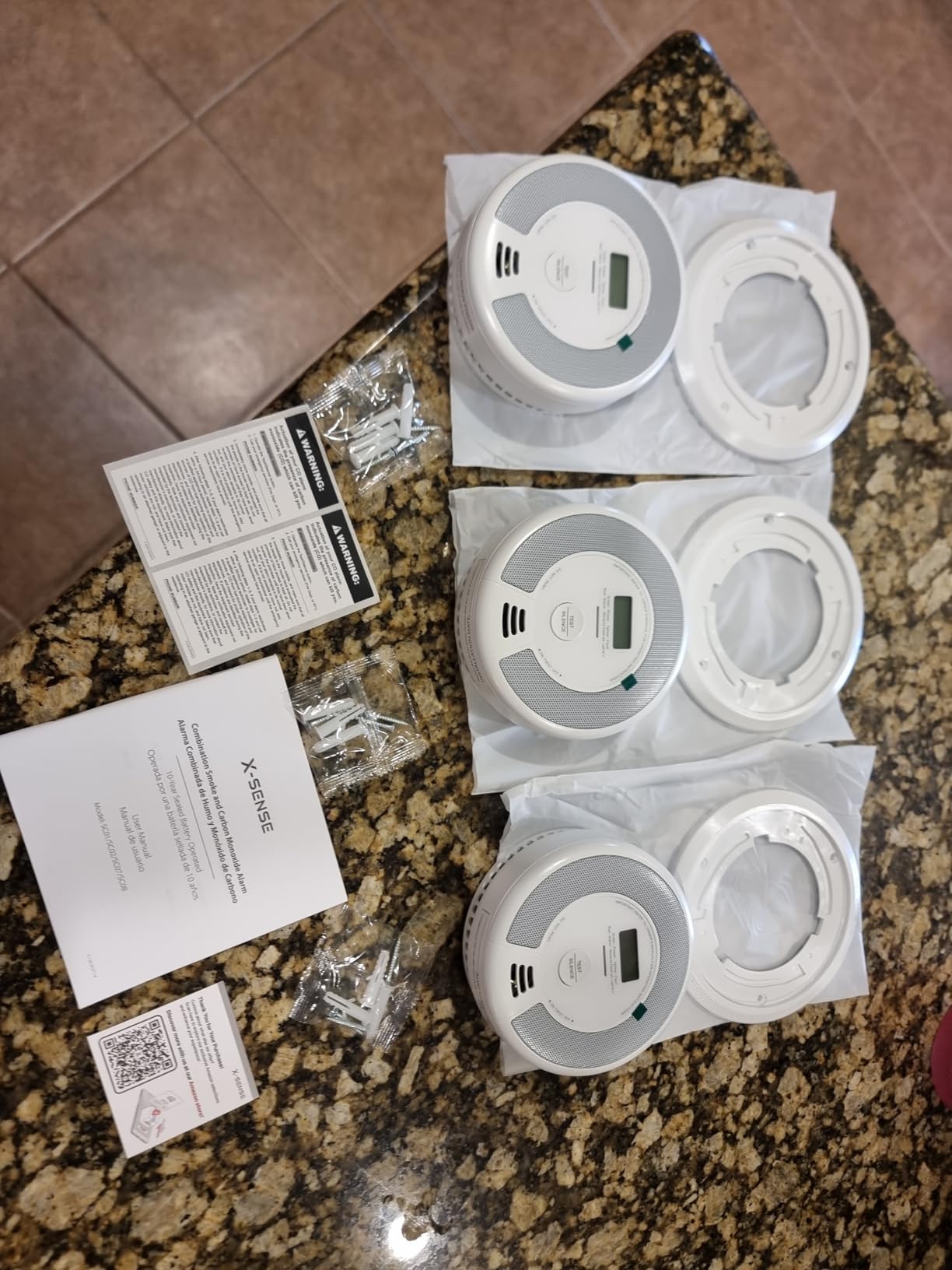
The SC07 is a good choice when you want one ceiling-mounted unit to cover two threats. It is not a networked alarm, so I would not assume that a warning in the basement will automatically sound a unit upstairs unless the manufacturer explicitly says the units are compatible and connected.
Combination alarms can simplify a replacement plan, but they also make it important to test both functions. I would press the test button according to the manual, check the display, and replace the whole unit at the stated end-of-life point rather than waiting for a nuisance beep.
Choose the SC07 if you want dual protection and no wiring
It is a sensible option for apartments, rentals, and homes where replacing separate alarms room by room feels like too much work. The sealed battery and LCD make it a practical all-in-one baseline.
Choose another model if you need connected alerts
The supplied data does not list app notifications or wireless interconnection. If you want remote notifications, the Kidde Ring model is the more suitable smart pick.
7. X-Sense SC01 — Best LCD Combination Detector
X-Sense Smoke Detector and Carbon Monoxide Detector, SC01, 1-Pack
Electrochemical and photoelectric sensors
10-year sealed battery
Real-time LCD
85 dB
Pros
- CO and smoke coverage
- Visible CO reading
- UL certified
- Simple mounting
Cons
- No Wi-Fi
- No wireless interconnection
The X-Sense SC01 is for households that want a combination smoke and CO alarm but also want to see real-time information. Its LCD shows CO levels and battery status, while the included electrochemical and photoelectric sensors separate the two detection roles more clearly than a generic “combo” label alone.
The ten-year sealed battery and UL 217 and UL 2034 certifications make this a strong fit for a primary hallway or bedroom ceiling. Installation uses the supplied mounting hardware and does not require rewiring, which is helpful if you are upgrading an older home one room at a time.
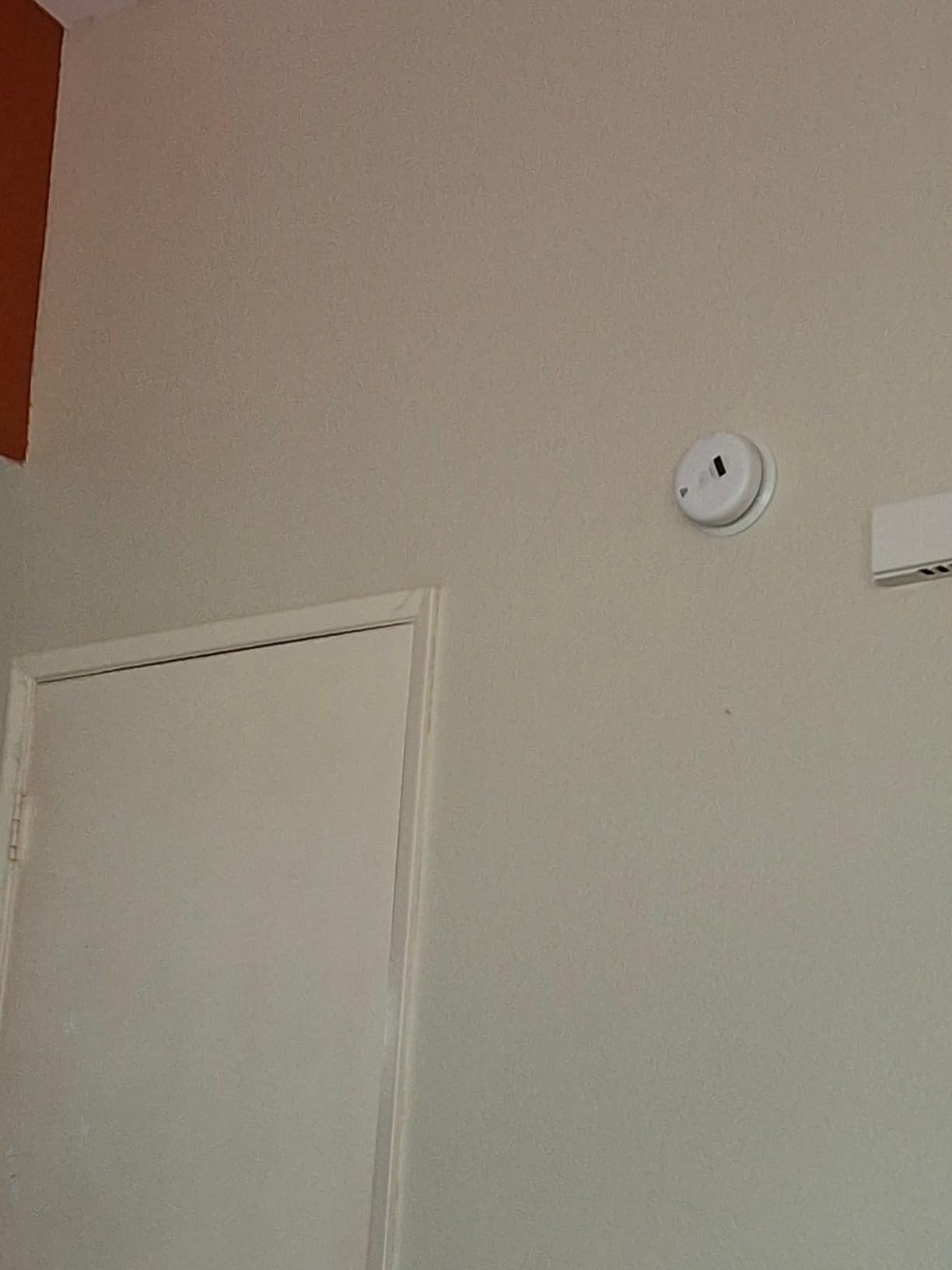
The display is useful for checking the device’s status, but it should not be used to override an alarm. During a warning, the safe response is the same as with any CO detector: move outside, get fresh air, and contact emergency services.
Compared with the SC07, the SC01’s strongest distinction is its clearly described real-time CO and battery LCD. The tradeoff is that the supplied specifications still list a basic standalone unit without Wi-Fi or wireless interconnection.

Choose the SC01 if you want visible status in a combo alarm
This is a good option for homeowners who prefer a display over a beep-only unit but do not need a phone app. It is also easy to recommend to a renter because the mounting is straightforward and the battery is sealed.
Choose another model if you need remote notifications
The SC01 does not list mobile alerts or one-go-all-go networking. A smart alarm such as the Kidde Ring RGCUDR-RW is better when notifications away from home are non-negotiable.
8. First Alert SMCO100 — Best for Cooking Areas
First Alert Battery Combination Smoke & Carbon Monoxide Alarm
Photoelectric sensor
Battery powered
2-in-1 smoke and CO
End-of-life warning
Pros
- Dual protection
- Precision Detection
- No wiring
- Test and silence button
Cons
- Battery maintenance
- No digital CO display
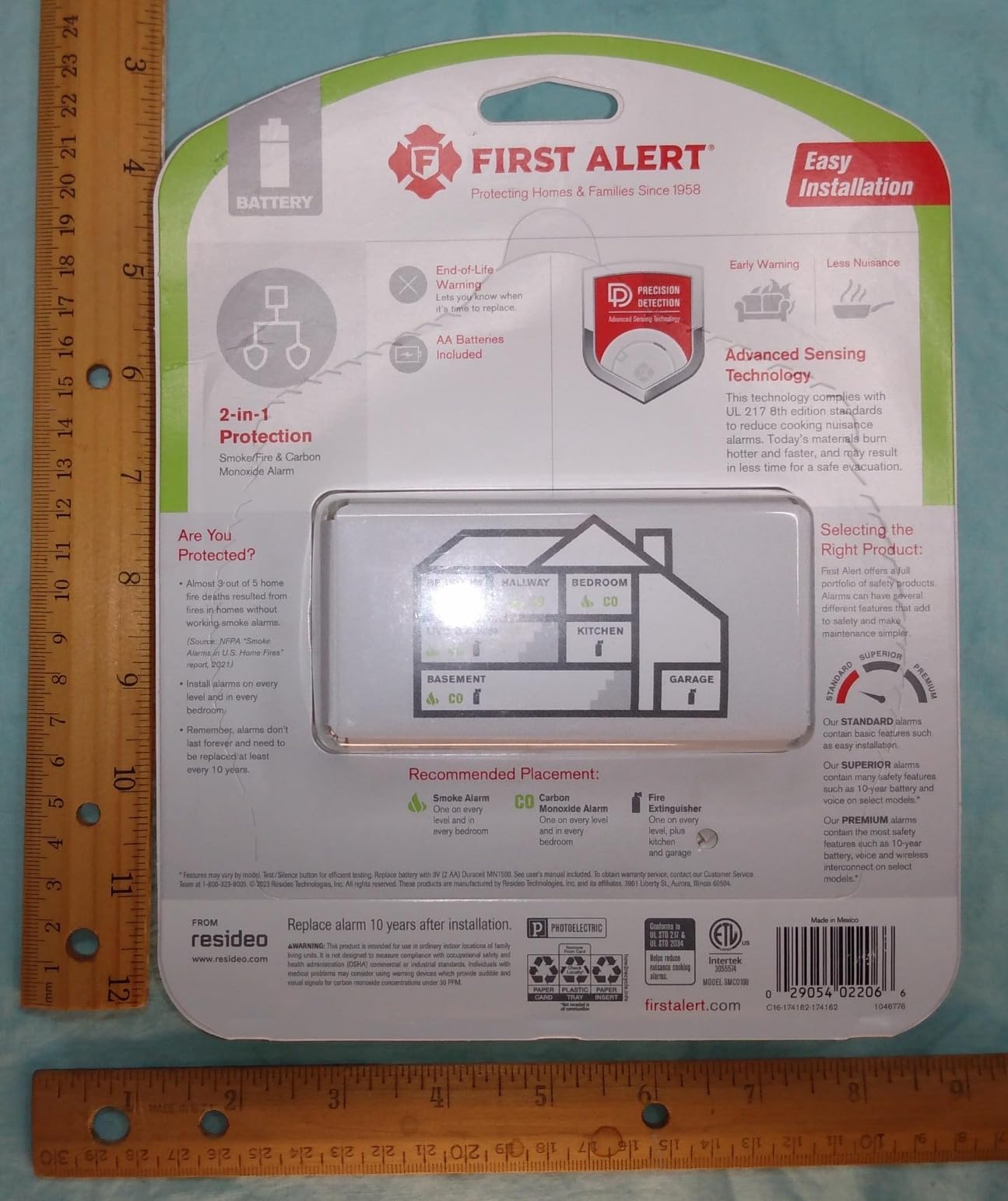
The First Alert SMCO100 is the combination alarm I would consider when kitchen placement is a concern. Its Precision Detection technology is listed as reducing cooking nuisance alarms, while the unit still provides 2-in-1 smoke and carbon monoxide protection.
Battery operation keeps installation simple, and the test/silence button makes routine checks straightforward. The end-of-life warning is an important feature because a combination alarm has two functions and should be replaced on the manufacturer’s schedule rather than kept indefinitely.
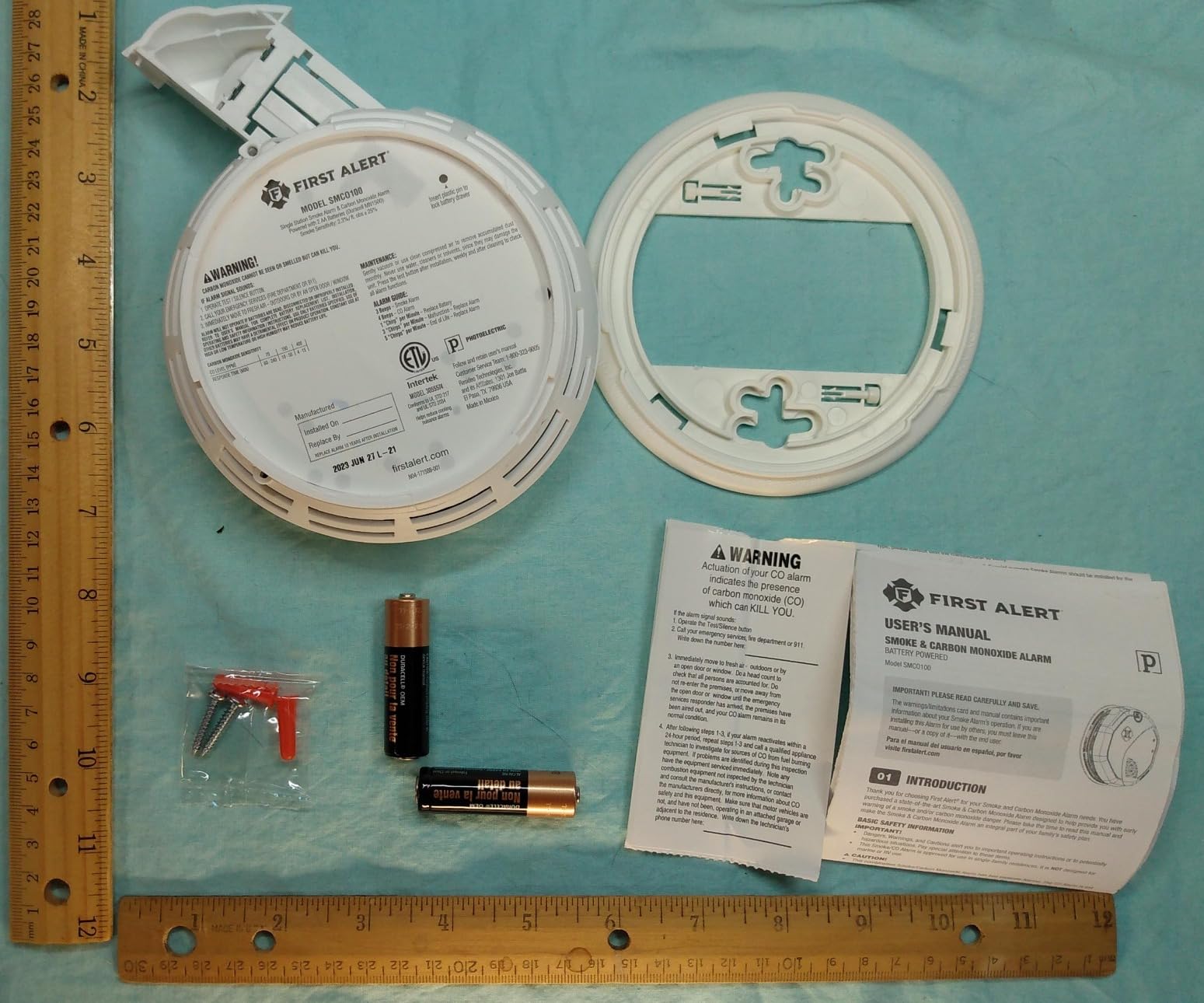
Even with nuisance-alarm reduction, I would keep cooking appliances from creating heavy smoke directly around the unit. Detector placement matters: follow the manual’s distance guidance, and do not put a CO alarm where steam, grease, or a direct cooking plume can repeatedly trigger a smoke sensor.
The SMCO100 is not the best choice if you need a ten-year sealed battery or a numeric CO display. I would use it where its specific kitchen-oriented sensing approach and simple battery format solve a real installation problem.
Choose the SMCO100 if cooking alarms are a recurring problem
This is the best fit for a kitchen-adjacent location in a home that wants both smoke and CO coverage. Its 4.5 rating and 986 listed reviews suggest a practical balance of features, although a smart system is not the point.
Choose another model if you want a sealed power source
The battery is replaceable, so you will need to monitor the end-of-life signal. The X-Sense SC07 or SC01 offers a sealed ten-year battery if that maintenance reduction is more important.
9. Kidde KN-COEG-3 — Best for Homes with Combustible Gas
Kidde Carbon Monoxide + Explosive Gas, Natural Gas & Propane Alarm, Plug-in with 9V Battery Backup, Digital Display, 85 dB Alarm, LED Status Indicators, 3rd Edition
CO and explosive gas detection
120V plug-in
9V backup
Digital display
Pros
- Two gas hazards
- Outlet powered
- Peak Level Memory
- 85 dB alarm
Cons
- Propane performance varies
- Not a smart alarm
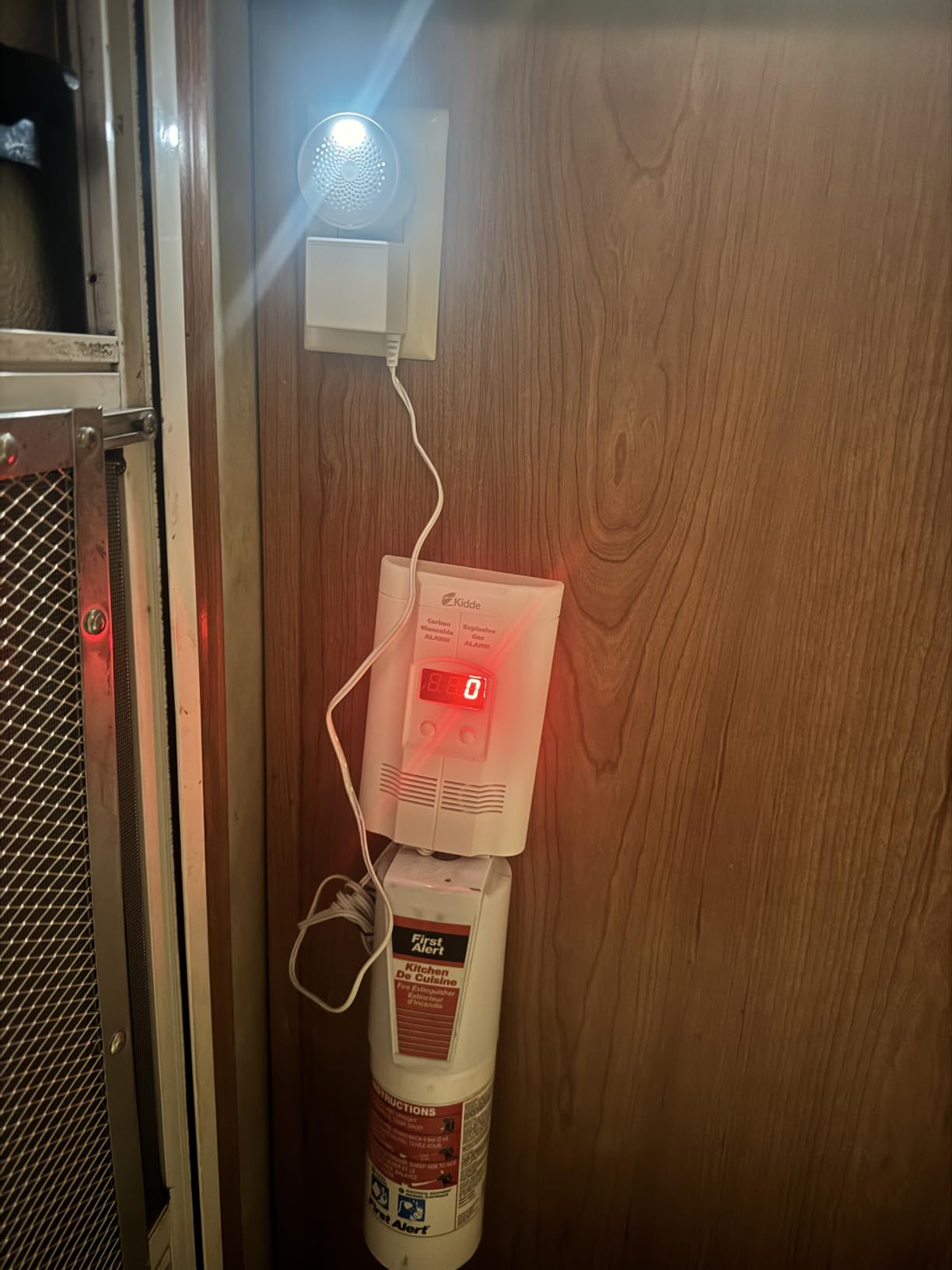
The Kidde KN-COEG-3 is the only product in this list explicitly designed to cover both carbon monoxide and explosive gas. It plugs into a standard 120V outlet, includes 9V battery backup, and uses a digital display that shows CO levels or identifies when explosive gas is present.
That broader coverage can make sense near a gas furnace, water heater, fireplace, or other fuel-burning equipment. Peak Level Memory records the last detection or test time, and the 85 dB alarm gives both hazard types an audible warning.
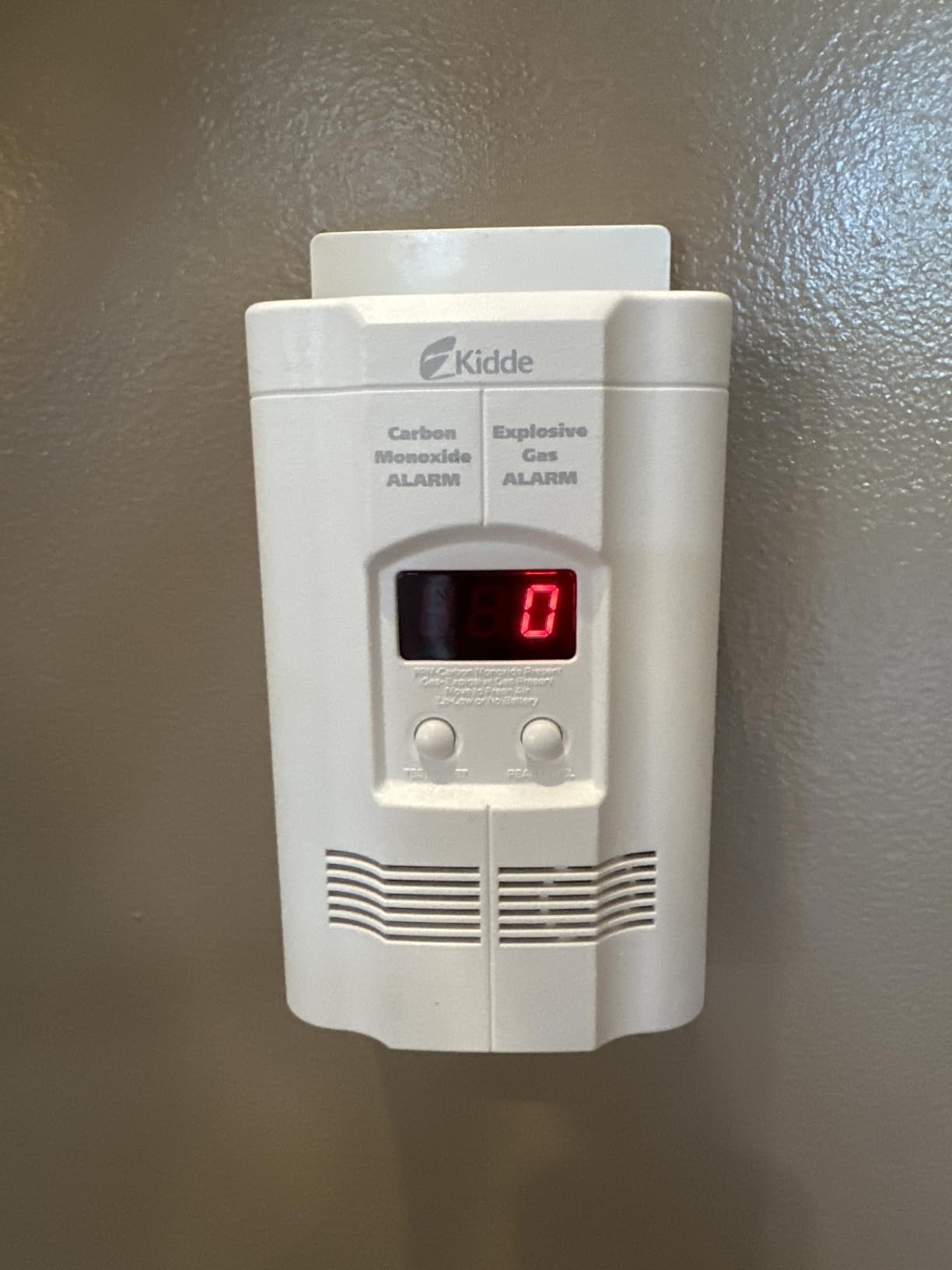
I would not treat this as a substitute for proper fuel-appliance maintenance or a professionally installed combustible-gas detection system. The supplied review summary specifically notes that propane detection may not work reliably in all conditions, so placement and local code guidance matter.
It also lacks the app alerts and wireless interconnection listed for the Ring-compatible model. I would choose it for the dual hazard coverage, not because it is the smartest detector in the group.
Choose the KN-COEG-3 if gas is a second concern
This is a reasonable option for a home with a gas line, propane appliance, or mixed fuel-burning equipment. Its digital display and plug-in format make it approachable for a DIY setup.
Choose another model if you need mobile monitoring
If you want notifications away from home, the Kidde Ring model is the better fit. For a dedicated CO-only alarm with a simpler promise, the Kidde COP or First Alert CO710 is easier to evaluate.
10. Kidde Smart Smoke & CO Detector with Ring — Best Smart Pick
Kidde Smart Smoke & CO Detector with Ring, AA Battery, RGCUDR-RW
Smoke and CO detection
2 AA batteries
Ring app
Wire-free interconnect
Pros
- Mobile notifications
- Alexa support
- No wiring
- One-go-all-go with compatible Kidde alarms
Cons
- Ring ecosystem only
- AA batteries
- Smart features add setup
The Kidde Smart Smoke & CO Detector with Ring is the best smart option in this group for someone already using Ring. It combines smoke and CO sensing, sends real-time mobile notifications through the Ring app, and supports wire-free interconnectivity with other compatible Kidde alarms.
I like that basic smart features are listed as not requiring a subscription. That makes it more practical for a household that wants an app alert without adding another monthly monitoring contract, although the exact account, app, and device requirements should be confirmed before installation.
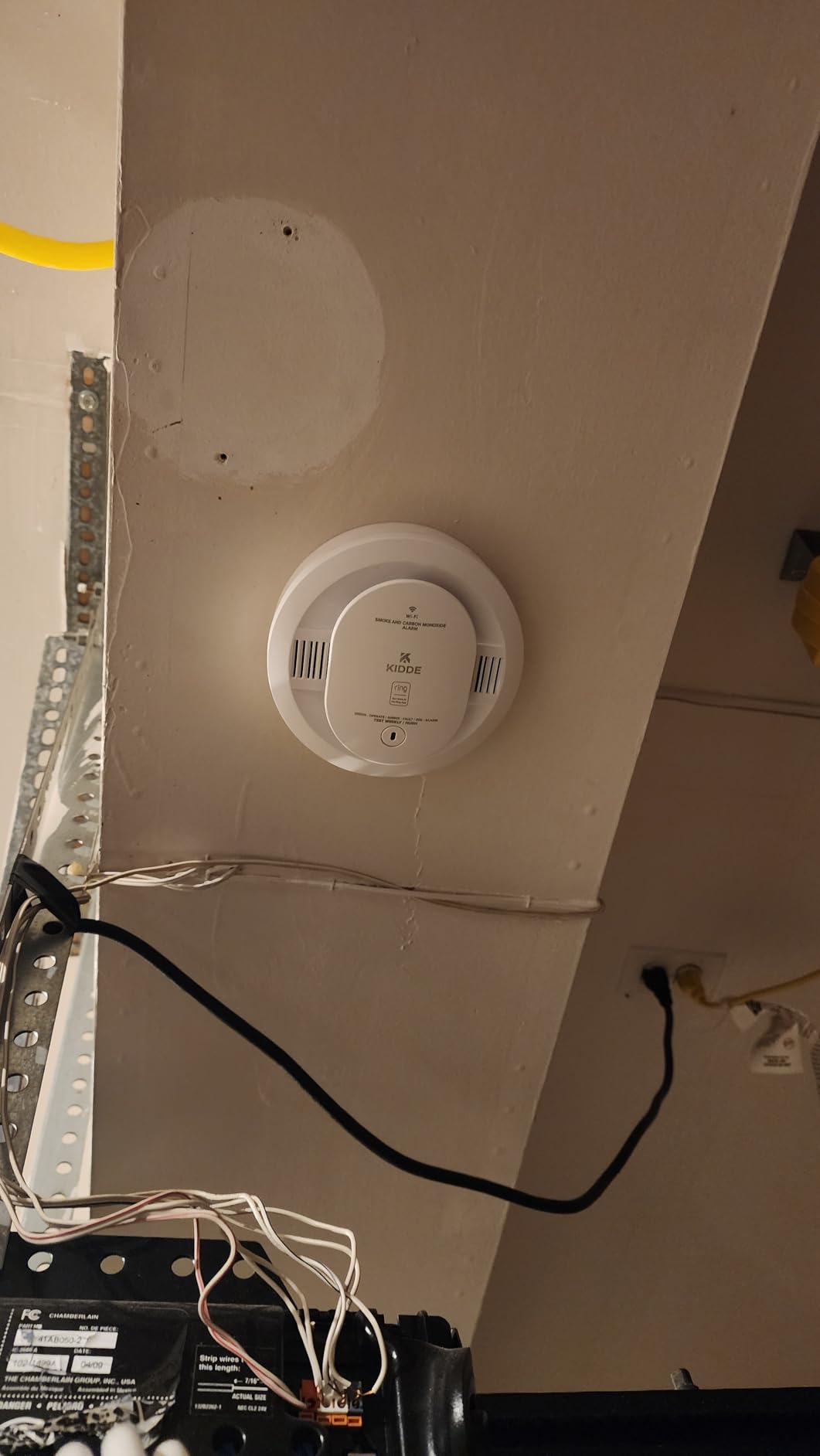
The trade-off is ecosystem dependence. The supplied data says it is not compatible with Google or Nest products, and it uses two AA batteries rather than a ten-year sealed cell. If you change platforms later, a standalone detector may be easier to move and maintain.
Smart connectivity should add information, not become the only reason you trust the alarm. I would still test the unit locally, keep the app updated, and have a family plan for what happens when a phone is dead or the network is unavailable.
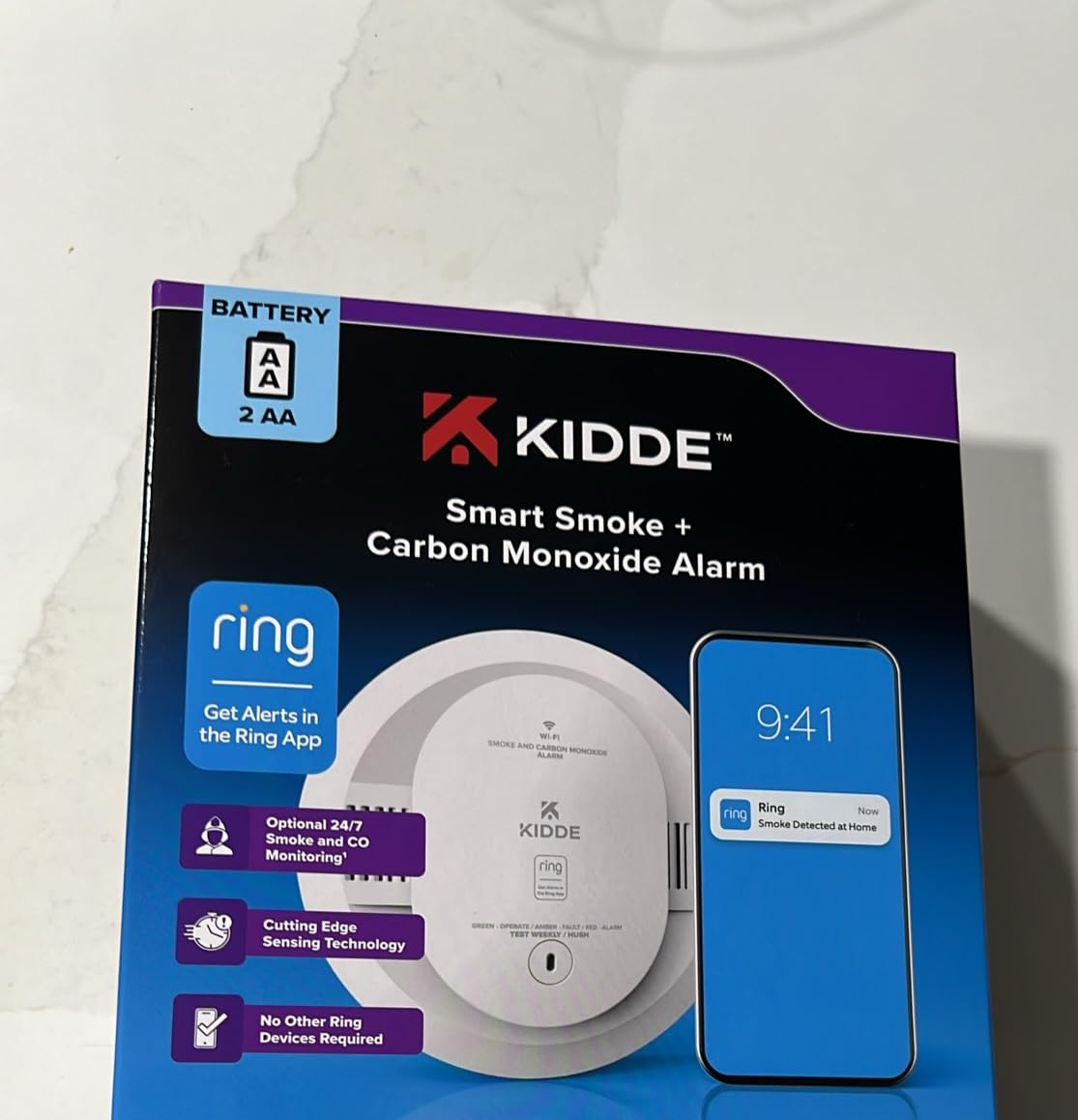
Choose the Ring model if notifications are your priority
This is a strong fit for a Ring household that wants mobile alerts and wire-free communication between compatible alarms. It is also a clean battery-powered option for renters who cannot run new wiring.
Choose another model if you are not in the Ring ecosystem
The lack of Google/Nest compatibility and the extra app setup make a basic Kidde or First Alert alarm less frustrating for some users. The CO710 is my pick for a no-app digital display and sealed ten-year battery.
Buying Guide: Key Features to Look For
The best detector is not necessarily the one with the most app buttons. Start with a listed safety standard, the correct sensor type for the hazard, and a power plan you will actually maintain.
Choose an electrochemical CO sensor and a recognized safety listing
Electrochemical sensing is designed to respond to carbon monoxide, while a photoelectric sensor is a separate technology commonly used for smoke. Look for UL 2034 certification for CO alarms, and use UL 217 certification when a model is also a combination smoke alarm; the list of standards is a better signal than a vague “tested” claim.
For homes with a fuel-burning furnace, water heater, fireplace, generator, or attached garage, a standalone electrochemical alarm is the clear baseline. I would avoid unbranded random-letter marketplace products because forum users repeatedly raise concerns about unclear testing and reliability.
Match the power source to your household
Battery alarms keep working during outages and install almost anywhere, which makes them practical for renters and older homes. Plug-in alarms are easy to move and test, while a ten-year sealed battery removes the recurring task of replacing cells; a plug-in unit with backup power combines outlet convenience with outage protection.
Hardwired interconnected alarms can provide whole-home communication, but they are more involved to install and may require professional work. If you choose a battery model, check the battery type and replacement schedule before buying several units.
Use a display when visible information helps
A digital display showing CO concentration and Peak Level memory can help you understand a recent event, especially after a low-level warning. It does not make a dangerous reading safe, and the display should not encourage you to silence an alarm and wait indoors.
For a rental, a plug-in unit with battery backup avoids drilling. For a bedroom, a compact battery model or sealed ten-year combo alarm is easier to live with; for a home already invested in Ring, a compatible smart detector adds remote notifications.
Place alarms correctly and avoid false-alarm zones
Install a CO alarm on every home level and outside or near sleeping areas, following the manufacturer’s placement instructions and local code.
Do not place a unit directly beside a stove, fireplace, shower, humidifier, or other source of heat, steam, or cooking residue.
Do not block a plug-in alarm behind furniture or place it where furniture can muffle the 85 dB alarm.
Do not rely on a smoke alarm’s placement rules for a CO-only unit; follow the CO detector manual because air movement and manufacturer guidance matter.
Know the difference between CO and CO2
Carbon monoxide is CO, a toxic combustion gas produced by incomplete fuel burning. CO2 is carbon dioxide, a different gas that people exhale and that is monitored in ventilation and air-quality systems; a CO2 sensor does not replace a carbon monoxide detector.
Plan for testing, replacement, and emergency response
Test each alarm according to its manual, keep the device clean, and respond immediately to an alarm. Move everyone outside to fresh air, call emergency services from outside, and do not re-enter until a qualified person says the home is safe; never use a detector’s silence button as permission to stay inside.
Most safety guidance puts replacement around 7 to 10 years, but the exact date belongs to the unit and its manufacturer. I write the installation date on the alarm and check the end-of-life signal during monthly home-safety checks, which removes guesswork later.
Consider low-level monitoring only with clear expectations
Forum users ask about monitors that report around 10 PPM, but standard residential CO alarms are designed around alarm thresholds and safety standards rather than acting as a laboratory instrument. If a low-level monitor is part of your plan, verify its certification, sensor technology, calibration, and what the reading means before treating it as a safety alarm.
Frequently Asked Questions
What is the most recommended carbon monoxide detector?
The most practical recommendation for many homes is the Kidde plug-in CO detector with AA battery backup. It combines a listed UL 2034 standard, an 85 dB alarm, backup power, and a rotating plug; the First Alert CO605 is a strong value alternative for renters and basic installations.
What carbon monoxide detector do firefighters recommend?
Fire-safety forum users commonly favor established brands such as Kidde and First Alert and recommend checking for UL 2034 certification. Mainstream brands are not magic, but they generally provide clearer testing, manuals, replacement dates, and support than unbranded marketplace products.
Is there a difference between a CO2 detector and a carbon monoxide detector?
Yes. CO2 is carbon dioxide, while carbon monoxide is CO, a toxic gas created by incomplete combustion. A CO2 monitor is not a substitute for a CO detector, and a home with fuel-burning equipment should have listed carbon monoxide protection.
Where should you not put a carbon monoxide detector?
Do not put a CO detector directly beside a stove, fireplace, shower, humidifier, or another source of heat, steam, or cooking residue. Avoid blocked outlets and locations where furniture can muffle the alarm, then follow the exact placement instructions for your model and local code.
What can falsely set off a carbon monoxide detector?
Cooking smoke, steam, humidity, aerosol products, paint fumes, and dust near the sensing chamber can cause nuisance warnings, especially in a poorly placed unit. If a CO alarm sounds, leave the home and call emergency services rather than assuming it is only a false alarm.
Conclusion
For most households, the Kidde plug-in CO detector with AA battery backup is the best balance of listed protection, outage coverage, simple controls, and placement flexibility. Choose the First Alert CO605 for a lower-maintenance value plug-in, the CO710 for a sealed ten-year battery and digital readout, or the X-Sense SC07 for combination smoke and CO protection.
Whatever you choose in 2026, verify UL 2034 coverage, install units on every level and near sleeping areas, and replace them on the stated schedule. A detector cannot prevent carbon monoxide from being produced, but it can give your family the warning needed to get outside and call for help.