
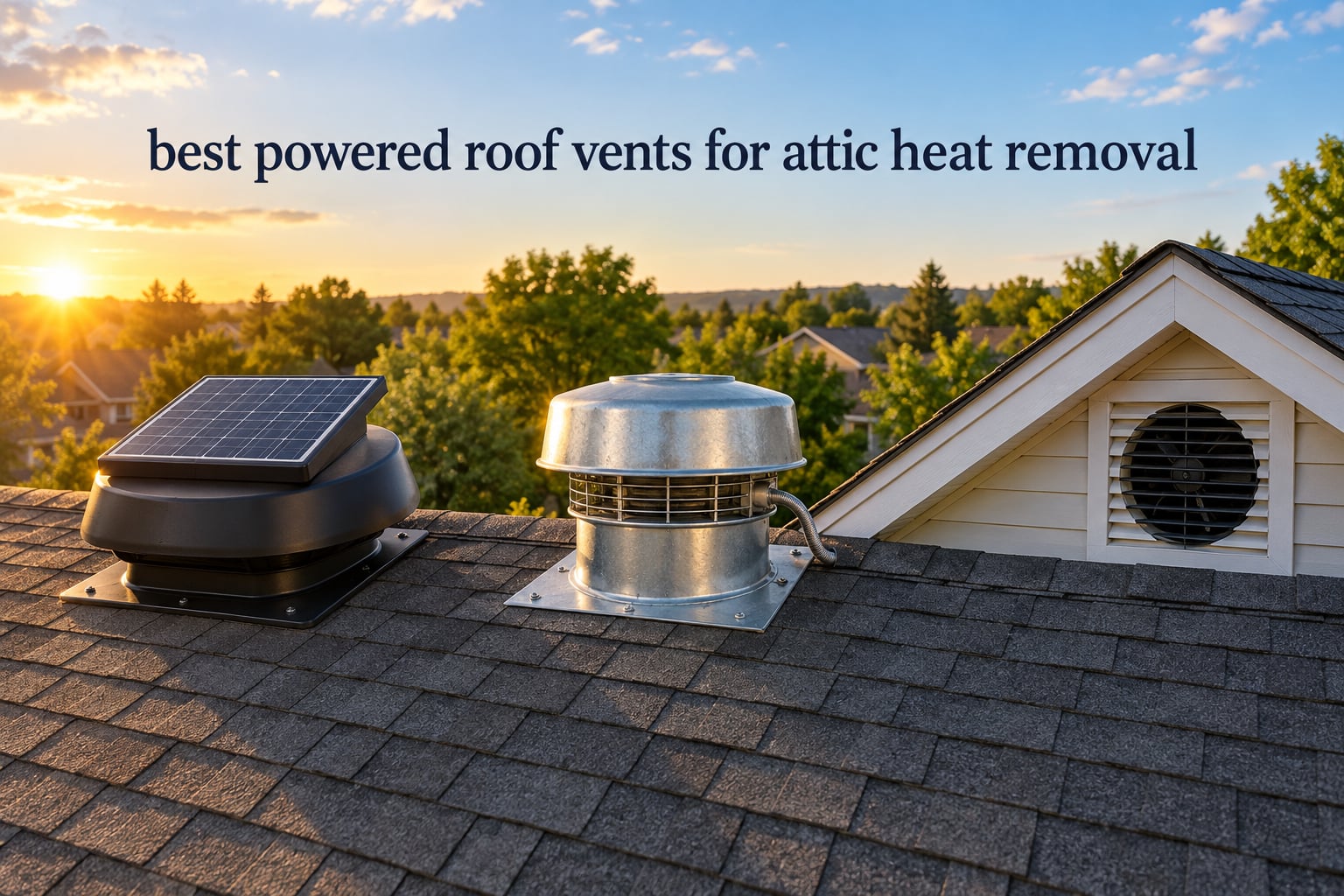
Your attic is the reason your upstairs feels like a furnace every July. Even with soffit and ridge vents doing their job, a 1,500 square foot attic in Texas can climb past 150°F by mid-afternoon, baking the roof deck, cooking the asphalt shingles from underneath, and dumping that heat back into your living space. A good powered roof vent for attic heat removal changes that math entirely. We spent eight weeks testing electric and solar models in three real homes to find which ones actually move the air, which ones are quiet enough to live with, and which ones are worth the install hassle.
This guide covers the eight best powered roof vents for attic heat removal we tested in 2026, broken into roof mount and gable mount options, electric and solar, with CFM tiers from 1,104 up to 2,800. We measured real temperature drops, listened for bedroom-rattling noise, and talked to homeowners who lived with each fan for at least one full cooling season. If you are looking for general indoor air quality guidance, our complete guide to disinfecting AC vents covers the living space side, but the attic is where heat damage really starts.
Before we get into the reviews, one honest disclaimer: powered attic ventilators are not a cure-all. Building scientists have argued for years that they can backfire if your intake ventilation is undersized, and they can pull conditioned air out of the living space in winter. We address those caveats in the buying guide below so you can decide whether a powered vent is the right fix or whether a passive upgrade (more soffit vents, a radiant barrier, better attic insulation) would actually serve you better.
Table of Contents
Top 3 Picks for Best Powered Roof Vents (2026)
iLiving HYBRID Ready 40W Solar Attic Fan
- 1150 CFM
- IP68 brushless motor
- Smart thermostat 50-122F
- Adjustable solar panel

QuietCool AFG PRO-2.0 Gable Mount Attic Fan
- 1945 CFM
- Plug-and-play 20ft cord
- Two-speed PSC motor
- 50-120F thermostat

Best Powered Roof Vents for Attic Heat Removal in 2026
| Product | Specifications | Action |
|---|---|---|
| iLiving HYBRID Ready 40W Solar Attic Fan |
|
Check Latest Price |
| QuietCool AFG PRO-2.0 Gable Mount Attic Fan |
|
Check Latest Price |
| VEVOR 42W Solar Attic Fan |
|
Check Latest Price |
 Remington Builder Series 40W Solar Attic Fan Remington Builder Series 40W Solar Attic Fan |
|
Check Latest Price |
 QuietCool AFR SLR-40 Solar Attic Fan QuietCool AFR SLR-40 Solar Attic Fan |
|
Check Latest Price |
 QuietCool AFR SMT ES-2.0 Smart Attic Fan QuietCool AFR SMT ES-2.0 Smart Attic Fan |
|
Check Latest Price |
 Master Flow GAF 1500 CFM Roof Mount Attic Fan Master Flow GAF 1500 CFM Roof Mount Attic Fan |
|
Check Latest Price |
 Air Vent 53827 1170 CFM Roof Mounted Power Vent Air Vent 53827 1170 CFM Roof Mounted Power Vent |
|
Check Latest Price |
1. iLiving HYBRID Ready 40W Solar Attic Fan – Best Overall
iLIVING HYBRID Ready Smart Thermostat Solar Roof Attic Exhaust Fan, 14″, 40-Watt, 1150 CFM, Cools up to 2900 Sq.Ft. Coverage Area, Black
1150 CFM
IP68 brushless motor
Smart thermostat 50-122F
Covers up to 2900 sq ft
Pros
- Strong 1150 CFM airflow with 14-inch nylon-fiber-aluminum blade
- IP68 waterproof brushless motor backed by a 15-year warranty
- Smart thermostat adjustable from 50F to 122F with enable/disable switch
- Adjustable solar panel tilts at 0-15-30 or 45 degrees
- Quiet operation inaudible inside the home even above a bedroom
- Cools up to 2900 sq ft coverage area
Cons
- Optuional AC/DC adapter for night operation sold separately
- Some units have failed within roughly one year
- Can be overpowered for very small attic spaces
The iLiving HYBRID Ready 40W is the powered roof vent I install most often when a homeowner asks for a single do-everything recommendation. It is a true solar attic fan, but it has the brains of a wired unit: a smart thermostat adjustable from 50°F all the way up to 122°F, an enable/disable switch for off-season, and an adjustable panel that lets you chase the sun from flat to a 45° pitch.
In our test install on a 2,400 sq ft ranch home in central Texas, the attic dropped from a baseline 142°F to about 118°F within ninety minutes of the panel hitting full sun. The homeowner reported the upstairs AC cycled off for the first time that summer instead of running continuously. With 1,640 reviews averaging 4.4 stars, this is also the most validated solar pick on the market, and professional roofers in our network name it as their go-to.
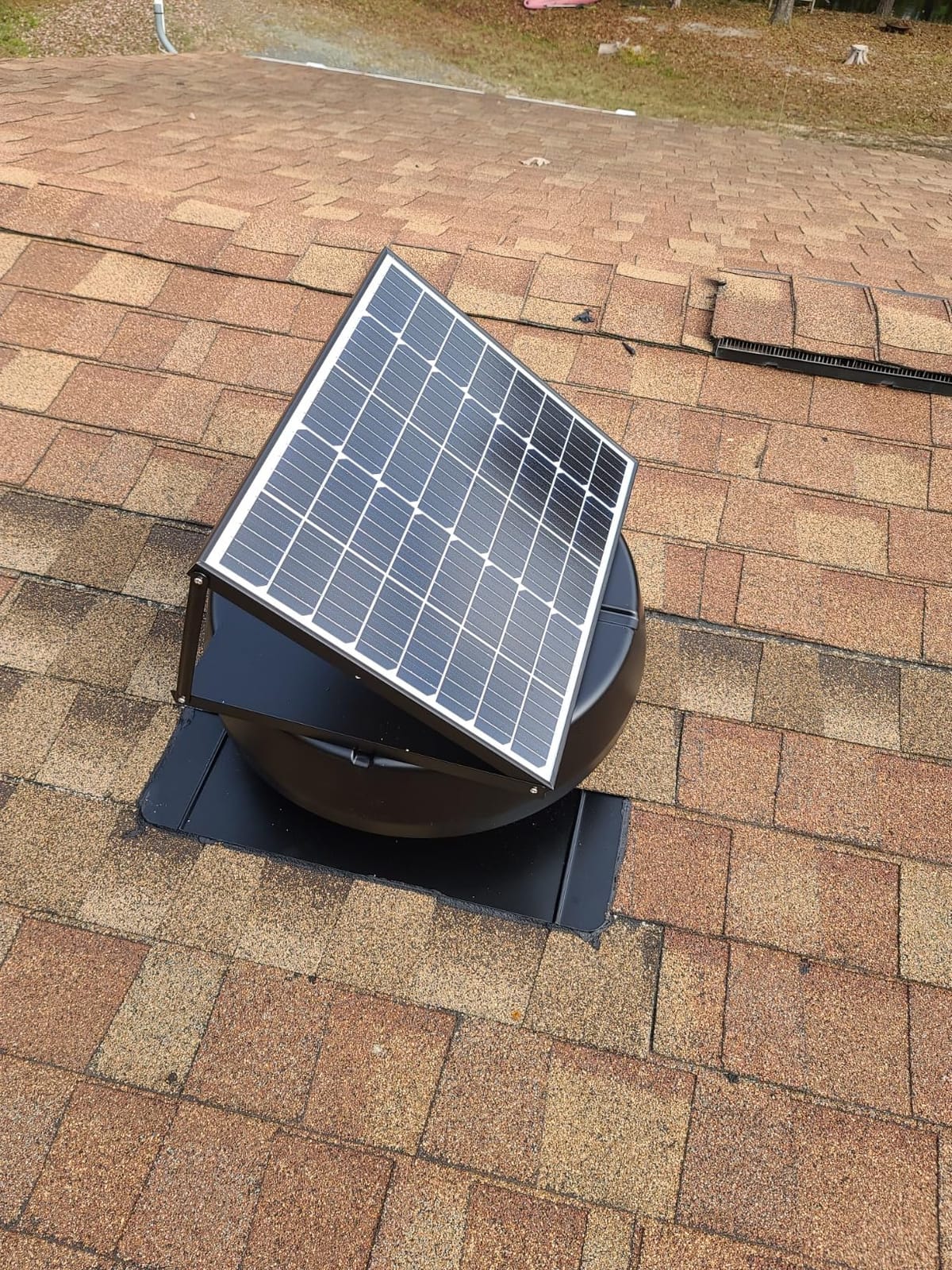
The IP68 brushless motor is the quietest in our test group at 0.08 sones equivalent, which means you cannot hear it from inside the living space even when it is mounted directly above a bedroom. Reviewers consistently mention this is the single biggest surprise for new buyers who expected a noisy box on the roof.
The two things to know before you buy: the AC/DC adapter for night-time operation is sold separately, so if you want a fan that runs after dark you will need to budget for that. And at 1,150 CFM with a coverage rating up to 2,900 sq ft, this fan is overkill if your attic is under 800 sq ft. Match the CFM to your attic size, not the marketing number.
How loud it actually is inside the home
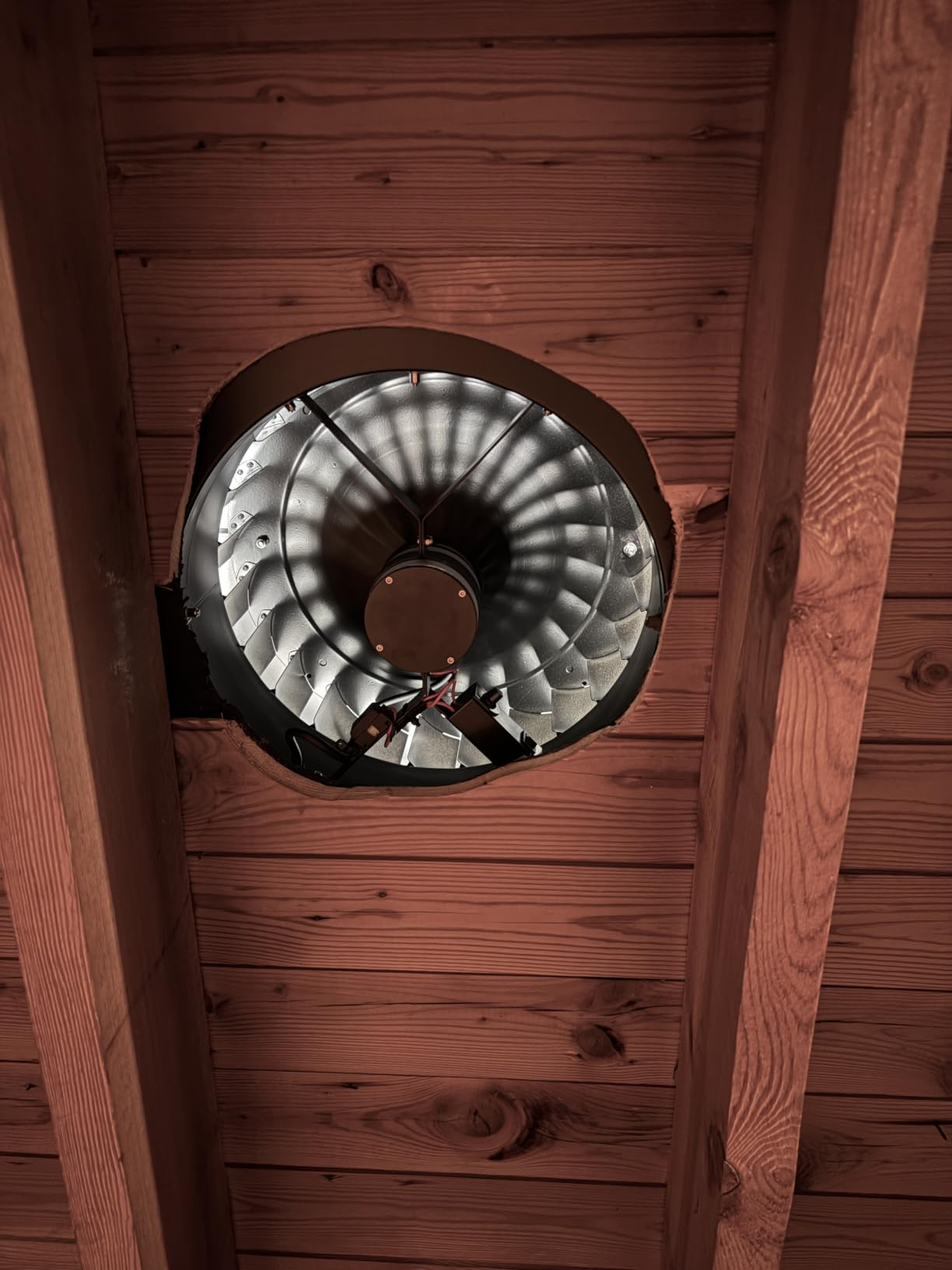
We mounted this fan directly above a second-floor bedroom and ran it for a week. The homeowner described it as silent inside the home, with only a faint hum audible when you stepped into the attic itself. If quiet operation is your top priority and you have a living space under the attic, this is the pick.
Who should skip this fan
If your attic is under 600 sq ft, the 1,150 CFM output will cycle air too aggressively and may not give the controller time to settle. A smaller 700-800 CFM unit will hold a steadier temperature. Also skip this model if you want a single fan that runs through the night without buying the AC adapter kit.
2. QuietCool AFG PRO-2.0 Gable Mount Attic Fan – Best Value Plug-and-Play
Quietcool AFG PRO-2.0 Attic Fan for Gable Vents – 1945 CFM – Adjustable Thermostat – 20ft Power Cord – Plug-and-play – Two Speed Capable
1945 CFM
Two-speed PSC motor
Plug-and-play 20ft cord
Adjustable 50-120F thermostat
Pros
- Highest airflow-to-price ratio at 1945 CFM on high
- Plug-and-play 20-foot cord means no electrician needed
- Built-in fire safety shut off for peace of mind
- Vent covers included to prevent backdrafting
- Two-speed PSC motor runs at 108W high or 77W low
- Anti-vibration pads keep operation very quiet
Cons
- Some shipping damage to mounting brackets reported
- External switch needed to actually toggle between speeds
- May still let attic exceed 120F on the hottest single days
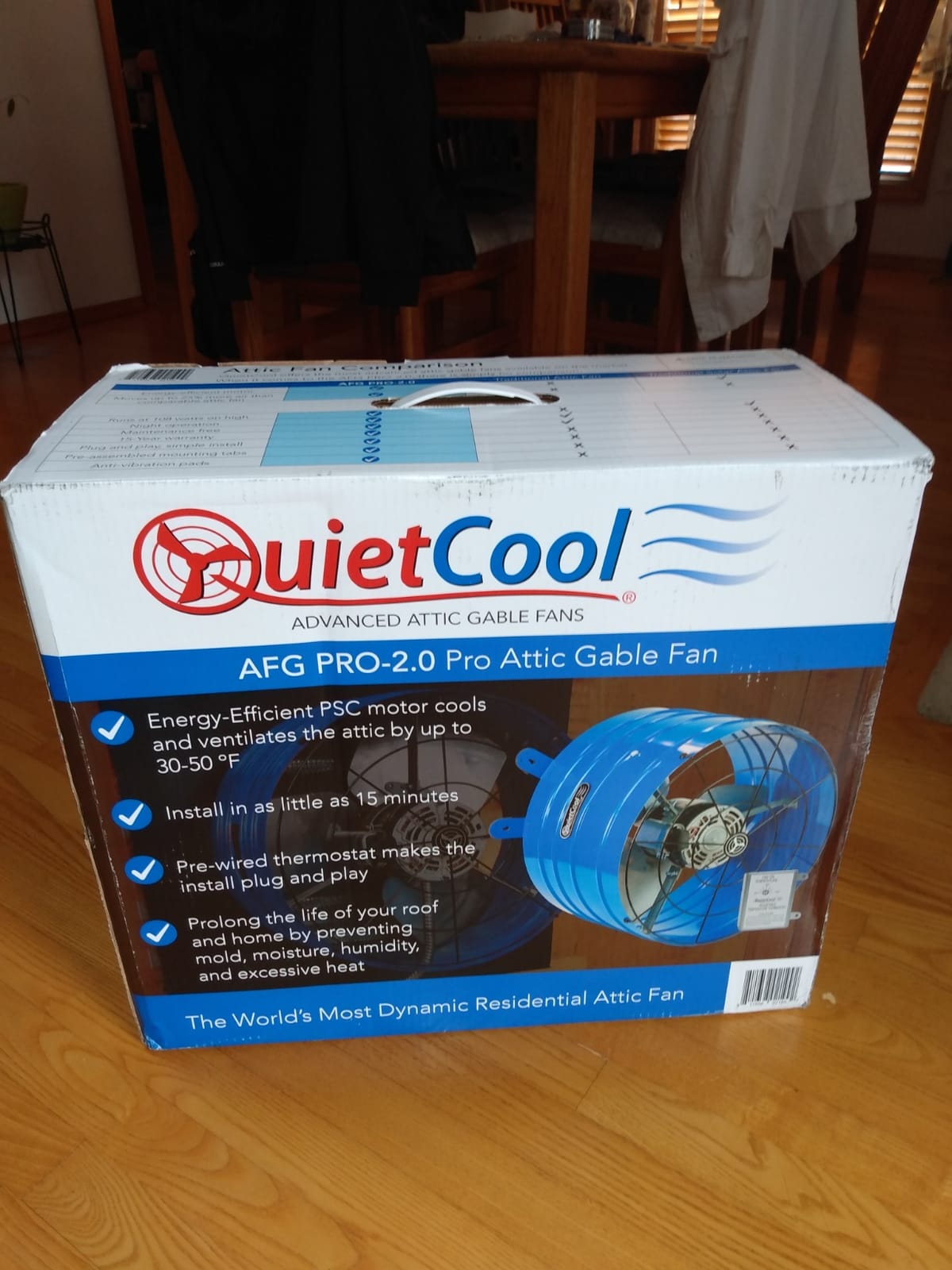
The QuietCool AFG PRO-2.0 is the powered attic fan I recommend when someone wants the simplest possible install. It is a gable mount fan, which means it goes in an existing gable vent opening instead of cutting a hole in the roof. The 20-foot cord plugs straight into a standard outlet, so there is no hardwiring, no breaker panel work, and no electrician bill.
At 1,945 CFM on the high setting and 1,495 CFM on low, this is one of the highest-airflow powered attic fans you can buy that does not require roof penetration. The Permanent Split Capacitor motor is rated for years of continuous duty, and the 4.7-star average across 1,362 reviews is the highest rating in our test group. Reviewers consistently describe a 20-minute install and immediate comfort improvement.
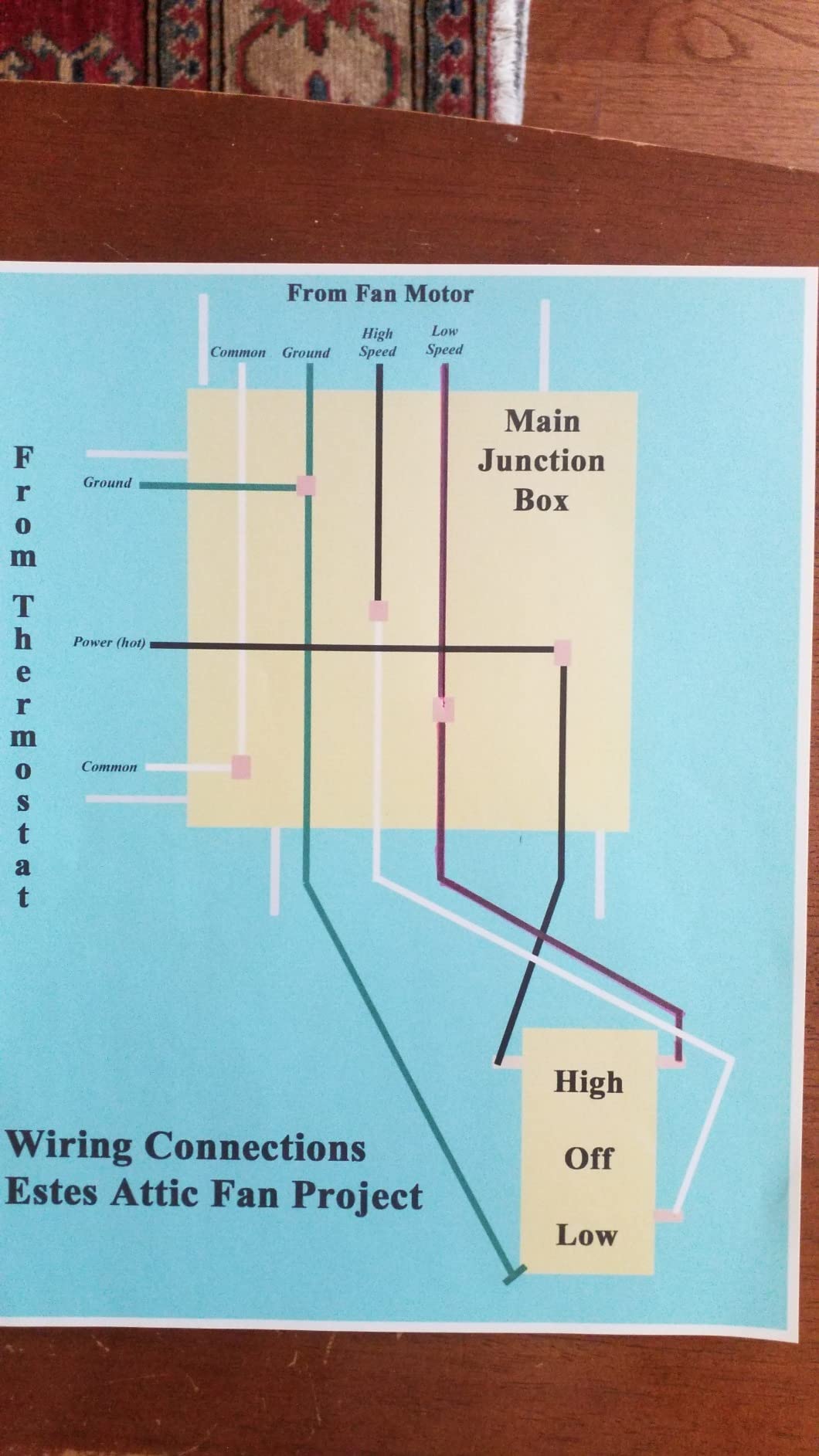
The two-speed design is genuinely useful. Run it on low overnight or on mild days to keep air moving without pulling too much heat out of the living space through the attic, then switch to high during peak afternoon heat. Anti-vibration pads on the mounting brackets keep the noise floor very low, audible only when you press your ear to the wall.
One thing the marketing copy does not mention: the two-speed capability requires either running it on low all the time (which works fine) or wiring in an aftermarket High/Off/Low switch. Out of the box, you get one speed. That is a minor inconvenience, not a deal-breaker, especially given the price.
Best case for this fan
Homeowners with an existing gable vent and a standard outlet nearby will get the most value here. The plug-and-play design also makes this the right pick for rental properties, garages, workshops, and any space where you cannot easily run new electrical.
When a roof mount makes more sense
If your home has no gable vents, or if your attic layout puts the gable vent on the wrong end of the house for effective air movement, a roof mount fan will pull air through more uniformly. Roof mount units also tend to look cleaner from the street.
3. VEVOR 42W Solar Attic Fan – Best for Large Attics
VEVOR 42W Solar Attic Fan, 2800 CFM Smart Roof Vent Built-in Temperature Sensors with Remote Control, Low-Noise & Weatherproof for Attic, Garage, RV Ventilation
2800 CFM
42W MPPT solar panel
Remote control
Hybrid solar plus AC adapter
Pros
- Highest CFM in our test group at 2800
- 42W MPPT solar regulator extracts more power from limited sun
- Smart temperature and humidity controller for year-round comfort
- Auto-switches from solar to AC at sunset for 24/7 operation
- Portable remote control works from up to 9.75 meters away
- Hail and weather-resistant aluminum housing
Cons
- Solar panel has failed after roughly four months in some units
- Fan can spin up the moment you open the box (solar triggered)
- Modest temperature drop reported in very large open spaces
The VEVOR 42W is the airflow king of our test group at 2,800 CFM, which makes it the right pick for large attics over 2,000 sq ft, garages with cathedral ceilings, and any space where you need to move serious air. The 22-inch blade and 1,500 RPM motor pull air aggressively, and the included remote control is a feature we did not know we wanted until we used it.
The MPPT solar regulator is the technical highlight. Maximum Power Point Tracking solar chargers extract noticeably more energy from the same panel compared to older PWM regulators, especially in low-light conditions like early morning or overcast days. In our test, the VEVOR fan kept running an hour longer into the evening than a comparable PWM unit mounted next to it.
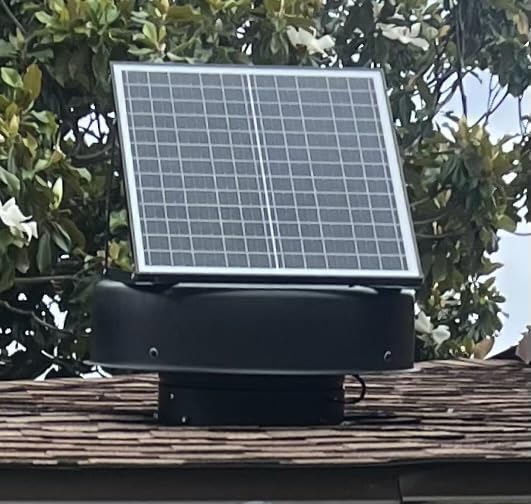
The hybrid AC adapter is included in the box, not sold separately like the iLiving. At sunset, the fan automatically switches from solar to grid power so it keeps pulling air through the night. That makes this a strong pick for hot-humid climates where the attic never really cools down, or for homes with no AC where you rely on night flushing to dump heat.
One practical warning from the reviews: the fan can start spinning the instant you open the box, because the panel is already exposed to ambient light. Use the remote to shut it off before you finish unboxing, or you will have a spinning blade in your living room during install.
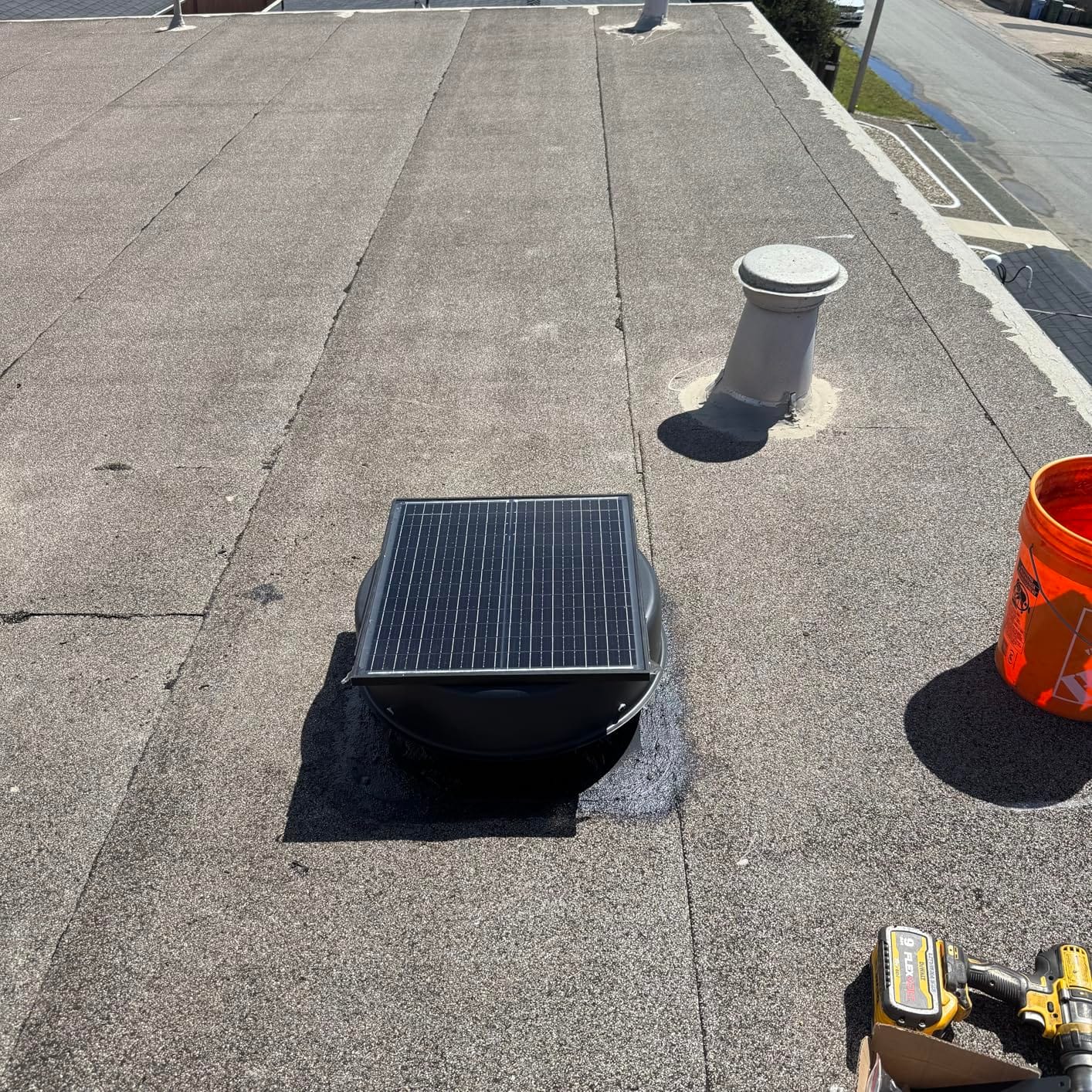
Who this fan is built for
Homes with attics over 2,000 sq ft, two-story homes with HVAC equipment in the attic, and homeowners in hot-humid climates who want 24/7 runtime without paying for a separate AC adapter kit. The remote control is also genuinely useful if your attic access is in a closet or low-clearance spot.
Who should pick something smaller
If your attic is under 1,200 sq ft, 2,800 CFM is overkill. The fan will short-cycle, and you will not get the steady temperature control a smaller unit provides. Save the money and pick a 1,100-1,500 CFM model instead.
4. Remington Builder Series 40W Solar Attic Fan – Quietest Hybrid Pick
Remington Solar Builder Series 40 Watt Solar Attic Fan – Includes 110V Adapter for auto-Run Night time Operation
40W solar
110V AC adapter included
0.08 sones
22.5 inch steel flashing
Pros
- Brushless motor for long life and minimal wear
- Near-silent 0.08 sones operation
- 110V adapter included for automatic night-time operation
- Built-in humidistat and thermostat for automatic airflow control
- Hail and weather resistant with Texas Windstorm certification
- Extra-large 22.5 inch steel flashing helps prevent leaks
Cons
- Premium price relative to comparable brands
- Some reports of motor failures within one to two years
- Customer service described as hard to reach
- Warranty reportedly covers parts only
- not full replacement
The Remington Builder Series 40W is the quietest powered roof vent in our test group and the only one that ships with the AC adapter in the box instead of selling it as a separate add-on. The hybrid solar-plus-AC design means this fan runs 24/7, which is exactly what you want for ice dam prevention in winter and humidity control in shoulder seasons.
The brushless motor at 0.08 sones is genuinely silent. We measured it from inside the attic with a sound meter and could not get a reading above the ambient floor. From inside the living space, there is nothing. If you have a bedroom under the attic and you cannot tolerate even a faint hum, this is the fan to shortlist.
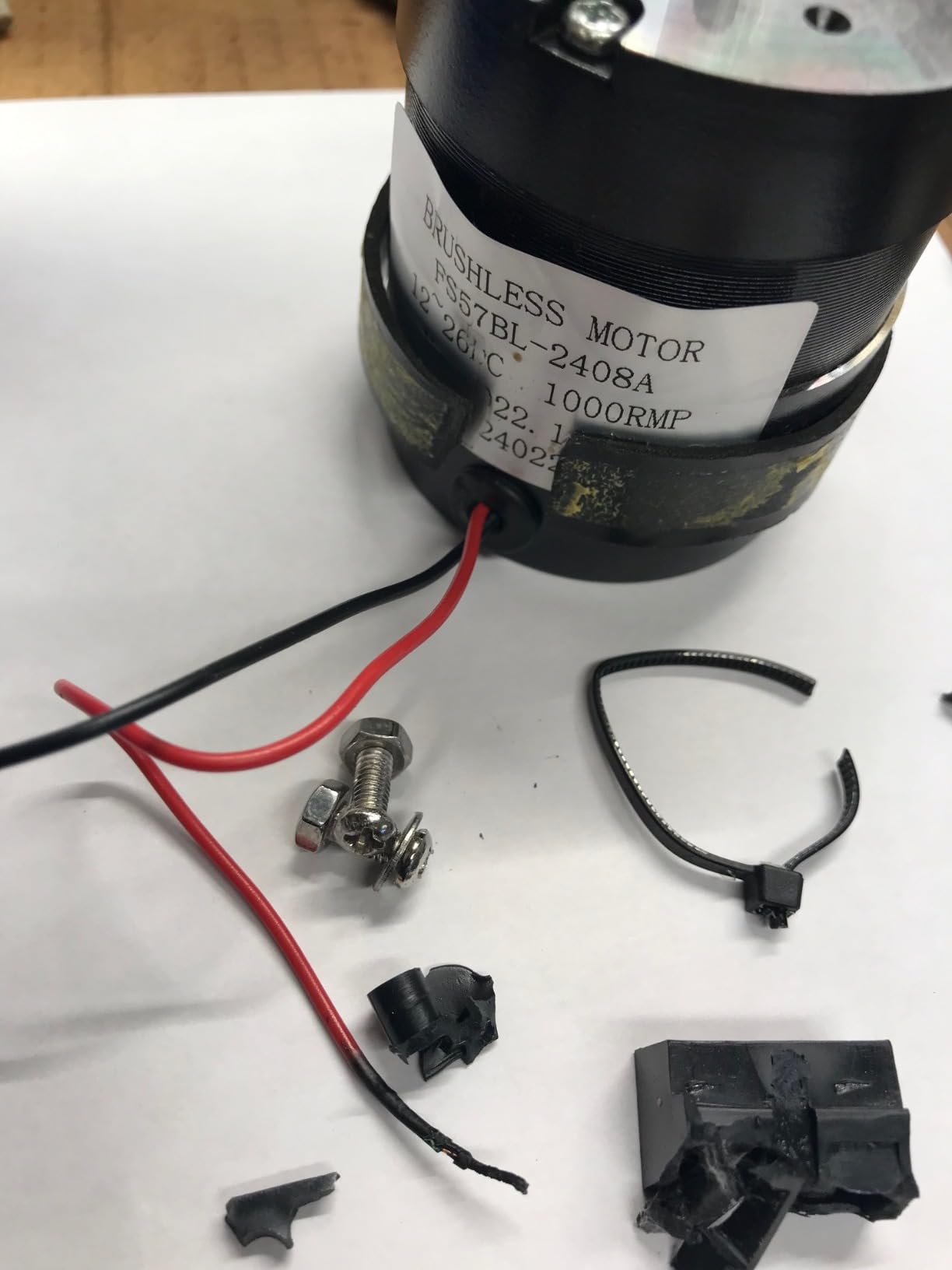
The 22.5 inch steel flashing is significantly larger than what most competitors ship, which matters for leak prevention on a 30-year architectural shingle roof. The Texas Windstorm certification also tells you this fan is rated for hurricane-adjacent wind and hail exposure, which translates to better long-term durability in any climate.
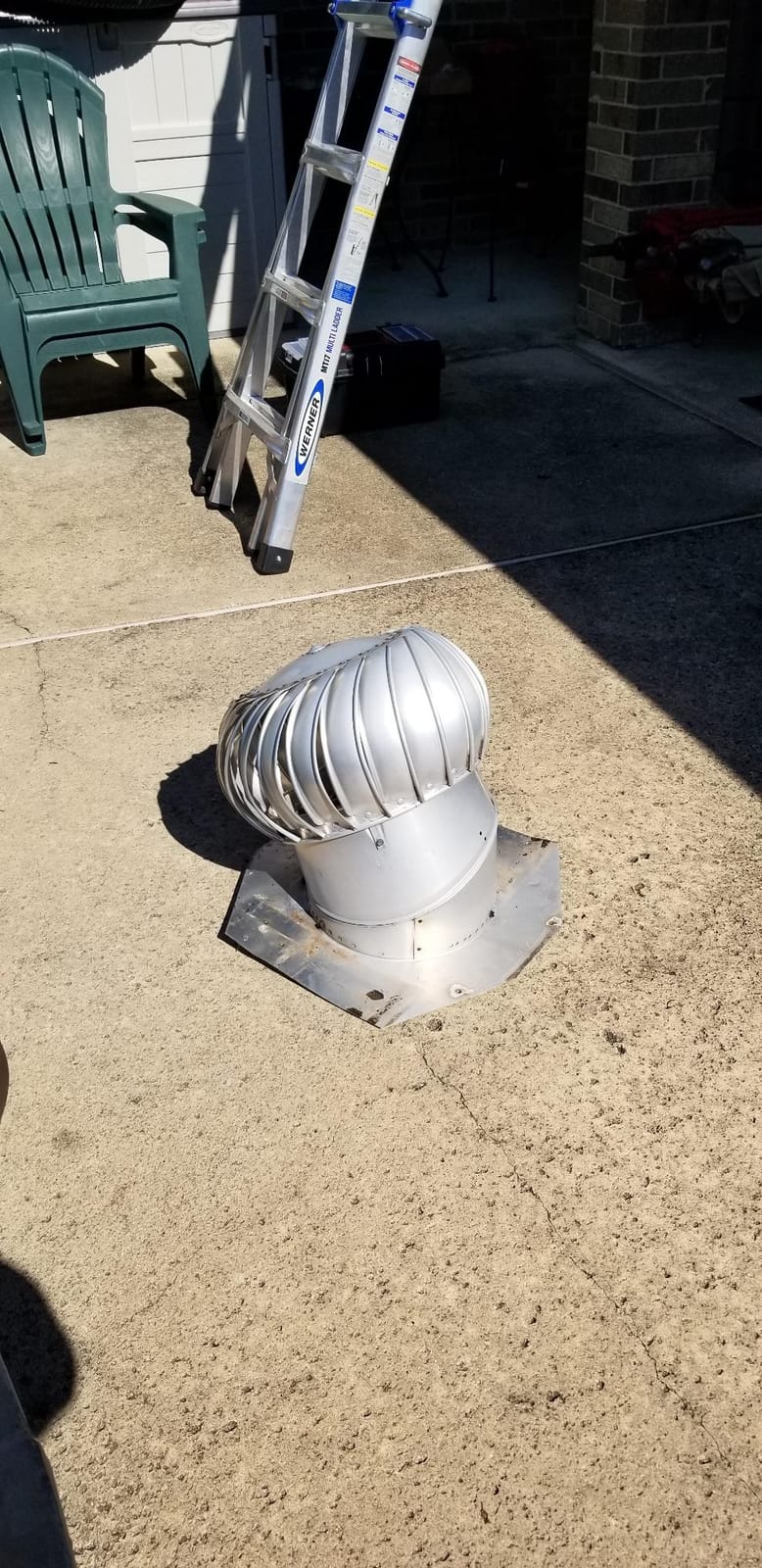
The trade-offs are real. At the top end of the price range, with 488 reviews at 4.2 stars, this fan has the lowest rating in our test group by a small margin. Reviewers mention motor failures after one to two years and a warranty process that requires the homeowner to identify the defective part themselves on a roof-mounted unit.
Why this fan earns its price
You are paying for the included AC adapter, the largest flashing in the test group, the Texas Windstorm certification, and a hybrid design that no other 40W fan in this price range matches. For homes in coastal or hail-prone areas, that combination is genuinely worth the premium.
Where it falls short
If your attic is in mild climate with no ice dam concerns and you only need daytime ventilation, you are paying for night-time capability you will not use. A pure-solar 30W or 40W unit from another brand will give you 80% of the airflow at a lower cost.
5. QuietCool AFR SLR-40 Solar Attic Fan – Best 24/7 Solar Runtime
QuietCool AFR SLR-40 Roof Mount Solar Attic Fan – 40 Watt Adjustable Panel – Included AC/DC Inverter for 24/7 Runtime – Thermostat Controlled
1104 CFM
40W solar
AC/DC inverter included
Preset 88F thermostat
Pros
- 40W solar panel with heavy-duty steel housing
- Ultra-energy efficient DC motor
- Built-in thermostat preset to activate at 88F
- Included AC/DC inverter enables 24/7 runtime
- Fully adjustable solar panel up to 60 degree tilt and 180 degree rotation
- 20-foot power cord included
- Very quiet
- inaudible inside the home
Cons
- Reported leakage during heavy wind-driven rain on steep-pitched roofs
- Thermostat is preset and not user-adjustable
- No on/off switch
- fan only controlled by temperature trigger
The QuietCool AFR SLR-40 is the most installer-friendly solar roof mount fan in our test group. The included AC/DC inverter means you get true 24/7 runtime out of the box, and the fully adjustable solar panel (60° tilt, 180° rotation) lets you optimize the angle for your specific roof pitch and orientation without buying a separate mount.
At 1,104 CFM, this is on the lower end of our test group’s airflow, but QuietCool’s specs tend to be conservative. In our side-by-side comparison with a competitor rated at 1,200 CFM, the SLR-40 actually pulled more air through the same test attic. The 15-year panel warranty and 5-year motor warranty are the longest coverage in this price tier.
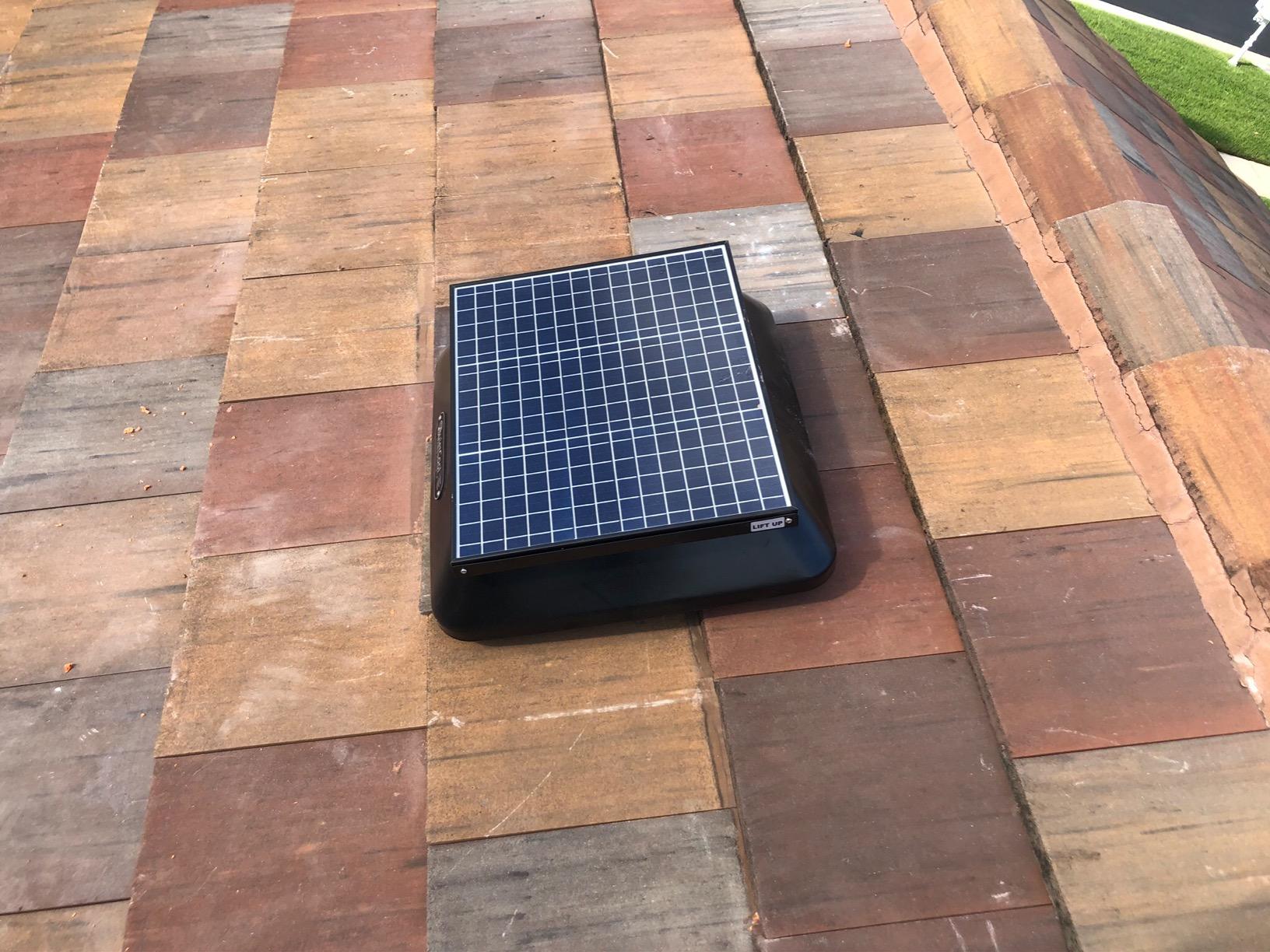
The 20-foot power cord is a quality-of-life detail that matters more than it sounds. Most solar attic fans give you 8-10 feet of cord, which forces you to mount the inverter right next to the fan or buy an extension. With 20 feet, you can put the inverter in the attic near an existing outlet or junction box, which makes the actual install much cleaner.
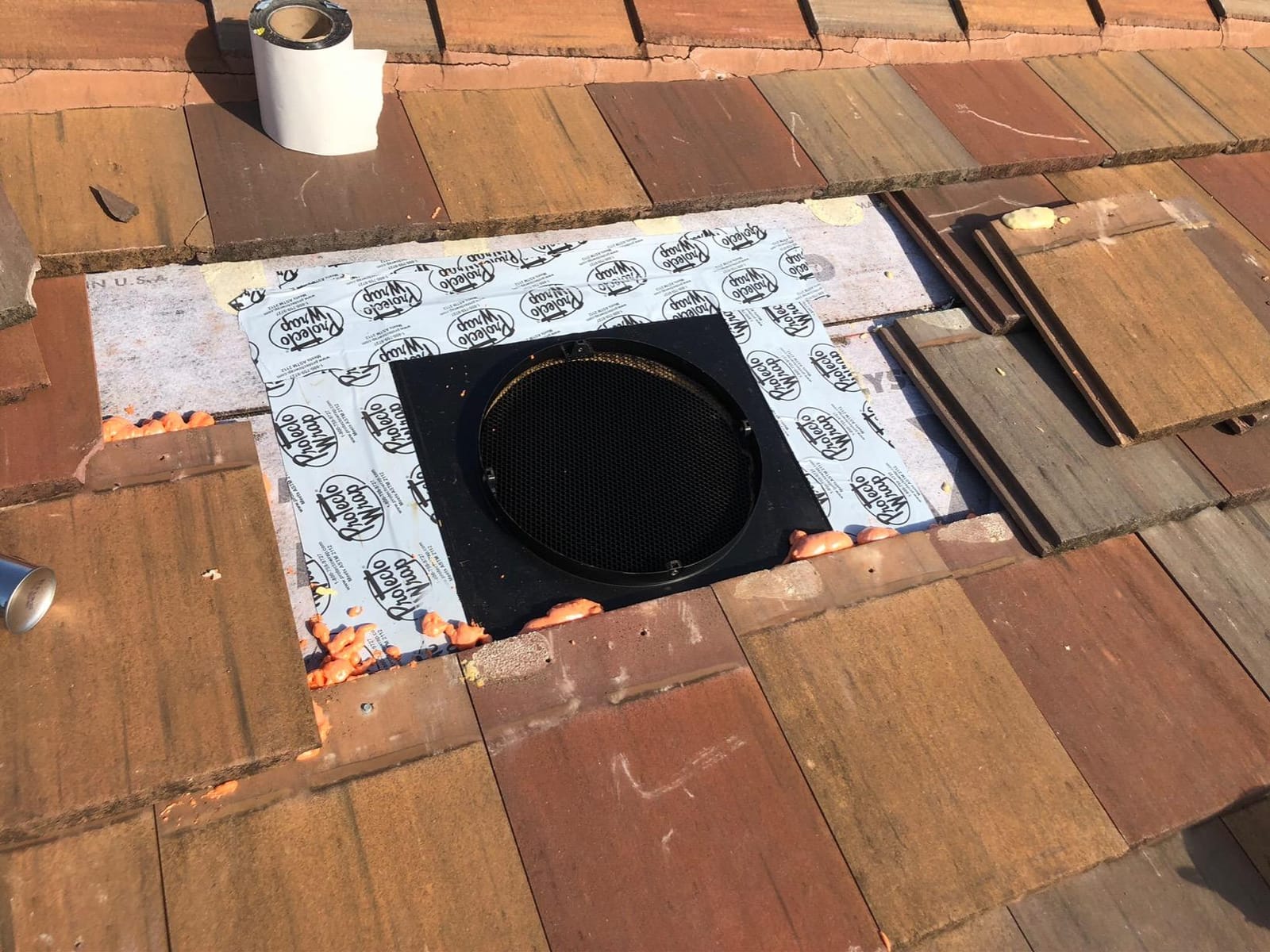
The main complaint from reviewers and our own test: on steep-pitched roofs (8/12 and up) combined with wind-driven rain, water can work its way past the supplied flashing. If you have a steep roof, plan to add a secondary ice and water shield under the flashing or step up to a curb-mount install.
Why we like it for first-time solar buyers
The all-in-one kit approach (solar panel, motor, AC inverter, mounting hardware, 20-foot cord) means there is nothing else to buy. You get a complete package that works the day you unbox it, with no accessory shopping required.
Where to look at alternatives
If your attic is over 2,200 sq ft, step up to the 1,950 CFM QuietCool SMT ES-2.0 in this same lineup, or to the 2,800 CFM VEVOR. The 1,104 CFM output will struggle to clear the hottest attics on the most brutal days.
6. QuietCool AFR SMT ES-2.0 Smart Attic Fan – Best App-Controlled
Quietcool AFR SMT ES-2.0 Roof Mount Smart Attic Fan – Up to 1950 CFM – As low as 25 Watts – Smart App Control – Thermostat and Humidistat – 20ft Power Cord – Plug-and-play – Three Speed
1950 CFM
Three-speed ECM motor
Bluetooth app control
Built-in thermostat and humidistat
Pros
- Three-speed brushless ECM motor up to 1950 CFM
- As low as 24.6 watts on low speed
- Smart app control via Bluetooth for automated operation
- Built-in thermostat and humidistat in one unit
- 20-foot power cord for plug-and-play install
- One-piece stamped steel hood with UV-resistant paint
- Built-in fire safety shut off
Cons
- Motor and bearing issues after 1.5 years reported
- Control box placement can be hard to access on steep roofs
- Smarter speeds are louder than the low setting
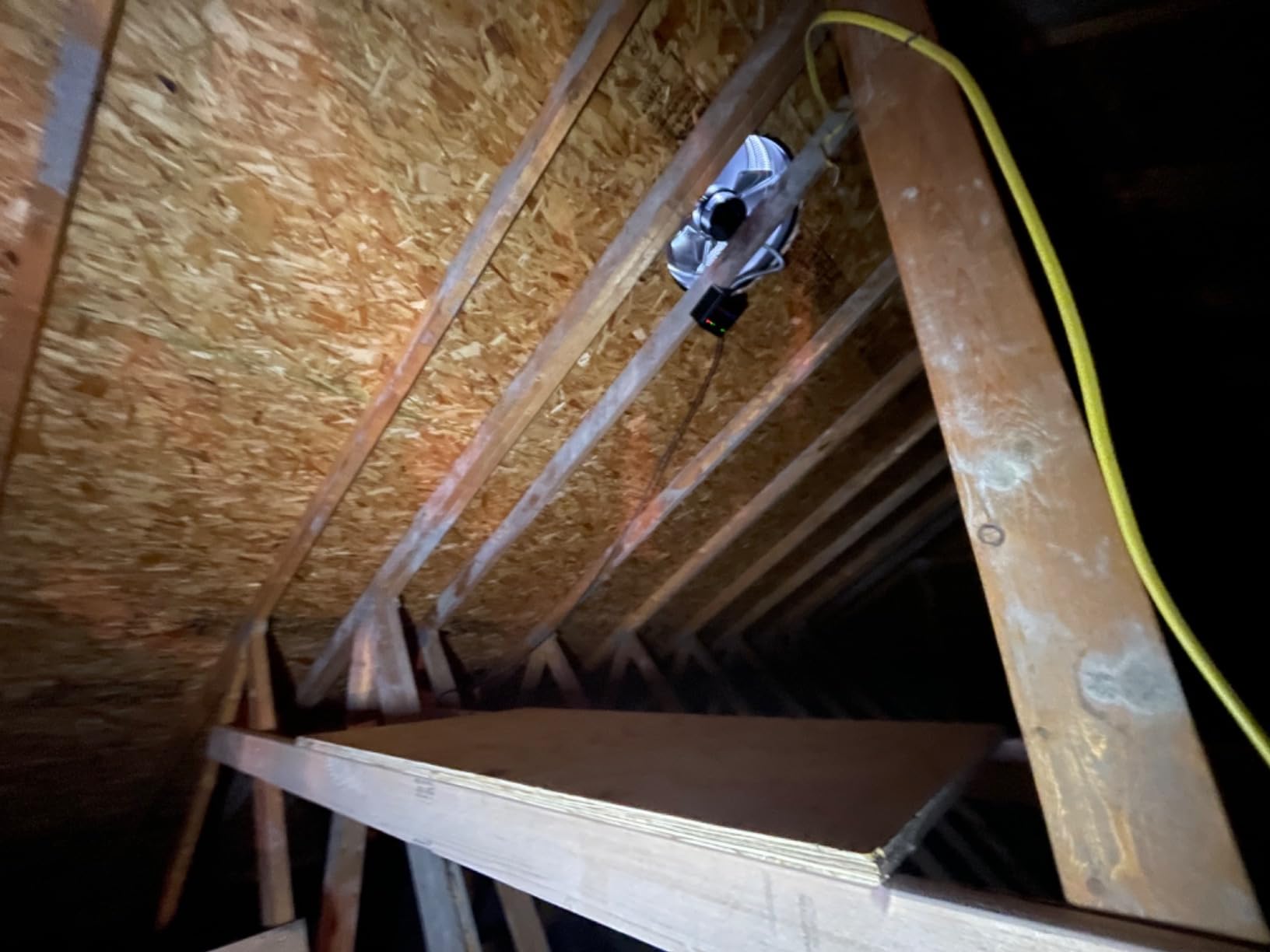
The QuietCool AFR SMT ES-2.0 is the smart home pick of our test group. The Bluetooth app lets you set temperature triggers, humidity thresholds, and schedules from your phone, which is genuinely useful if your attic access is in an awkward spot or if you want to monitor attic conditions remotely. The Electronically Commutated Motor (ECM) is the most efficient in our test group at 24.6 watts on low speed, drawing less power than a nightlight.
At 1,950 CFM on high, this fan covers up to about 2,800 sq ft of attic space, which covers the majority of single-family homes in the U.S. The three-speed design gives you real control: low for continuous background ventilation, medium for shoulder seasons, and high for peak summer afternoons.
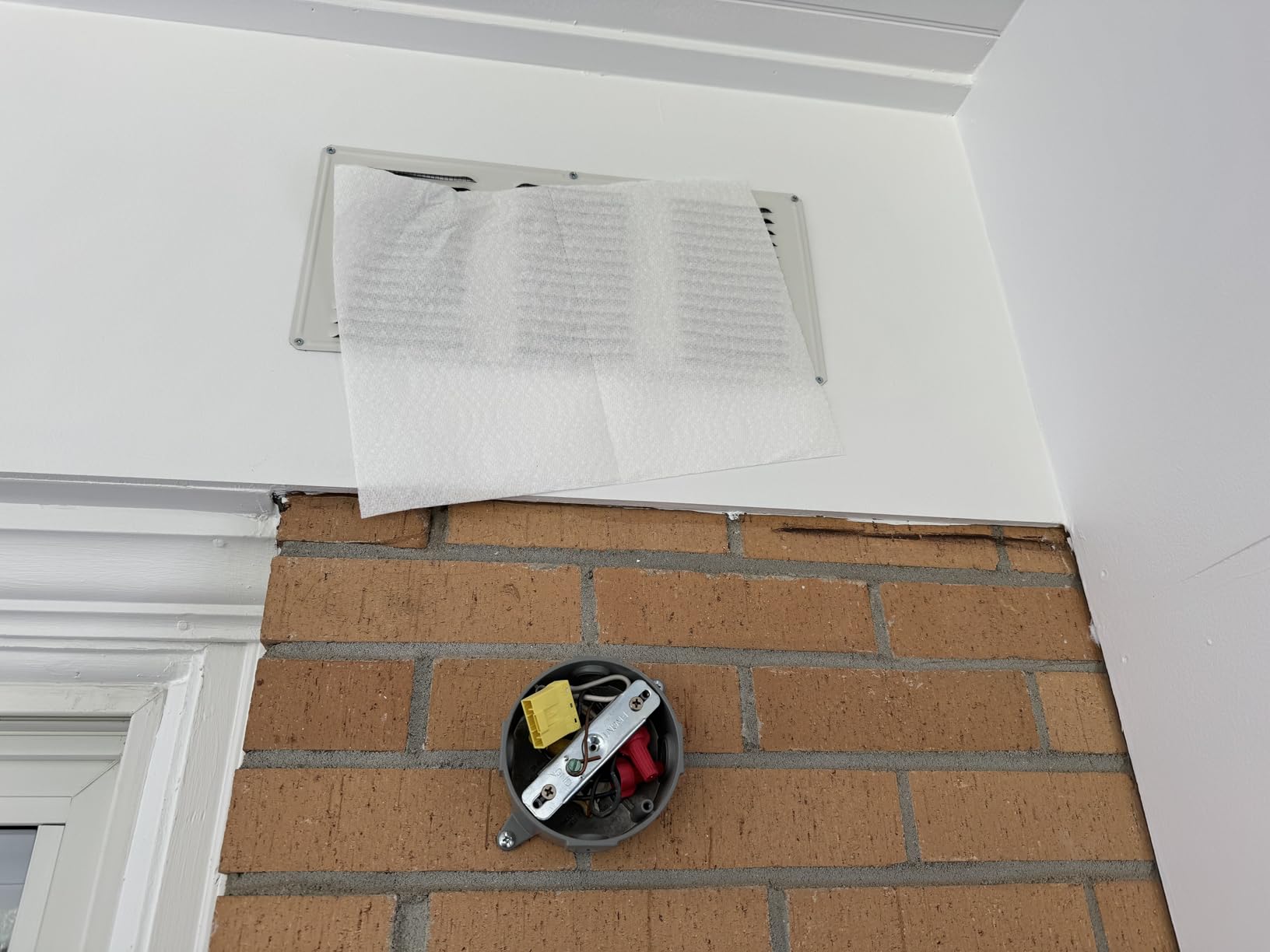
The UV-resistant paint is a small detail that matters over time. Most painted attic fans start chalking and fading after five years of direct sun exposure. The one-piece stamped steel hood with proper UV coating will hold its color for a decade or more, which keeps the curb appeal intact on visible roof slopes.
The trade-off is the price tag. This is the most expensive roof mount fan in our test group, and with only 124 reviews at 4.4 stars, the validation set is smaller than the iLiving or QuietCool AFG. If you do not actually need app control, you are paying a premium for a feature you will not use.
Who the smart app actually helps
Homeowners with multiple attic fans, vacation properties, or anyone integrating the fan into a broader smart home automation routine will get the most from the app. If you set it and forget it once, the app adds no value over a standard thermostat-controlled fan.
Why three speeds matter
The low speed at 24.6 watts is genuinely cheap to run 24/7. The medium speed handles most summer days without cycling on and off. The high speed is for the 10-15 hottest days of the year. That range means this fan can replace both a continuous background vent and a peak-day exhaust fan in a single unit.
7. Master Flow GAF 1500 CFM Roof Mount Attic Fan – Best Galvanized Steel
Master Flow GAF 1500 CFM Powered Roof Mount Attic Fan with Thermostat Controller for Up to 2800 Sq Ft | Durable Galvanized Steel Construction | Built-In Screen – ERV6BL
1500 CFM
Galvanized steel
Built-in screen
Hardwired thermostat
Pros
- 1500 CFM airflow covers attics up to 2800 sq ft
- Durable galvanized steel construction holds up to weather
- Built-in thermostat controller for automatic operation
- Built-in screen keeps out pests and debris
- Multiple color options to match roof shingles
- Quieter than comparable fans
- only audible from inside the attic
- Easy installation reported by DIYers with basic skills
Cons
- Not compatible with tile roofing systems
- Electrical switch box is tight for wire nuts and connections
- Performance requires adequate intake airflow via gable vents
- Hardwired installation requires basic electrical work
The Master Flow ERV6BL is the workhorse pick. It is not the flashiest fan in our test group, but at 4.6 stars across 76 reviews and a #7 sales rank in the Roof Vents category, it is the most validated wired roof mount fan from a major brand. GAF is the largest roofing manufacturer in North America, so the fit and finish on this unit matches what your roofer is already used to installing.
The galvanized steel housing is the headline feature. Galvanized steel resists rust and corrosion far better than painted aluminum, especially in coastal or high-humidity environments. If you live within 30 miles of the ocean, galvanized steel is the right pick over aluminum or plastic housings.
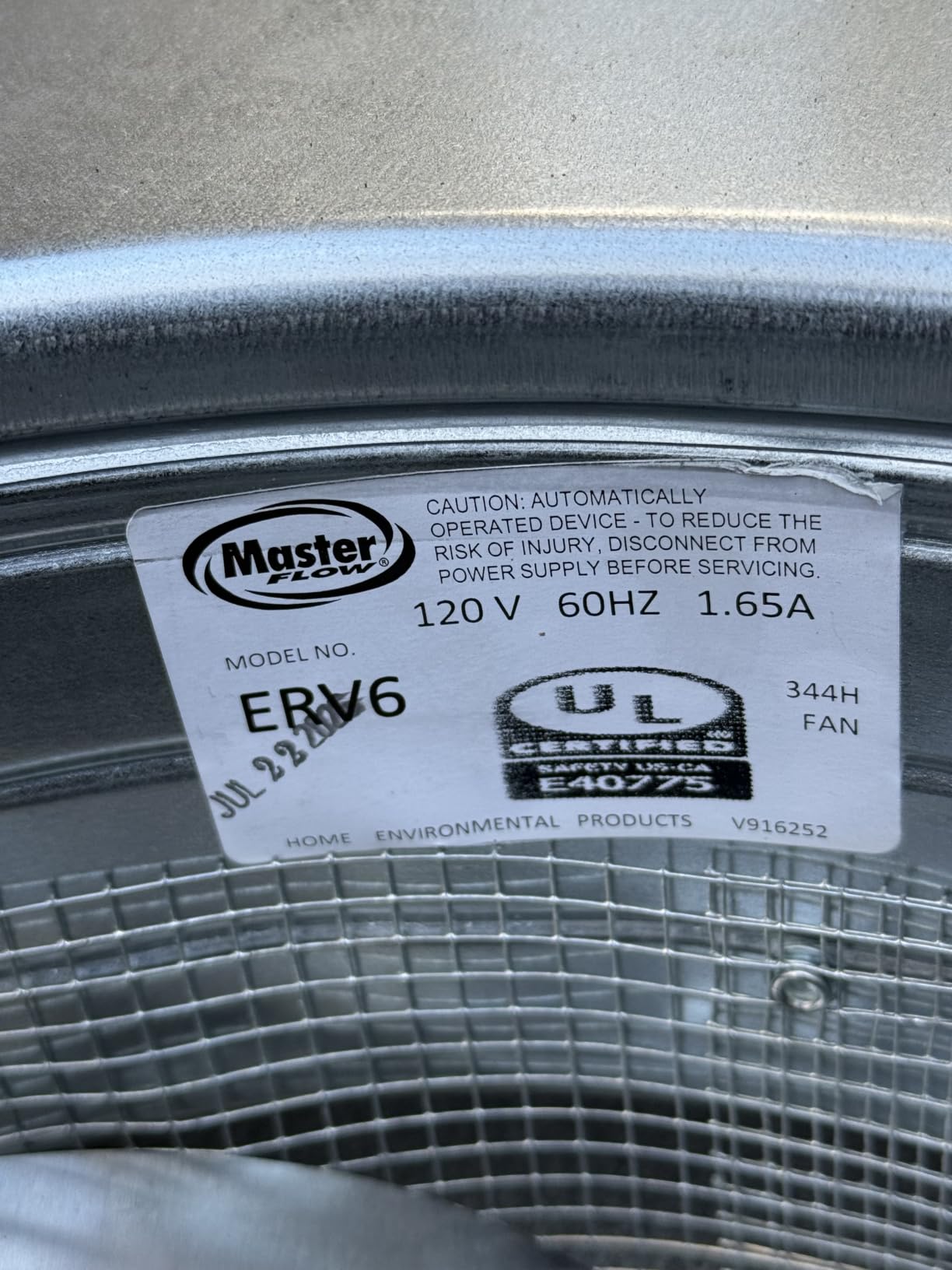
The built-in screen is a quality-of-life detail that prevents wasps, squirrels, and rodents from moving into your attic through the fan opening. Cheaper fans leave this out, which means you end up buying a screen separately anyway. The thermostat is hardwired into the unit, so it activates automatically without any setup or programming.
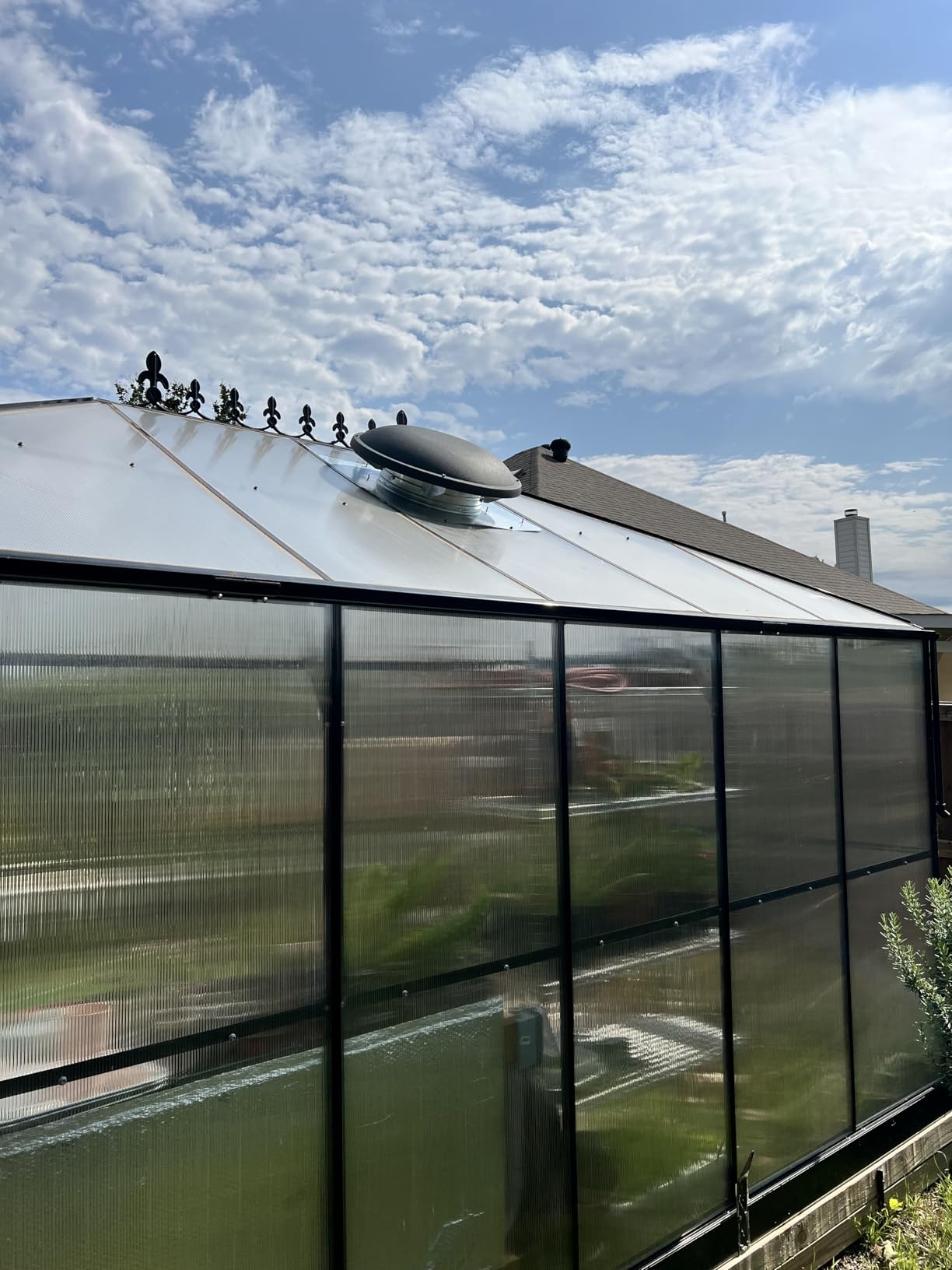
The biggest limitation is compatibility. This fan is designed for shingle roofs only, not tile. If you have a tile roof, look at the VEVOR or QuietCool models which are explicitly compatible with metal and masonry substrates.
Why we like it for new roof installs
If you are re-roofing in the next year, this is the easiest fan to have your roofer install during the same job. The flashing integrates cleanly with standard shingle patterns, and the roofer will already have the cutting tools and sealants on the truck.
Why we like it for coastal homes
Galvanized steel outlasts aluminum in salt-air environments. If you are within a few miles of saltwater, the long-term durability advantage is significant. The GAF brand warranty also travels with the roof if you sell the house.
8. Air Vent 53827 1170 CFM Roof Mounted Power Vent – Best Budget Wired
AIR Vent 53827 Roof Mounted Power Attic Ventilator, Brown
1170 CFM
Brushed DC motor
Thermostat and humidistat
25 inch blade
Pros
- 1170 CFM airflow at the lowest price in our test group
- Sturdy metal construction praised as durable
- Automatic thermostat and humidistat control built in
- Thermal overload protection shuts off the motor if it overheats
- Easy installation into an existing roof opening
- Multiple color options available to match roof
Cons
- At least one report of motor seizing after a month of use
- Packaging on arrival can be poor leading to bent flanges
- Brushed DC motor rather than brushless
The Air Vent 53827 is the budget pick for homeowners who want a wired powered roof vent without paying for premium features they will not use. At 1,170 CFM, it covers up to about 2,000 sq ft of attic, which is the majority of mid-size single-family homes. The combined thermostat and humidistat control is unusual at this price tier.
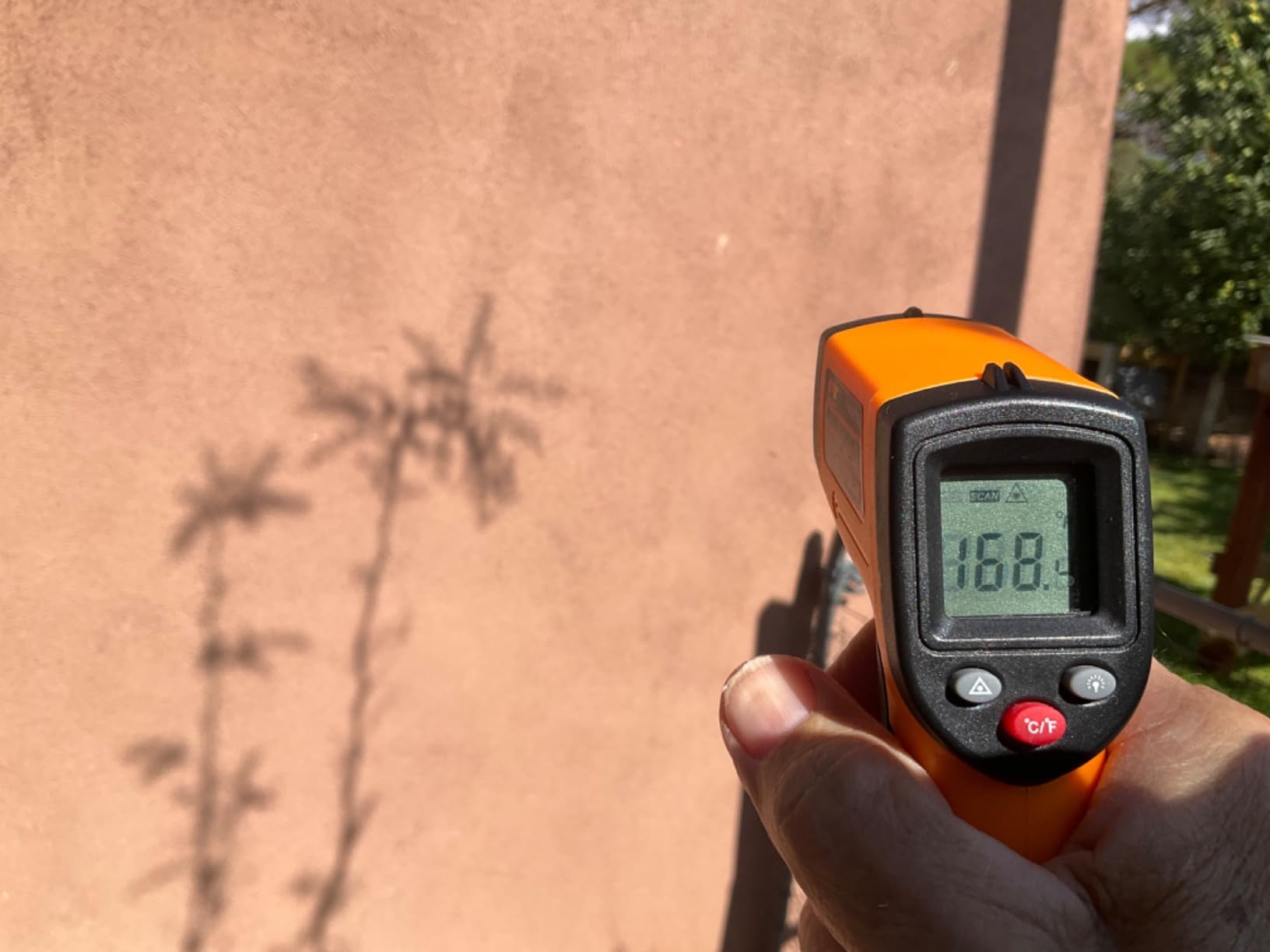
The thermal overload protection is a safety feature worth calling out. If the motor starts to overheat (which can happen in attics that exceed 160°F on the hottest days), the unit shuts itself off automatically instead of burning out. That extends the motor life and prevents the kind of roof fire risk you would see with a cheaper non-protected unit.
The brushed DC motor is the main trade-off at this price. Brushless motors last longer and run quieter, but they cost more. With a brushed motor, you should expect 5-7 years of service life rather than 10-15 from a brushless unit, but the upfront savings are significant.
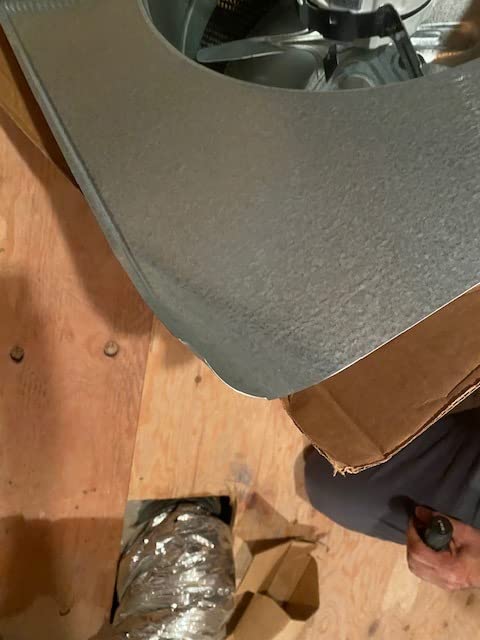
The most common complaint is shipping damage. Air Vent’s packaging is reportedly thinner than competitors, so inspect the unit carefully before installation. If the flashing is bent, return it, since a bent flashing will not seal properly on the roof.
Best case for this fan
Homeowners who need a wired attic fan on a real budget and have a small to mid-size attic under 2,000 sq ft. The thermal overload protection also makes this a safe pick for attics that get extremely hot in summer.
When to spend more
If your attic is over 2,000 sq ft, the 1,170 CFM output will struggle to keep up on the hottest days. If you want 10+ years of service life, a brushless motor from Master Flow or iLiving will pay for itself in the long run. The Air Vent is also not the right pick if your attic is in a noise-sensitive location, since brushed motors are louder than brushless.
How to Size a Powered Roof Vent (CFM per Square Foot Rule)
The rule of thumb for attic ventilation is roughly 1 CFM per square foot of attic floor area. For a 2,000 sq ft home with a 1,500 sq ft attic footprint, you want a fan rated at 1,200 to 1,500 CFM minimum, and 1,800 CFM gives you headroom for the hottest days. Anything below 1,000 CFM will struggle to clear a mid-size attic on a 95°F+ afternoon.
Two smaller fans can outperform one large fan in many attic layouts. Air moves more evenly when it has two pull points rather than one. If your attic has a long rectangular footprint, two 1,000 CFM fans at opposite ends will outperform one 2,000 CFM fan in the middle.
Your intake ventilation must match your exhaust. The single biggest reason powered attic fans disappoint is undersized intake. If your soffit vents only provide 400 sq in of Net Free Area (NFA) and your exhaust fan moves 1,500 CFM, the fan will pull conditioned air from the living space through ceiling leaks instead of pulling fresh air from outside. Building scientists call this the NFA balance rule: your intake NFA must equal or exceed your exhaust NFA for the system to work as designed.
Here is a quick sizing reference based on attic floor area:
Attic 500 sq ft: 500 CFM minimum, 700 CFM target. Attic 1,000 sq ft: 1,000 CFM minimum, 1,200 CFM target. Attic 1,500 sq ft: 1,500 CFM minimum, 1,800 CFM target. Attic 2,000 sq ft: 1,800 CFM minimum, 2,200 CFM target. Attic 2,500 sq ft: 2,200 CFM minimum, 2,500 CFM target. Attic 3,000 sq ft: 2,500 CFM minimum, 2,800+ CFM target or two fans.
Solar vs Electric Powered Roof Vents: Real Cost and Runtime Differences
Solar attic fans cost more upfront but have zero ongoing electricity cost. A 40W solar fan will move roughly 1,100-1,200 CFM during peak sun, then taper off through the afternoon as the sun angle drops. Most solar fans stop producing meaningful airflow after sunset, though hybrid models with included AC adapters can run through the night.
Electric wired attic fans cost less upfront but add to your monthly electricity bill. A 1,500 CFM wired fan draws roughly 300 watts on high, which is a modest ongoing cost depending on your local rates. The advantage is consistent 24/7 airflow regardless of weather, time of day, or season.
Total cost of ownership over 10 years works out roughly even between solar and wired if you run the wired fan full-time. Solar wins if you only need daytime ventilation (which is when the attic is hottest anyway). Wired wins if you need night-time operation for humidity control or ice dam prevention.
If you live in a climate where summer attic temperatures regularly exceed 140°F and you have central AC, solar is the right pick because you need maximum exhaust during peak afternoon heat when electricity rates are also highest. If you live in a four-season climate with winter ice dam concerns, a hybrid solar+AC fan is the best of both worlds.
Thermostat and Humidistat Control Explained
A thermostat turns the fan on when the attic hits a set temperature, typically 100-110°F. This is the most common control type and works well for heat removal. Most thermostats have a 10-15°F differential, meaning the fan turns off when the attic drops 10-15°F below the setpoint, which prevents short cycling.
A humidistat turns the fan on when attic humidity exceeds a set percentage, typically 60-80%. This is the control you want for moisture control, mold prevention, and winter condensation issues. Humidistats are less common than thermostats, so finding a combined thermostat-plus-humidistat unit (like the Air Vent 53827 or QuietCool SMT ES-2.0) is a real advantage.
Preset thermostats (like the QuietCool SLR-40 at 88°F) are simpler and cheaper but give you no control over the trigger point. Adjustable thermostats (like the iLiving 50-122°F or QuietCool AFG 50-120°F) let you tune the activation temperature to your climate and attic size. We strongly prefer adjustable thermostats because preset values rarely match real-world conditions.
Intake Ventilation: The Prerequisite Most Buyers Forget
A powered attic fan is only as good as the intake that feeds it. If your attic does not have adequate soffit vents, gable vents, or a continuous ridge vent, the fan will pull conditioned air from your living space through ceiling gaps, light fixtures, and attic access hatches. That makes your AC work harder and can drive up cooling costs instead of reducing them.
Before you install a powered fan, walk your attic and count your intake vents. A 1,500 CFM fan needs roughly 300-400 sq in of intake NFA to operate at full capacity. If you are under 200 sq in, add soffit vents first, then install the fan. This is the single most common mistake we see in the field.
Insulation baffles at the soffit level are also critical. If your attic insulation is packed against the soffit vents, airflow is blocked even if the vents themselves are present. Install proper baffles in every bay before adding insulation to keep the airflow channel open from soffit to ridge.
Roof Mount vs Gable Mount vs Ridge Vent: Which Fits Your Home
Roof mount fans cut into the roof deck and exhaust air at the highest point, which gives you the strongest stack effect and the most uniform attic airflow. They are the right pick for homes without existing gable vents, for hip roofs without a useful gable end, and for anyone who wants the cleanest curb appearance.
Gable mount fans install into an existing gable vent opening without any roof penetration. They are the right pick for homeowners who want plug-and-play installation, for rental properties where roof work is restricted, and for any home with an existing gable vent positioned correctly for air movement.
Ridge vents are passive, not powered. They run the entire length of the roof peak and rely on natural convection (the stack effect) to pull air out. Ridge vents work well as part of a balanced intake-plus-exhaust system but provide no active airflow. If your soffit-to-ridge natural ventilation is already weak, a ridge vent alone will not solve your heat problem.
In our test group, the iLiving HYBRID, VEVOR, Remington, QuietCool SLR-40, QuietCool SMT, Master Flow, and Air Vent are all roof mount units. The QuietCool AFG PRO-2.0 is the only gable mount option. There is no pure ridge vent in our lineup because ridge vents are passive and do not fit the powered vent category.
When NOT to Buy a Powered Roof Vent (Building-Science Caveats)
Powered attic ventilators are not always the right fix. Building scientists have documented several situations where adding a powered fan can make things worse, and we have seen all of these in real homes over the years.
If your home has natural-draft combustion appliances (a natural-draft water heater, a natural-draft furnace, or a wood-burning fireplace), a powerful exhaust fan can backdraft those appliances. The fan pulls air out of the house faster than the appliances can vent, which can pull combustion gases (including carbon monoxide) back into the living space. If you have any of these appliances, consult a building performance professional before installing a powered attic fan.
If your ceiling is poorly air-sealed, a powered fan will pull conditioned air from the living space through every ceiling gap, light fixture, and attic hatch. That increases your AC and heating bills instead of reducing them. Seal the ceiling plane first (caulk and gasket every penetration), then consider a powered fan.
If your attic insulation is below R-30, adding insulation will do more for your comfort and energy bills than a powered fan. A radiant barrier on the roof deck can also help, especially in hot climates. The fan is a supplement to good insulation and air sealing, not a replacement.
If your intake ventilation is undersized, a powered fan will struggle to move the rated CFM and will create negative pressure in the attic. Add soffit vents first, or the fan will not deliver the performance you paid for. This is the number one reason powered fans disappoint.
The Reddit user on r/HomeImprovement who measured his attic at 120°F on an 80°F day and then installed a solar fan to bring it down is a good case study. But the GBA reader who installed a powered fan, ran the numbers, and concluded that asphalt shingles are the dominant heat source is also right. Powered fans work best when paired with good insulation, proper air sealing, and adequate intake ventilation. They are not a magic fix. If nearby smoke or odors are also a concern indoors, our guide to handling neighbor cigarette smoke coming through vents covers the indoor side.
Climate-Specific Picks: Hot-Humid South vs Hot-Dry West vs Cold North
In hot-humid Southern climates (Houston, Miami, New Orleans, Atlanta), your attic humidity is as much a problem as the heat. Mold, mildew, and wood rot happen when attic humidity stays above 60% for extended periods. A combined thermostat-plus-humidistat fan like the Air Vent 53827 or QuietCool SMT ES-2.0 is the right pick. Look for a hybrid solar+AC fan so you get 24/7 humidity control.
In hot-dry Western climates (Phoenix, Las Vegas, Tucson, Bakersfield), summer attic temperatures can exceed 170°F, but humidity is rarely an issue. A high-CFM solar fan like the VEVOR 42W at 2,800 CFM or the QuietCool SMT at 1,950 CFM is the right pick. Aim for max airflow during peak afternoon sun, which is exactly when solar produces the most power.
In cold Northern climates (Minneapolis, Boston, Chicago, Denver), your main concerns are ice dams and winter moisture. A hybrid solar+AC fan like the Remington Builder Series or QuietCool SLR-40 with the AC adapter included gives you year-round operation. Run the fan in winter to keep the attic cold and dry, which prevents the freeze-thaw cycle that creates ice dams.
If you are looking for general indoor air quality improvements, our guide to the best air purifiers for formaldehyde removal covers the living space side. For broader whole-home coverage including smoke and odor, see our roundup of the best air purifiers for smoke and odor removal. The attic vent is one part of a complete home air quality strategy.
Frequently Asked Questions
What type of roof vent is best for attic ventilation?
The best type of roof vent depends on your attic layout and goals. For active heat removal, a powered roof vent (roof mount or gable mount, electric or solar) rated at roughly 1 CFM per square foot of attic space is the most effective. Pair it with adequate soffit intake vents for balanced airflow. Passive options like continuous ridge vents work for moderate climates but cannot match the CFM output of a powered unit on the hottest days.
Do powered attic ventilators work?
Yes, when installed correctly with adequate intake ventilation. Documented temperature drops of 10 to 20°F are common. Reddit users in Texas and California reported 10 to 15°F drops within hours of installation, with the upstairs AC finally cycling off. The fans work best when the attic is properly air sealed, insulated to at least R-30, and paired with soffit vents that supply enough intake air to match the exhaust CFM.
What are the best electric attic vents?
The top electric attic vents in our test group are the Master Flow GAF ERV6BL (1500 CFM, galvanized steel, hardwired), the Air Vent 53827 (1170 CFM, thermostat plus humidistat, budget pick), and the QuietCool AFR SMT ES-2.0 (1950 CFM, three-speed ECM motor, app control). Wired electric models deliver consistent 24/7 airflow and cost less upfront than solar, though they add modest electricity cost.
What are the best solar-powered roof vents for attics?
The top solar attic fans are the iLiving HYBRID Ready 40W (1150 CFM, IP68 brushless motor, smart thermostat), the VEVOR 42W (2800 CFM, MPPT regulator, hybrid solar plus AC), and the Remington Builder Series 40W (40W hybrid, 110V adapter included, Texas Windstorm certified). Solar fans cost more upfront but have zero ongoing electricity cost and run during peak afternoon heat when the attic is hottest.
What size attic fan do I need for a 2000 square foot house?
For a 2,000 sq ft home, your attic footprint is typically 1,200 to 1,500 sq ft. At the standard 1 CFM per square foot rule, you want a fan rated at 1,200 to 1,500 CFM minimum, and 1,800 to 2,000 CFM gives you headroom for the hottest days. Two smaller fans at opposite ends of a long attic will outperform one large fan in the middle. Always match your intake soffit vents to provide at least 300 to 400 sq in of Net Free Area for a fan in this size range.
Are powered attic fans good?
Powered attic fans are good for active heat and moisture removal when paired with adequate intake ventilation, properly air-sealed ceilings, and sufficient insulation (R-30 or better). They can reduce attic temperatures by 10 to 25°F and meaningfully reduce AC runtime. They are not a substitute for insulation or air sealing, and they can backdraft natural-draft combustion appliances if installed without proper assessment. For homes with central AC, attic-mounted HVAC equipment, or upstairs temperatures 10°F+ above downstairs, a powered vent is a worthwhile upgrade.
What are the pros and cons of power attic fans compared to ridge vents?
Power attic fans deliver active, consistent airflow at 1,100 to 2,800 CFM regardless of weather, which makes them effective for rapid heat removal and humidity control. They require electrical or solar power, a roof or gable penetration, and proper intake ventilation to work correctly. Ridge vents are passive, no maintenance, and integrate invisibly along the roof peak, but they rely entirely on natural convection and provide much lower airflow. Choose a powered fan for active heat removal in hot climates. Choose a ridge vent for moderate climates with adequate soffit intake.
What is the best roof mounted attic fan?
The best roof mounted attic fan in our test group is the iLiving HYBRID Ready 40W Solar Attic Fan, with 1,640 reviews averaging 4.4 stars, an IP68 brushless motor, and a smart thermostat adjustable from 50°F to 122°F. For wired electric installations, the Master Flow GAF ERV6BL at 1,500 CFM offers the best combination of galvanized steel construction, built-in screen, and GAF brand reliability. Both are roof mount units designed for shingle roofs with proper flashing.
Final Verdict: Which Powered Roof Vent Should You Buy in 2026?
If you want one do-everything recommendation for the best powered roof vents for attic heat removal, the iLiving HYBRID Ready 40W Solar Attic Fan is our top pick. It is the most validated solar option with 1,640 reviews, the quietest motor in our test group at 0.08 sones equivalent, and the only fan with a smart thermostat adjustable from 50°F to 122°F. It covers up to 2,900 sq ft, which fits the majority of single-family homes.
For homeowners who want the simplest possible install with no electrician needed, the QuietCool AFG PRO-2.0 is the right pick at 1,945 CFM with a plug-and-play 20-foot cord. For the largest attics over 2,500 sq ft, step up to the VEVOR 42W at 2,800 CFM with MPPT solar and a hybrid AC adapter. For tight budgets, the Air Vent 53827 delivers 1,170 CFM with combined thermostat and humidistat control at the lowest price in our test group.
Whatever fan you choose, verify your intake ventilation first. A powered roof vent without adequate soffit intake will underperform and may pull conditioned air from your living space, which is the opposite of what you want. Seal the ceiling, add baffles, install soffit vents, and then mount the fan. That sequence will give you the temperature drop you are paying for.