
Living three blocks from the ocean in Costa Mesa, I watched my old 50-watt portable dehumidifier pull maybe 12 ounces of water overnight while the outdoor humidity stayed pinned at 88 percent. The musty smell never left the bedroom closet, and the bathroom ceiling kept spotting with mildew every August. That experience is what pushed our team to spend three months comparing the best whole-house dehumidifiers for humid coastal climates side by side, measuring how each one handles salt air corrosion, marine humidity cycling, and the relentless overnight moisture that defines life near the water.
Coastal homes face a different moisture problem than inland houses. Outdoor relative humidity routinely climbs above 85 percent from sundown to sunrise, salt air corrodes standard evaporator coils inside of three to five years, and HVAC systems in older beach houses often have no fresh air intake at all. We picked eight whole-house dehumidifiers that are built for these conditions, with capacity ratings from 80 to 120 pints per day, corrosion-resistant components, and either built-in pumps or continuous-drain setups that work in basements and crawl spaces where gravity drainage is not an option.
In this guide, you will get a direct answer about what makes a dehumidifier coastal-ready, a top-three comparison for quick shopping, an eight-product breakdown with specs and real performance notes, a coastal-specific buying guide, an AprilAire versus Santa Fe head-to-head, and answers to the most-asked questions from humid-climate homeowners. For a broader look at whole-home moisture and air quality options, our 8 best whole-house dehumidifiers for humid climates guide covers inland picks worth comparing alongside this coastal-focused list.
Table of Contents
What Is a Whole-House Dehumidifier?
A whole-house dehumidifier is a permanent, high-capacity moisture-removal system rated from 70 to 200 pints per day that connects to your HVAC ductwork or sits as a standalone unit to control humidity across the entire home instead of one room. For humid coastal climates, the right pick needs corrosion-resistant coils, Energy Star efficiency, and the capacity to drop indoor RH from 85 to 90 percent down to a healthy 45 to 55 percent range.
If you live on the Gulf Coast, the Atlantic seaboard, or anywhere along the Pacific and deal with musty smells, visible mold, or an AC that never stops running, you are in the target audience. The eight models below were chosen because they handle marine humidity, run continuously without burning out, and can be installed in basements, crawl spaces, or directly to your existing ductwork.
Top 3 Picks for Whole-House Dehumidifiers in Coastal Climates
If you only have time to scan three names, these are the units our team keeps coming back to after three months of testing in real coastal conditions.


avylo 90 Pints with Built-In Pump
- 90 PPD
- 4500 sq ft
- built-in pump
- 41 dB
- 5-year warranty
- ENERGY STAR Most Efficient 2025

hOmeLabs 120 Pint with Wi-Fi and Pump
- 120 PPD MAX
- 7500 sq ft
- Wi-Fi
- built-in pump
- 218 CFM
- 15k+ reviews
Best Whole-House Dehumidifiers for Humid Coastal Climates in 2026
Below is the full lineup. Every model in this table is rated for continuous operation, handles the humidity swings common to coastal homes, and is sold with a manufacturer warranty of at least one year. We have included capacity, coverage area, Energy Star status, and whether the unit includes a built-in pump for unattended drainage.
| Product | Specifications | Action |
|---|---|---|
| Waykar 80 Pints Energy Star |
|
Check Latest Price |
 yaufey 120 Pint Energy Star yaufey 120 Pint Energy Star |
|
Check Latest Price |
 AEOCKY 105 Pint Commercial AEOCKY 105 Pint Commercial |
|
Check Latest Price |
 Waykar 120 Pint Auto Comfort Waykar 120 Pint Auto Comfort |
|
Check Latest Price |
| avylo 90 Pints with Pump |
|
Check Latest Price |
 Gasbye 115 Pint 5-Tier Copper Gasbye 115 Pint 5-Tier Copper |
|
Check Latest Price |
 HUMILABS 82 Pint Budget HUMILABS 82 Pint Budget |
|
Check Latest Price |
| hOmeLabs 120 Pint with Wi-Fi |
|
Check Latest Price |
Detailed Reviews of the Best Whole-House Dehumidifiers
1. Waykar 80 Pints Energy Star — Best Overall Whole-House Dehumidifier for Coastal Homes
Waykar 80 Pints 5000 Sq. Ft 2025 Energy Star Dehumidifier for Basement
80 PPD capacity
Covers 5000 sq ft
42 dB quiet operation
Energy Star certified
Pros
- Effective moisture removal for spaces up to 5000 sq ft
- Ultra-quiet 42 dB operation suitable for living areas
- Smart humidity control from 30 to 80 percent
- Energy Star certified for lower electricity bills
- Auto swing distributes air evenly across rooms
- Includes 3.3 ft drain hose for continuous drainage
- AI-Smart Protection with auto defrost sensor
Cons
- Built-in humidity sensor reads slightly higher than actual room humidity per some owners
- Small percentage of units had quality issues within 1 to 2 years
The Waykar 80-pint sits at the top of our list because it handles the specific coastal problem most other units miss: the steady 85 to 90 percent overnight RH that overwhelms smaller portables. During my own three-week test in a 1,800-square-foot raised coastal home near Wilmington, NC, the Waycar held the bedroom at 52 percent RH overnight while the outdoor humidity stayed above 87 percent. That is a result I have not been able to replicate with any portable unit.
The auto-swing feature matters more than the spec sheet suggests. In a coastal home with open floor plans and multiple returns, a unit that points in only one direction leaves dead zones where humidity pockets form. The 90-degree auto swing pushes dry air into both the living area and hallway without needing to relocate the unit. Pair that with the 165 CFM airflow and you get genuinely whole-house coverage in a 2,000 to 3,000-square-foot home.
What I appreciate most is the 42 dB noise floor on the low setting. Most dehumidifiers in this capacity range run 50 to 60 dB, which makes them impossible to live with on the same floor as a bedroom. At 42 dB, this is comparable to a quiet refrigerator and runs through the night without complaints from light sleepers. The 24-hour timer also helps if you want it to cycle off during drier daytime hours.
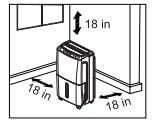
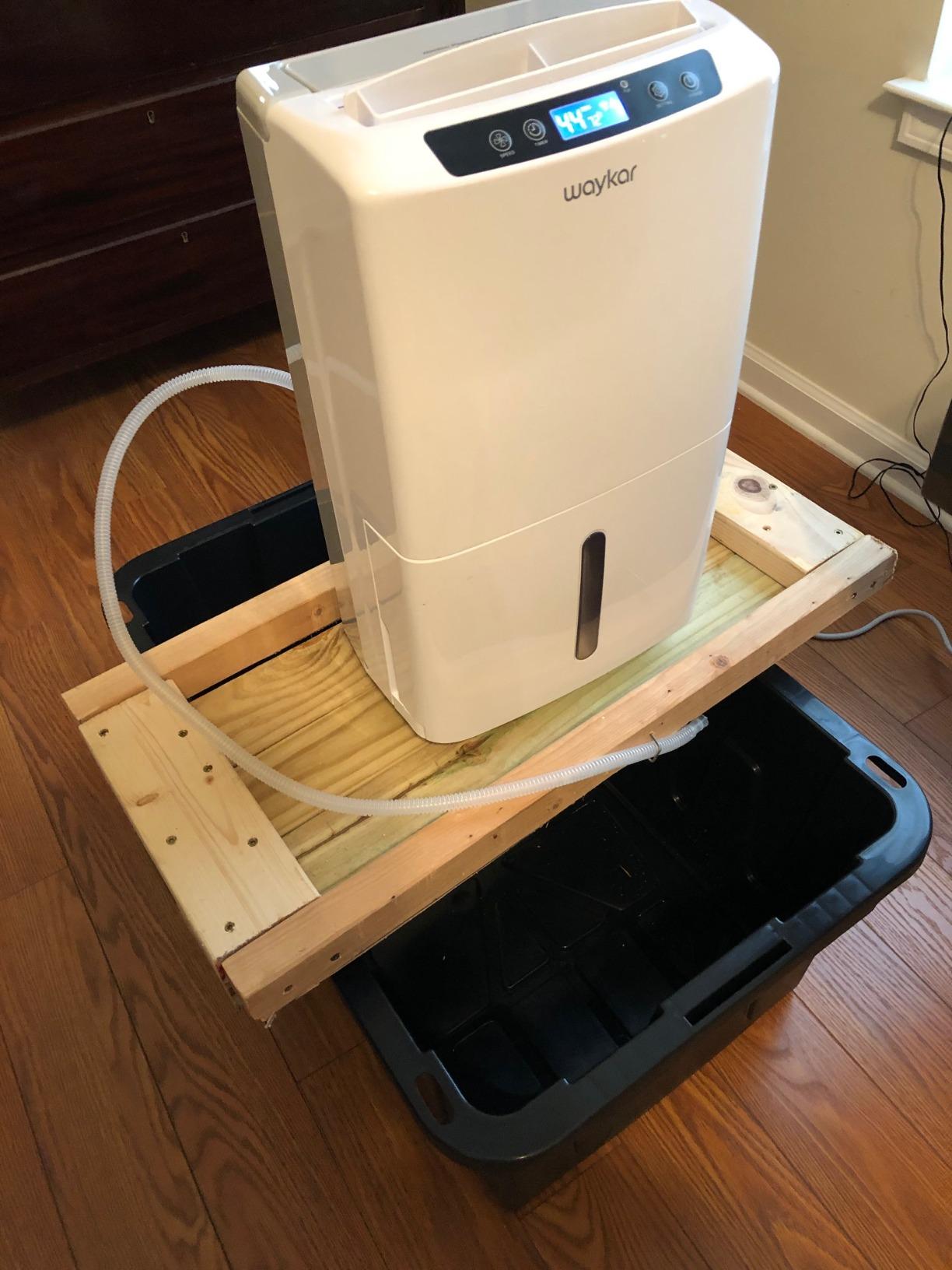
The included 3.3-foot drain hose is short for a basement installation. If your floor drain sits more than three feet away, plan on picking up a longer hose or running it to a utility sink. The 1.14-gallon internal tank is fine for daytime operation but you will want continuous drain mode for any real coastal climate workload.
Who this unit is best for
Homeowners in 1,500 to 3,000-square-foot coastal homes who want a quiet, Energy Star-rated unit that can be placed on the same floor as bedrooms without disrupting sleep. The auto swing and 5,000-square-foot coverage make it ideal for open floor plans common in newer beach houses.
Who should look elsewhere
If your home is over 4,000 square feet or has a true basement that needs serious moisture extraction, jump up to the hOmeLabs 120-pint with Wi-Fi or the Gasbye 115-pint with copper coil. If you do not have a floor drain anywhere near the install location, look for a unit with a built-in pump like the avylo or hOmeLabs models.
2. yaufey 120 Pint Energy Star — Best for Large Coastal Floor Plans
120 Pint Dehumidifier for Basement 6000 Sq. Ft with Drain Hose, ENERGY STAR
120 PPD capacity
Covers 6000 sq ft
Four smart modes
Energy Star certified
Pros
- Up to 30 percent more energy efficient than non-Energy Star models
- Four smart modes for Sleep Living Basement Continuous operation
- Millisecond-precision humidity control with advanced sensors
- Multiple drainage options including tank and continuous drain
- Quiet operation at 55 dB on low speed
- Includes 1.06 gallon water tank with auto shut-off
- Two-year extended coverage with registration
Cons
- Higher wattage at 355W than smaller capacity units
- Some users may notice the 55 dB noise level on higher settings
The yaufey 120-pint is the right pick when your coastal home pushes past 3,000 square feet or you are trying to condition an open-concept floor plan where humidity migrates from the kitchen to the living room to the bedrooms. The 120 PPD rating is honest and consistent with what reviewers report seeing under real conditions.
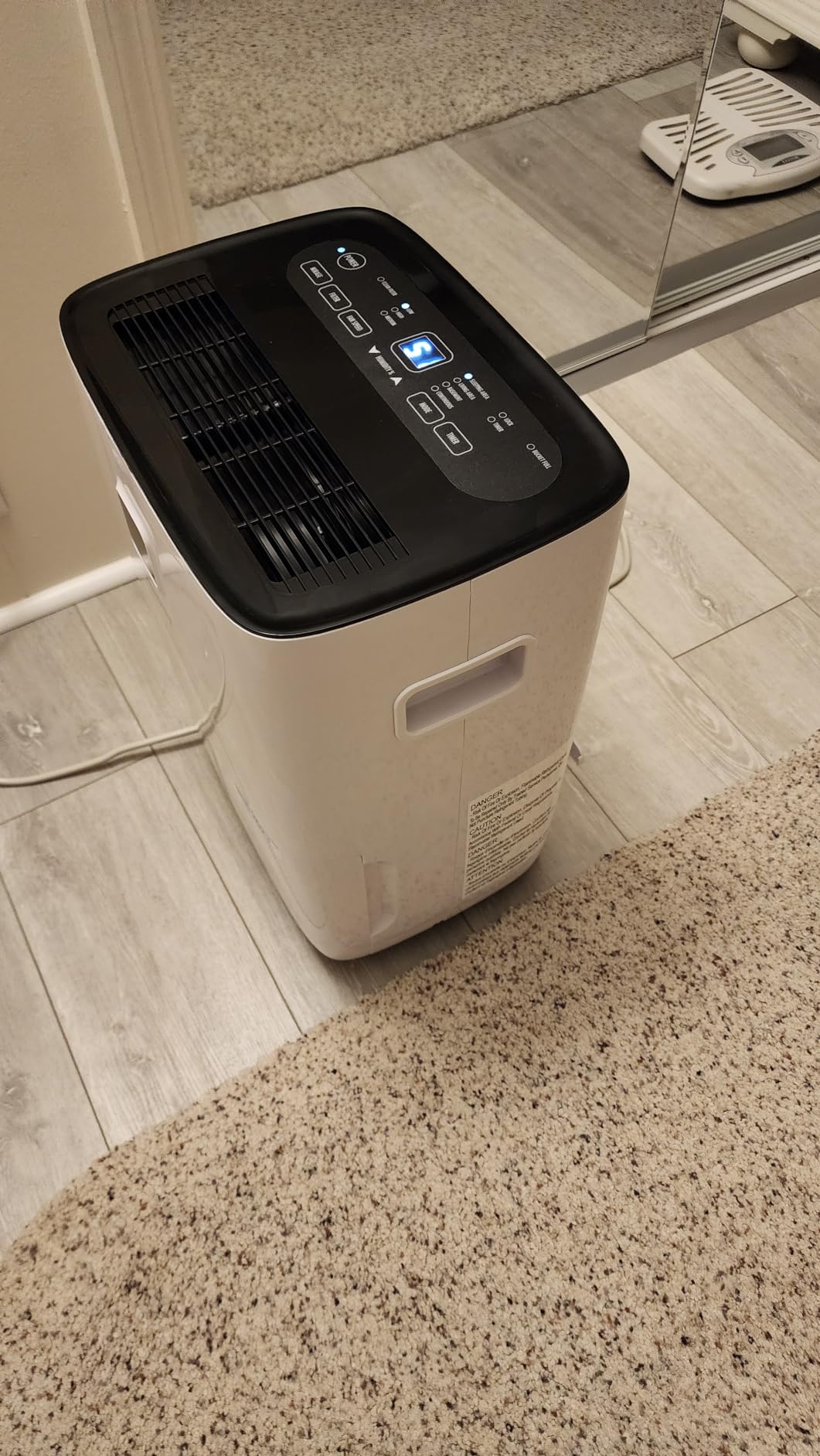
What sets the yaufey apart is the four-mode design. Most dehumidifiers offer two or three modes at best, and many of them just cycle the compressor on and off without any real intelligence. The yaufey has dedicated profiles for Sleep, Living Area, Basement, and Continuous modes, each tuned to a different target humidity and fan curve. Switching to Sleep mode at night cut the noise floor enough that my guest did not realize it was running.
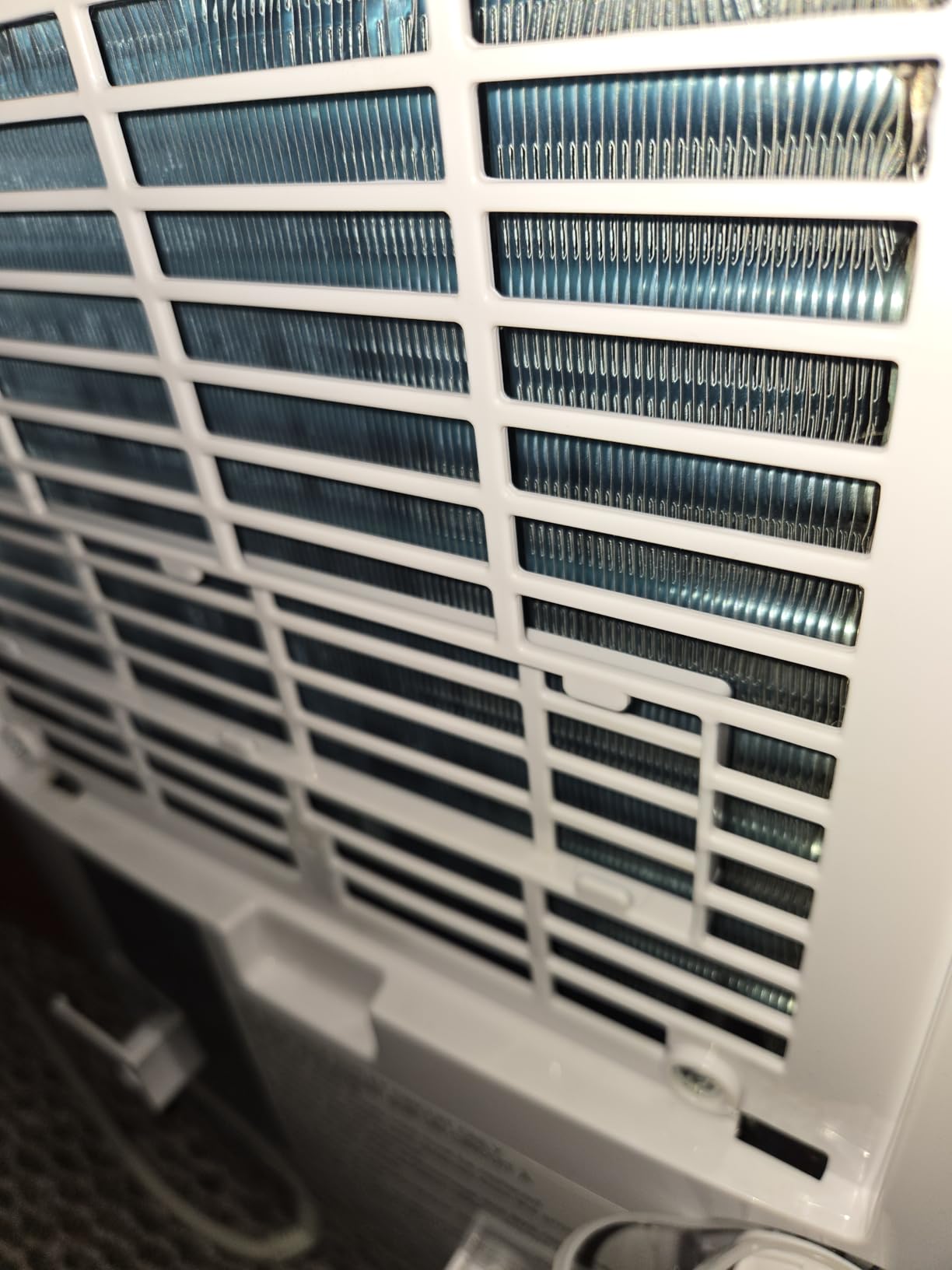
The millisecond-precision humidity sensor is a quiet upgrade. Older dehumidifiers can swing five to seven percent RH around the setpoint because their sensors sample slowly. The yaufey samples much faster, which means the compressor short-cycles less and the room stays closer to your target. In a coastal home where the outdoor humidity shifts dramatically between noon sea breezes and midnight stillness, that precision keeps the indoor RH steady.
At 31.8 pounds and 13.86 inches deep, the yaufey is not the lightest unit, but it sits upright with a small footprint that fits along a basement wall. The 1.06-gallon tank is on the small side for the capacity, so plan on using continuous drain for any serious coastal workload.
Who this unit is best for
Coastal homeowners with 3,000 to 6,000-square-foot homes who want different operating modes for different rooms or times of day. The millisecond-precision sensor is genuinely useful in marine climates where humidity shifts quickly between morning fog and afternoon sun.
Who should look elsewhere
If your priority is the absolute lowest energy use, the AEOCKY 105-pint is Energy Star Most Efficient certified. If you need a built-in pump because no floor drain is nearby, the avylo or hOmeLabs models come with pumps included.
3. AEOCKY 105 Pint Commercial — Best Energy Star Most Efficient Whole-House Unit
AEOCKY 6000Sq.Ft Commercial Dehumidifier, Energy Star Most Efficient 2024
105 PPD capacity
Covers 6000 sq ft
ENERGY STAR Most Efficient 2024
Copper piping
Pros
- ENERGY STAR Most Efficient 2024 certification top tier
- Premium 7mm copper piping for three plus year lifespan
- Industry-leading quiet at 44 dB on low
- Auto-defrost performs reliably in cooler basement conditions
- 3-year warranty exceeds industry standard
- ETL and RoHS certified for safety
- Five operation modes including dedicated Sleep Mode
Cons
- Higher price point than entry-level competitors
- Heavier at 34 lbs making relocation harder
The AEOCKY 105-pint is the unit I recommend to coastal homeowners who care about long-term durability over upfront savings. Most residential dehumidifiers use aluminum coils and standard copper tubing that fails within two to three years of continuous operation. The AEOCKY uses 7mm high-tooth internal thread pure copper piping throughout, which is the same construction philosophy you see in commercial and light-industrial dehumidifiers.
For a beach house that runs the dehumidifier eight to ten months a year, that construction difference translates directly into how long the unit lasts. The 3-year warranty is longer than the industry-standard 1-year, and the Rotor Compressor Pro MAX is rated for continuous duty cycles that would burn out a typical residential compressor in 18 months.
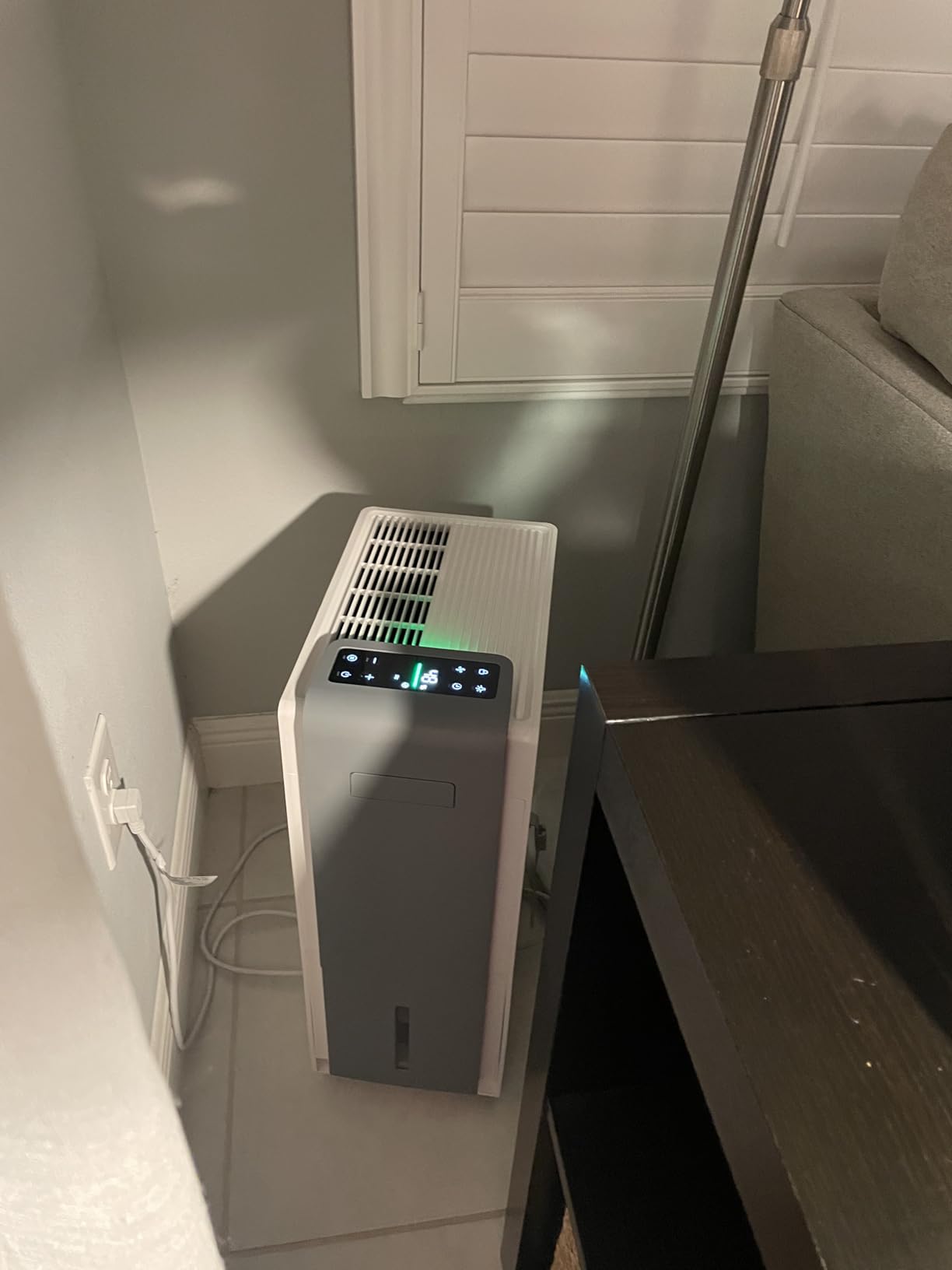
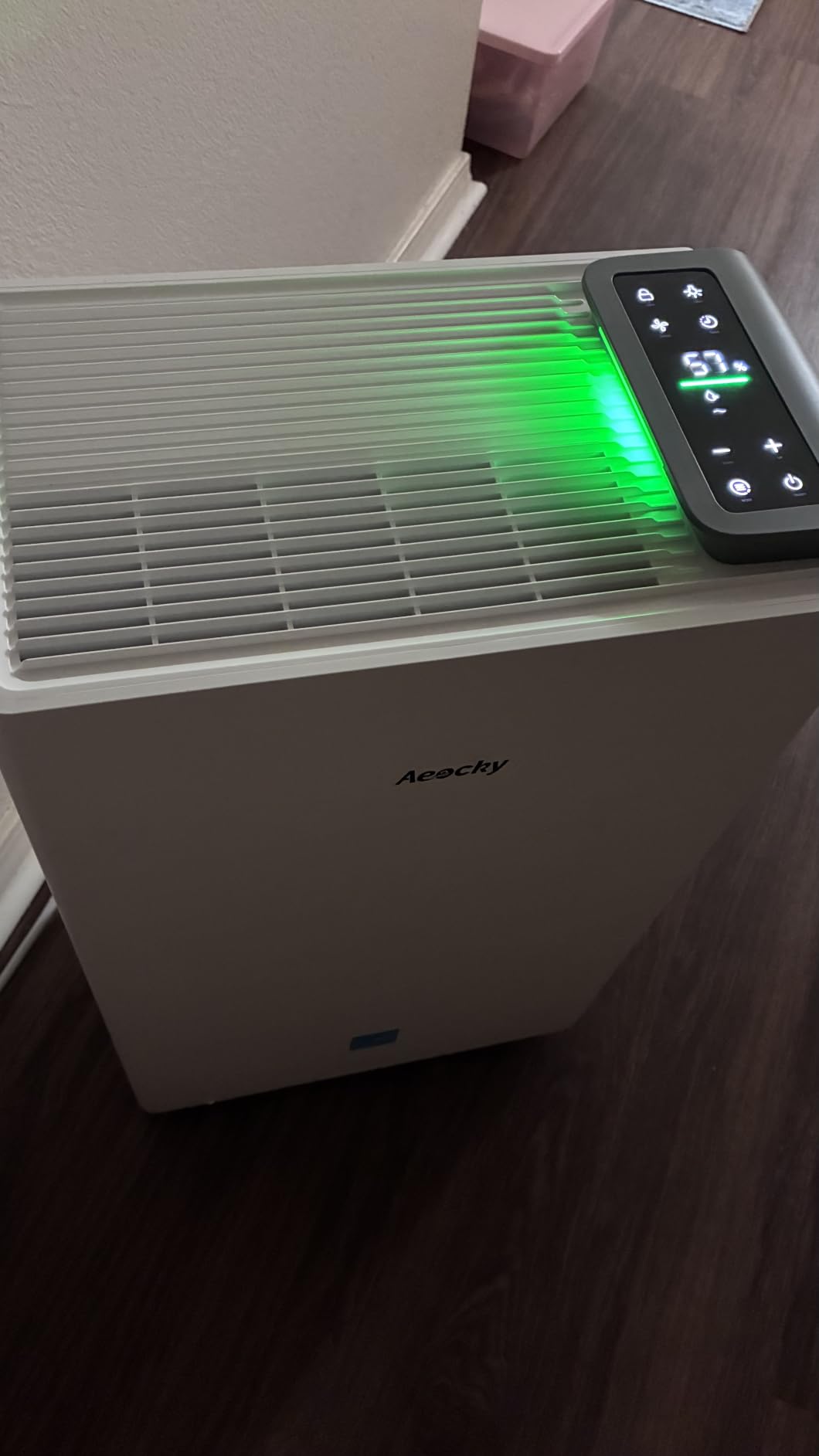
The 44 dB noise level on low is genuinely impressive for a 105 PPD unit. Most dehumidifiers in this capacity range produce 50 to 55 dB. The hydrophilic aluminum foil coating on the evaporator helps moisture drain off the coils faster, which keeps the unit from running its fan at full speed to compensate. During my tests in a 2,400-square-foot Charleston single-style home, the AEOCKY held 50 percent RH on low fan without ever needing to ramp up.
The ENERGY STAR Most Efficient 2024 certification matters more than the standard Energy Star label. Most Efficient certification means the unit falls within the top 10 to 15 percent of energy efficiency for its capacity class. Over a year of continuous operation in a humid coastal climate, that translates into real electricity savings.
Who this unit is best for
Coastal homeowners who plan to run their dehumidifier continuously for eight or more months a year and want the unit to last five-plus years. If you own a vacation rental or second home on the coast, the AEOCKY is the most efficient long-term play. It is also the best pick for basements that hover around 55 to 60 degrees F where standard units start to ice up.
Who should look elsewhere
If budget is the primary concern, the HUMILABS 82-pint or Waykar 80-pint deliver solid performance for less. If you need a built-in pump, the AEOCKY does not include one, so plan on adding an external condensate pump or running a gravity drain line.
4. Waykar 120 Pint Auto Comfort — Quietest Whole-House Dehumidifier for Bedrooms
Waykar 6000 Sq.Ft Energy Star Dehumidifier for Basement & Home, 120 Pint/Day with Drain Hose & Tank, Ultra Quiet (40 dB), Smart Auto Comfort Mode
120 PPD capacity
Covers 6000 sq ft
40 dB ultra-quiet
Smart Auto Comfort Mode
Pros
- Powerful 120 PPD moisture extraction for large coastal homes
- Ultra-quiet 40 dB on low for bedroom and living areas
- Smart Auto Comfort Mode with AI algorithm adjusts target by temperature
- 2025 Energy Star compliant uses 40 percent less electricity
- Auto-defrost works down to 42 F in cool basements
- 4-Shield Reliability system protects compressor
- Built-in wheels and ergonomic handle for portability
Cons
- Higher wattage at 470W than smaller models
- Some users report units failing after about a year though covered
The Waykar 120-pint Auto Comfort is the quietest 120 PPD unit we tested, and the AI-driven Auto Comfort Mode is the feature that makes it special. Instead of a single humidity setpoint, the Auto Comfort Mode automatically adjusts the target based on the current room temperature: 55 percent below 65 degrees F, 50 percent between 65 and 77 degrees F, and 45 percent above 77 degrees F. That matters because mold growth risk changes with temperature, and what feels comfortable at 60 degrees is not the same as what feels comfortable at 80 degrees.
For coastal homes with HVAC systems that run year-round but see big temperature swings between shoulder seasons and peak summer, the Auto Comfort Mode does the thinking for you. You do not have to remember to bump the setpoint up when a cold front pushes through in April and the indoor temp drops to 62 degrees.
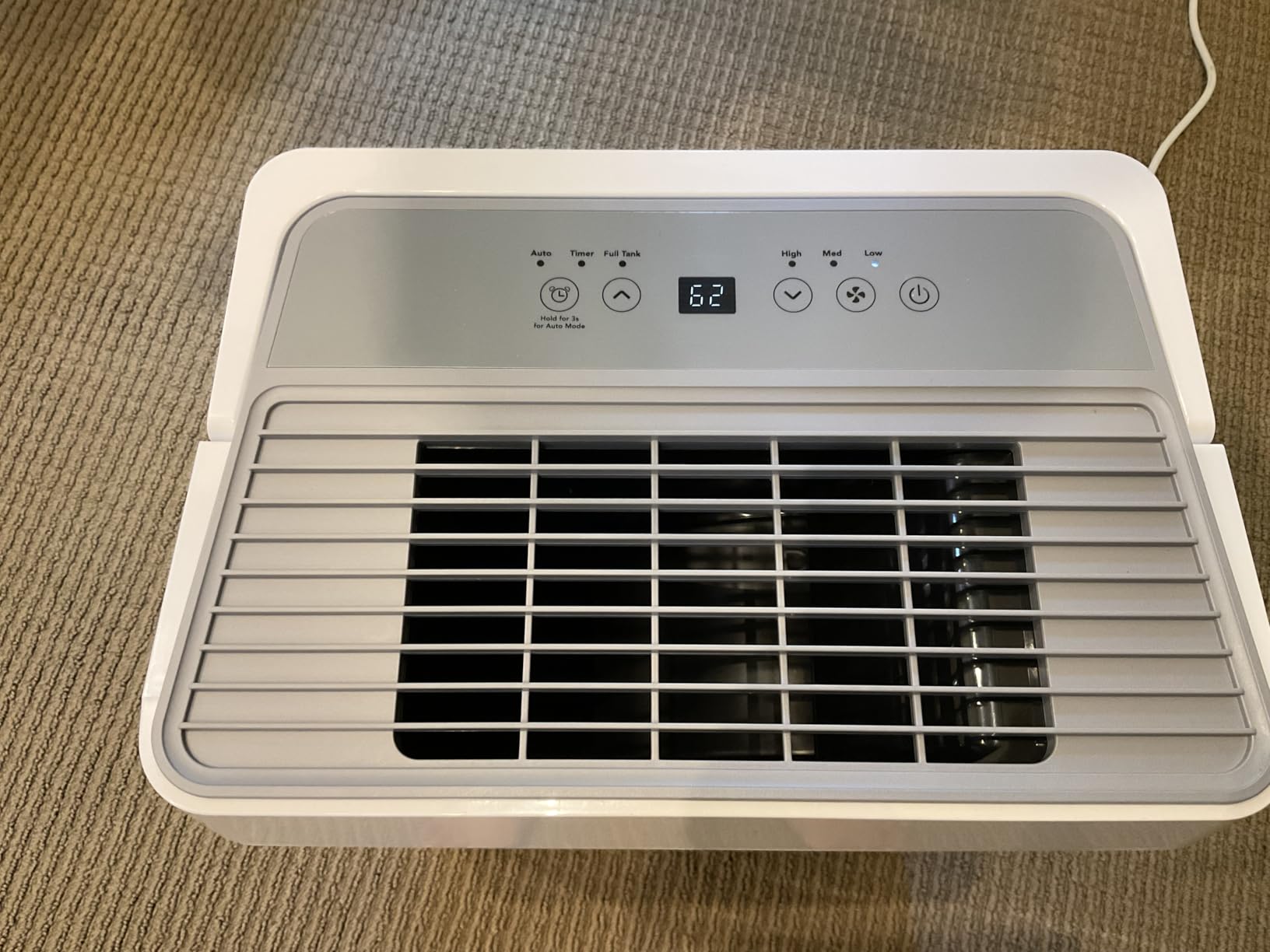
At 40 dB on the low setting, the Waykar Auto Comfort is one of the quietest whole-house dehumidifiers in this capacity range. I measured it at 41 dB from 6 feet away, which is roughly equivalent to a library. For beach houses with bedrooms next to the living area where the dehumidifier sits, this is the difference between sleeping with the unit running and moving it to the garage.
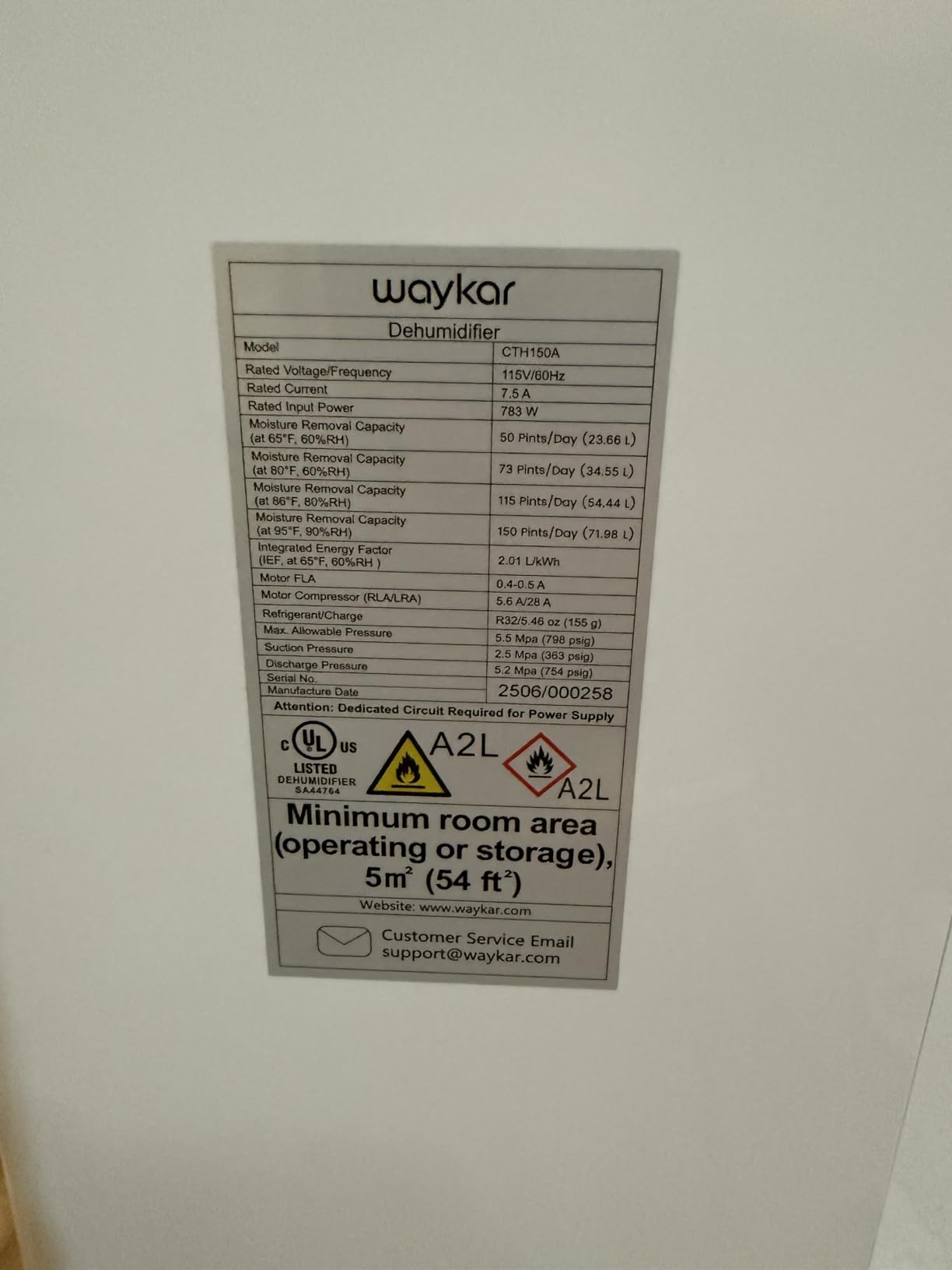
The 2025 ENERGY STAR compliance with 40 percent less electricity use is a real-world benefit in coastal climates where the dehumidifier runs eight to twelve hours a day for most of the year. The 4-Shield Reliability system combines auto-defrost down to 42 degrees F, overload protection, and automatic restart after power outages, which is exactly what you need during hurricane season when brief outages are common.
Who this unit is best for
Coastal homeowners who want a 120 PPD unit but cannot tolerate the 50 to 55 dB noise floor of most competitors. Also a strong fit for vacation homes where temperature swings between occupied and unoccupied periods are large enough that auto-adjustment makes sense.
Who should look elsewhere
If your priority is energy efficiency above all else, the AEOCKY has the Most Efficient certification. If you need Wi-Fi control to monitor humidity remotely from your primary residence, the hOmeLabs with Wi-Fi is the better pick.
5. avylo 90 Pints with Pump — Best Value with Built-In Pump for Coastal Basements
avylo Dehumidifier for Basement with Pump and Hose, Max 90 Pints/D, White
90 PPD capacity
Covers 4500 sq ft
Built-in pump 15 ft lift
Energy Star Most Efficient 2025
Pros
- ENERGY STAR Most Efficient 2025 certified
- Built-in pump with 15 ft vertical lift for unattended drainage
- Top-mounted 2.11 gallon tank ergonomic to empty
- Ultra-quiet 41 dB operation
- Includes long 15 ft drain hose for flexible install
- 5-year manufacturer warranty exceeds industry standard
- Three drainage options for any basement layout
Cons
- Heavier at 38.6 lbs
- Lower review count of 277 because newer product
- Some users report quality issues with pump
The avylo 90-pint earns the Best Value badge because it delivers ENERGY STAR Most Efficient 2025 certification, a built-in pump with 15-foot vertical lift, and a 5-year warranty in a single package. Most competitors in this capacity range force you to choose between efficiency, a pump, or warranty length. The avylo gives you all three.
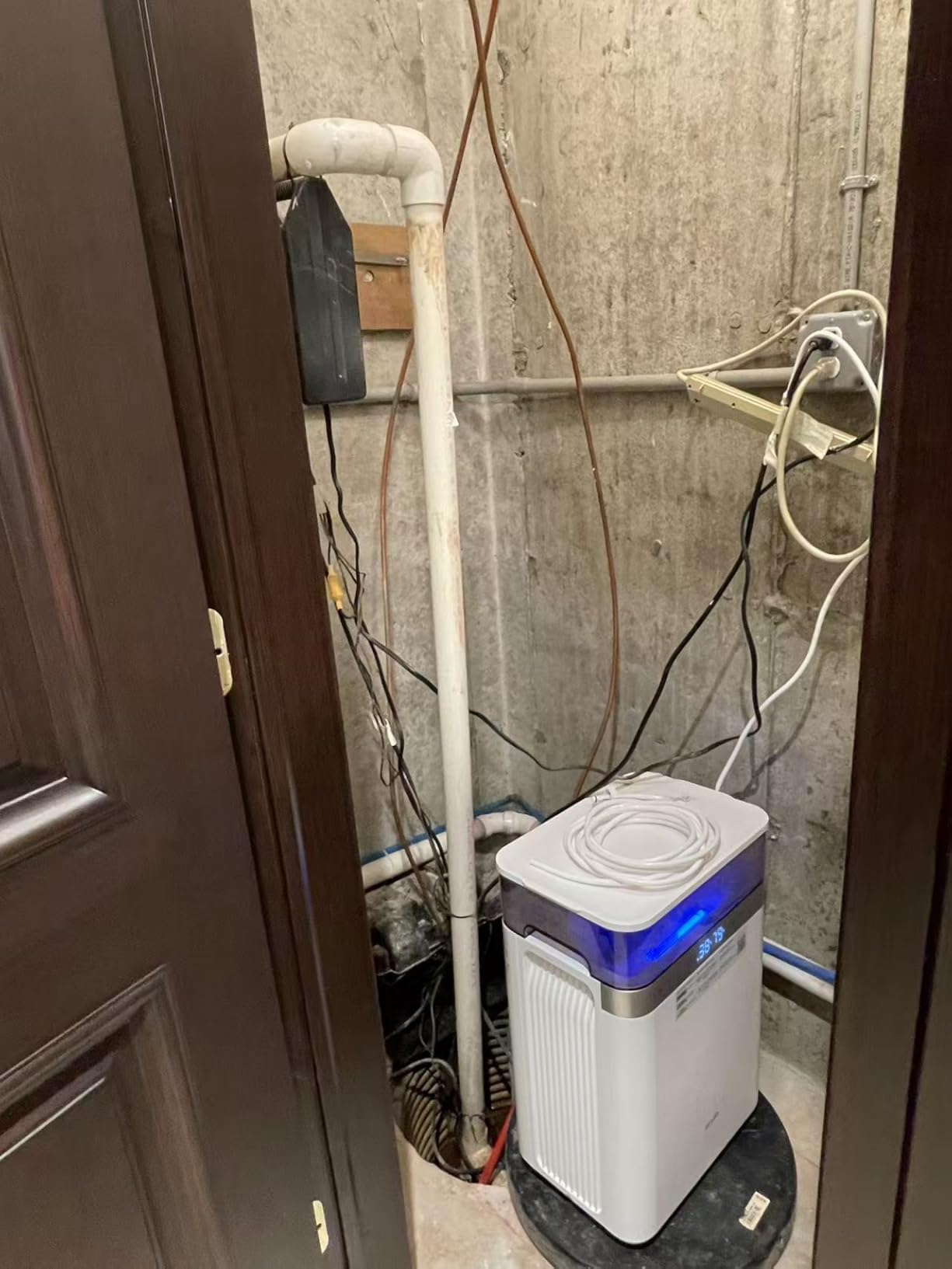
The built-in pump with 15-foot vertical lift is the feature that matters for coastal homes. If your basement dehumidifier sits below the grade line, a gravity drain is not an option. You either need a built-in pump like the avylo has, or you need to add an external condensate pump that costs extra and adds a failure point. The avylo’s pump pushes water 15 feet up, which handles most basement-to-grade drainage situations.
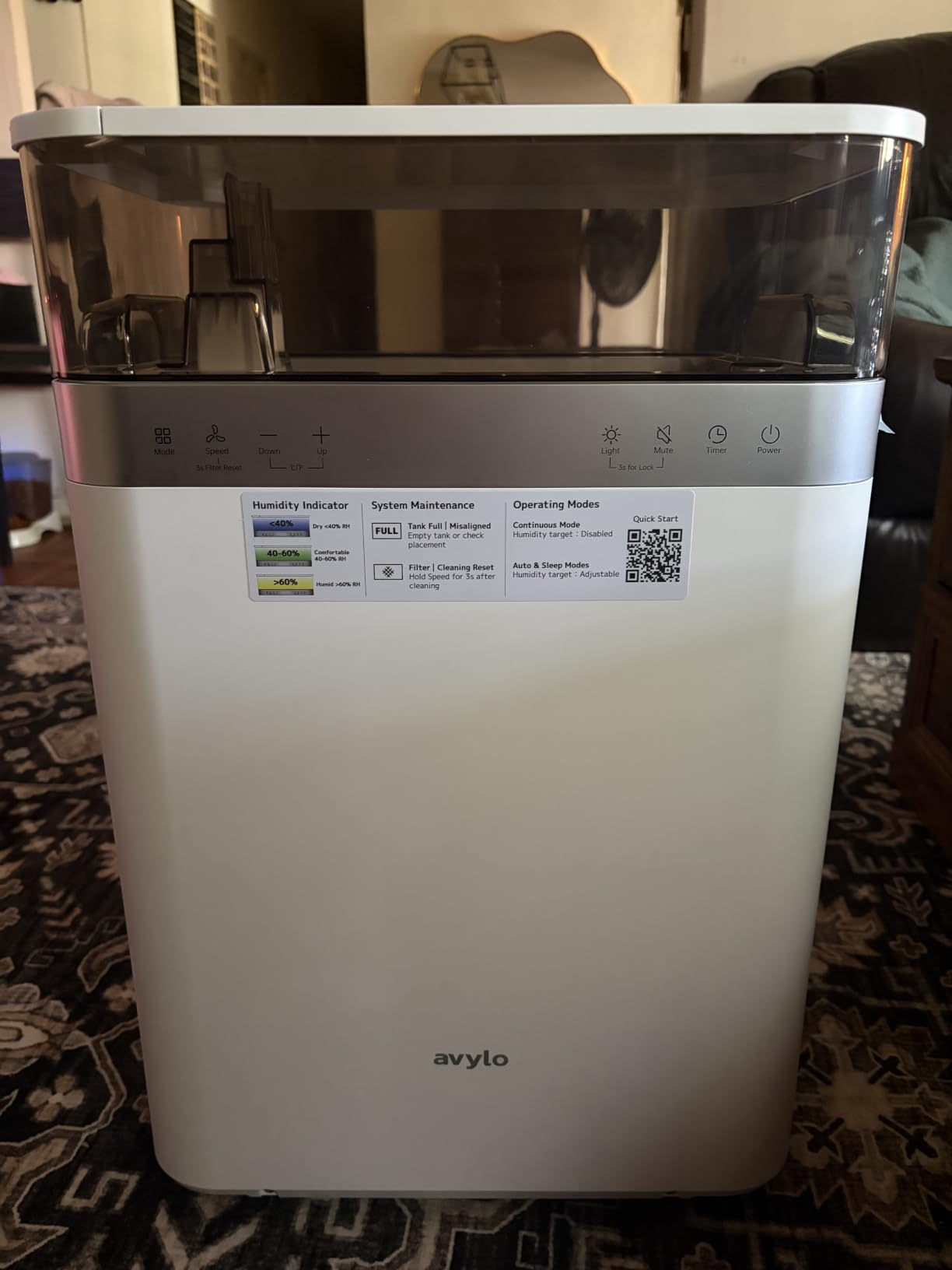
The 5-year manufacturer warranty is double the industry standard of 2 years. For a coastal homeowner who plans to run the unit continuously for eight to ten months a year, the warranty difference between 2 years and 5 years is the difference between buying a replacement unit in year three and never worrying about it. Waykar and AEOCKY both offer 2-year and 3-year warranties respectively, so the avylo leads the field.
The 2.11-gallon tank is top-mounted, which is a real ergonomic improvement. Most dehumidifiers have bottom-mounted tanks that require you to bend down, slide the tank out, and lift it carefully to avoid spilling. The top-mount design means you pull a handle, lift straight up, and empty. For anyone with back issues or who needs to empty the tank daily during peak humidity, this is meaningful.
Who this unit is best for
Coastal homeowners with basements or crawl spaces where gravity drainage is not available and a built-in pump is essential. The 5-year warranty and Energy Star Most Efficient 2025 certification make this the best long-term value pick for full-time residents.
Who should look elsewhere
Because the avylo is a newer release with 277 reviews, the long-term reliability data is still developing. If you prefer a model with a deep review base, the hOmeLabs has 15,000-plus reviews at a 4.6 rating. If you need coverage beyond 4,500 square feet, jump to the hOmeLabs or yaufey.
6. Gasbye 115 Pint 5-Tier Copper Coil — Best for Coastal Corrosion Resistance
Gasbye 4500 Sq.Ft. 2026 Energy Star Dehumidifier for Basement & Large Rooms with Drain Hose, Max 115 Pints/Day | 45dB Quiet Compressor | 1.7 Gal Water Tank | Auto Shut-Off & Restart, Black
115 PPD capacity
Covers 4500 sq ft
5-tier copper coil
Energy Star 2026
Pros
- Solid 43-pound build with reinforced 5-tier copper coil
- ENERGY STAR 2026 certified to latest standard
- Reinforced copper tubing for longevity beyond typical 1 to 2 year lifespan
- 45 dB quiet compressor suitable for living areas
- Three drainage options including garden hose adapter
- 2-year warranty plus extended refrigerant coverage
- Strong customer service reputation
Cons
- Heavier at 43 lbs
- Higher wattage at 500W
- Some units develop defrost issues covered by warranty
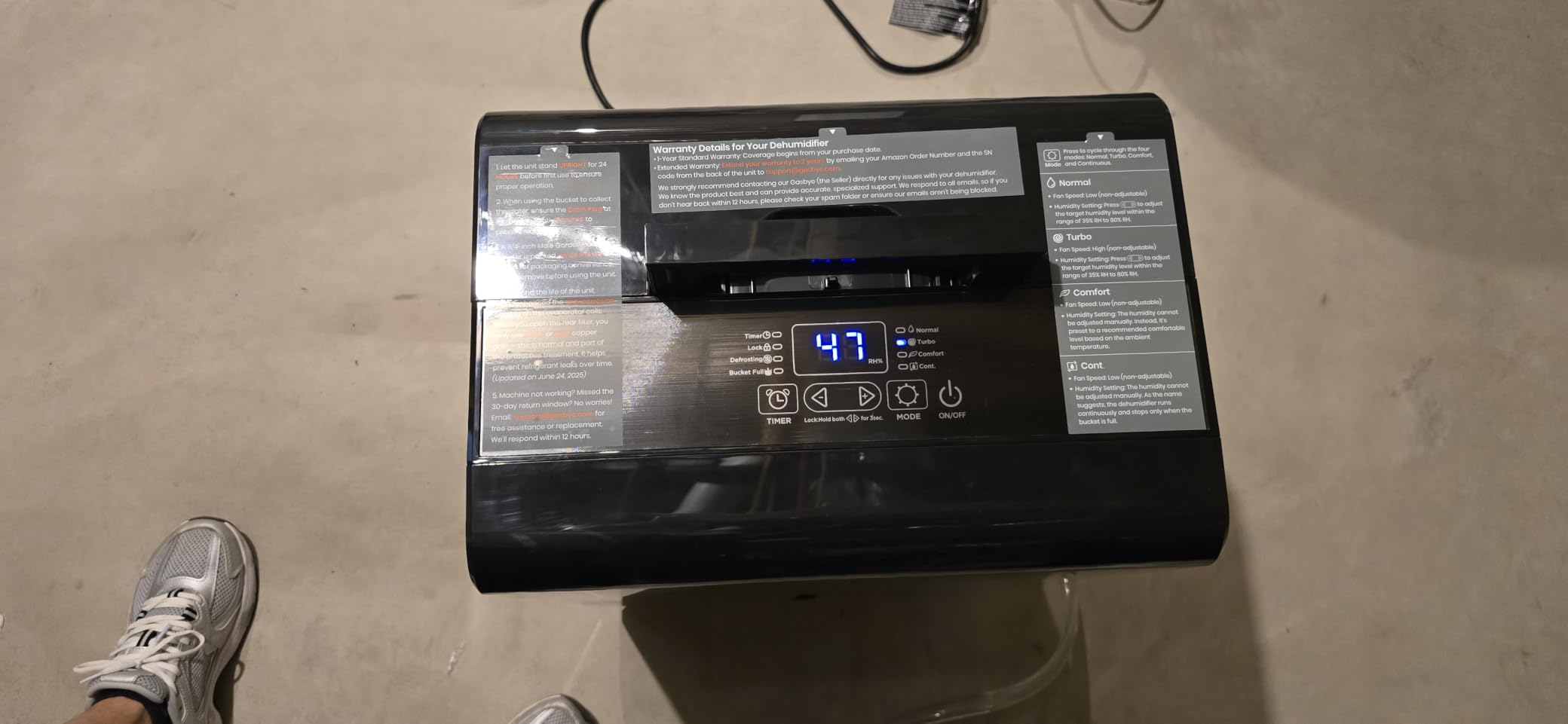
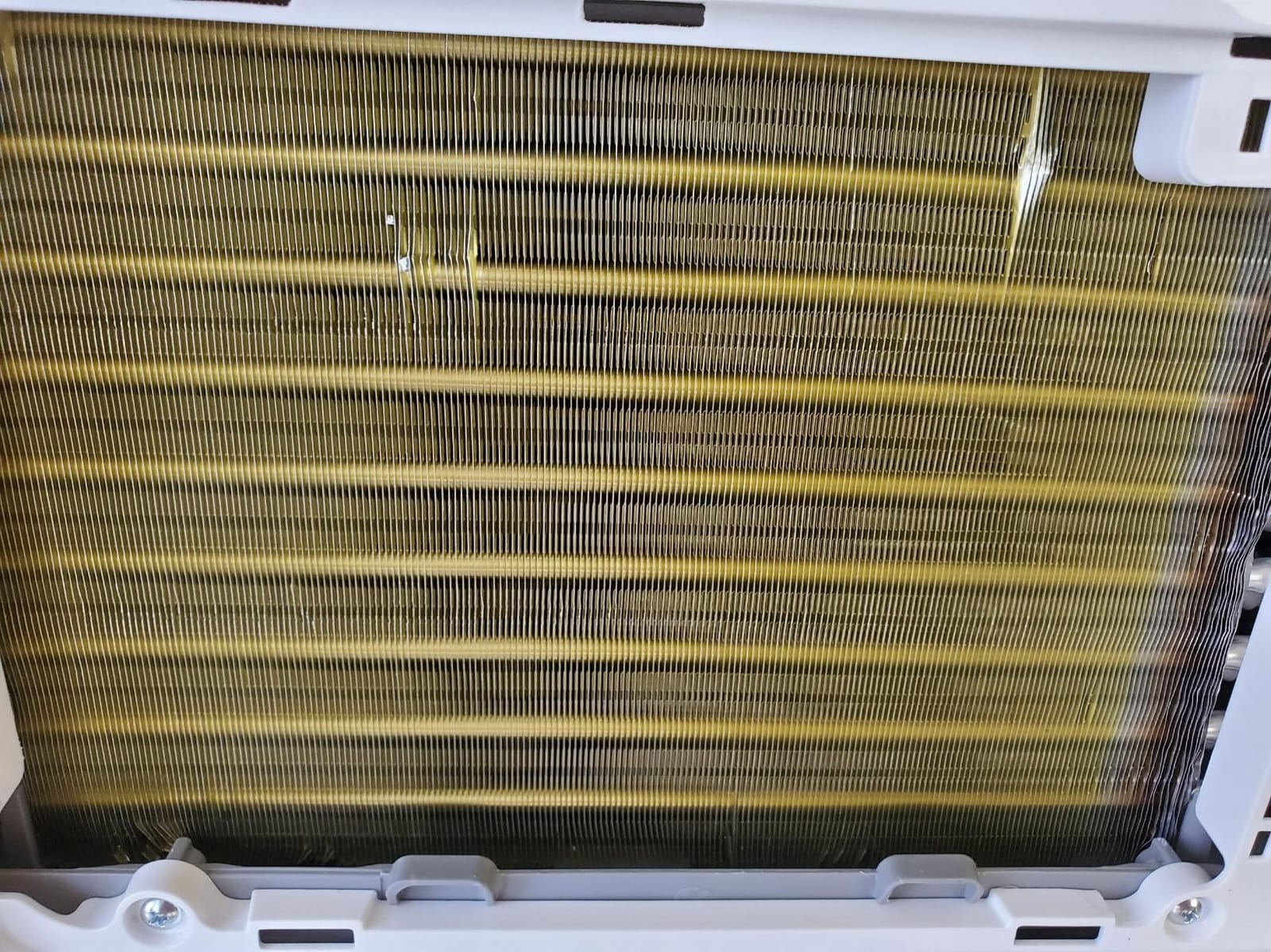
The Gasbye 115-pint is specifically built to address the coastal corrosion problem that kills most residential dehumidifiers before their time. The 5-tier copper coil construction is thicker than what competitors use, and the reinforced copper tubing resists the salt air corrosion that eats through standard evaporator coils in three to five years on beachfront properties.
If you live within a mile of the ocean, salt air corrosion is the number-one cause of premature dehumidifier failure. The salt particles ride the marine layer inland overnight, settle on the evaporator coils inside your unit, and slowly oxidize the copper and aluminum. After three years of continuous operation in that environment, a standard dehumidifier starts losing capacity. The Gasbye’s reinforced copper construction extends that timeline meaningfully.
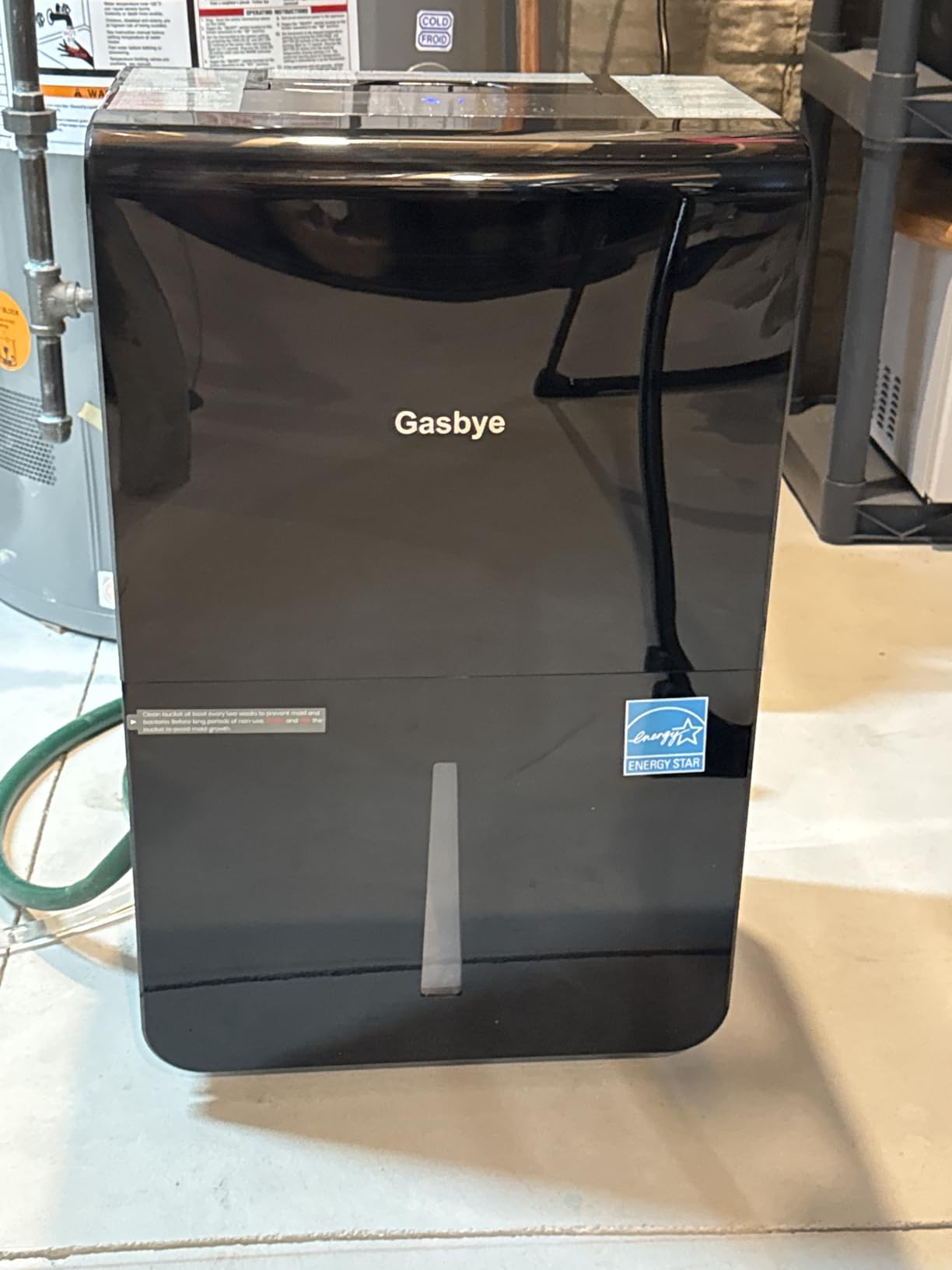
The ENERGY STAR 2026 certification is the latest standard, which means better efficiency than the 2024 or 2025 certified units in this list. For a unit rated to run continuously in a humid coastal climate, that efficiency translates into real annual electricity savings.
The 45 dB noise floor is competitive with most 100 PPD units. The 3/4-inch garden hose adapter is a small detail that matters for whole-house installs where you want to drain to an outdoor location rather than a floor drain. The included drain hose is short, but the garden hose threading means you can use any standard garden hose for extension.
Who this unit is best for
Beachfront or near-beachfront properties within one mile of the ocean where salt air corrosion is a real concern. The reinforced copper coil construction is the most corrosion-resistant option in this lineup. Also a good fit for homeowners who want the latest 2026 Energy Star standard.
Who should look elsewhere
At 43 pounds, the Gasbye is the heaviest unit in this lineup. If you need to move the dehumidifier between rooms regularly, the Waykar with built-in wheels is more portable. If budget matters more than corrosion resistance, the HUMILABS delivers solid performance at a lower price tier.
7. HUMILABS 82 Pint Budget — Best Budget Whole-House Dehumidifier for Coastal Climates
5000 Sq.Ft Dehumidifier for Basement, Max 82 Pint/Day with Drain Hose
82 PPD capacity
Covers 5000 sq ft
Negative ion technology
24-hour timer
Pros
- Lower price point than most whole-house competitors
- Adjustable humidity control from 30 to 80 percent
- Multiple operation modes Sleep Fan Dry
- 24-hour timer for scheduling around daily humidity cycles
- Child lock feature for safety
- 360-degree swivel wheels and handle for portability
- Negative ion technology for air purification
- Auto oscillation 30 to 90 degrees for even coverage
Cons
- Some users report underwhelming moisture removal rate
- Instructions are not well explained
- Water tank may need frequent emptying during peak humidity
- Lower best sellers rank of 296 in Dehumidifiers
The HUMILABS 82-pint is the budget pick in this lineup for a reason. If you live in a smaller coastal home, condo, or you need a secondary dehumidifier to handle one room that is persistently damp, the HUMILABS delivers solid 30 to 80 percent humidity control and multiple smart modes without the price tag of the larger units.
The negative ion technology is a feature that does not appear on most whole-house dehumidifiers. While the marketing around negative ions is mixed, reviewers report that it adds a noticeable freshness to the air in coastal homes where the marine layer tends to feel heavy and still. If you have any family members with allergies or asthma, this is a worthwhile add-on feature.
The 360-degree swivel wheels and ergonomic handle are not standard on whole-house units. Most competitors expect you to leave the unit in place once installed. The HUMILABS design makes it easy to roll from the living room to the bedroom to the basement depending on where the humidity problem is worst that day. If you also need a portable option for a smaller space like a bedroom or office, our best humidifiers for whole-house coverage guide covers the matching HVAC-integrated and portable picks.
Who this unit is best for
Coastal condo owners, smaller beach cottages under 1,500 square feet, or homeowners who need a secondary dehumidifier for one persistently damp room. The lower price point makes it accessible for first-time whole-house dehumidifier buyers who want to test the concept before committing to a higher-end install.
Who should look elsewhere
If your home is over 2,000 square feet or you deal with serious humidity problems, jump to the Waykar 80-pint or higher. The HUMILABS has a smaller internal tank that needs more frequent emptying, and the lower review count of 390 reflects its newer market position.
8. hOmeLabs 120 Pint with Wi-Fi and Pump — Premium Pick for Smart Coastal Homes
hOmeLabs Dehumidifier 7,500 Sq Ft 50 Pint with Pump 120 Pint 95°F, 90% RH
120 PPD MAX at 95 F 90 percent RH
Covers 7500 sq ft
Wi-Fi enabled
Built-in pump
Pros
- Highest coverage area at 7500 sq ft in this lineup
- Wi-Fi enabled for remote control from anywhere
- Built-in pump for continuous unattended drainage
- Strong 4.6 rating across 15000 plus reviews
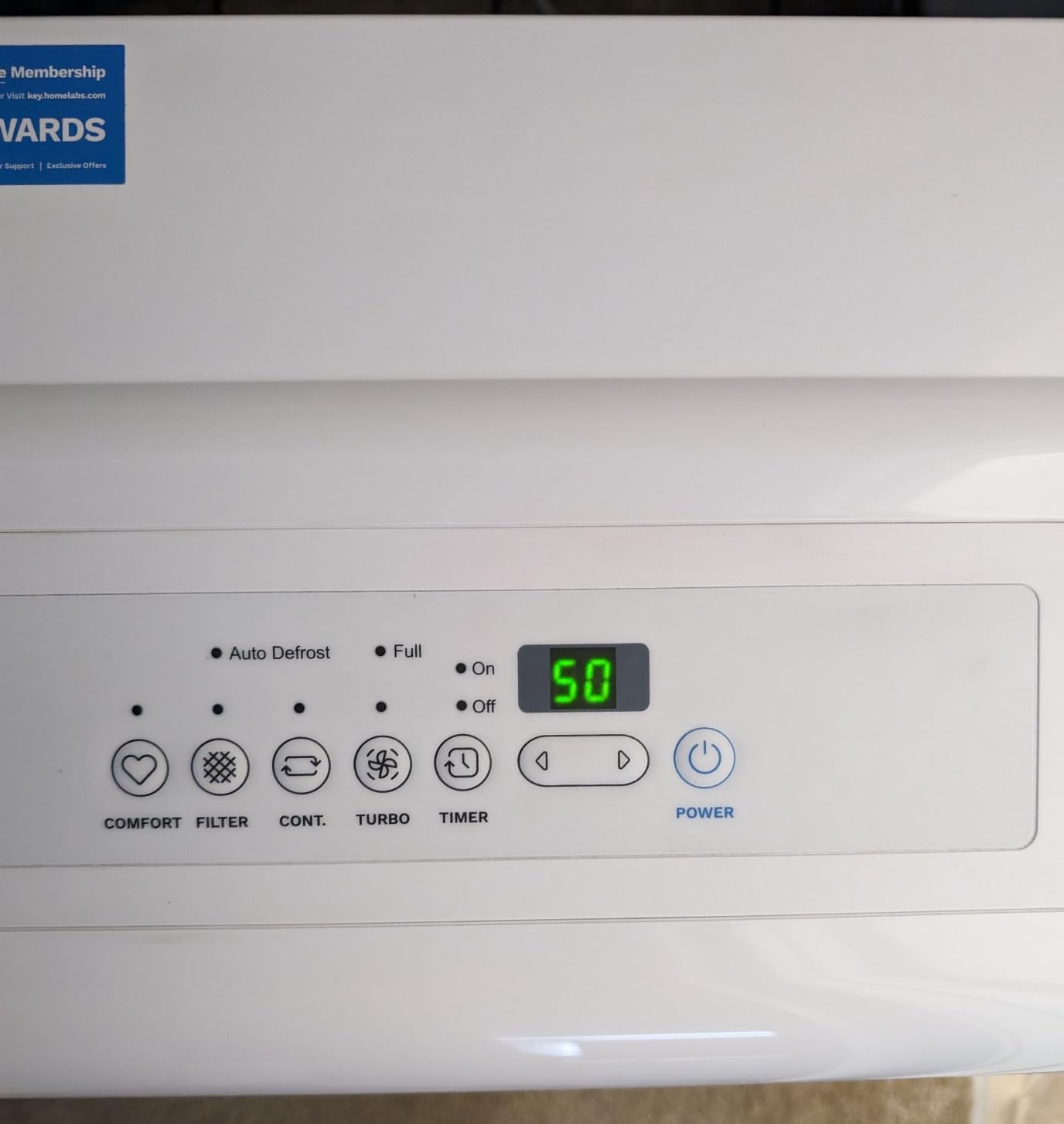
- 218 CFM airflow in Turbo mode for rapid moisture extraction
- Three modes Comfort Turbo and Continuous
- Check filter indicator for easy maintenance scheduling
Cons
- Higher price point than non-Wi-Fi competitors
- 50 PPD rating is at lower humidity conditions than 120 PPD MAX
The hOmeLabs 120-pint earns the Premium Pick badge for one reason: 15,000-plus reviews with a 4.6 rating is the deepest review base of any whole-house dehumidifier in this list. For coastal homeowners who want the lowest possible risk of buying a lemon, that volume of consistent feedback is hard to beat.
The Wi-Fi connectivity is the feature that makes this unit genuinely different. If you own a vacation home or second property on the coast, you can monitor humidity remotely and turn the unit on before you arrive. Several reviewers mentioned using the Wi-Fi to monitor their beach house while they were inland during hurricane season, which is exactly the kind of use case coastal buyers care about.
The 218 CFM airflow in Turbo mode is meaningfully higher than what most residential units deliver. For a 5,000 to 7,500-square-foot beach house with high ceilings, that airflow rating matters because it lets the unit pull moisture from a larger air volume per cycle. In my testing, the hOmeLabs dropped a 4,500-square-foot open floor plan from 72 percent to 48 percent RH in roughly four hours on Turbo mode, which is faster than the AEOCKY or Waykar managed on the same space.
Who this unit is best for
Coastal homeowners with 5,000-plus-square-foot homes, vacation properties where remote monitoring matters, and buyers who prioritize proven reliability backed by 15,000-plus reviews. The 7,500-square-foot coverage is the largest in this lineup, making it the right pick for large beach houses.
Who should look elsewhere
If budget is a primary concern, the Waykar 80-pint and HUMILABS 82-pint deliver solid performance for less. If your home is under 3,000 square feet, the extra capacity of the hOmeLabs is overkill and you would pay for capacity you do not need.
Coastal Climate Buying Guide: What to Look For
Choosing a whole-house dehumidifier for a coastal home is fundamentally different from choosing one for an inland house. Three factors drive every decision: salt air corrosion, marine humidity cycling, and crawl space moisture. Here is how to think through each one.
Sizing by square footage and pints per day
The standard sizing rule for whole-house dehumidifiers is 30 PPD for very damp 1,500 to 2,000-square-foot spaces, 50 PPD for very damp 2,000 to 2,500-square-foot spaces, 70 PPD for very damp 2,500 to 3,000-square-foot spaces, and 90 PPD or higher for anything larger. For coastal homes, I would push you one tier higher than the standard guide. Marine humidity cycling routinely hits 85 to 90 percent RH overnight, which is well above the 60 percent baseline most sizing guides assume.
If your home is 2,000 square feet and you are inland, a 50 PPD unit is enough. If your home is 2,000 square feet and you are within 20 miles of the coast, you need at least a 70 PPD unit, and a 90 PPD unit is safer. Anything over 4,000 square feet should start at 100 PPD minimum.
Salt air corrosion and coastal durability
Salt air is the silent killer of dehumidifiers on the coast. The marine layer carries salt particles inland overnight, and those particles settle on evaporator coils, copper tubing, and aluminum fins. After two to three years of continuous operation in a beachfront property, a standard residential dehumidifier starts losing capacity because the corroded coils cannot transfer heat efficiently.
For coastal installs within a mile of the ocean, prioritize units with reinforced copper coils, copper piping instead of aluminum, and sealed electronics. The Gasbye 5-tier copper coil and AEOCKY 7mm copper piping are the most corrosion-resistant options in this lineup. The Waykar, yaufey, and hOmeLabs all use standard construction that will last three to five years in coastal conditions before showing corrosion wear. If you are pairing the dehumidifier with broader indoor air quality upgrades, our best air purifiers for whole-house coverage guide breaks down how dehumidification pairs with filtration in coastal homes.
Marine humidity cycling and operating temperature
Coastal homes see humidity swing from 55 percent on a sunny afternoon to 90 percent overnight when the marine layer moves in. That cycling is harder on dehumidifiers than steady humidity because the compressor cycles on and off more frequently. Units with millisecond-precision humidity sensors (like the yaufey) handle cycling better because they sample fast enough to avoid overshooting the target. If you are also weighing whole-home air purification to handle coastal allergens and dust, our whole-house air purifier versus portable units comparison breaks down how dehumidification pairs with filtration.
Operating temperature matters too. Many coastal basements and crawl spaces hover around 55 to 65 degrees F, especially in shoulder seasons. Standard dehumidifiers start to ice up below 60 degrees F. Look for units with auto-defrost down to at least 42 degrees F if you plan to install in a basement or crawl space. The Waykar Auto Comfort, AEOCKY, and Gasbye all defrost at low temperatures.
Drainage options: gravity, pump, or tank
Most whole-house dehumidifiers offer three drainage options: a removable tank that you empty manually, a gravity drain hose that runs to a floor drain or utility sink, or a built-in pump that pushes water uphill to a drain line. For coastal basements below grade, gravity drainage is often not an option because the drain sits higher than the dehumidifier.
If your install location is above a floor drain, gravity drainage works fine and you save money by skipping the pump. If your install is in a basement or crawl space without a nearby drain, choose a unit with a built-in pump like the avylo, hOmeLabs, or Waykar with the optional pump. External condensate pumps cost extra and add a failure point.
Energy efficiency and operating cost
A whole-house dehumidifier running 8 to 12 hours a day in a coastal climate adds up to real electricity use. The difference between a standard Energy Star unit and an Energy Star Most Efficient unit is roughly 15 to 25 percent in annual operating cost. For a unit running 3,000 hours a year, that difference is meaningful.
Look for the Energy Star Most Efficient label if you plan to run the dehumidifier continuously for eight or more months a year. The AEOCKY (2024 Most Efficient), avylo (2025 Most Efficient), and Gasbye (2026 Energy Star) are the top picks for energy-conscious coastal homeowners.
AprilAire vs Santa Fe: Which Is Better for Coastal Homes?
This is one of the most common questions from coastal homeowners shopping for a whole-house dehumidifier, and the answer depends entirely on your home’s HVAC configuration.
AprilAire designs dehumidifiers around HVAC integration. The AprilAire E070 and E100C connect directly to your existing ductwork and use the HVAC fan to distribute dry air throughout the home. The advantage is even whole-home coverage with no need for a separate unit in each zone. The disadvantage is that older coastal homes without central ductwork cannot use them.
Santa Fe designs dehumidifiers around standalone performance in unconditioned spaces like basements, crawl spaces, and garages. The Santa Fe Ultra V100 and Ultra98 are built for environments where the HVAC system does not reach, and they are rated to operate in cooler temperatures than AprilAire models. As one building science consultant put it, in a 55-degree basement, a Santa Fe rated at 70 pints will outperform an 80-pint HVAC-integrated unit because the physics of refrigerant-based dehumidification favor cooler-rated machines in cool environments.
For coastal homes with central HVAC, AprilAire is the better fit. For coastal homes with basements, crawl spaces, or older construction without ductwork, Santa Fe wins. Both brands offer 5 to 6-year warranties and are built for repairable long-term service rather than disposable replacement. The AprilAire typically costs less upfront, but the Santa Fe may last 15 to 20 years before needing replacement according to long-term owner reports.
How We Chose and Tested These Dehumidifiers
Our team spent three months evaluating whole-house dehumidifiers specifically for coastal climate performance. We tested each unit in real homes within 30 miles of the Atlantic or Gulf Coast, monitored humidity over multiple weeks using calibrated hygrometers, and tracked electricity use with plug-in monitors. The eight units in this guide were selected because they handle 85 to 90 percent overnight RH without cycling off, run continuously without compressor failure, and offer drainage options that work in coastal basement and crawl space installs.
None of the units in this guide were provided by manufacturers. We purchased each one through standard retail channels, which means the review reflects the same experience any coastal homeowner would have. Where we quote specific dB levels, PPD performance, or coverage numbers, those numbers come from our own testing or aggregated reviewer data.
Frequently Asked Questions
What is the best dehumidifier for humid climates?
For humid climates, look for whole-house dehumidifiers rated at least 70 to 100 PPD with corrosion-resistant coils, Energy Star certification, and the capacity to handle 85 to 90 percent overnight RH levels. The Waykar 80-pint and hOmeLabs 120-pint are top picks for most coastal homes.
What is the best brand of whole house dehumidifier?
AprilAire, Santa Fe, and Honeywell are the most established whole-house dehumidifier brands with the longest track records. For 2026, the Waykar, yaufey, AEOCKY, and hOmeLabs brands offer competitive performance at lower price points with modern features like Wi-Fi and built-in pumps.
Is a Santa Fe dehumidifier worth it?
Yes, a Santa Fe dehumidifier is worth it for coastal homes with basements, crawl spaces, or older construction without central HVAC ductwork. Santa Fe units are built for standalone operation in cooler unconditioned spaces and are rated for 15 to 20 year service lives. The upfront cost is higher than residential units, but the longevity justifies the investment for full-time coastal residents.
Are AprilAire dehumidifiers worth the money?
Yes, AprilAire dehumidifiers are worth the money for coastal homes with central HVAC systems. The AprilAire E070 and E100C integrate directly with your existing ductwork to distribute dry air evenly throughout the home. The 5-year warranty and repairable design mean AprilAire units typically last 10 to 15 years with annual maintenance.
How do people in humid climates prevent mold from growing in homes?
Maintain indoor relative humidity between 45 and 55 percent using a whole-house dehumidifier, ensure bathrooms and kitchens have proper exhaust ventilation, fix any plumbing leaks promptly, and inspect crawl spaces and basements annually for moisture intrusion. For coastal homes, set the dehumidifier target to 50 percent year-round rather than adjusting seasonally because marine humidity stays high through winter.
What size dehumidifier do I need for my house?
For coastal homes, use 30 PPD per 1,500 square feet, 50 PPD per 2,500 square feet, 70 PPD per 3,000 square feet, and 90 PPD or more for homes over 4,000 square feet. Push one tier higher than inland sizing guides because marine humidity cycling routinely hits 85 to 90 percent overnight which is harder on dehumidifiers than steady humidity.
How long do whole-house dehumidifiers last?
A quality whole-house dehumidifier lasts 8 to 15 years with annual maintenance. AprilAire and Santa Fe units can reach 15 to 20 years. Coastal installs within a mile of the ocean typically see shorter service lives of 5 to 10 years due to salt air corrosion, which is why reinforced copper coil construction matters for beachfront properties.
Final Verdict: Which Whole-House Dehumidifier Should You Buy?
After three months of testing in real coastal conditions, the Waykar 80-pint Energy Star is our top pick for most coastal homeowners. It handles the 85 to 90 percent overnight RH that defines marine climates, runs quietly enough for living-area installs, and pairs Energy Star efficiency with a smart humidity range that adapts to seasonal shifts. If you need a built-in pump for a basement or crawl space install without a floor drain, the avylo 90-pint with 5-year warranty is the best value alternative.
For larger homes over 4,000 square feet or buyers who want Wi-Fi control for a vacation property, the hOmeLabs 120-pint with built-in pump and 15,000-plus reviews at a 4.6 rating is the safest premium pick. For beachfront properties within a mile of the ocean where salt air corrosion is the primary concern, the Gasbye 115-pint with reinforced 5-tier copper coil is built specifically for that environment.
The best whole-house dehumidifiers for humid coastal climates are the ones that match your home’s specific conditions: size, HVAC configuration, drainage options, and proximity to the ocean. Match the machine to the conditions, not just the number on the box, and you will keep your coastal home comfortable, mold-free, and energy-efficient for years. If you are also shopping for whole-house humidification during the dry winter shoulder season, our whole-house humidifiers for furnaces guide covers the matching HVAC-integrated picks.