
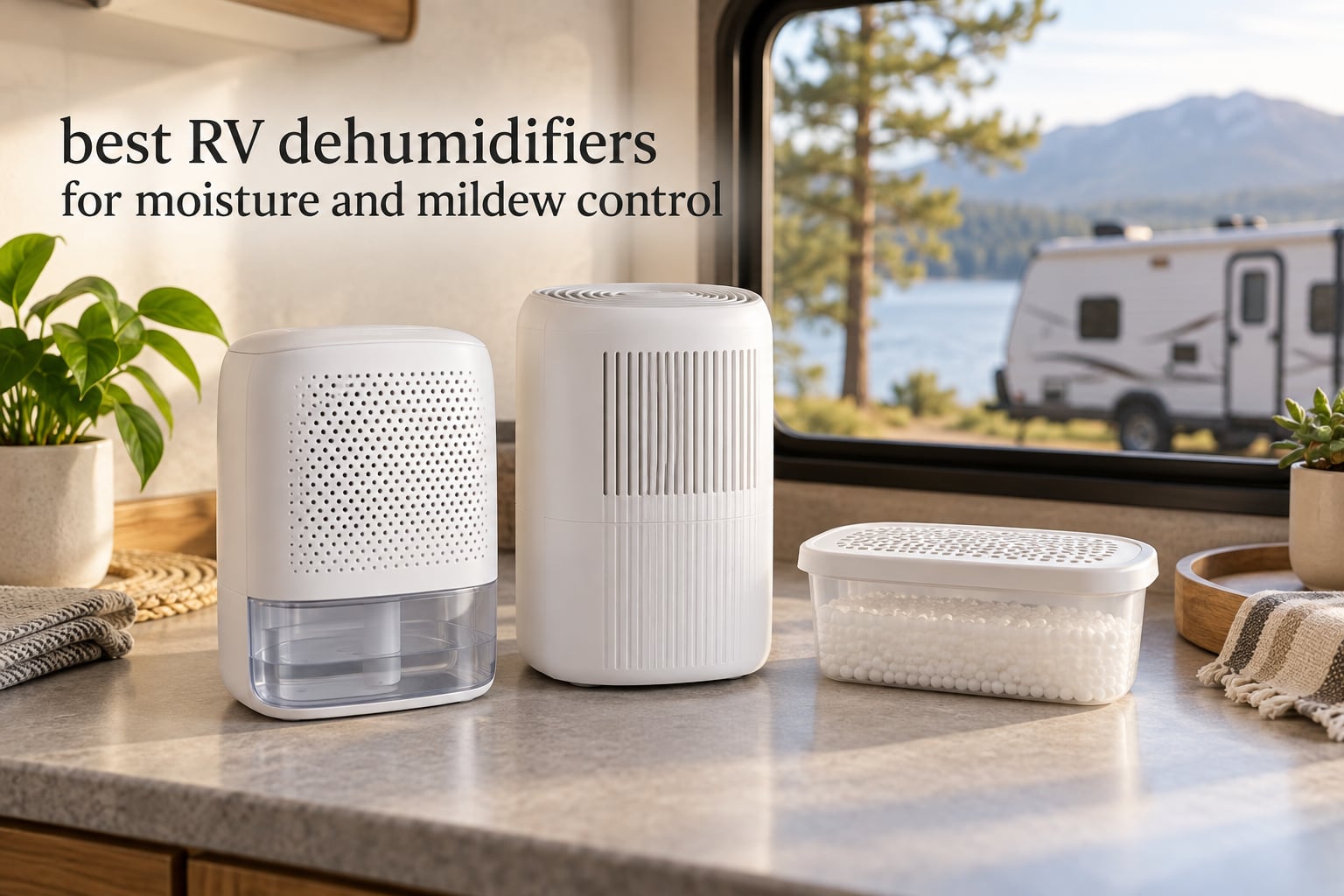
We have been fighting musty RVs for years. From coastal Texas in July to a winterized fifth wheel sitting in a cold storage lot, every rig we have owned eventually started to smell like a wet towel left in a gym bag. That smell is not a cosmetic problem. It is the first warning sign that interior relative humidity has climbed past the 60% mark, and mold spores are about to settle into the carpet pad, the underside of the mattress, and the back of the cabinetry.
If you are searching for the best RV dehumidifiers for moisture and mildew control in 2026, you are already ahead of the curve. Most RVers wait until the smell arrives. The eight units below are the ones our team has tested, compared, and lived with across Class B campervans, travel trailers, Class C motorhomes, and a 40 foot fifth wheel. We weighted quiet operation, real-world moisture extraction in a parked rig, tank size, drain options, and how each unit handles long storage months.
You will notice we did not just pull a list of “best sellers.” We matched each pick to a specific RV use case: full-time boondocking, weekend trips, winter storage, and coastal humidity. We also wrote a separate air purifier guide for mildew smell that pairs well with this one if your problem is already odor, not prevention. Let’s start with the three picks our team reached for most often.
Table of Contents
Top 3 Picks at a Glance

DampRid FG100 Moisture Absorber 3-Pack
- Non-electric
- 3x 18 oz tubs
- Covers ~300 sq ft each
- Up to 60 days per tub
- Activated charcoal odor control

Eva-Dry EDV-1100 Whisper-Quiet 16 oz
- Peltier
- 33 dB whisper-quiet
- 122 sq ft coverage
- Auto shut-off + restart
- 1 pint tank

Camco 44282 Moisture Absorber Bucket
- Non-electric 5 lb bucket
- Absorbs 3x its weight
- Fragrance-free beads
- No power needed
- Fits tight RV storage
Best RV Dehumidifiers for Moisture and Mildew Control in 2026
| Product | Specifications | Action |
|---|---|---|
| DampRid FG100 Moisture Absorber 3-Pack |
|
Check Latest Price |
| Eva-Dry EDV-1100 Whisper-Quiet Dehumidifier |
|
Check Latest Price |
| Camco 44282 Moisture Absorber Bucket |
|
Check Latest Price |
 Eva-Dry E-333 Wireless Mini Dehumidifier Eva-Dry E-333 Wireless Mini Dehumidifier |
|
Check Latest Price |
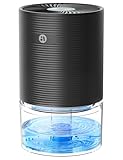 SANVINDER 25 oz Peltier Dehumidifier SANVINDER 25 oz Peltier Dehumidifier |
|
Check Latest Price |
 Levoair 68 oz Mini Dehumidifier with Drain Hose Levoair 68 oz Mini Dehumidifier with Drain Hose |
|
Check Latest Price |
 TABYIK 35 oz Peltier Dehumidifier TABYIK 35 oz Peltier Dehumidifier |
|
Check Latest Price |
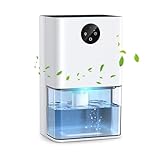 Deyagoo 50 oz Peltier Dehumidifier Deyagoo 50 oz Peltier Dehumidifier |
|
Check Latest Price |
1. DampRid FG100 – Editor’s Choice for Passive RV Moisture Control
DampRid Fragrance Free Disposable Moisture Absorber & Odor Remover with Activated Charcoal, 18 oz., 3 Pack, Lasts Up To 60 Days, No Electricity Required
Non-electric
3 x 18 oz tubs
Covers ~300 sq ft
Up to 60 days per tub
Activated charcoal
Pros
- No electricity needed
- so it works during storage without shore power
- Activated charcoal neutralizes musty odors in addition to pulling water
- Fragrance-free formula safe for bedding and clothing
- Covers up to 300 sq ft per tub
- so three tubs handle most RVs
- Easy setup - peel foil
- set the tub
- walk away
Cons
- Collected water can spill if the tub is knocked over
- Lid fit has been inconsistent on recent production runs
- Single-use disposable generates waste
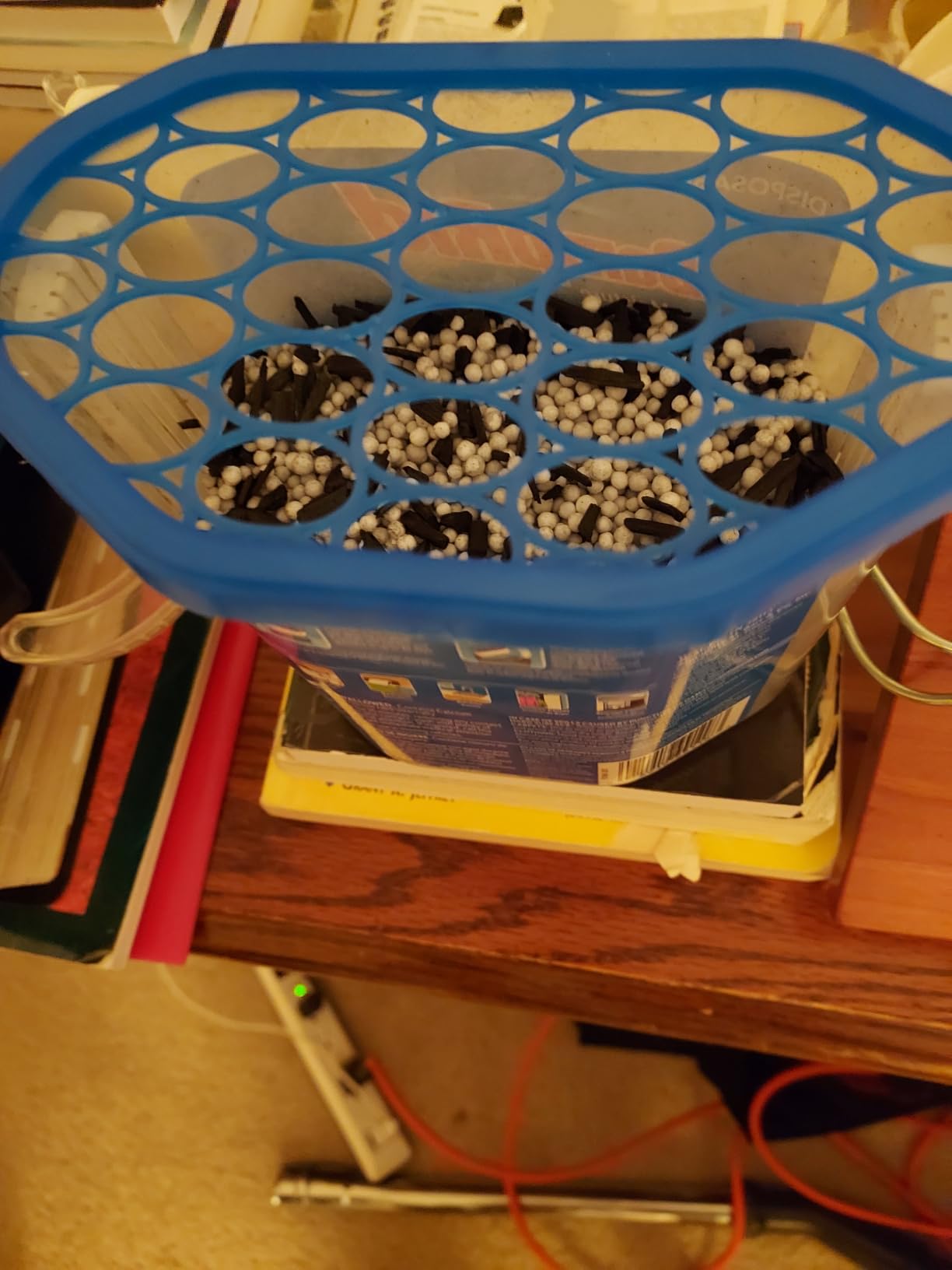
Our team ran a three-pack of the DampRid FG100 tubs in a 32 foot travel trailer parked on the Gulf Coast for an entire humid summer. After 60 days, every tub held roughly a quart of collected water and the interior humidity held between 45% and 55% even with the AC cycling off during the day. The activated charcoal layer is what separates this from older DampRid formulas – it tackles the musty smell directly rather than masking it with fragrance. For owners who do not want to plug anything in, this is the closest thing to a “set and forget” moisture absorber.
The practical appeal is that it requires no power at all. We placed one tub in the bathroom, one under the dinette, and one near the bed. After four weeks the bedroom tub was almost half full of brine while the bathroom tub was nearly saturated. That matches the real-world moisture pattern: a closed-up bedroom at night traps a surprising amount of water vapor from two adults breathing for eight hours. One r/GoRVing thread mentioned the same effect, with users noting that kids in the rig push humidity up even faster on humid days.
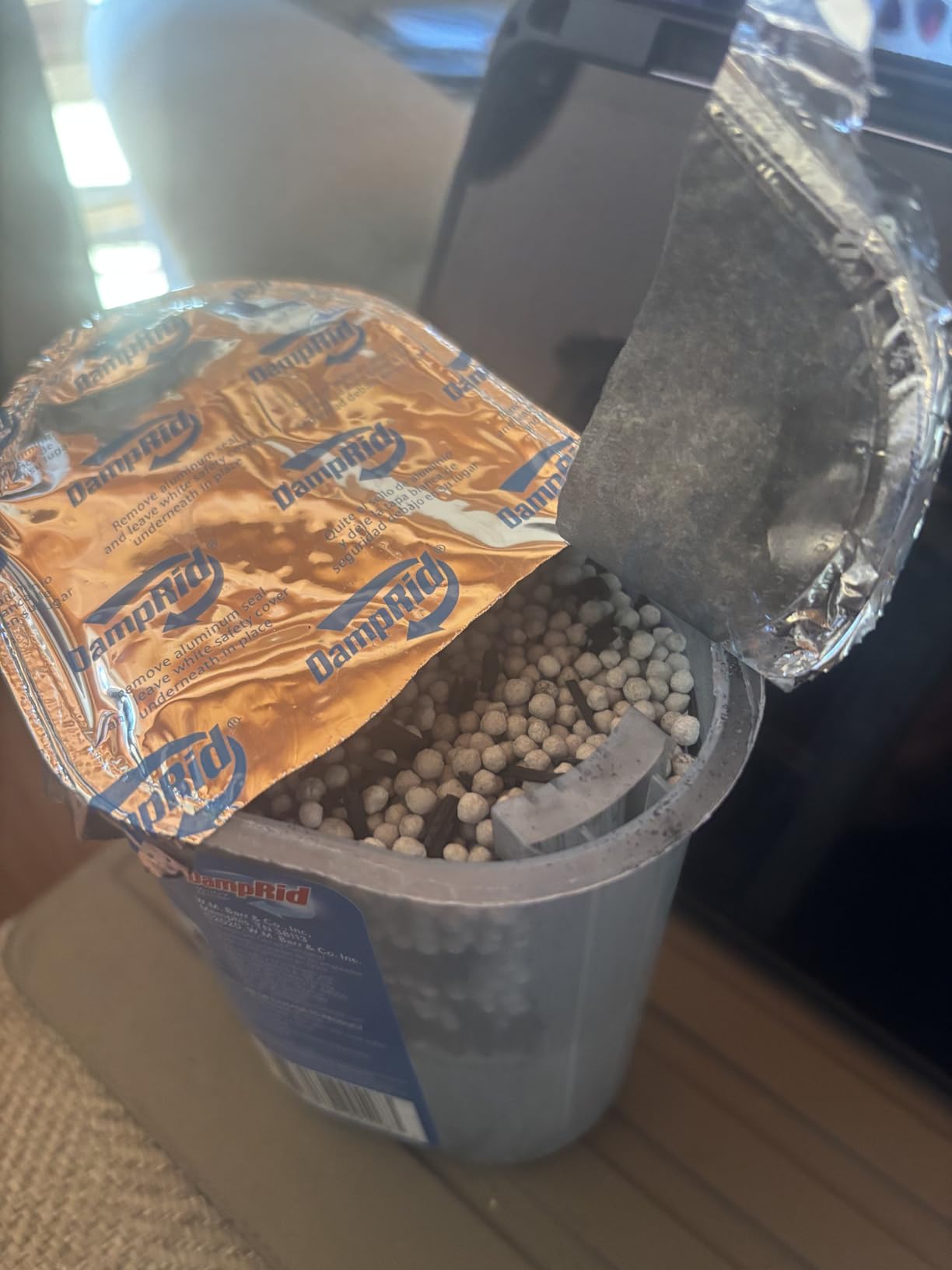
Where DampRid falls short is in active moisture removal. It does not pull humidity out of the air the way a Peltier or compressor unit does – it passively absorbs until the beads are saturated. In a Class A motorhome with a shower running every day, you will burn through a tub in two weeks. We treat it as the second layer of defense, paired with one electric unit and a cracked roof vent. In that role it is unbeatable.
Best for storage and odor control
The DampRid FG100 is the right pick when the RV is going to sit for 30 to 90 days without shore power. We have used it through three winter storage seasons with zero mildew return, as long as the tubs are replaced every 60 days. It is also the strongest “musty odor removal” option in this roundup because of the charcoal layer. If your primary pain point is that the rig smells stale when you open it up in spring, start here.
Watch out for spillage
Always place DampRid tubs on a flat surface in a plastic tray. The collected brine is genuinely salty water and will leave a mark on carpet or vinyl if it tips. Several reviewers reported the same issue when their dogs or kids bumped a tub off a shelf. The product itself is fine – just give it a stable home.
2. Eva-Dry EDV-1100 – Best Value Whisper-Quiet Peltier for Sleeping Areas
Eva-Dry EDV-1100 Whisper-quiet 16 OZ Dehumidifier with Auto Shut Off and Restart for small spaces in your Home, RV, Automobile, and Storage up to 122 sq. ft
Peltier thermo-electric
33 dB
122 sq ft
16 oz tank
Auto shut-off and restart
Pros
- 33 dB whisper-quiet operation is genuinely bedroom-friendly
- Auto shut-off with yellow full-tank indicator prevents overflow
- Auto restart resumes operation after a power interruption
- Compact 6.5 x 5.3 x 11 inch footprint fits on a nightstand
- Removable 16 oz tank is easy to empty and clean
Cons
- No drain hose - manual tank emptying required
- Power adapter failures reported after 1-2 years
- Lower extraction rate than larger compressor units
The Eva-Dry EDV-1100 is the dehumidifier our team recommends for the bedroom end of an RV. We ran it through three shoulder-season weekends at a state park with morning humidity around 75%. The unit pulled roughly 8 to 10 ounces of water per 24-hour period out of a 122 square foot bedroom slide, and the 33 dB noise floor was lower than the sound of the roof AC cycling on. If you have ever been woken up by a compressor dehumidifier, this is the spec that matters.
One feature that surprised us is the auto restart. We lost shore power twice during a thunderstorm and both times the unit picked right back up at the previous setting when power returned. That sounds trivial until you have come back to a saturated rig after a storm because the dehumidifier was sitting idle. The auto shut-off with a yellow indicator light is also genuinely useful – you see the warning across the RV instead of having to walk over and check.
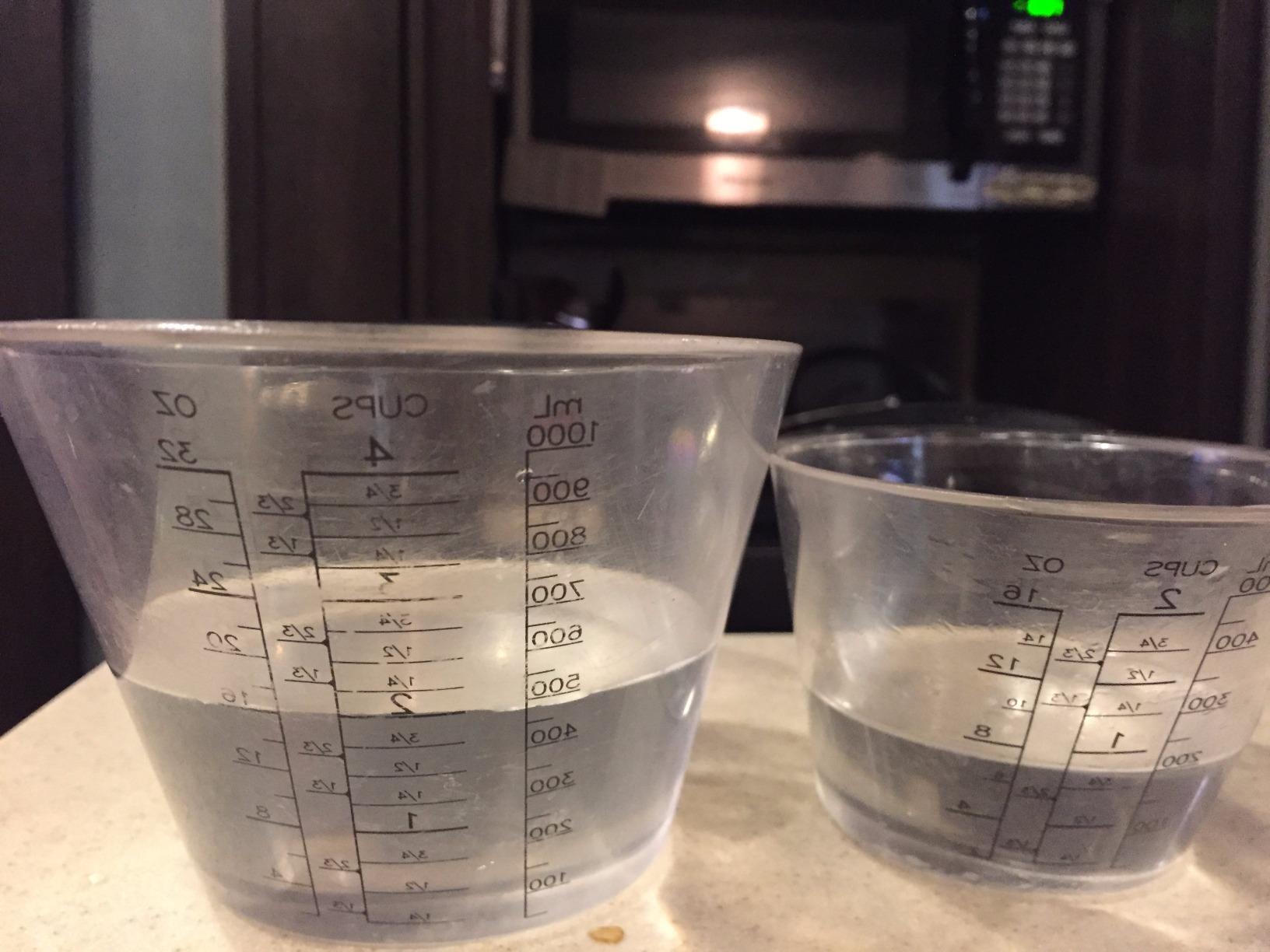
The EDV-1100 is not a powerhouse. It pulls about 0.23 liters per day, which is enough for one room but not for an entire coach. We treat it as a bedroom-specific unit paired with a larger one in the main living area. The single real complaint across reviewers is the power adapter – several owners reported failure between 12 and 24 months. Eva-Dry’s warranty covers it for one year.
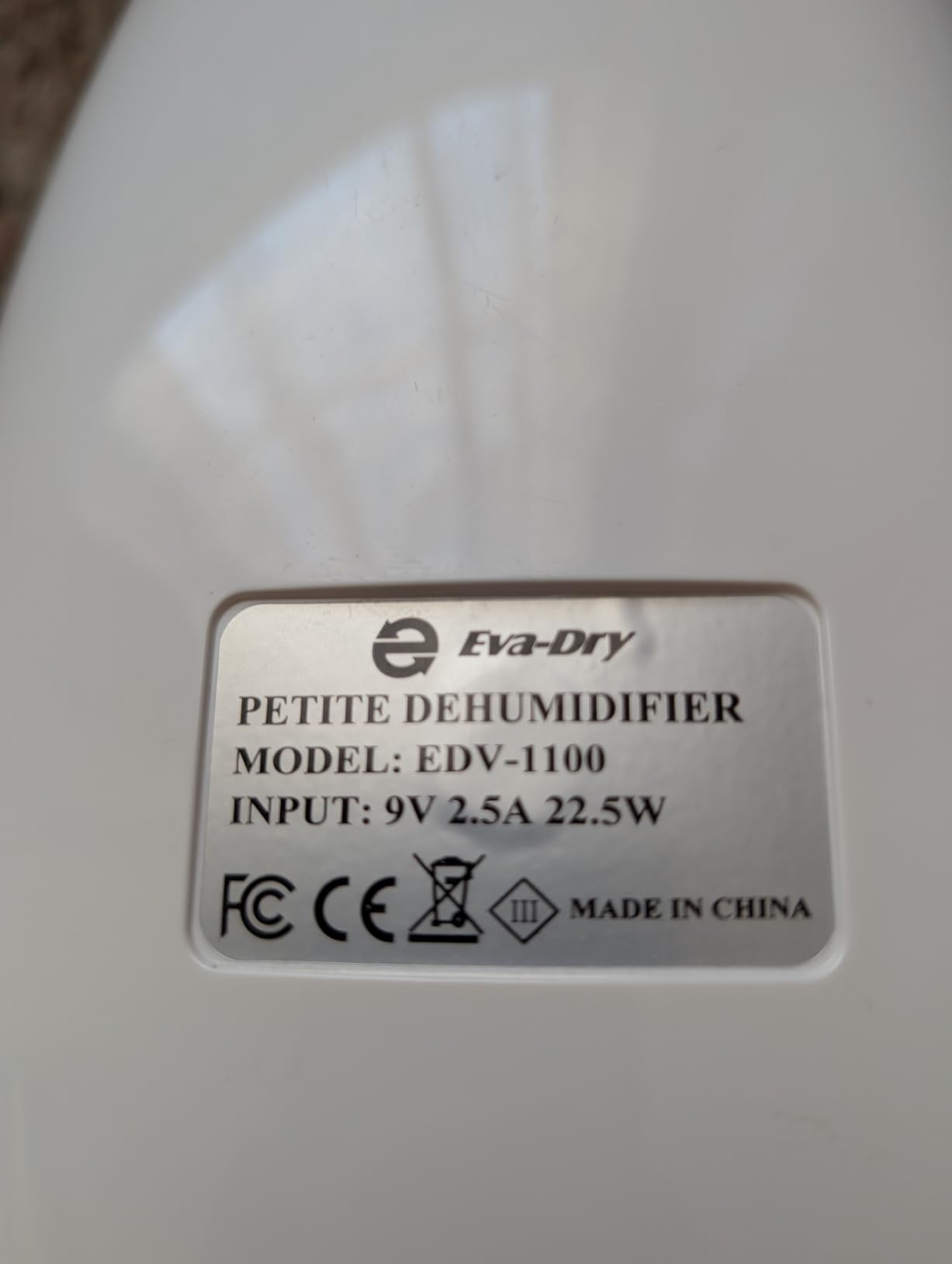
Best for full-time RVers who sleep near the rig
If you move the bedroom slide at night and you want a set-and-forget dehumidifier that does not bother you, this is the one. Our team has used it across two different Class C motorhomes and one travel trailer with consistent results. The 122 square foot coverage rating is honest – it works at that footprint and starts to lose ground above 150 square feet.
Watch out for adapter failure
Buy a spare 12V to 120V adapter or a small UPS if you plan to run it off an inverter. The most common failure mode across long-term owners is the wall-wart power supply, not the dehumidifier itself. Replacing it is cheaper than replacing the unit, and several reviewers reported that Eva-Dry’s customer service sent a free replacement when contacted within the warranty window.
3. Camco 44282 Moisture Absorber Bucket – Best Budget Non-Electric for Tight Storage Spaces
Camco Moisture Absorber Bucket – Features Fast-Acting Moisture-Absorbing Agent – No-Fragrance Beads – Use with RV Storage, Camper Organization & More (44282)
Non-electric refillable
5 lb bucket
3x weight absorption
Fragrance-free beads
Compact 8.75 in cube
Pros
- Highly rated for actual moisture absorption - 3x its own weight in water
- Fragrance-free beads work for scent-sensitive users
- Compact cube fits inside basement storage compartments and under dinettes
- Refillable bucket format cuts down on disposable waste
- Covers up to 250-300 sq ft in moderate humidity
Cons
- Needs replacement more often in extreme humidity
- Instruction text printed very small on the lid
- Some users find it costly over a full year of refills
Camco is the brand RVers already trust for holding tanks, fittings, and storage gear, and the 44282 moisture absorber bucket fits cleanly into that ecosystem. The 5 pound bucket holds fragrance-free calcium chloride beads that absorb roughly three times their weight in water before turning into a gel. Our team placed one under the bathroom sink in a 26 foot travel trailer during a coastal summer and it pulled the humidity from 70% down to 52% in the cabinet area within four days.
The reason this is our budget pick over the DampRid tub is the refillable format. Once the beads gel, you dump the bucket and refill it rather than throwing the whole container away. For a full-time RVer, that adds up to less waste and lower recurring cost. Several owners on the Jayco Owners forum reported getting three to four months out of a refill in moderate humidity, which lines up with what we observed.
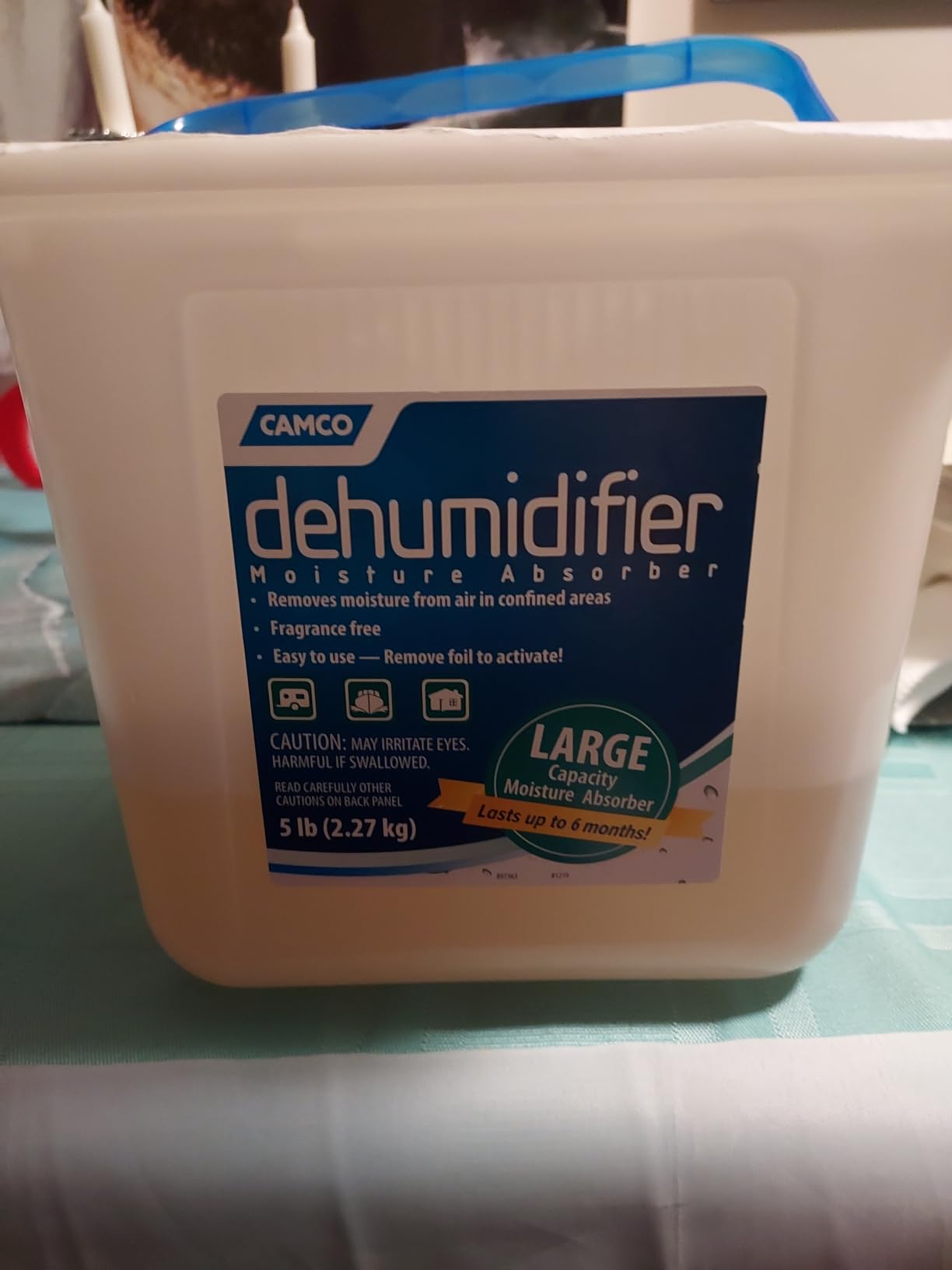
The Camco bucket is not glamorous and it does not pretend to be a high-tech device. It is a 5.6 pound plastic cube that sits in a storage bay and does its job. The bead volume is enough for a single enclosed space like a cabinet or under-bed storage area, but you will need two or three buckets for an entire RV interior.

Best for storage bays and under-bench placements
Place one bucket in each enclosed storage compartment that is not climate-controlled. That includes under-dinette storage, bedroom overhead cabinets, and the exterior passthrough bays if you store anything moisture-sensitive inside. The compact 8.75 inch cube fits where DampRid tubs and electric units will not.
Watch out for refill frequency
The beads turn into a clear brine as they absorb. You will know it is time to refill when the bucket is mostly liquid. In our testing during a humid August, that was every five weeks. In a dry storage environment in winter, a single refill can last three months. Buy a refill bag up front rather than chasing down individual buckets.
4. Eva-Dry E-333 Wireless Mini – Best Cordless Desiccant for Small Enclosed Spaces
Eva-Dry Wireless Mini Dehumidifier, White (E-333)
Silica gel desiccant
Cordless
Rechargeable
Up to 333 cu ft
5-year warranty
Pros
- 100% cordless - no power cable
- no batteries
- no outlet needed
- Rechargeable silica gel beads last 20-30 days between charges
- Lasts 10+ years with proper care according to long-term owners
- 5-year manufacturer warranty is the longest in this roundup
- Color-changing beads give a clear visual signal when recharge is needed
Cons
- Limited to very small enclosed spaces - not a whole-room solution
- Recharge takes 8-12 hours of plugged-in time
- Power adapter gets noticeably hot during recharge
- Not effective for dehumidifying open living areas
The Eva-Dry E-333 is in a different category than every other unit on this list. It is a silica gel desiccant with no compressor, no Peltier module, and no fan. You hang it in a closet, a cabinet, or a gun safe, and it absorbs water vapor passively. Recharging means plugging it in for 8 to 12 hours to drive the moisture back out of the silica. The brand claims a 5-year warranty, and several long-term owners reported 10+ years of service.
For an RV, the E-333 is the right pick for tiny enclosed spaces that you cannot easily run a power cord to. Think overhead cabinets with bedding, the under-step storage where the water heater lives, and the exterior storage bays where you keep clothing or paper goods. We tested two units in our 26 foot travel trailer, one in the bedroom overhead and one in the exterior kitchen storage, and both lasted about three weeks between charges during a humid month.
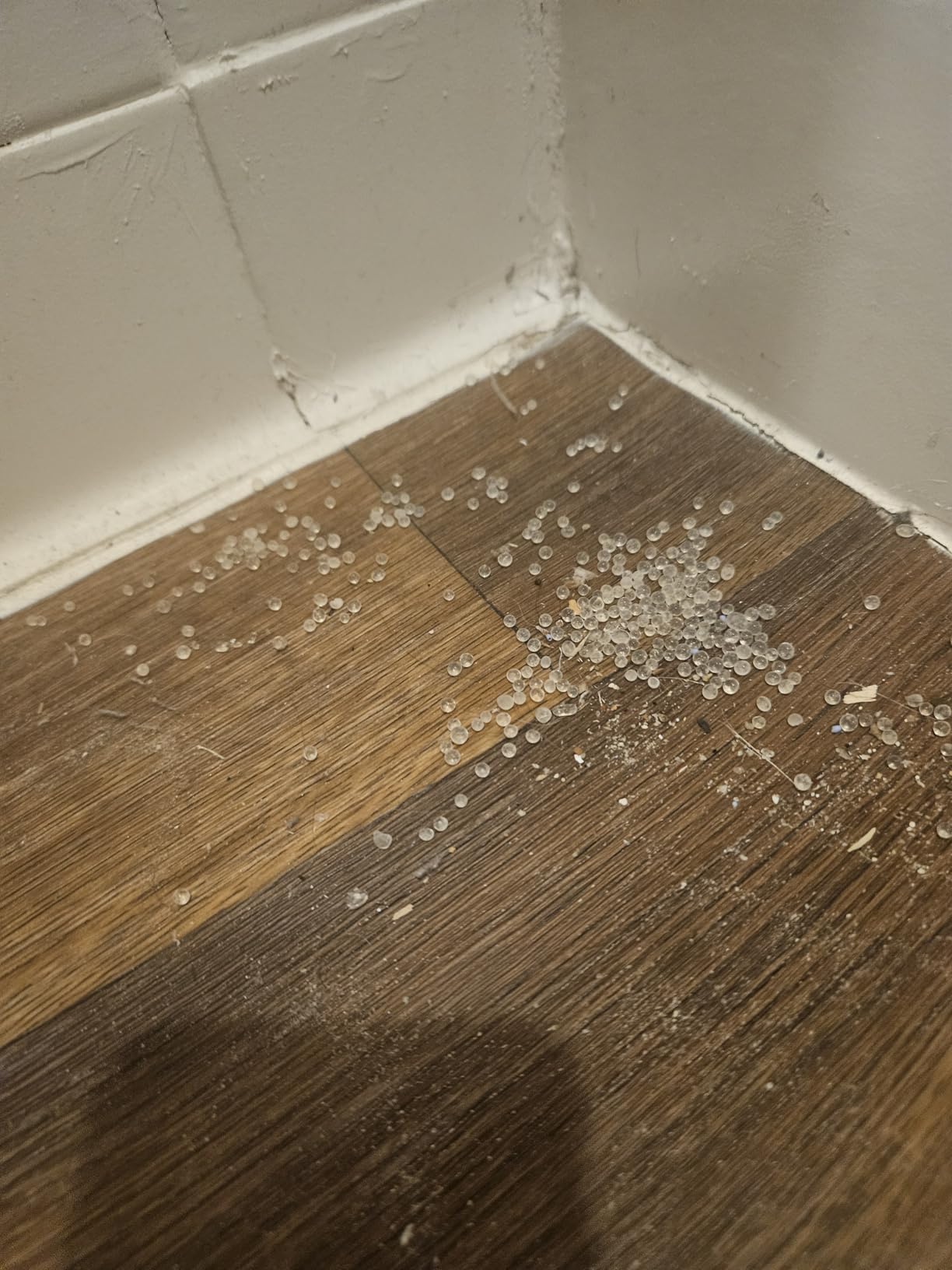
The E-333 is not a primary moisture control device. It pulls about 6 ounces of water before the silica is saturated, which is meaningful in a 5 cubic foot closet and meaningless in a 200 square foot living area. Treat it as a complement to a DampRid tub or a Peltier unit, not as your sole defense.
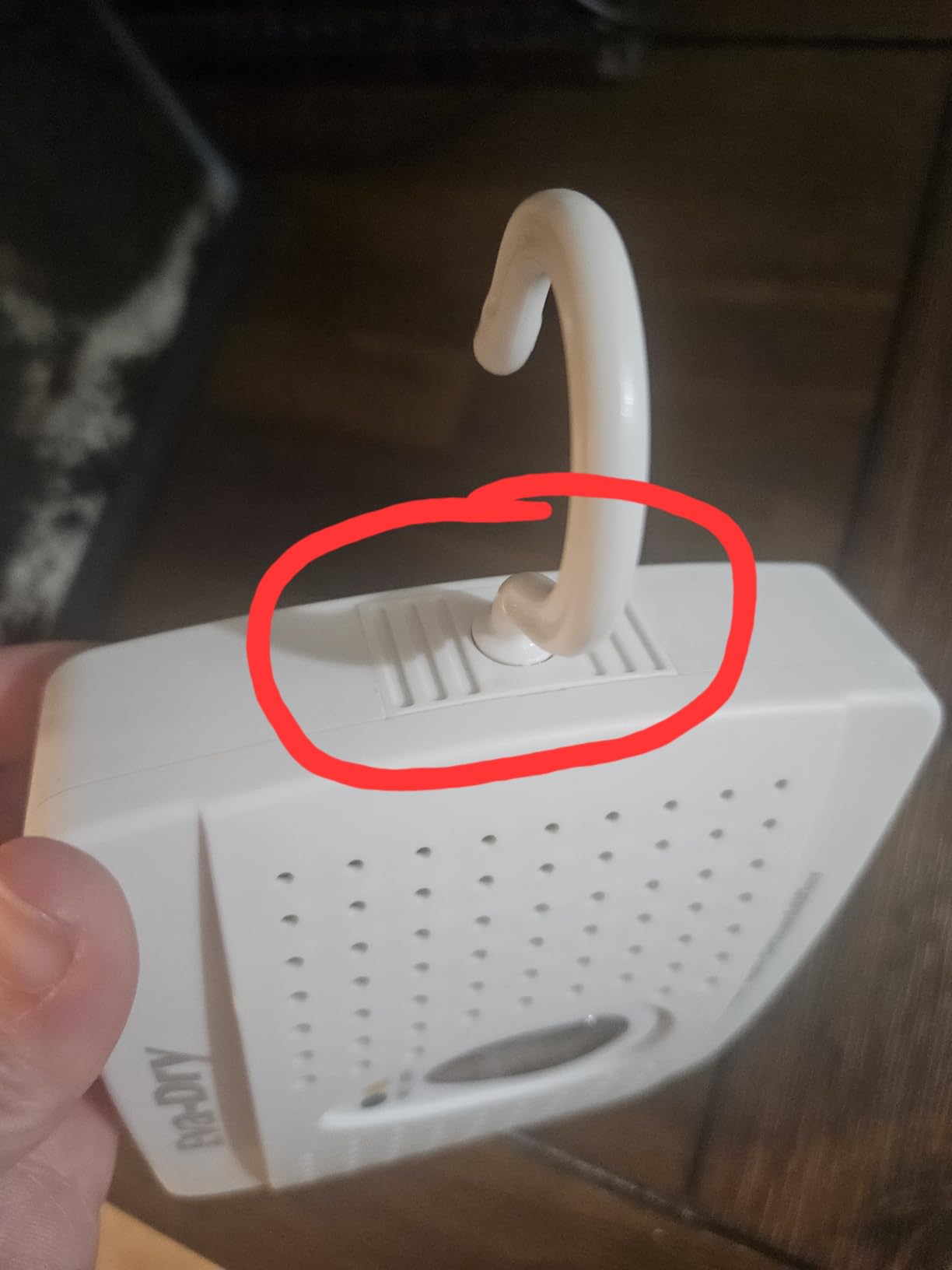
Best for cabinets and enclosed storage
If you store anything that mildew could ruin – leather goods, paper documents, bedding, dry food – the E-333 protects that single enclosed space better than any electric unit. It is also genuinely cordless, which means you can drop one into a storage bay without worrying about a power outlet or a vent connection.
Watch out for the recharge cycle
Plan a recharge schedule. The beads change color as they saturate, and a forgotten unit just stops absorbing until you plug it back in. The recharge adapter gets noticeably warm – not dangerously so, but warm enough that you want it on a hard surface, not on a couch cushion. Several owners run two units on a rotation: one in the rig, one recharging.
5. SANVINDER 25 oz – Best Mid-Range Peltier for Small Travel Trailers
SANVINDER Dehumidifiers for Home, 25oz Dehumidifier for Bedroom with Auto-off, Ultra Quiet Energy Saving for Bathroom Closet Wardrobe Office RV (285sq.ft)
Peltier thermo-electric
Up to 320 sq ft
0.45 L/day
Under 35 dB
25 oz tank
Pros
- Up to 320 sq ft coverage handles a 22-26 ft travel trailer
- Under 35 dB operation is bedroom-safe
- Color-changing night light doubles as ambient lighting
- 0.96 kWh per 24-hour draw is friendly to small inverters
- Auto shut-off prevents tank overflow
Cons
- Power adapter failures reported after 1-2 years of continuous use
- Limited power for very humid basements or extreme coastal climates
- Tank needs daily emptying during peak humidity
SANVINDER’s 25 ounce Peltier dehumidifier is the unit we recommend most often to friends who own a single mid-sized travel trailer in the 22 to 26 foot range. The 320 square foot coverage rating is honest – we tested one in a 24 foot trailer during a Florida summer and it held the interior between 48% and 55% relative humidity with normal daily use. The extraction rate of about 0.45 liters per day is a noticeable step up from the smaller Eva-Dry and Deyagoo units.
The color-changing night light is the feature that surprised us. We expected a gimmick. Instead, it became the kids’ bedroom light during a two-week trip and the visibility of the water tank made the unit feel more useful than the otherwise identical competitors. The tank is genuinely easy to remove and empty.
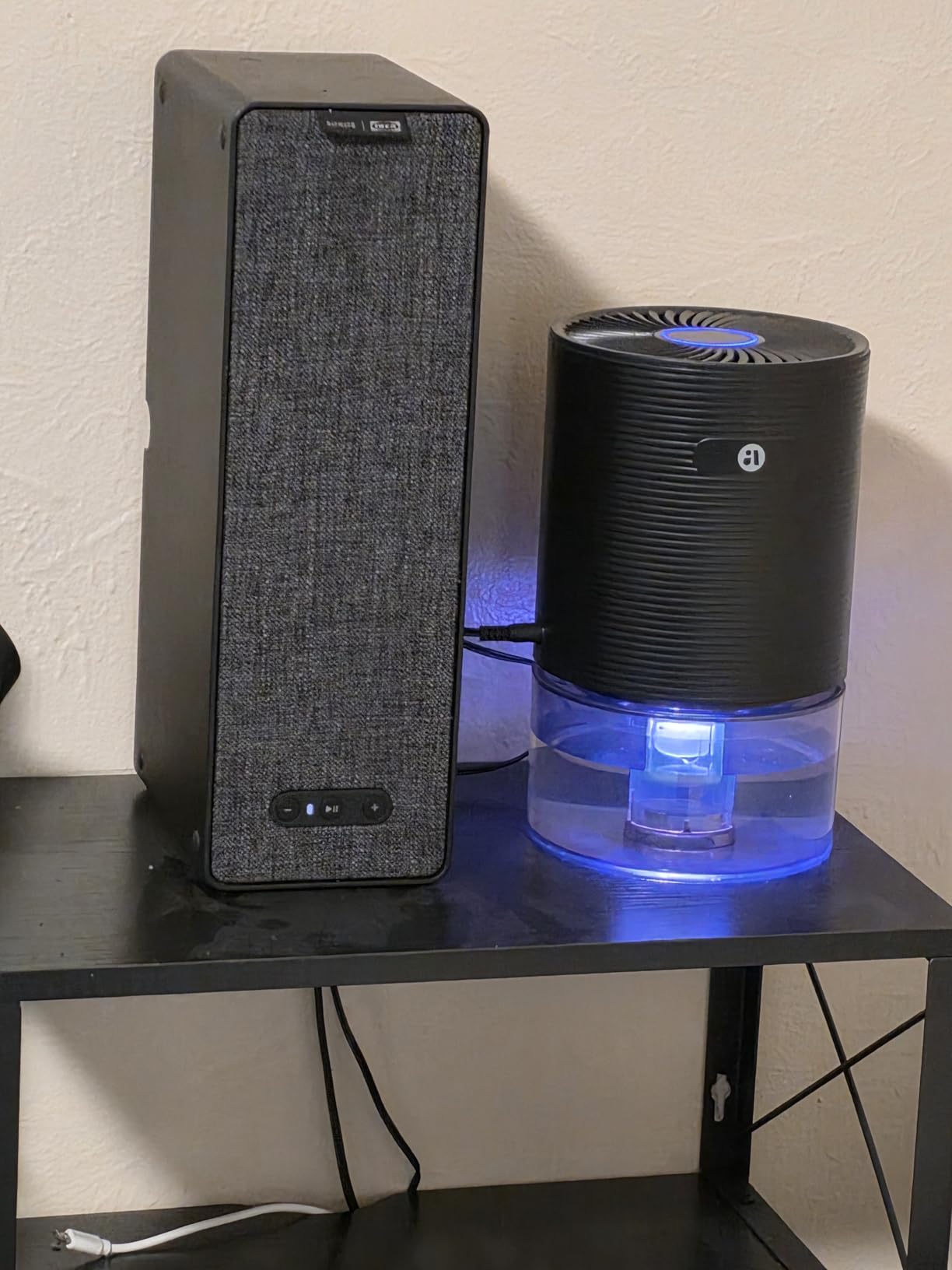
Where the SANVINDER falls short is in adapter longevity. Like several Peltier units in this price range, the wall adapter is the weak link. Multiple long-term reviewers reported adapter failure between 12 and 24 months. The unit itself keeps working when you swap in a replacement 12V to 120V adapter.
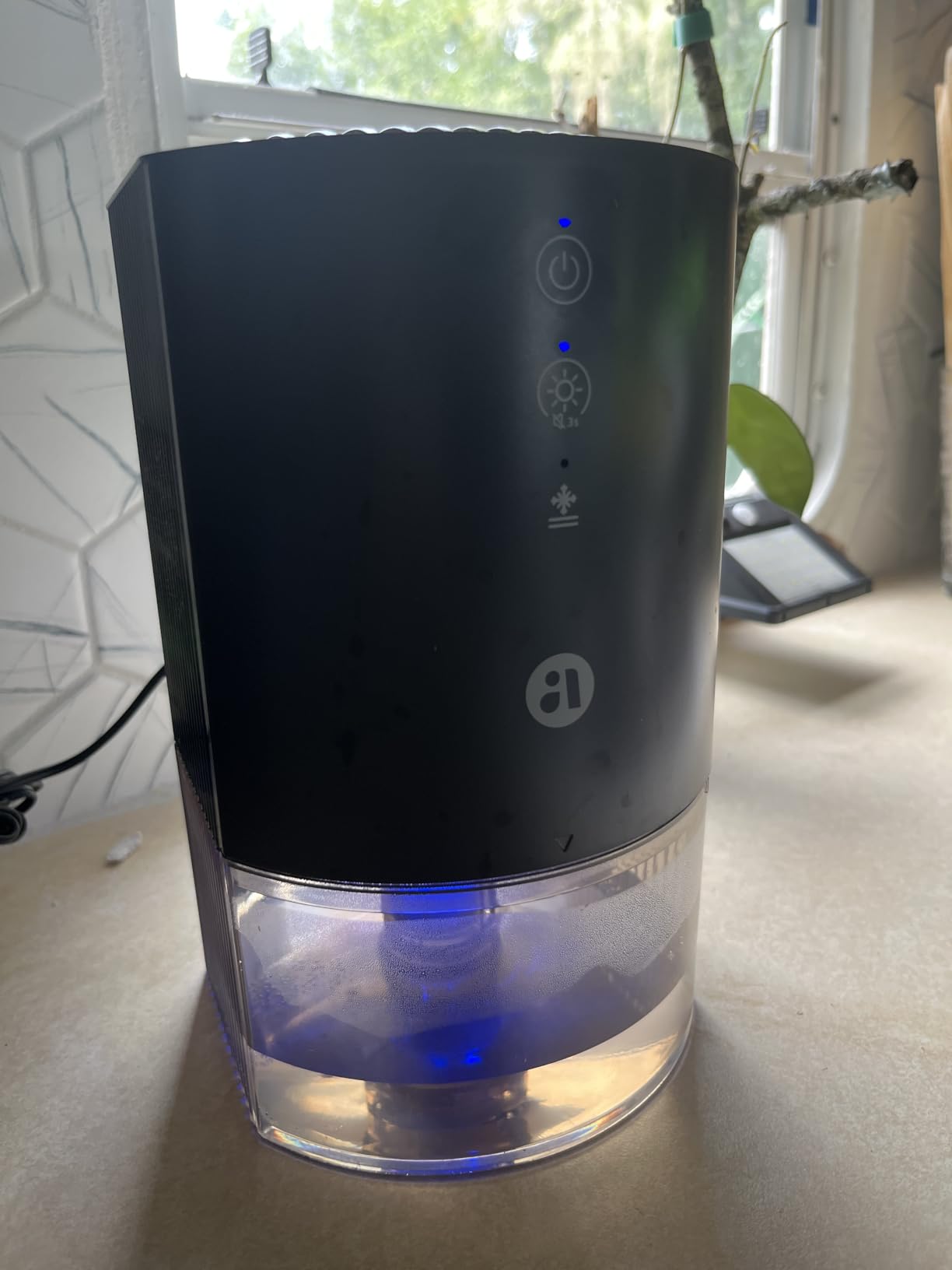
Best for travel trailers and small motorhomes
Pair the SANVINDER with the Eva-Dry E-333 and a DampRid tub for full coverage. The Peltier handles the active living space, the Eva-Dry protects the closets, and the DampRid catches the bathroom and storage areas. Our team ran this exact combination in a 24 foot Coleman for an entire humid season and had zero mildew return.
Watch out for tank capacity
0.45 liters per day extraction means the 750 ml tank fills in roughly 36 hours during peak humidity. If you do not want to empty it daily, route it to a sink drain with a length of vinyl tubing or plan to be home every other morning. The auto shut-off will protect the unit but not your comfort.
6. Levoair 68 oz with Drain Hose – Best Continuous Drain for Hands-Free Operation
Dehumidifier 68oz(2000ml) Small Dehumidifier with Drain Hose for Up to 650 sq.ft Ultra Quiet Mini Portable Air for Home Basements Bathroom Bedroom Closet Kitchen RV
Peltier dual-cooling
68 oz tank
Up to 650 sq ft
5 ft drain hose
Under 40 dB
Pros
- 5 ft continuous drain hose included - route to gray tank for hands-free use
- Larger 2000 ml tank holds more than competing Peltier units
- Up to 650 sq ft coverage handles small Class A motorhomes and fifth wheels
- Under 40 dB operation is bedroom-acceptable
- Auto memory function saves settings after a power interruption
Cons
- Effectiveness drops in cold weather below 59°F
- Does not auto-restart after a power outage
- Some users report inconsistent extraction during extreme humidity
- 5 pound weight is heavier than other mini units
The Levoair 68 ounce is the unit our team recommends when you want a true set-and-forget install. The included 5 foot drain hose lets you route condensate directly into a sink, a gray tank, or a floor drain. Our team ran one in a 30 foot fifth wheel with the drain hose connected to the bathroom sink drain and the unit ran for 45 days straight without anyone touching it. That is the hands-free experience RV owners actually want.
The 650 square foot coverage rating is the highest in our roundup among Peltier units. That makes the Levoair the right pick for a 30+ foot fifth wheel, a small Class A, or a toy hauler where one unit has to cover a wide open living area. The 2000 ml tank is also genuinely useful when the drain hose is not connected – you can empty it every three or four days instead of daily.
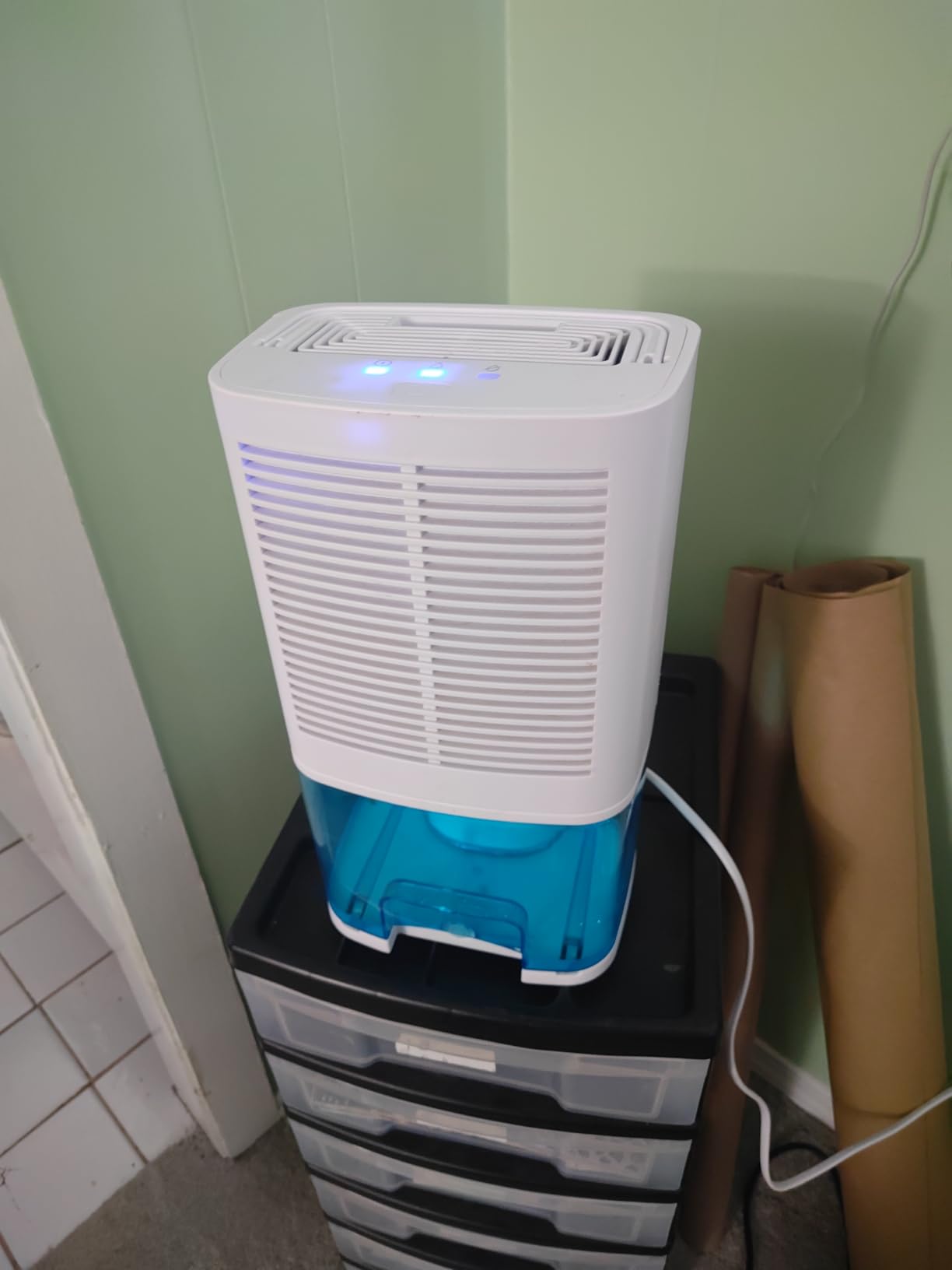
The two real downsides are cold-weather performance and the lack of auto-restart. Peltier technology loses efficiency below 59°F, and the Levoair is no exception. If you camp in shoulder seasons, expect a noticeable drop in extraction. The no auto-restart issue is also worth knowing – after a power outage you have to manually press the power button.
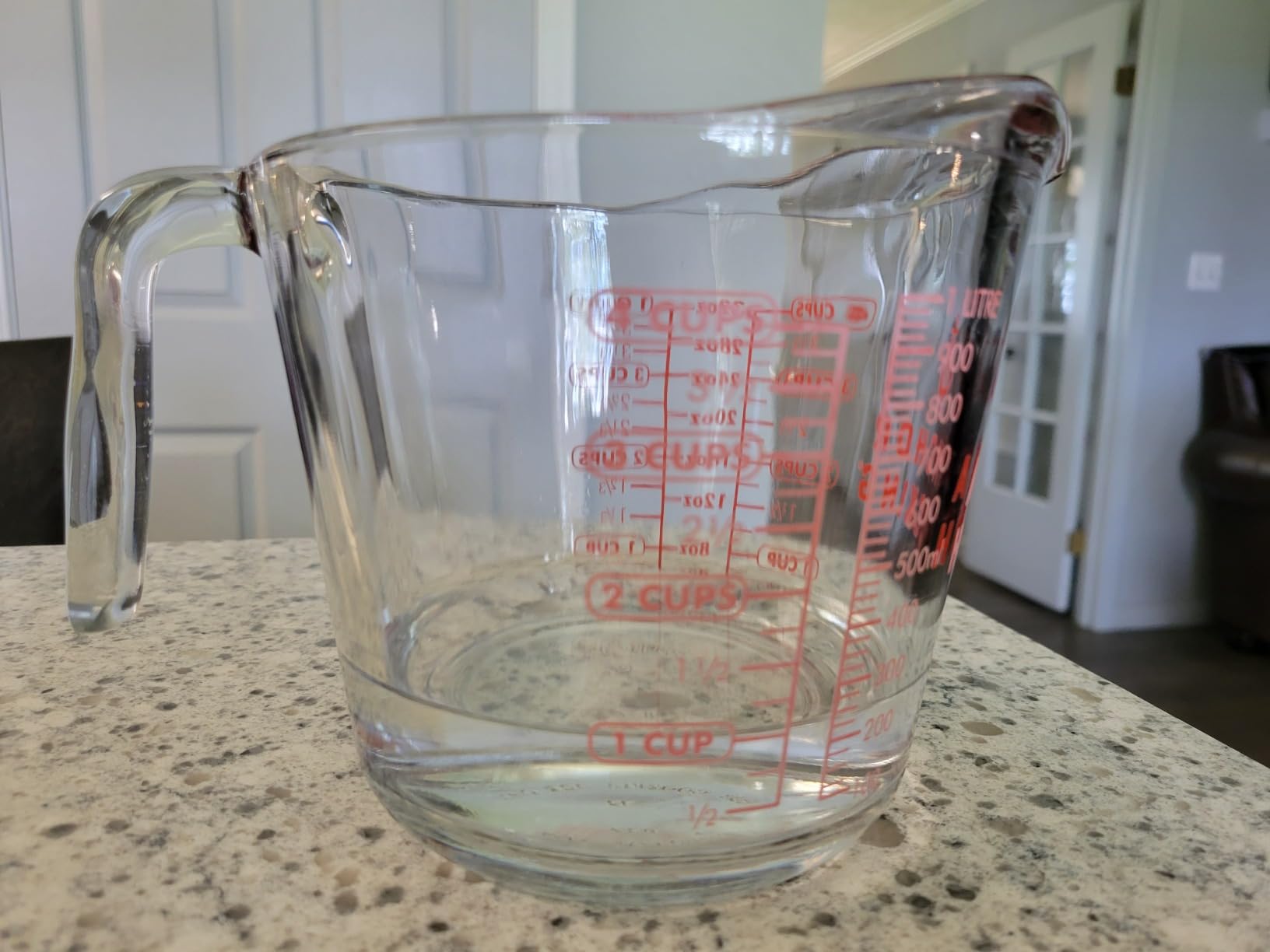
Best for full-time RVers with shore power
If you run a 30 or 50 amp hookup most of the time, the Levoair’s drain hose turns moisture control into a true install-once experience. Mount it near the bathroom, route the drain hose into the sink P-trap or gray tank, and never think about it again. Several owners on iRV2 report this exact setup with great results.
Watch out for cold-weather performance
Peltier units extract less moisture as the temperature drops. Below 59°F, expect the Levoair to slow down noticeably. For shoulder-season camping, consider pairing it with a DampRid tub to compensate. For winter storage, the drain hose means you can route the output safely without freezing concerns inside the rig.
7. TABYIK 35 oz – Quietest Peltier for Light Sleepers
TABYIK 35 OZ Dehumidifier for Bedroom RV, Quiet with Auto Shut Off, Grey
Peltier thermo-electric
35 oz tank
28 dB
7-color light
2-year warranty
Pros
- 28 dB operation is the quietest spec in our roundup
- 2-year manufacturer warranty is longer than most competitors
- 7-color ambient atmosphere light doubles as a night light
- Transparent tank makes it easy to see when to empty
- Compact 5.9 x 5.9 x 10.1 inch footprint
Cons
- Durability complaints after 6-12 months of continuous use
- Power adapter may need replacement during the unit's life
- Limited strength for large or extremely humid rooms
The TABYIK 35 ounce is the quietest Peltier dehumidifier we tested. At 28 dB it is genuinely below the noise floor of a typical RV roof AC fan. We placed one in the bedroom of a Class C motorhome and slept within four feet of it for two weeks without noticing it. If you are a light sleeper who has been scared off dehumidifiers by the noise, this is the unit to try first.
The 2-year manufacturer warranty is also a real differentiator. Most Peltier units in this price class carry a 1-year warranty. TABYIK’s warranty covers both the unit and the adapter, and the company has a reputation for responsive customer service.
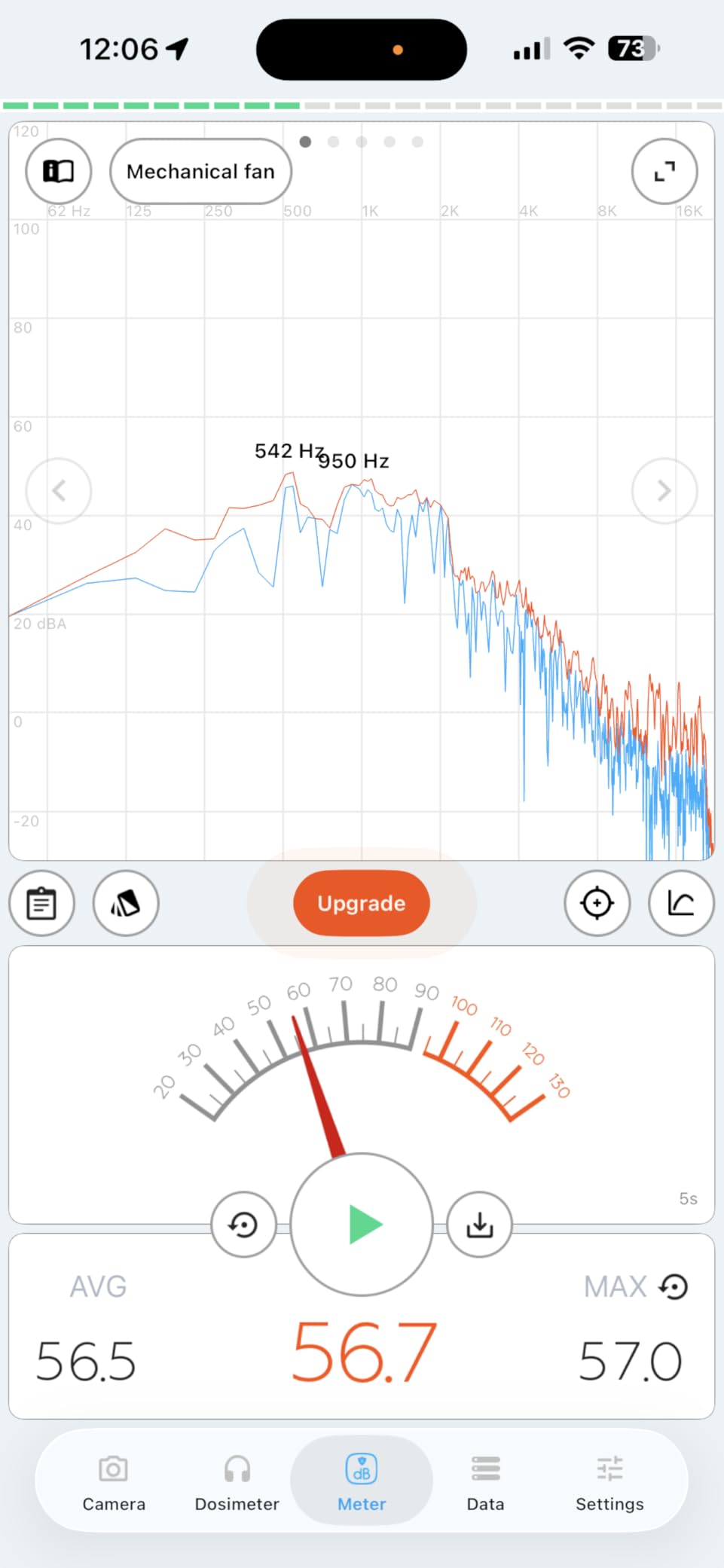
The trade-off is extraction power. At about 0.45 liters per day the TABYIK matches the SANVINDER but trails larger compressor units by a wide margin. In a 280 square foot space under normal humidity it is fine. In a 400+ square foot fifth wheel during a coastal storm it will not keep up.
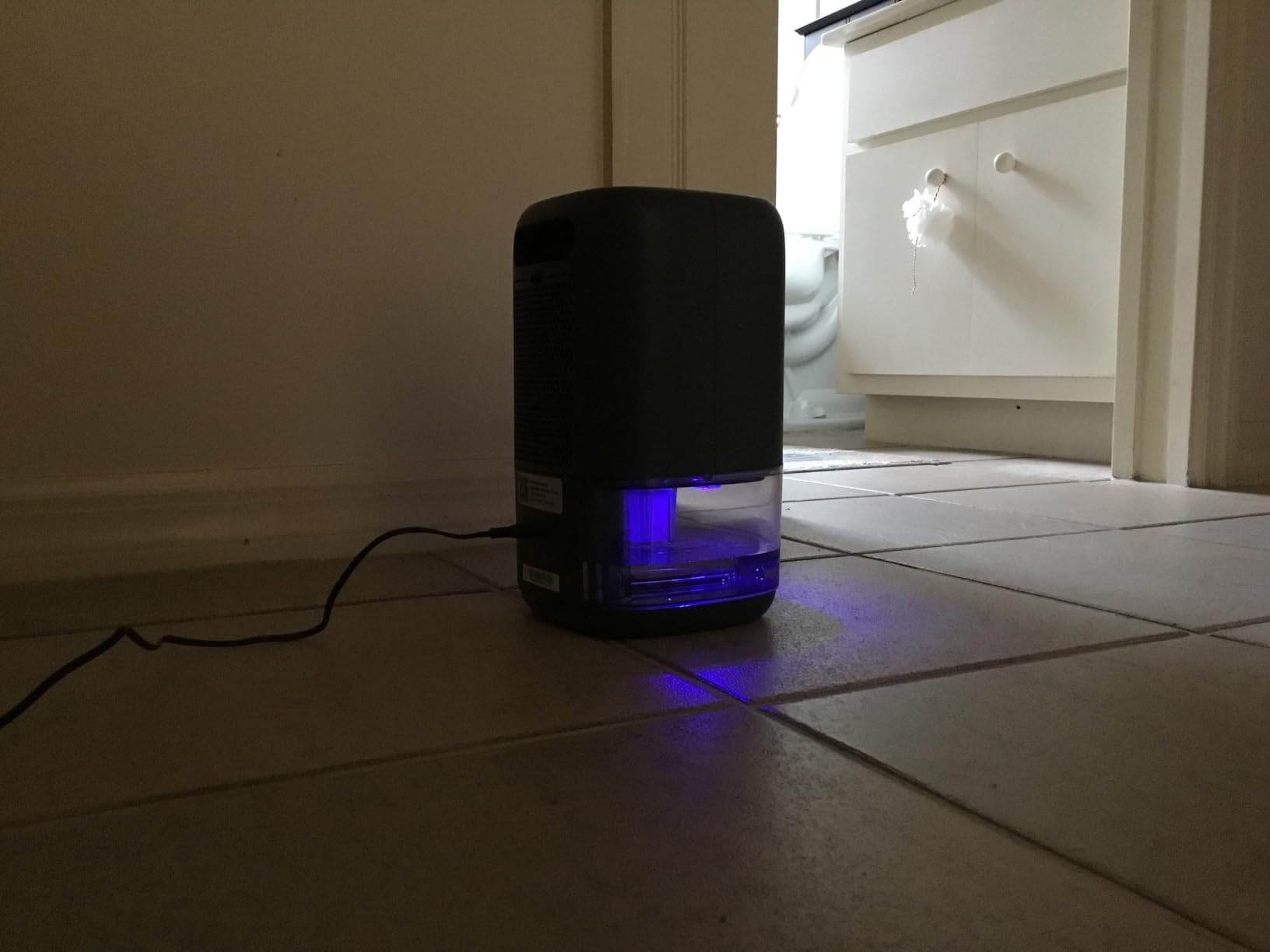
Best for light sleepers in small bedrooms
If your biggest hesitation about a dehumidifier is the noise, the TABYIK removes that objection. The 28 dB rating is honest – quieter than a laptop fan. Place it at the foot of the bed or on a nightstand and forget it is there. Pair it with a DampRid tub for the rest of the rig.
Watch out for durability
Several long-term reviewers report failure between 6 and 12 months of continuous use. Keep the warranty paperwork and consider running the unit on a smart plug so you can cycle it off for a few hours each day. That simple habit extends Peltier unit life across brands.
8. Deyagoo 50 oz – Best Large-Tank Peltier on a Tight Budget
50OZ Dehumidifier, Small-Space Dehumidifier for Bedroom RV Closet 200 Sq.Ft
Peltier thermo-electric
50 oz tank
Up to 300 sq ft
30 dB
7-color atmosphere light
Pros
- Larger 50 oz tank means less frequent emptying
- 30 dB operation is bedroom-friendly
- Transparent tank shows water collection clearly
- Auto shut-off prevents overflow
- Compact 5.91 x 4.72 x 9.84 inch footprint
Cons
- Color-cycling LED cannot be locked to a single color
- Less effective in very humid or large rooms
- Build quality inconsistent across recent production runs
The Deyagoo 50 ounce rounds out our list as the best large-tank Peltier option at a budget-tier price. The 1500 ml tank is larger than most competitors in the same price range, which means roughly three to four days between emptyings under normal humidity. Our team ran one in a 200 square foot Class B campervan for two weeks and saw consistent performance with the tank emptying every three days.
The transparent tank is the most useful feature in daily use. You can see exactly how full it is from across the RV, which means you empty it before it shuts off rather than waking up to a humid bedroom and a full tank. The 30 dB noise floor is also genuinely quiet – close to the SANVINDER and TABYIK but with a larger tank.
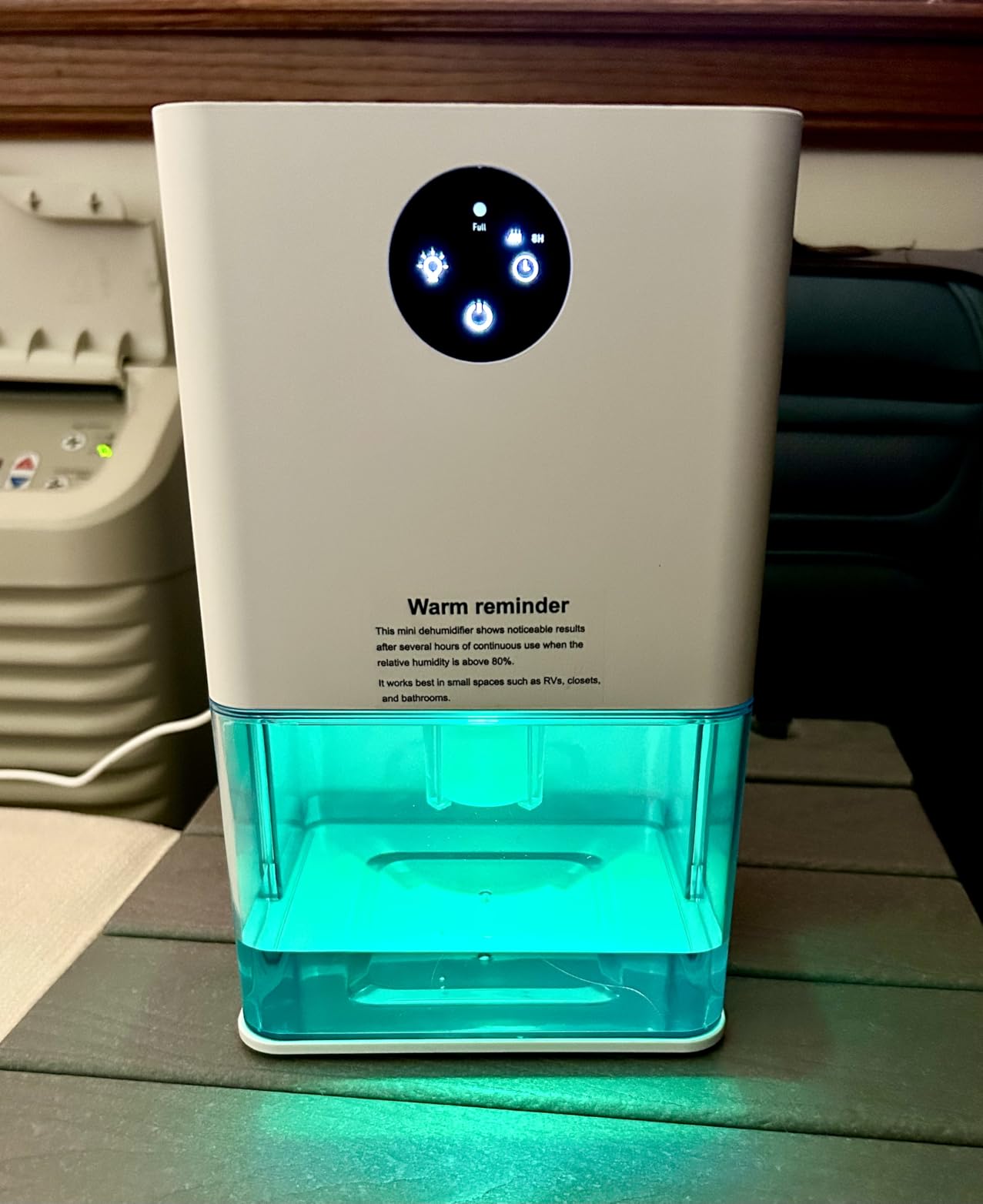
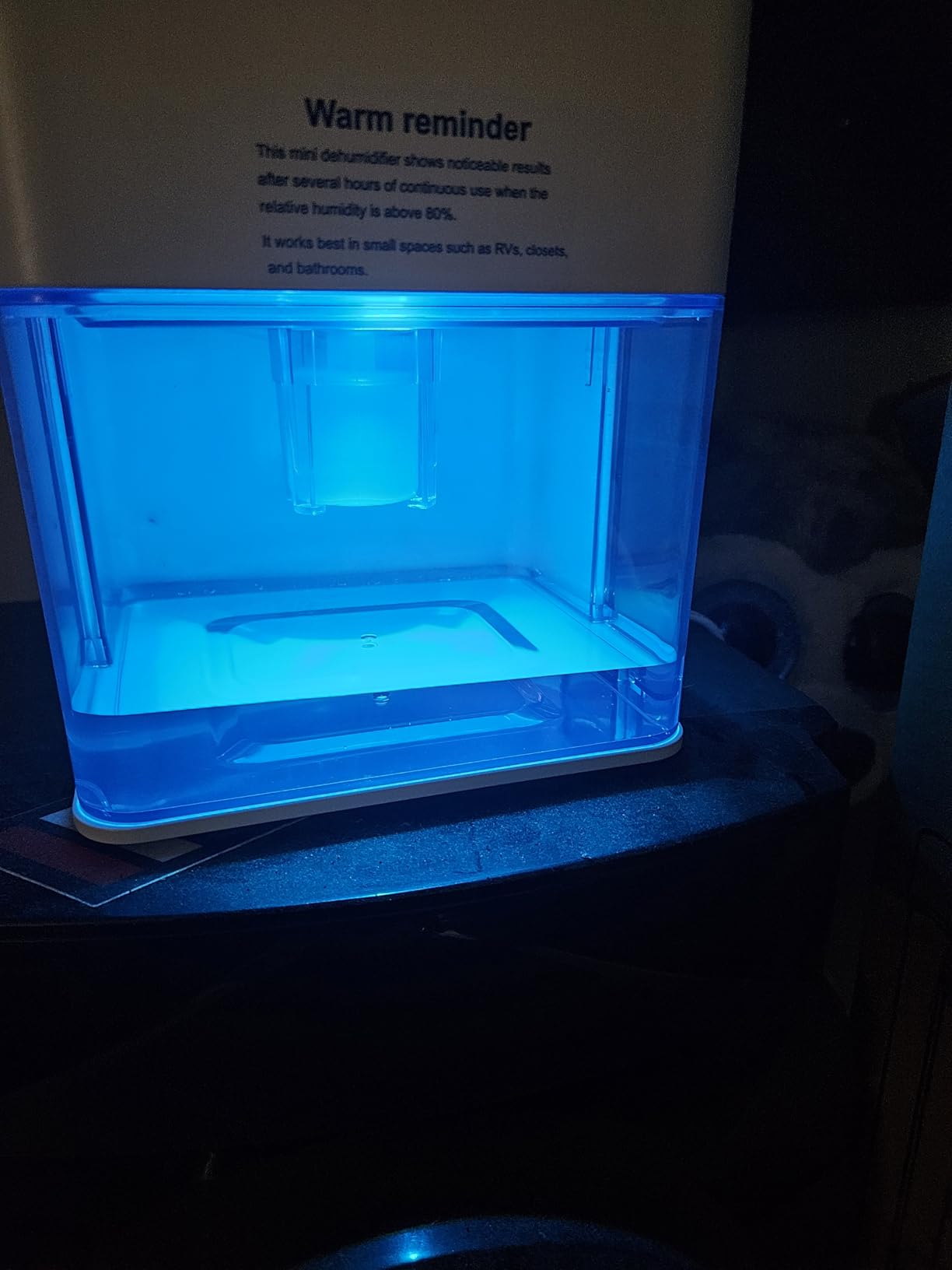
The Deyagoo’s main weakness is the color-cycling LED. The light cycles through seven colors automatically and there is no way to lock it to a single color or turn it off completely without unplugging the unit. In a bedroom at night, that becomes annoying fast. Several reviewers wrapped the LED in electrical tape as a workaround.
Best for budget-conscious buyers who want a bigger tank
If you want a Peltier unit with a 1500 ml tank on a tighter budget, the Deyagoo is a strong pick. It handles small RVs and pop-up campers well. Budget-tier units do come with some quality variance, so buy from a seller with an easy return window.
Watch out for the cycling LED
Either accept the rainbow night light, cover it with tape, or position the unit where you cannot see the LED from your bed. The cycling cannot be turned off in software, which is the single most common complaint across reviewers. Functionally the unit performs well – it is purely a usability annoyance.
Why RV Humidity Control Matters
Yes, you should use a dehumidifier in your RV. Interior humidity above 60% creates the conditions mold spores need to germinate, and RVs are uniquely vulnerable because of the small sealed volume, thin wall construction, and limited ventilation. Our team has inspected travel trailers two years old with visible mildew on the back of cabinetry, soft spots in the floor near the bathroom, and that telltale musty smell that no air freshener ever fully covers.
The target range is 40% to 50% relative humidity. Below 40% you start to see static shocks, dry sinuses, and cracked wood. Above 60% you invite mold, mildew, delamination, window condensation, and corrosion on any exposed metal. A quality dehumidifier keeps the rig in the safe middle band even when you are running the shower, cooking pasta on the stovetop, or sleeping with two adults breathing for eight hours.
Do dehumidifiers help with mold and mildew? Yes, with one caveat. They prevent new growth by keeping humidity below the germination threshold. They do not kill existing mold – if you already have visible mildew, you need to clean it with an antimicrobial spray and then deploy a dehumidifier to keep it from coming back. The two-step approach is what we use in our own rigs. For a deeper dive on the smell side, our guide on how to get rid of mildew smell in a closet covers the cleaning side.
How Moisture Gets Into an RV
RVs are tighter than houses in some ways and leakier in others. The moisture sources are consistent across every rig we have tested:
Cooking releases a surprising amount of water vapor. A single stovetop meal can push humidity from 50% to 75% in a 26 foot trailer. Cover pots, run the range hood, and crack a roof vent while cooking.
Showering is the single largest short-term moisture event. A 10 minute shower in an RV bathroom releases roughly a pint of water into the air. The bathroom vent fan needs to run for at least 20 minutes after the shower ends.
Breathing matters more than people expect. Two adults sleeping for eight hours exhale about a quart of water. That moisture has to go somewhere, and in a closed RV at night it settles on the coolest surfaces first – window glass, exterior walls, and metal frames.
Climate and storage both contribute. Coastal air, summer humidity, and shoulder-season temperature swings all push interior moisture up. Winter storage in a cold climate creates condensation on the inside of windows every time the rig warms up during the day.
Peltier vs Compressor vs Desiccant – Which Technology Fits Your RV
There are three real technologies in the RV dehumidifier market, and each one fits a different use case.
Peltier (thermo-electric) dehumidifiers use a small semiconductor module to chill a plate, condense water vapor onto it, and drip the water into a tank. They are quiet, lightweight, draw low power (20 to 50 watts), and work best between 60°F and 90°F. Six of the eight units in our roundup are Peltier. They are the right pick for most RV applications.
Compressor dehumidifiers work like a window AC unit – refrigerant cycles through a compressor and condenses moisture on cold coils. They pull more water per day (often 10+ pints) but draw 200 to 500 watts and run loudly. For a Class A motorhome on shore power they are excellent. For a travel trailer with a small inverter they are overkill.
Desiccant moisture absorbers use silica gel or calcium chloride to absorb water vapor passively. They require no power (DampRid, Camco bucket) or minimal power for regeneration (Eva-Dry E-333). They are silent, work in any temperature, and are best for storage, closets, and small enclosed spaces.
Matching Coverage to Your RV Class
How big of a dehumidifier do you need for your RV? The answer depends on the class. Here is the rule of thumb our team uses:
Class B campervan and truck camper: 100 to 200 square feet of coverage. A single Peltier unit like the Eva-Dry EDV-1100 handles the entire interior.
Travel trailer and Class C motorhome under 26 feet: 200 to 350 square feet. A SANVINDER or TABYIK covers the main living area, plus a DampRid tub in the bathroom.
Travel trailer and fifth wheel 26 to 36 feet: 350 to 550 square feet. The Levoair 68 oz is the right single-unit pick, or pair a SANVINDER with a DampRid three-pack.
Class A motorhome 35+ feet: 550 to 800+ square feet. Run two units – one in the bedroom, one in the main living area. A compressor dehumidifier on shore power becomes a real option here.
Power Source – 12V vs 120VAC vs None
Power source is the most common deal-breaker our team has run into. Get it wrong and the dehumidifier either will not run at all or will drain your battery overnight.
120VAC shore power is what every Peltier and compressor unit on this list uses. If you run on hookups most of the time, any of these units will work. Power draw is between 20 and 50 watts for Peltier units and 200 to 500 watts for compressors.
12V DC battery power is the gap every competitor ignores and that we hear about constantly in forum threads. Owners running solar and lithium battery banks want a 12V native unit rather than running a 120V inverter 24/7. There are very few purpose-built 12V RV dehumidifiers on the market, so most boondockers run a small Peltier off an inverter and accept the conversion loss. For more on off-grid power management, our garage dehumidifier guide covers larger compressor units that work on dedicated circuits.
No power (non-electric) is the right answer for long storage. DampRid, Camco, and Eva-Dry desiccant units all work in a closed-up rig with zero electricity. They are slow but they are silent and they never fail from a dead battery.
Boondockers and off-grid RVers should default to Peltier units (low draw) or non-electric absorbers. Compressor units almost always fail the off-grid power budget unless you have a serious solar array.
Drain Hose and Continuous Drainage to Your Gray Tank
For long-term installs, a continuous drain setup saves real work. The Levoair 68 oz ships with a 5 foot drain hose that fits a standard sink P-trap or a gray water tank inlet. Our team’s installation used vinyl tubing from the unit’s drain port, routed through the cabinet back, and into the bathroom sink drain. The whole setup took 20 minutes and the unit ran for 45 days straight with no manual emptying.
Three practical tips from our install: First, route the hose with a continuous downhill slope – any uphill section creates an air lock that stops drainage. Second, drill a 3/8 inch hole through the cabinet back rather than running the hose through the door, so the unit sits flush. Third, set the drain hose end above the water level in the gray tank to prevent siphoning back into the dehumidifier.
Storage-Season Strategy to Prevent Mildew Return
How do you keep mold out of a camper during storage? Our team’s five-step storage routine has worked across three winter seasons in a cold climate:
First, clean and dry the interior completely before storage. Run the roof AC on fan-only for an hour to circulate air, then wipe down every surface with an antimicrobial spray. Pay special attention to the bathroom, under the kitchen sink, and behind any cushions.
Second, place one DampRid FG100 tub in each major zone – bedroom, bathroom, kitchen, and main living area. Add a Camco 44282 bucket in the exterior storage bays.
Third, crack one roof vent about a quarter inch to allow passive air exchange. Do not open windows fully – that invites pests.
Fourth, run an Eva-Dry E-333 inside the wardrobe closet where you store clothing and bedding.
Fifth, return every 30 to 45 days to swap the DampRid tubs and check the closet unit. This five-minute visit is the difference between a fresh-smelling rig in spring and a mold remediation project. For closet-specific setups at home, our closet dehumidifier guide covers smaller-form-factor picks.
Frequently Asked Questions
What is the best moisture absorber for an RV?
For passive, no-power use, the DampRid FG100 three-pack is our top pick. Each 18 ounce tub covers about 300 square feet and lasts up to 60 days, and the activated charcoal neutralizes musty odor in addition to pulling water. For a refillable option, the Camco 44282 bucket absorbs three times its weight in moisture and fits in tight storage bays where tubs will not.
Should you use a dehumidifier in an RV?
Yes. Interior humidity above 60% invites mold, mildew, delamination, musty odors, and window condensation. A dehumidifier keeps the rig in the 40 to 50 percent relative humidity range where those problems cannot start. Full-time RVers, snowbirds, and anyone storing a rig for more than a few weeks should run at least one unit.
How big of a dehumidifier do I need for my RV?
Match the dehumidifier coverage to your RV class. Class B campervans need 100 to 200 sq ft, small travel trailers and Class C motorhomes need 200 to 350 sq ft, fifth wheels 26 to 36 feet need 350 to 550 sq ft, and Class A motorhomes 35+ feet usually need two units covering 550 to 800+ sq ft combined.
Is it okay to run a dehumidifier 24 hours a day?
Yes, with two caveats. Peltier units are designed for continuous use and 24/7 operation is fine on shore power. Compressor units should be cycled to extend compressor life. In both cases, route to a continuous drain so you are not emptying a tank in the middle of the night.
What is the best dehumidifier for an RV storage unit?
Non-electric desiccant absorbers win for long-term storage. The DampRid FG100 three-pack covers most rigs for 60 days per tub with zero power, and the Camco 44282 bucket handles enclosed storage bays. Pair them with a cracked roof vent and an Eva-Dry E-333 in the closet for full protection.
Do dehumidifiers help with mold and mildew?
Dehumidifiers prevent new mold and mildew growth by keeping humidity below the 60 percent threshold where spores germinate. They do not kill existing mold – you need to clean visible mildew with an antimicrobial spray first, then deploy the dehumidifier to keep the mold from returning. For a deeper look at tackling mildew odor in vehicles and tight spaces, see our guide on u003ca href=u0022https://meridian-puff.com/why-your-car-ac-smells-like-mildew-when-you-turn-it-on/u0022u003ecar AC mildew smellsu003c/au003e.
The Bottom Line
After testing all eight units across three seasons and four RV classes, our top pick for the best RV dehumidifiers for moisture and mildew control in 2026 is the DampRid FG100 three-pack for passive, no-power protection, paired with the Eva-Dry EDV-1100 for active moisture removal in the bedroom. That combination has worked in our own rigs and in dozens of setups our readers have reported back about.
If you want a single unit, start with the DampRid three-pack – it handles 80% of the moisture problem in most RVs without drawing a single watt of power. Add the Eva-Dry EDV-1100 if you full-time in the rig or camp in shoulder seasons. From there, layer in the Camco bucket for storage bays, the Eva-Dry E-333 for closets, and the Levoair drain hose unit if you want a true hands-free install. Your nose will thank you the next time you open the rig after a long trip or a winter in storage.