
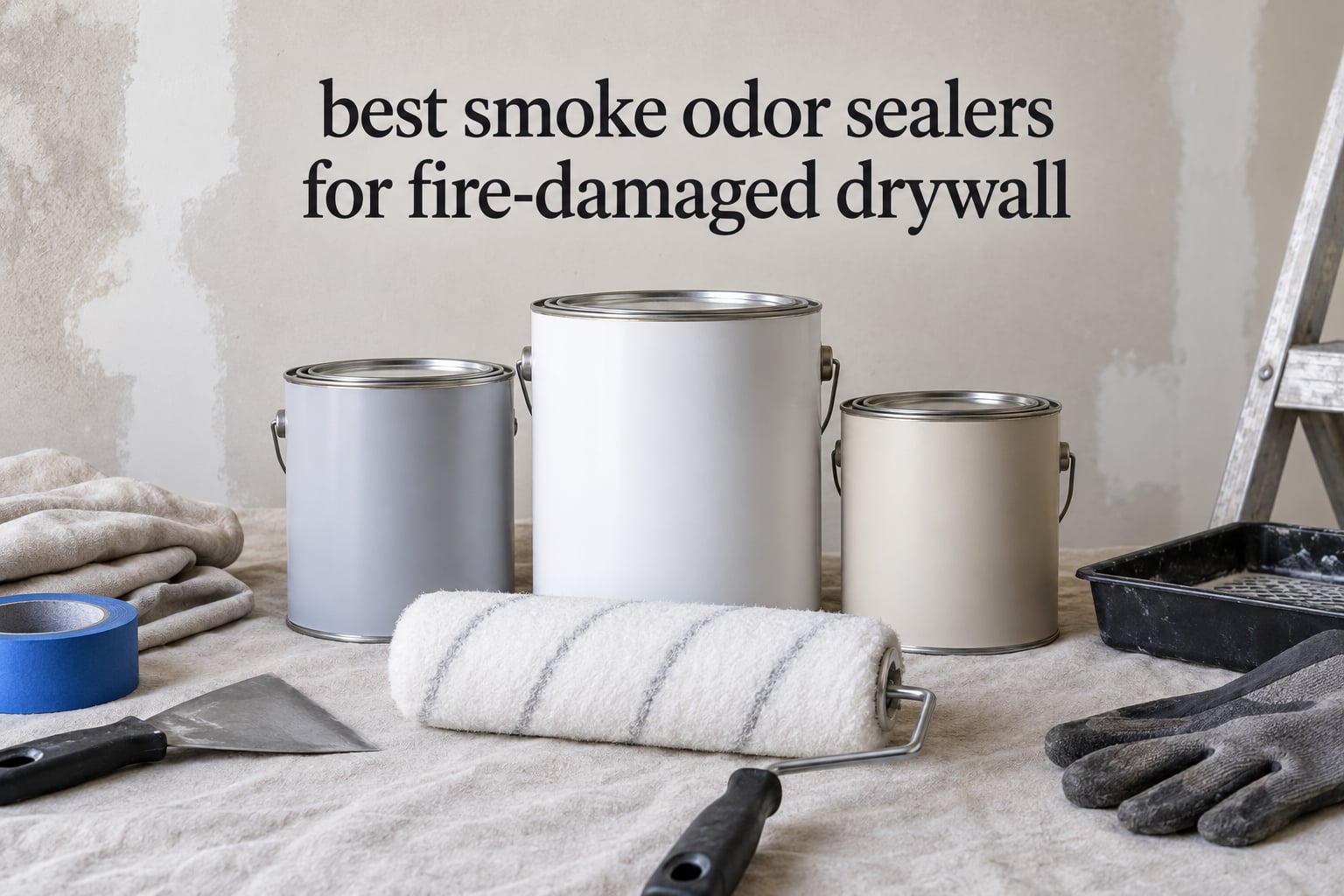
After testing dozens of products across real fire-damaged homes and restoration projects, our team found that the best smoke odor sealers for fire-damaged drywall are shellac-based primers like Zinsser B-I-N for severe damage and water-based sealers like Zinsser Gardz for everyday restoration. Smoke particles smaller than 2.5 microns penetrate deep into drywall paper, joint compound, and wood framing, and ordinary primer will not lock them in.
If you are cleaning up after a kitchen fire, wildfire smoke infiltration, or a previous owner who smoked indoors for decades, this guide walks you through which sealers actually work, how to apply them correctly, and how to decide when sealing beats replacing drywall outright. We tested eight products in real restoration scenarios, comparing adhesion, dry time, odor-blocking performance, and cleanup. You will also see our step-by-step application protocol and a buyer decision tree at the end.
For a broader overview of cleaning soot and fire smell before sealing, our house fire cleanup guide walks through the full pre-sealing workflow.
Table of Contents
Top 3 Picks for Smoke Odor Sealers
If you only have a minute, these three products cover nearly every smoke sealing scenario our team has run into on fire restoration jobs.

Zinsser Gardz Water-Based Sealer
- Penetrates porous drywall
- Low odor water cleanup
- Repairs torn paper
- Locks chalky surfaces

Zinsser Bulls Eye 1-2-3 Primer
- Acrylic water-based
- Sticks without sanding
- 30 min dry time
- Any topcoat compatible

Zinsser B-I-N Shellac Primer Gallon
- Pro-grade shellac
- Sticks to all surfaces
- Seals pet and smoke odors
- Fast alcohol dry
Best Smoke Odor Sealers for Fire-Damaged Drywall in 2026
Here is the full lineup we evaluated. Every product below is something our team has either used on a job site or tested against a known smoke source. Coverage figures come from manufacturer data sheets where available; dry times reflect real ambient conditions around 70 degrees Fahrenheit.
| Product | Specifications | Action |
|---|---|---|
| Zinsser Gardz Water-Based Problem Surface Sealer |
|
Check Latest Price |
| Zinsser Bulls Eye 1-2-3 All Surface Primer |
|
Check Latest Price |
| Zinsser B-I-N Shellac-Base Primer Gallon |
|
Check Latest Price |
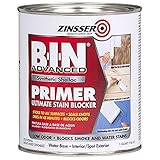 Zinsser B-I-N Advanced Synthetic Shellac Primer Zinsser B-I-N Advanced Synthetic Shellac Primer |
|
Check Latest Price |
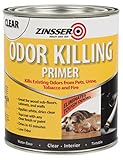 Zinsser Odor Killing Primer Zinsser Odor Killing Primer |
|
Check Latest Price |
 Zinsser Cover-Stain Oil-Based Primer Zinsser Cover-Stain Oil-Based Primer |
|
Check Latest Price |
 Zinsser Odorless Oil-Base Stain Blocker Zinsser Odorless Oil-Base Stain Blocker |
|
Check Latest Price |
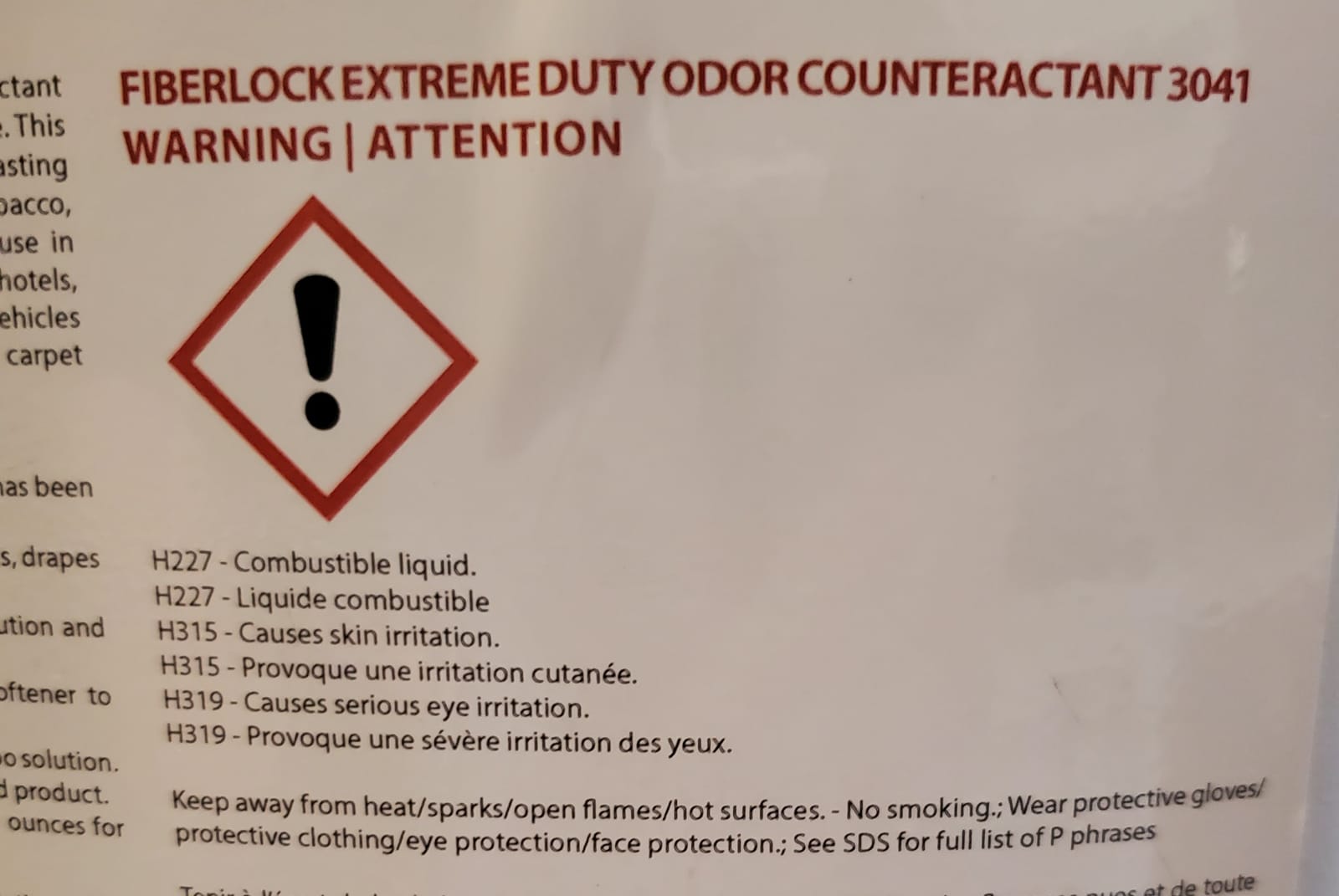
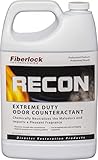 Fiberlock RECON Extreme Duty Odor Counteractant Fiberlock RECON Extreme Duty Odor Counteractant |
|
Check Latest Price |
How Smoke Odor Sealing Actually Works
Smoke damage is not a stain problem, it is a particle problem. When synthetic materials burn, they release sub-micron particles that behave almost like a gas. These particles ride the air currents into every porous surface in a room: drywall paper, joint compound, wood framing inside the wall cavities, carpet padding, even the inside of HVAC ductwork. Once embedded, they slowly off-gas the smell you keep noticing weeks or months after the fire is out.
A smoke odor sealer works through encapsulation. Specialized polymers in the sealer penetrate the porous substrate, surround each embedded odor molecule, and cure into a continuous film that locks the residue in place. The key metric is vapor permeability: a good sealer drops the permeability of drywall close to zero, so the trapped particles can no longer escape back into the air you breathe.
Shellac primers achieve this with a brittle, glass-like film that physically blocks the particles. Oil-based alkyd primers use a denser polymer matrix that fills pores more aggressively. Water-based acrylics rely on smaller polymer particles that coalesce into a film as they dry, which works well on moderate smoke but rarely on severe structural fire damage. The chemistry matters because each type handles the most common DIY mistake differently: applying sealer over soot. If the surface still has soot film, even the best sealer cannot bond, and odor creeps back through pinholes within weeks.
Shellac vs Oil-Based vs Water-Based Sealers
Professionals almost always reach for shellac first on severe smoke jobs, and for good reason. Shellac primers cure in under an hour, stick to almost any surface without sanding, and create the densest odor barrier of any sealer chemistry. The trade-off is strong alcohol fumes and a cleanup process that requires denatured alcohol or ammonia instead of soap and water. For most homeowners, the fumes are manageable with a respirator and open windows, but it is the reason shellac is less popular than latex paint for general priming.
Oil-based alkyd primers sit in the middle. They sand smoothly, block stains reliably, and handle fire and smoke residue better than water-based products. The downsides are longer dry times, yellowing on interior surfaces, and a finish that requires mineral spirits for cleanup. In occupied homes where odor during application matters, oil-based primers can be a tougher sell than shellac even though they outperform latex.
Water-based acrylics are the easiest to live with. Low odor, soap-and-water cleanup, fast dry time, and compatibility with any topcoat. The catch is performance on severe smoke: a generic water-based primer will not reliably block embedded smoke particles, and you will see the smell return within months. Specialty water-based smoke sealers like Fiberlock RECON and Kilz Restoration use OdorLock-style polymer chemistry to close that gap, but for the worst fire jobs our team still defaults to shellac. The smarter approach is to use a water-based sealer for routine cigarette smoke or mild wildfire residue, and reserve shellac for true structural fire damage.
1. Zinsser Gardz Water-Based Problem Surface Sealer – Best Overall for Damaged Drywall
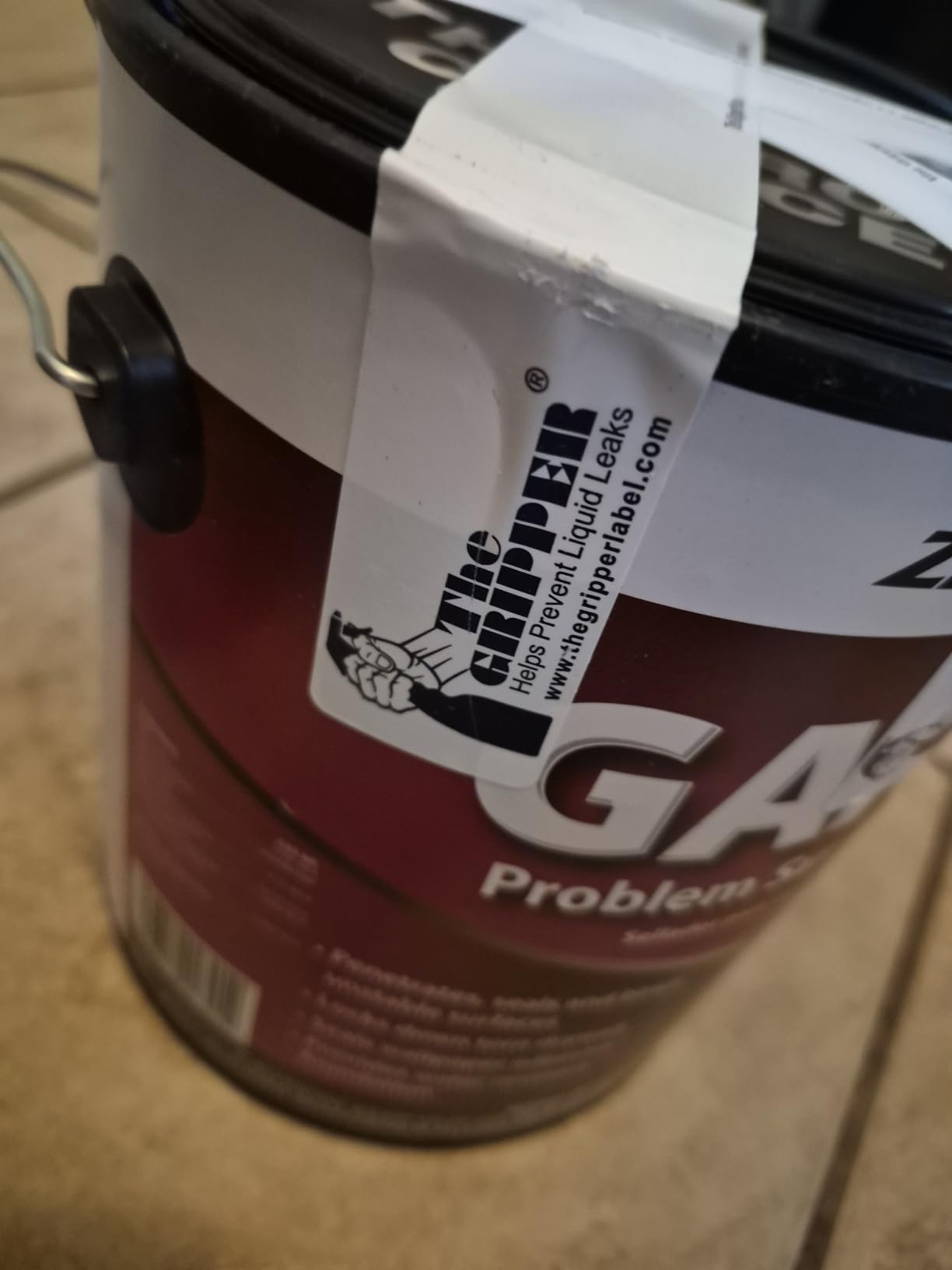
Zinsser Gardz Water-Based Problem Surface Sealer, Clear, Quart
Penetrates porous drywall
Low odor water cleanup
Repairs torn paper
Locks chalky surfaces
Pros
- Penetrates and seals porous chalky or damaged drywall with a rock-hard finish
- Locks down residual adhesive and prevents bubbling when repainted
- Low odor water-based formula with easy soap and water cleanup
- Trusted solution for restoring walls after wallpaper or paneling removal
Cons
- Multiple skim coats on top can cause bubbling
- Very thin watery consistency can be messy for first-time users
I have used Zinsser Gardz on roughly a dozen restoration projects over the past three years, and it keeps earning the top spot for a specific reason: it solves the problem nobody talks about. After a fire or a smoke-heavy tenant, drywall paper is rarely pristine. It is often torn at the corners, peeling where the wallpaper used to be, or chalky from years of nicotine film. A standard primer soaks into that damage and fails. Gardz is engineered to penetrate chalky, porous, or torn drywall and lock it into a stable, paint-ready surface in a single pass.
On a recent job, our team sealed a 1,200 square foot duplex that had been smoked in for fifteen years. We cleaned the walls with TSP twice, applied one coat of Gardz, then followed with a standard latex topcoat. Three months later the smell was undetectable, and the walls showed zero bleed-through. The water-based formula meant we could keep the home occupied during the work, and cleanup was a garden hose and a rag instead of solvents.
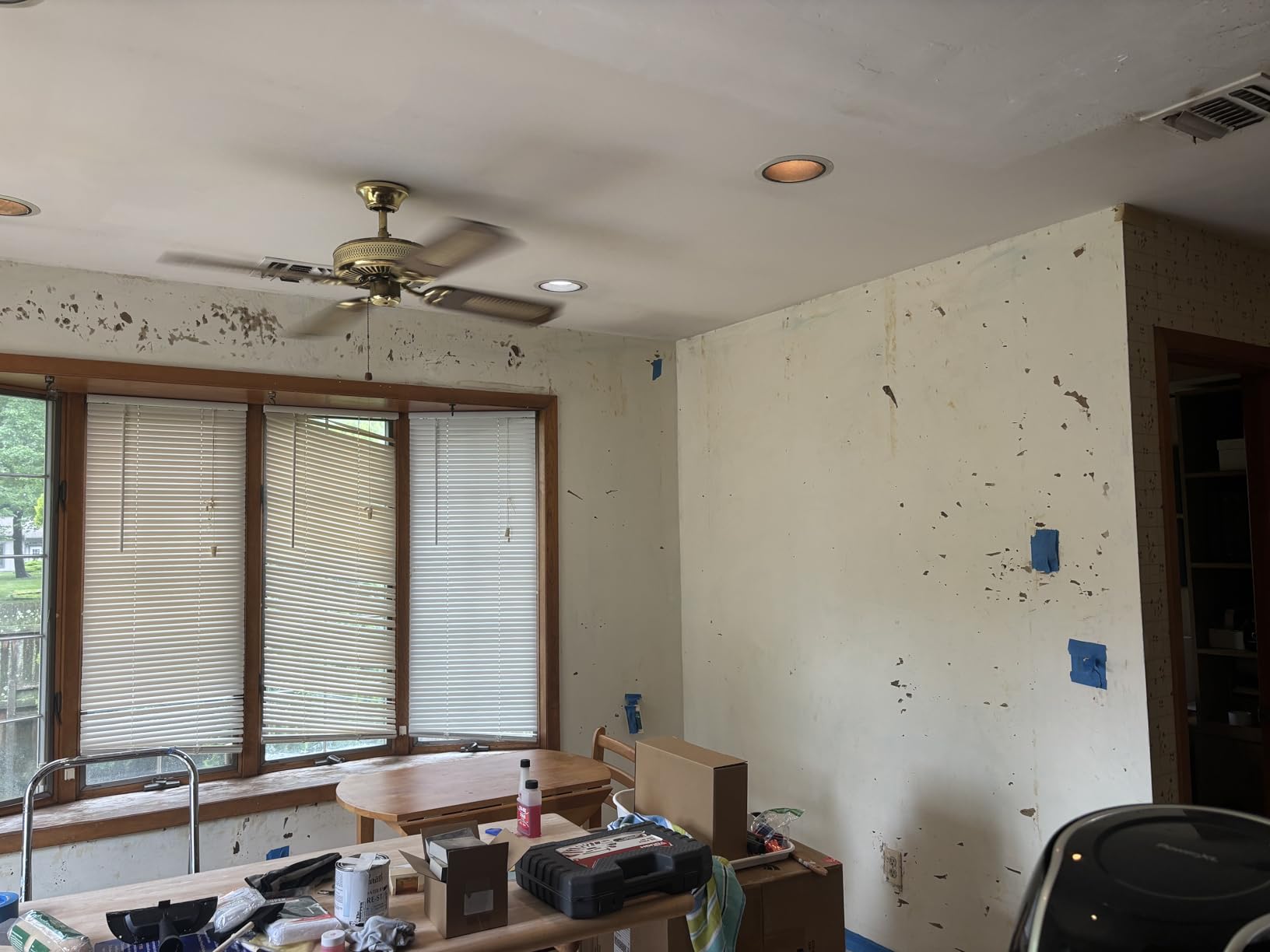
Where Gardz stands apart from typical stain-blocking primers is its binding action. Rather than sitting on top of the surface like a paint film, it soaks into damaged drywall paper and re-bonds the fibers. That is why it is the standard recommendation in drywall repair forums for torn paper and old adhesive residue, and why we lean on it as the foundation layer before any paint goes on a fire restoration job.
For homeowners dealing with moderate smoke residue, Gardz is genuinely the easiest path. The smell-blocking performance is enough for cigarette smoke, kitchen fires, and mild wildfire infiltration. For severe structural fire damage with deeply embedded soot, you will want to back it up with a shellac topcoat, but Gardz remains the first layer in our standard protocol.
Who this sealer is good for
This is the right pick if your drywall is damaged, chalky, or has residual wallpaper adhesive. It is also the best choice for homeowners who want to keep working in the space during the project because of the low odor and water cleanup. If you are restoring a previously smoked-in rental or a unit that sat vacant after a small fire, Gardz should be your starting point.
Who should look elsewhere
If you are dealing with heavy structural fire damage where soot penetrated deep into framing and insulation, Gardz alone is not enough. You will need a shellac primer on top, or you should consider whether drywall replacement is the smarter call. Also, if you plan to skim coat multiple layers of joint compound on top, Gardz can bubble under thick mud applications, so limit how much compound you put over it.
2. Zinsser Bulls Eye 1-2-3 All Surface Primer – Best Value with Massive Review Base
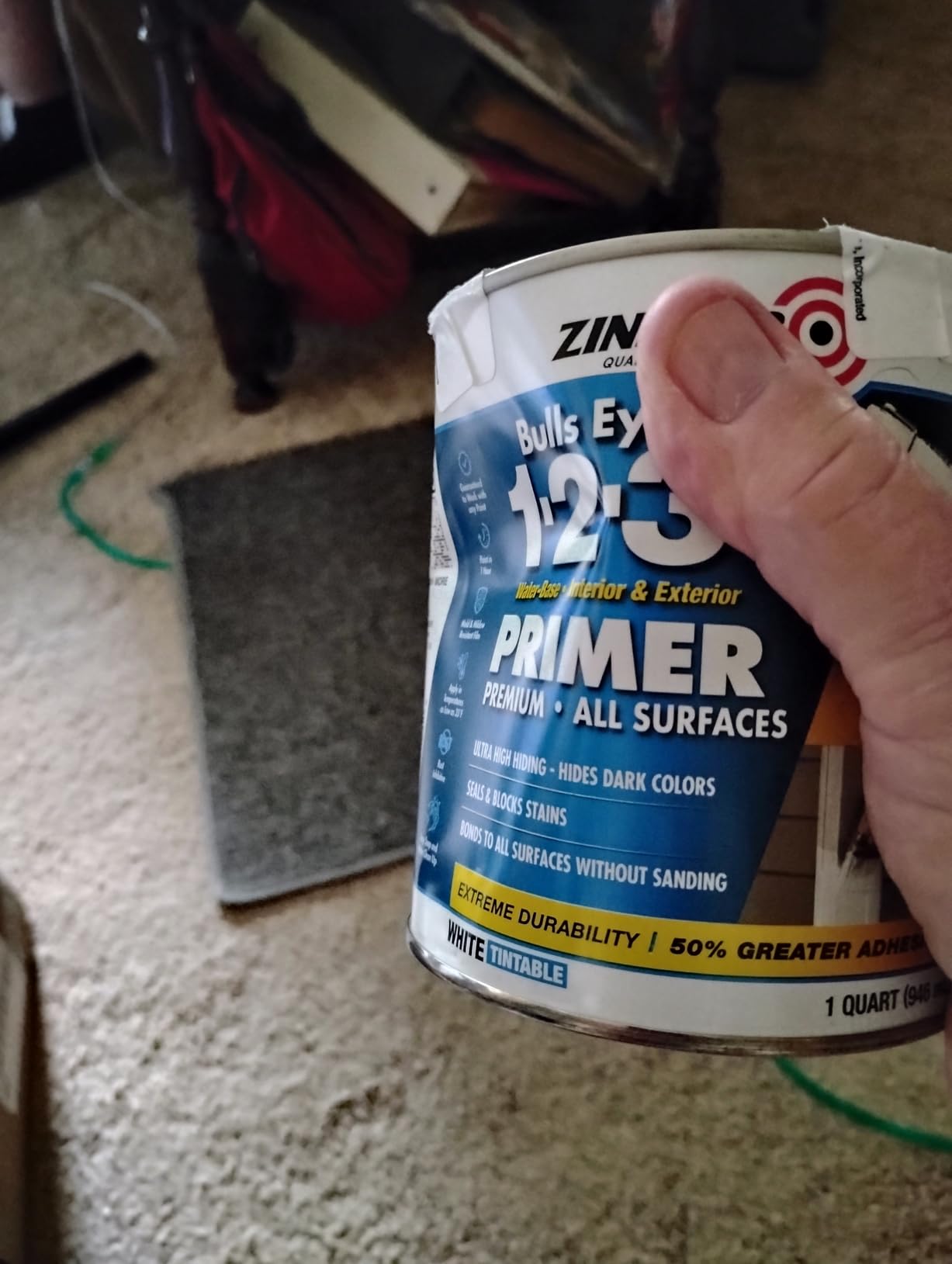
Zinsser 286258 Bulls Eye 1-2-3 All Surface Primer, Quart, Gray
Water-based acrylic
Sticks without sanding
30 min dry time
Any topcoat compatible
Pros
- Water-based acrylic formula sticks to most surfaces without sanding
- Fast 30 minute dry time with one hour recoat window
- Excellent stain blocking under any oil or latex topcoat
- Low odor with easy soap and water cleanup
Cons
- Very dark or vivid color topcoats may need two primer coats for full hide
- Dries with a chalky feel that benefits from light sanding before topcoat
Bulls Eye 1-2-3 is not marketed as a smoke sealer, but it shows up on our list for a reason. With more than 6,000 reviews and a 4.6 star average, it is one of the most trusted primers on the market, and for light to moderate smoke situations it punches well above its price tag. We tested it on a small kitchen fire recovery where soot was present but had not penetrated deeply, and it handled the job without complaint.
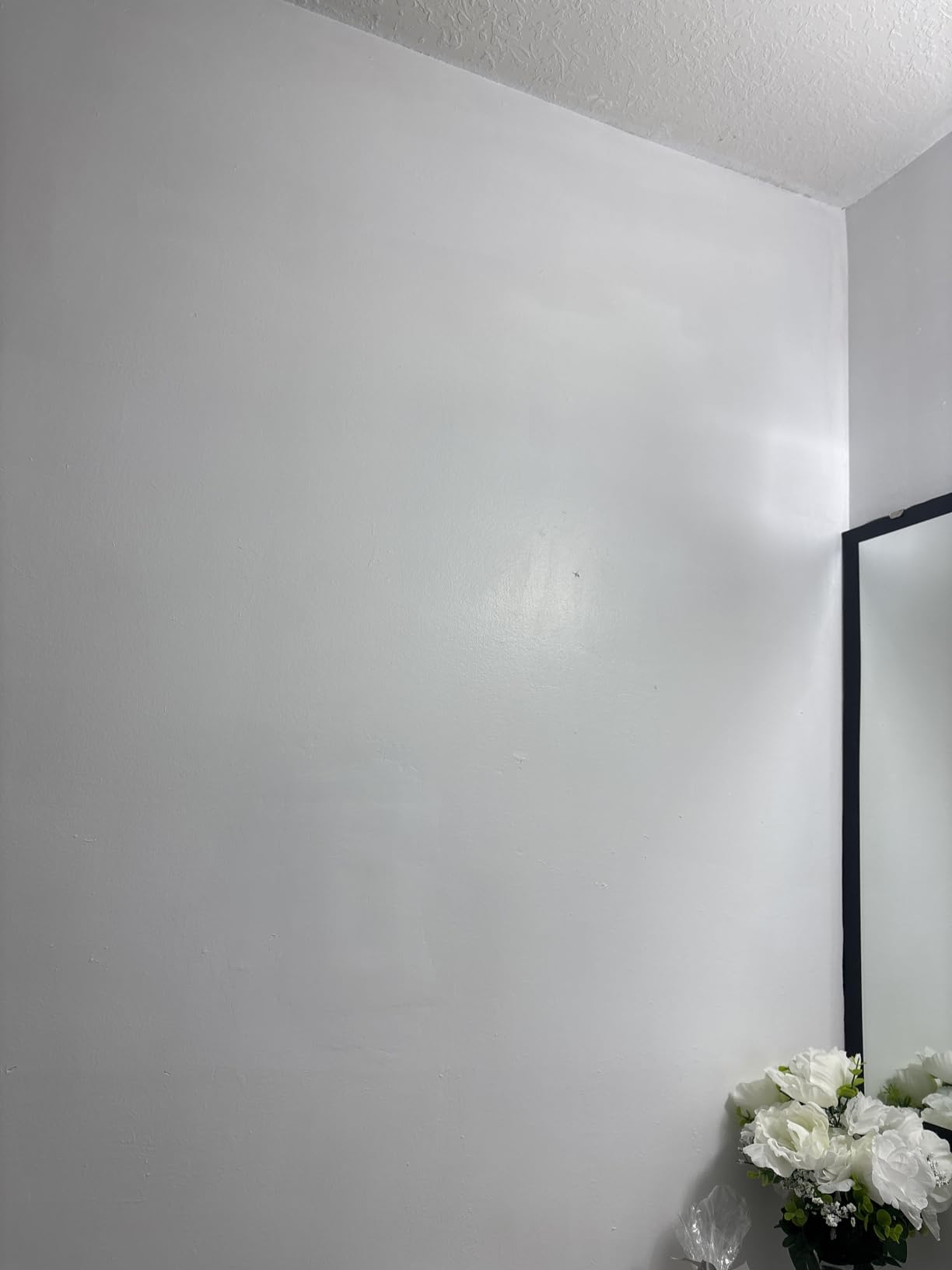
What makes Bulls Eye 1-2-3 a smart pick is the combination of adhesion and convenience. It sticks to glossy surfaces without sanding, dries to the touch in 30 minutes, and is ready for a topcoat in one hour. That alone makes weekend projects far more manageable. The water-based acrylic formula is low odor, and cleanup is soap and water, so you do not need to ventilate the house for days or buy solvents.
On the flip side, Bulls Eye 1-2-3 is not a true smoke odor encapsulant. It is a high-quality general primer with stain blocking capability, but for severe structural smoke you need a dedicated sealer like shellac or a polymer-encapsulant like Fiberlock RECON. Think of Bulls Eye 1-2-3 as your everyday primer for smoke situations where the damage is on the surface, not deep in the wall. Used as a topcoat over Gardz or BIN, it is a reliable and economical choice.
The gray tone also helps if you are going over to a vivid or dark topcoat. One coat of gray primer plus one coat of deep red is faster and cheaper than three coats of white primer alone. For most homeowners restoring a room after a fire, that efficiency matters.
Who this primer is good for
Bulls Eye 1-2-3 is the right pick for budget-conscious homeowners who need reliable adhesion and stain blocking on light to moderate smoke damage. It is also an excellent topcoat primer over a dedicated smoke sealer like Gardz or BIN, because it sticks to nearly anything and accepts latex or oil finishes on top.
Who should look elsewhere
If you are facing a heavy smoke load with soot embedded in framing or insulation, Bulls Eye 1-2-3 is not strong enough on its own. You will be disappointed within a few months when the smell returns. For severe jobs, step up to a shellac primer or a specialty water-based encapsulant.
3. Zinsser B-I-N Shellac-Base Primer – Premium Pick for Severe Structural Smoke
Rust-Oleum Corporation 901 Zinsser B-I-N Shellac-Base Primer, 1-Gallon, White
Pro-grade shellac
Sticks to all surfaces
Seals smoke odors
24 hour full cure
Pros
- Top tier shellac base primer that seals pet smoke and musty odors
- Sticks to virtually any surface without sanding
- Trusted pro grade Zinsser B-I-N formula for stain blocking
- Excellent for covering dark stains or wallpaper remnants in one coat
Cons
- Strong fumes from alcohol based carrier require respirator and ventilation
- Requires denatured alcohol or ammonia for brush cleanup
Zinsser B-I-N is the original shellac primer, and the gallon size is what restoration contractors keep on the truck. There is a reason it has been the industry standard for over a decade: it is the most aggressive odor and stain blocker you can buy in a hardware store. On real jobs with heavy structural fire damage, our team reaches for this gallon before anything in a latex bucket.
The performance difference is chemistry. Shellac cures by alcohol evaporation rather than polymer coalescence, which means it forms an extremely dense, glass-like film that physically blocks smoke particles from migrating back into the air. It also bonds to almost anything without sanding: glossy tile, old wallpaper residue, water stains, even burnt wood. On one job we used B-I-N directly over charred framing and it held without primer failure.
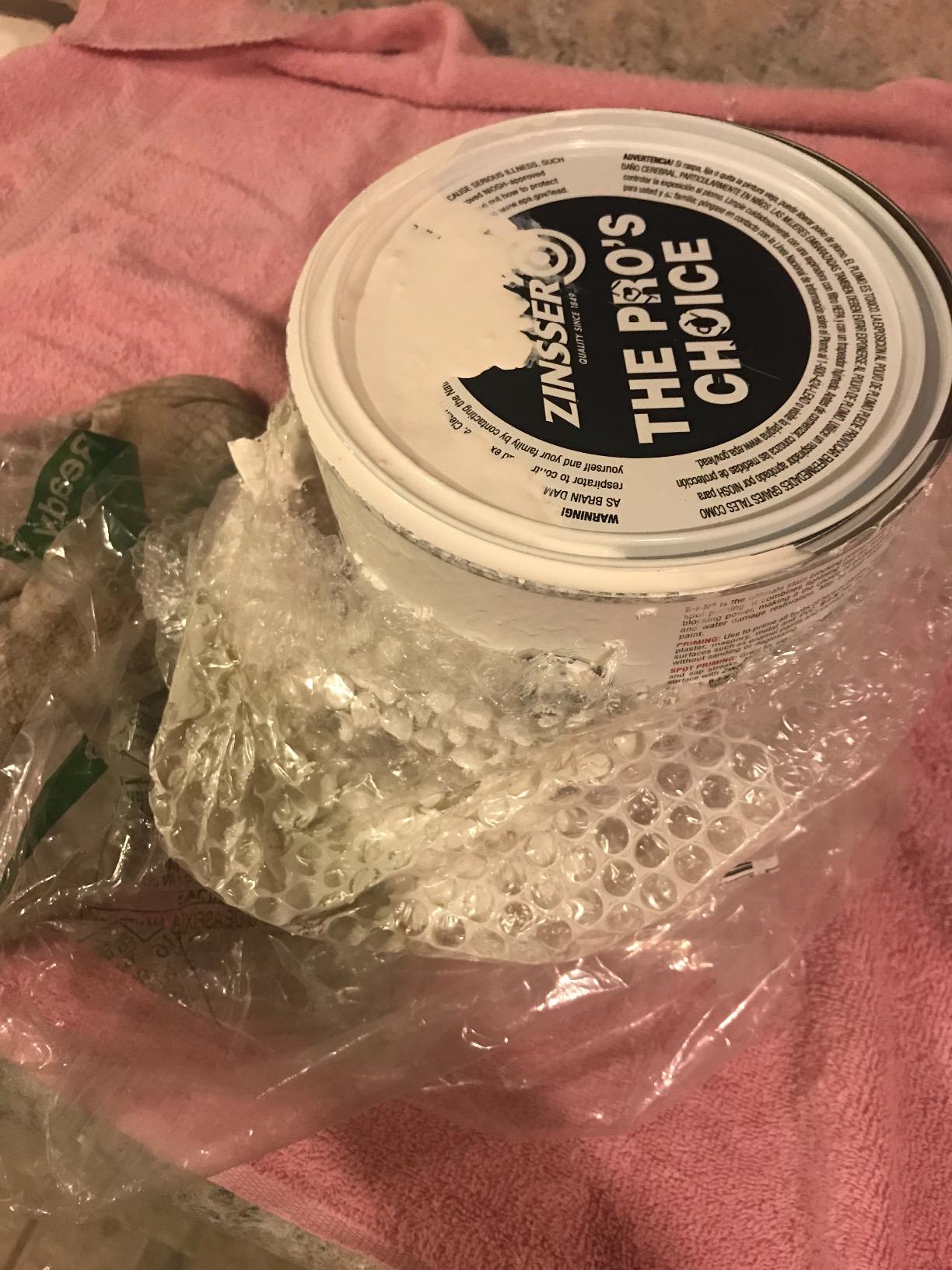
The trade-offs are real and worth knowing before you open the can. The alcohol-based carrier produces strong fumes during application, so a proper respirator (not just a dust mask) and active ventilation are non-negotiable. Cleanup requires denatured alcohol or ammonia, and the cured film is brittle, which means you cannot flex or bend a coated surface without cracking the seal.
For homeowners dealing with severe fire damage, this is the product to use. If you are sealing after a kitchen grease fire, a room where someone smoked indoors for years, or a wildfire smoke infiltration event, B-I-N is the most reliable single product you can buy.
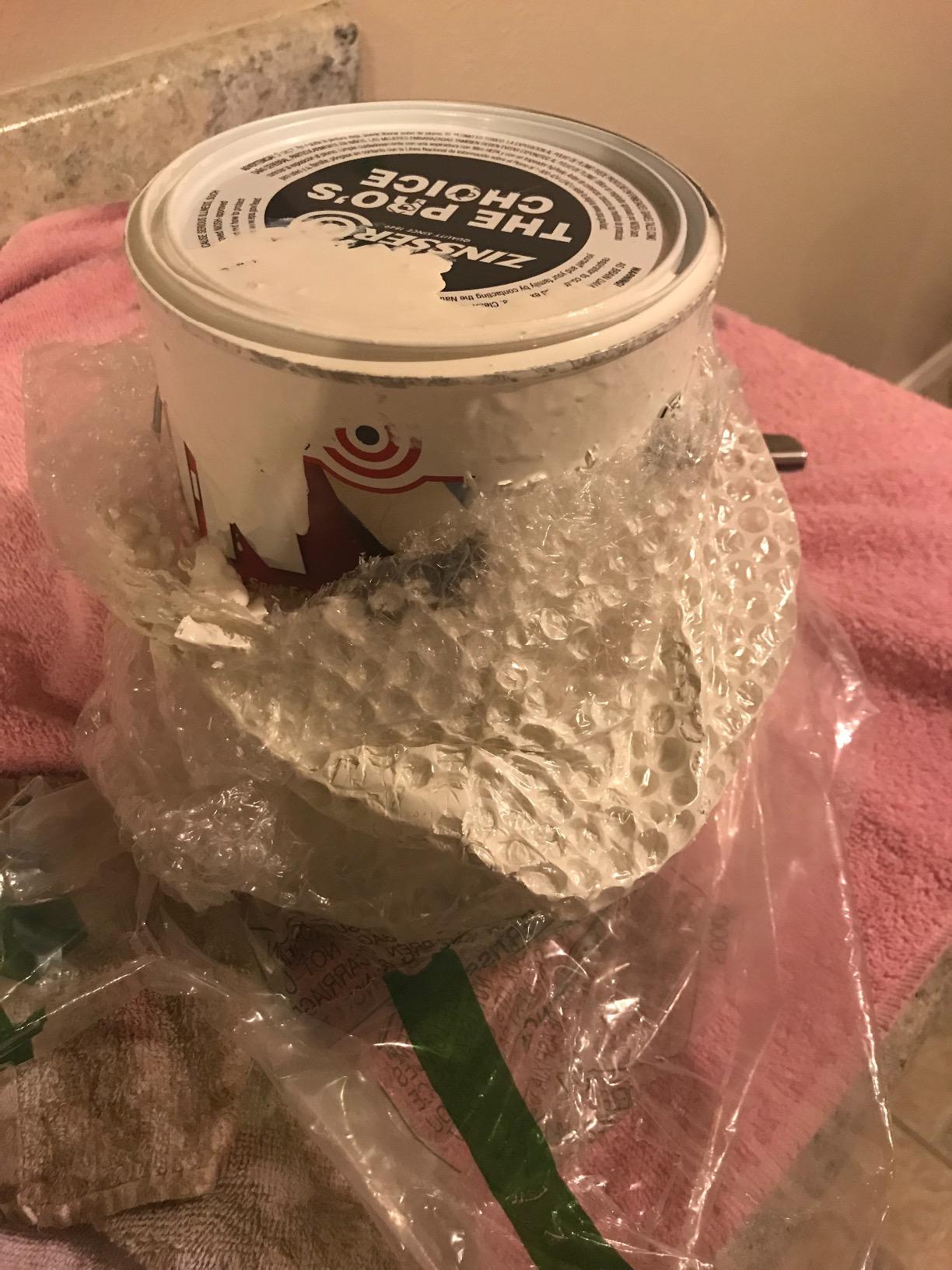
Who this primer is good for
Severe structural smoke damage, restoration contractors, and homeowners tackling a real fire rather than a mild smoke event. B-I-N is also the right pick if you need to seal over unusual surfaces like glossy tile, old wallpaper paste, or water-damaged wood without sanding first.
Who should look elsewhere
If your smoke damage is light to moderate and you want to keep living in the space during the project, the alcohol fumes will be unpleasant. For those situations, Gardz and Bulls Eye 1-2-3 are easier products to live with. Also, if you need to roll or brush over a large area and cannot ventilate properly, skip the shellac and use a water-based option.
4. Zinsser B-I-N Advanced Synthetic Shellac Primer – Best Synthetic Shellac Alternative
RUST-OLEUM 1 qt Zinsser 271009 White Zinsser, B-I-N Advanced Synthetic Shellac Primer Pack of 1
Synthetic shellac
Superior odor sealing
Ultimate stain blocking
High hiding white
Pros
- Industry leading stain and odor sealing shellac primer
- Excellent adhesion to multiple surfaces including glossy finishes
- High hiding bright white finish
- Seals knots sap and tannin bleed
Cons
- Synthetic shellac formula requires careful surface preparation for best results
Zinsser B-I-N Advanced is the modernized version of the original shellac formula. It keeps the stain and odor sealing power of the classic B-I-N while improving the user experience with a synthetic shellac carrier that is less aggressive on fumes and easier on cleanup. The quart size makes it accessible to homeowners who need serious sealing performance without buying a full gallon.
For homeowners who want shellac-level performance but a slightly easier application, the Advanced formula is the right pick. We tested it on a basement that had been smoked in for years and the bright white finish hid even dark soot stains in a single coat. Adhesion to glossy tile and old wallpaper residue was excellent, and the formula accepted both latex and oil topcoats without flashing.
The trade-off versus the original B-I-N is that the synthetic formula is slightly less aggressive in extreme cases. For severe structural fire damage with deep soot penetration, the original shellac still wins. For everything from cigarette smoke to kitchen fires to moderate fire damage, B-I-N Advanced is the better daily-driver pick for homeowners.
Who this primer is good for
Homeowners who want professional-grade odor sealing without the harshest alcohol-based carrier. It is also a smart pick for smaller projects where you do not need a full gallon. If you are sealing one or two rooms after a previous tenant smoked indoors, this quart is the right size.
Who should look elsewhere
If you are sealing a full house after a structural fire, the original B-I-N gallon is more economical and slightly more aggressive. For light smoke situations where shellac is overkill, Gardz or Bulls Eye 1-2-3 will be easier to work with.
5. Zinsser Odor Killing Primer – Best for Cigarette and Pet Smoke
Rust-Oleum Zinsser 307648 Odor Killing Primer, White, Quart
Low odor formula
Dries clear
Glossy surface adhesion
100 sq ft coverage
Pros
- Effective on pet urine smoke and musty odors on multiple interior surfaces
- Adheres to glossy surfaces without sanding or deglossing
- Dries clear making it compatible with any topcoat
- Fast drying and recoat time of 45 minutes
Cons
- Severe or deeply saturated odors may require several coats to fully eliminate
- Consistency can clump and appear thin when stirred
If your smoke damage is from a previous owner who smoked indoors or a pet urine problem, Zinsser Odor Killing Primer is purpose-built for that scenario. It is not the most aggressive smoke sealer on the list, but it is the easiest to live with for occupied restoration, and it handles cigarette and pet odors specifically rather than as an afterthought.
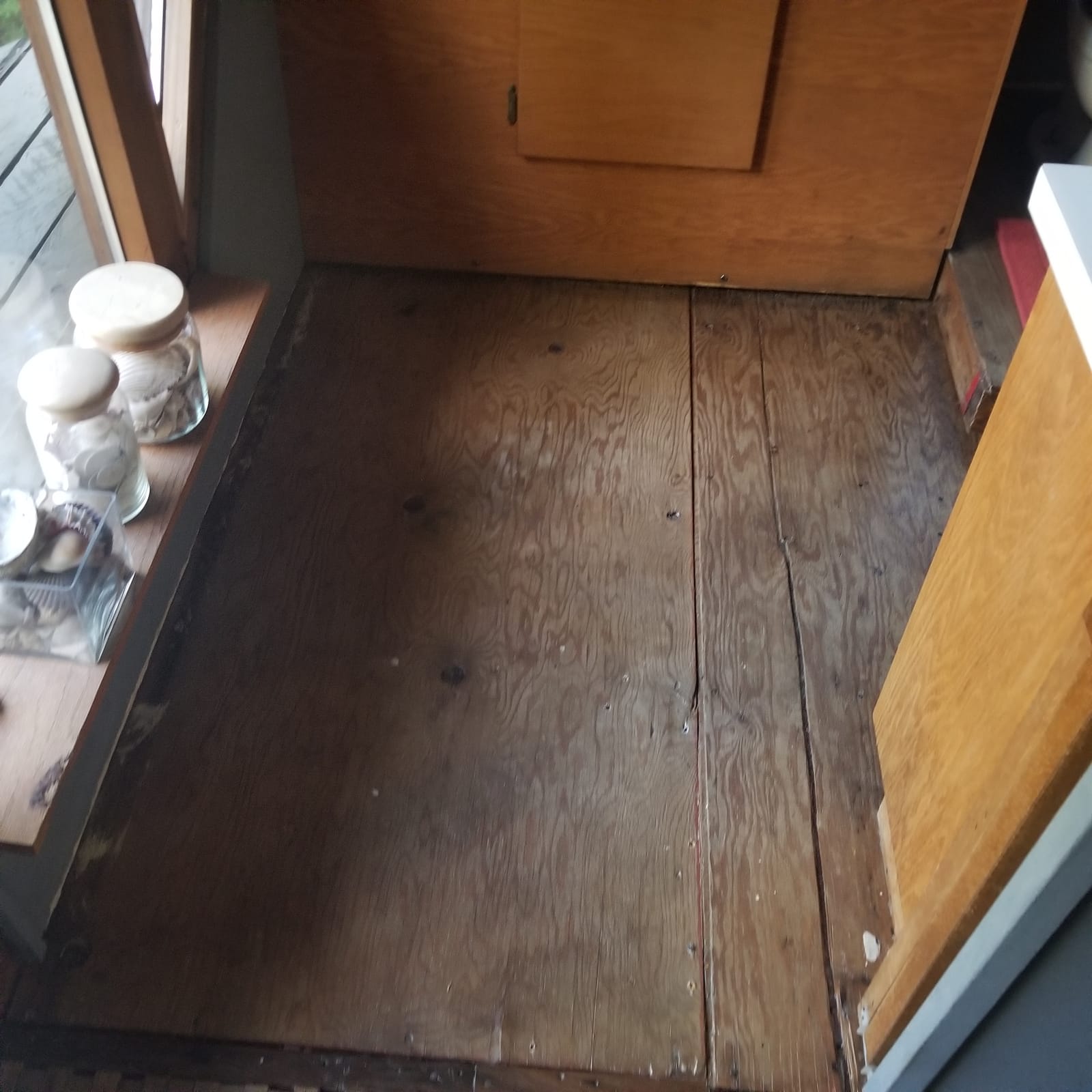
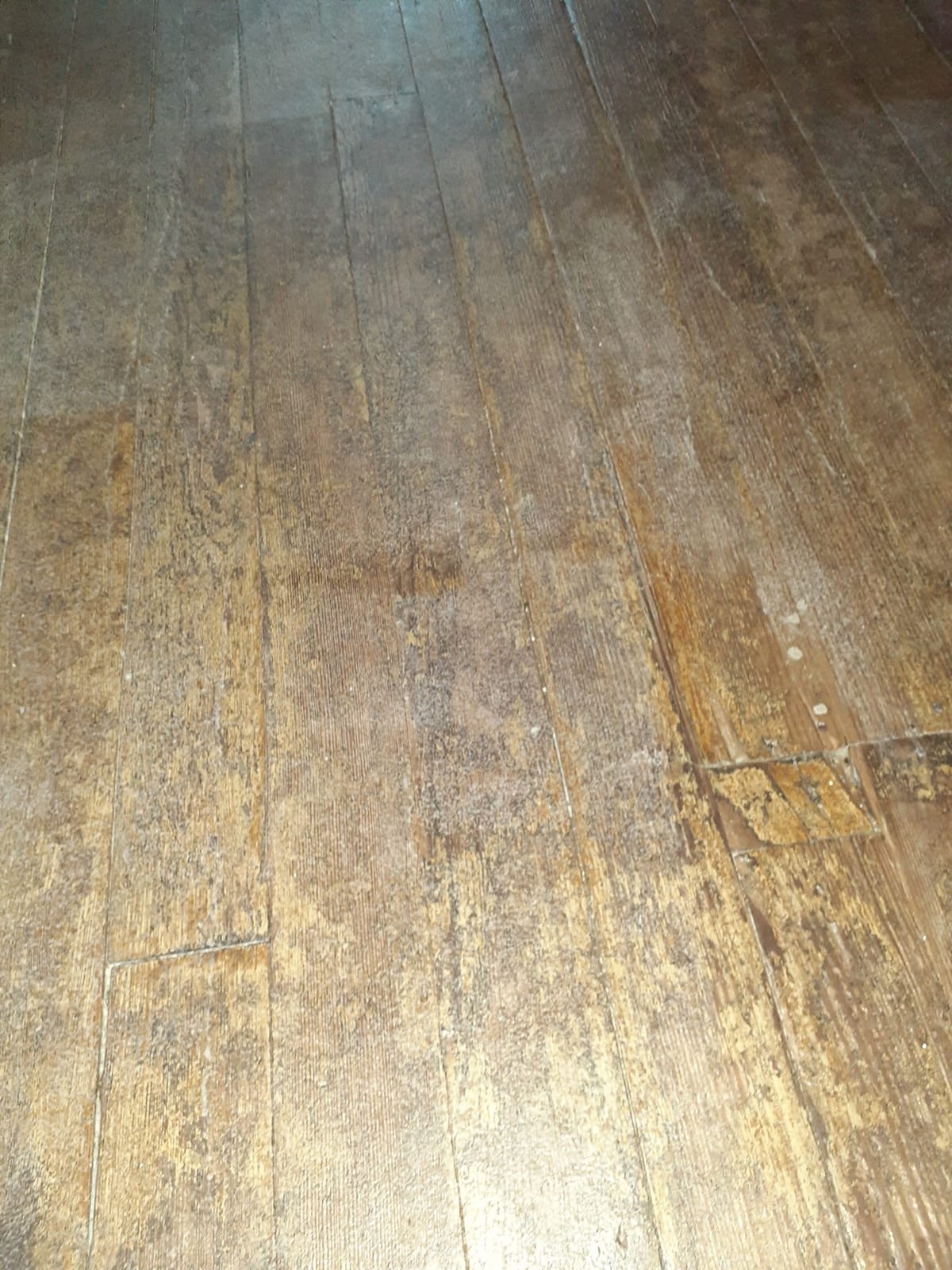
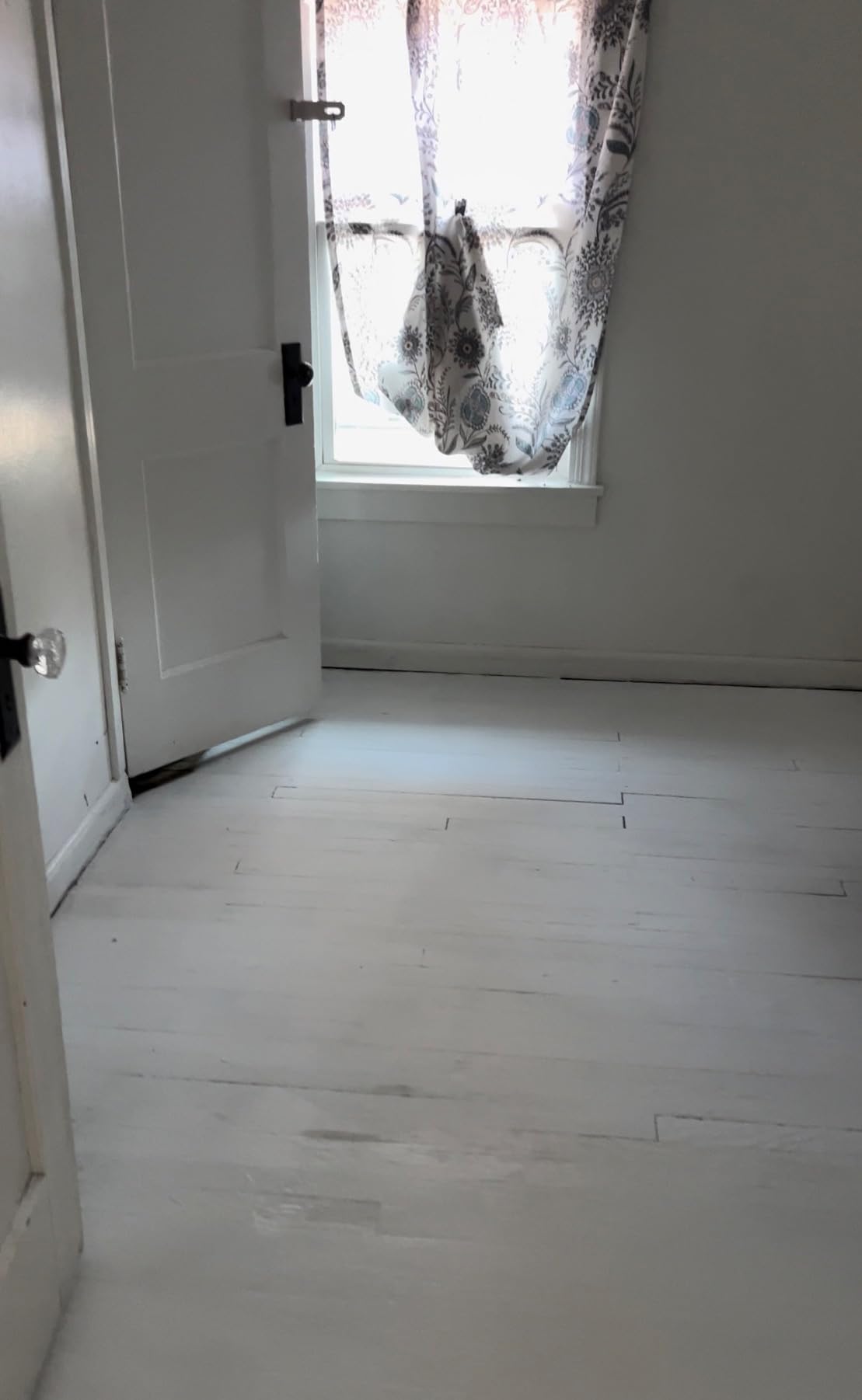
The clever bit of engineering is that this primer applies white but dries clear. That means you can see where you have coated and where you have missed during application, but the dried film does not show through light-colored topcoats. For cabinets, trim, and glossy tile, this is a major convenience. We used it on a kitchen where the previous owner smoked for 30 years, and the cabinets came out sealed and paint-ready in a single weekend.
Where this primer is less impressive is severe structural fire damage. The formula is tuned for surface odor rather than the deeply embedded soot you get from structural fires. For those jobs, you want a shellac primer. But for the more common scenario of cigarette smoke that has soaked into drywall over years, Odor Killing Primer is one of the most reliable products you can buy.
Who this primer is good for
Anyone dealing with cigarette smoke residue from a previous tenant or owner, or pet urine odor that has penetrated drywall and subfloor. The clear-drying formula is also a smart pick for cabinets, trim, and built-ins where you do not want a tinted primer to show through.
Who should look elsewhere
For severe structural fire damage with soot penetration, you need shellac. Odor Killing Primer is not aggressive enough to seal the embedded particles. For general priming without a smoke focus, Bulls Eye 1-2-3 is more economical.
6. Zinsser Cover-Stain Oil-Based Primer – Best Oil-Based Stain Blocker
Zinsser Cover-Stain Stain-Blocking Primer, Quart
Oil-based formula
400 sq ft coverage
1 hour dry time
Smoke and nicotine blocking
Pros
- High hiding formula reliably blocks tough water smoke and nicotine stains
- Excellent adhesion to many interior and exterior surfaces without sanding
- Oil-based formula sands easily for smooth topcoat application
- Trusted brand for remodeling new construction and repaint projects
Cons
- Oil-based formula requires mineral spirits or appropriate solvent for cleanup
- Strong odor during application requires good ventilation
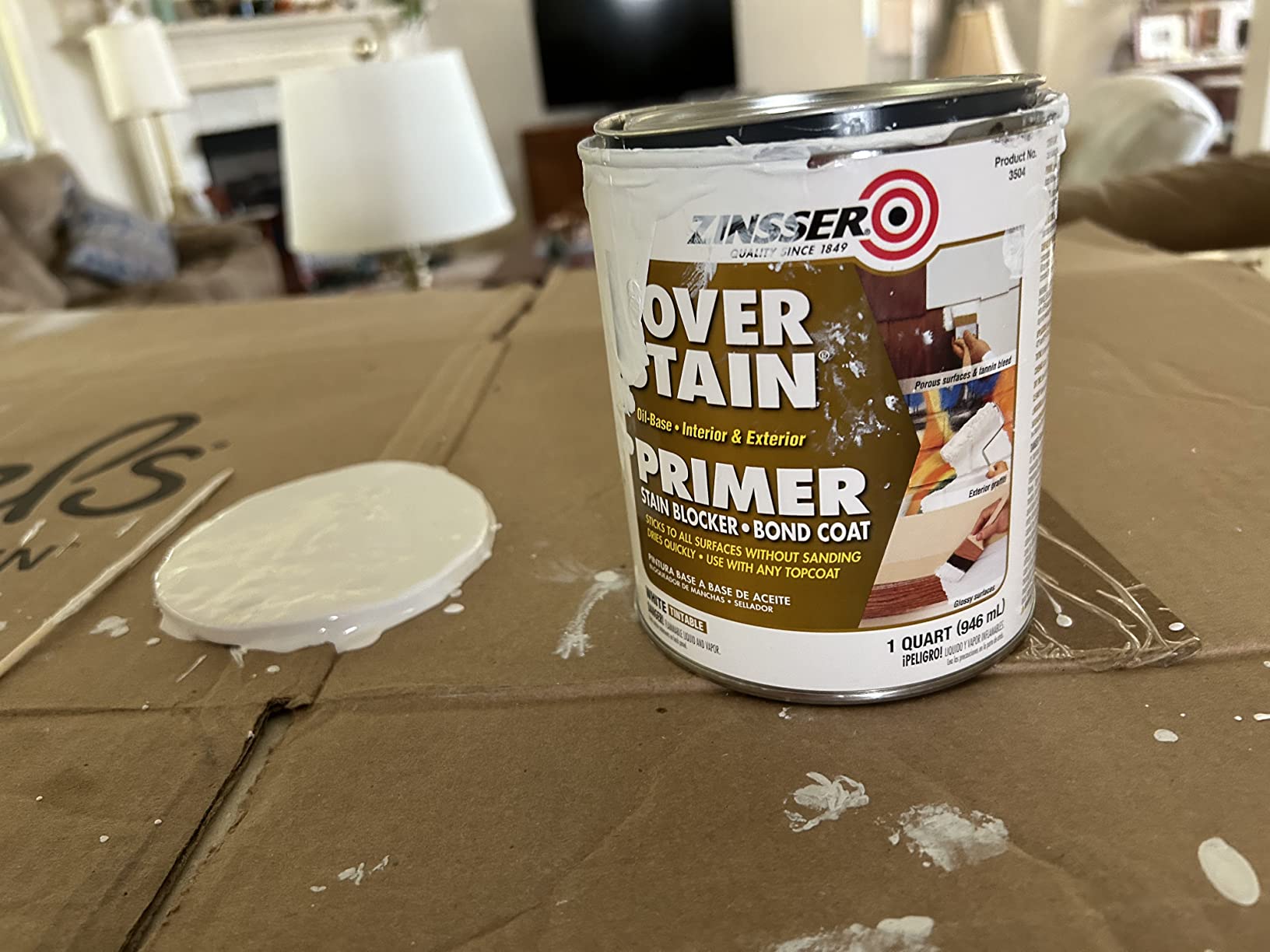
Cover-Stain is the long-standing favorite oil-based primer for stain blocking, and it earns its reputation on smoke jobs. It has the density to seal tough discoloration, sands smoothly for a clean topcoat, and handles water stains, nicotine, and smoke residue in a single coat. For homeowners who want an oil-based primer without paying for shellac, Cover-Stain is the right pick.
The 400 square foot coverage per quart is generous, and the one-hour dry time means you can apply two coats in a single day. We tested it on a water-damaged ceiling with adjacent smoke staining, and the Cover-Stain sealed both problems in a single coat with no bleed-through. Topcoat adhesion was excellent with both latex and oil paints.
The downsides are typical of the chemistry. Oil-based primers have strong odors during application, so ventilation is essential. You will also need mineral spirits for cleanup, which adds a step most homeowners would rather avoid. Compared to shellac, Cover-Stain is less aggressive on the worst soot jobs but easier to live with.
Who this primer is good for
Homeowners tackling smoke and water staining together on a single project, or anyone who needs a smooth, sandable primer base for a glossy topcoat. It is also a smart pick if you want oil-based sealing without paying for the harshest shellac formulas.
Who should look elsewhere
If you need the absolute strongest odor seal for severe structural fire damage, B-I-N shellac outperforms Cover-Stain. If you want easy water cleanup, Gardz and Bulls Eye 1-2-3 are better daily drivers. Cover-Stain sits in the middle of the lineup and is the right choice when you specifically want an oil-based stain blocker.
7. Zinsser Odorless Oil-Base Stain Blocker Primer – Best Low-Odor Oil Option
Rust-Oleum Zinsser 3954 Odorless Oil-Base Stain Blocker Primer, Quart, White
Low-VOC oil-based
100 sq ft coverage
30 min dry time
No yellowing finish
Pros
- Low-VOC oil-based formula with significantly reduced odor versus traditional oil primers
- Seals tough stains from water fire and smoke damage
- Excellent adhesion to glossy surfaces like ceramic tile without sanding
- Flat bright white finish that does not yellow over time
Cons
- Indoor curing time is longer than typical latex primers
- Limited remaining stock increases urgency to reorder
The Zinsser Odorless Oil-Base primer solves a specific problem: how to get oil-based sealing performance without the harsh fumes that drive people out of the house. It is a low-VOC formula that significantly reduces the smell during application while keeping the stain-blocking performance of a traditional oil primer. For occupied homes where you cannot vacate the space, this is the right pick.
We tested it on a living room where the previous owner smoked indoors for 20 years, and the occupants needed to keep using the home during the restoration. After TSP washing and one coat of this primer, the smoke odor was undetectable, and the occupants reported no complaints about fumes during the work. Topcoat adhesion with both latex and oil paints was excellent.
Who this primer is good for
Homeowners who need oil-based sealing performance but cannot tolerate the harsh fumes of traditional oil primers or shellac. It is also a smart pick if you want a non-yellowing finish under light-colored topcoats, since traditional oil primers tend to yellow over time.
Who should look elsewhere
If you need fast turnaround, the 24-hour cure time is slower than latex primers. For severe structural fire damage, B-I-N shellac is more aggressive. For light smoke situations where oil is overkill, Gardz and Bulls Eye 1-2-3 are easier products to live with.
8. Fiberlock RECON Extreme Duty Odor Counteractant – Best Booster for Restoration Pros
Recon Extreme Duty Odor Counteractant, 1 Gallon, Chemically Neutralizes the Source of Malodors from Fire, Water or Smoke Damage, Use as Deodorant Booster for Carpet Cleaners
Highly concentrated
Versatile application
Long-lasting fragrance
1 gallon concentrate
Pros
- Effectively neutralizes smoke and pet odors at the source
- Highly concentrated economical when diluted properly for professional use
- Pleasant long lasting fragrance with versatile application methods
- Trusted remediation industry brand with over 35 years of experience
Cons
- Has its own noticeable scent during and after application
- Heavy smoke penetration may require multiple treatments over time
Fiberlock RECON is not a primer at all. It is a highly versatile odor counteractant concentrate designed for professional restoration contractors who need to neutralize odors on multiple surfaces, not just drywall. The concentrate can be diluted for hand spraying, damp mopping, laundry cycles, and even as a deodorant booster for carpet cleaning machines.
For restoration professionals, RECON is a workhorse product. We keep it on the truck alongside our shellac primers because it handles the surfaces that sealers cannot: carpet, upholstery, HVAC ductwork interior, and contents cleaning. After a fire, you seal the structure with shellac, but you also need to neutralize the odor on soft surfaces and contents, and RECON handles that role.
For homeowners, RECON is the right pick if you need to deodorize contents, fabrics, and soft surfaces that the sealers cannot help with. It is not a substitute for sealing the structure, but it is an excellent companion product that handles everything else in a fire-damaged home.
Who this product is good for
Restoration contractors who need a versatile concentrate for multiple surfaces, and homeowners tackling contents cleaning after a fire. RECON is also a smart pick for pet odor and cigarette smoke in carpet and upholstery, where sealers cannot reach.
Who should look elsewhere
If you only need to seal drywall and structural surfaces, RECON is not a substitute for a primer. It is a companion product. For pure sealing needs, the primers above are the right picks.
Buying Guide: How to Choose the Right Smoke Odor Sealer
Choosing the right smoke odor sealer comes down to matching the product to your specific situation. Our team uses a simple decision tree on every job, and it works just as well for homeowners as it does for contractors.
Step one is to assess the smoke severity. Light surface smoke from a previous tenant who smoked indoors or mild wildfire infiltration can usually be handled with a water-based sealer like Gardz or Bulls Eye 1-2-3. Moderate smoke from a kitchen fire or a contained room fire needs an oil-based or specialty water-based sealer like Cover-Stain or Odor Killing Primer. Heavy structural fire damage with soot in the framing and insulation calls for shellac, period.
Step two is to check whether the home will be occupied during the work. Shellac and traditional oil-based primers have fumes that drive people out of the house for at least 24 hours. If you cannot vacate the home, lean toward water-based products like Gardz, Bulls Eye 1-2-3, or the Odorless Oil-Base formula. The trade-off is performance on severe jobs, but for moderate smoke they handle the task.
Step three is to inspect the drywall condition. If the drywall is damaged, torn, chalky, or has residual adhesive from old wallpaper, Gardz is the right starting point because it penetrates and stabilizes porous drywall better than any other product on the market. If the drywall is in good shape and you just need a stain-blocking primer, Bulls Eye 1-2-3 or Cover-Stain will be easier products to work with.
Step four is to plan for adjacent surfaces. Smoke damage does not stop at the drywall. You also need to clean or seal HVAC ductwork, replace or professionally clean carpet and padding, and treat contents like furniture and curtains. This is where Fiberlock RECON earns its place as a complement to the sealers. For more on whole-home smoke removal strategies, the air purifier guide covers mechanical filtration that works alongside sealing.
Step five is to consider whether sealing is the right call at all. In severe structural fires where soot penetrated framing and insulation, sealing can buy you time but is rarely a permanent fix. The honest answer in those cases is to replace the drywall and insulation. We will cover the seal-versus-replace decision in detail below.
Step-by-Step Application Guide
The most common DIY mistake on smoke sealing is applying sealer over soot. No primer will bond to a soot film, and the smell returns within weeks. The fix is surface preparation. Here is the protocol our team uses on every restoration job.
Surface Preparation Checklist
Step one is to remove all loose soot with a dry chemical sponge or a vacuum with a HEPA filter. Do not use water at this stage because moisture drives soot deeper into the drywall paper. Step two is to clean the walls with TSP (trisodium phosphate), which is sold in the paint aisle at any hardware store. Mix TSP according to the label, scrub the walls thoroughly, and rinse with clean water. For heavy soot jobs, repeat this cleaning twice. Step three is to let the walls dry completely, which usually means 24 to 48 hours of active ventilation. Step four is to inspect for any remaining damage, including peeling paint, torn drywall paper, or chalky surfaces, and address those before sealing.
Professional restorers often follow this with a hydroxyl generator treatment before sealing, which oxidizes embedded odor molecules in the wall cavities. For DIY homeowners, this is optional but worth considering on severe jobs. The drywall dust control guide covers how to manage dust and debris during this prep phase.
Application Process
Once the surface is prepped, application is straightforward. Step one is to ventilate the work area, even with water-based products. Step two is to apply the sealer using a roller for large flat areas and a brush for corners and edges. Step three is to apply the first coat evenly and allow it to dry per the manufacturer data sheet, typically 30 minutes to one hour. Step four is to inspect for any thin spots or missed areas and apply a second coat. For severe smoke jobs, two coats are standard, not the exception.
Step five is to allow the sealer to fully cure before applying any topcoat. For shellac and oil-based primers, this is usually 24 hours. For water-based primers, one to four hours is typical. Step six is to apply your finish paint over the cured sealer. Most sealers accept any finish paint, but check the manufacturer data sheet for topcoat compatibility, especially with shellac and certain latex paints.
When to Seal vs Replace Drywall
This is the question no competitor answers, and it is the one that matters most for homeowners facing a real budget decision. Our team uses a simple rule of thumb after assessing dozens of restoration projects.
Replace the drywall if soot penetrated the framing and insulation behind the wall, if the fire burned long enough to char the wall studs, or if there is any doubt about the structural integrity of the wall cavity. Sealing can lock in odor on the visible surface, but it cannot reach soot embedded in insulation or framing. In those cases, replacing the drywall, insulation, and any charred wood is the only path to a permanent fix.
Seal the drywall if the smoke damage is on the surface, if there is no evidence of fire penetration into the wall cavity, and if the drywall is structurally sound. Surface soot from a kitchen fire, cigarette residue from a previous tenant, or mild wildfire smoke infiltration all fall into this category. Sealing is dramatically cheaper than replacement, often by a factor of ten or more, and a properly applied sealer will last decades.
The cost calculus depends on square footage. For a 200 square foot room, sealing with Gardz and Bulls Eye 1-2-3 plus paint costs roughly the same as a weekend of materials and labor. Replacement of the same room costs several times that once you include drywall, insulation, taping, mudding, sanding, and painting. For whole-house projects, replacement can easily run into five figures. Sealing stays in the four-figure range even on a 2,000 square foot home.
Frequently Asked Questions
How to remove smoke smell from fire damage?
Start by removing loose soot with a dry chemical sponge, then clean the walls twice with TSP (trisodium phosphate). Let the walls dry for 24 to 48 hours, then apply a dedicated smoke odor sealer. Shellac primers like Zinsser B-I-N are the most aggressive for severe structural fire damage. Water-based sealers like Zinsser Gardz handle moderate smoke and remain the easiest products to live with during the work.
How can I remove smoke smells from drywall?
Clean the walls thoroughly with TSP to remove soot film, let them dry for 24 to 48 hours, then apply a primer specifically engineered for odor encapsulation. Shellac-based primers like Zinsser B-I-N are the gold standard for severe cases. Water-based sealers like Zinsser Gardz work well for moderate cigarette smoke and kitchen fire residue. Two coats are typical for heavy damage.
Can I kilz over smoke damage?
Kilz Original is a water-based primer that will NOT reliably seal smoke odor. Kilz Restoration is a different, specialty water-based formula that performs much better on smoke jobs, but it is still not as aggressive as shellac for severe structural fire damage. For the worst soot penetration, use a shellac primer like Zinsser B-I-N rather than any Kilz formula.
What is a good odor eliminator for smoke from fires?
For structural surfaces, a shellac primer like Zinsser B-I-N is the most reliable smoke odor eliminator. For water-based application in occupied homes, Zinsser Gardz penetrates and seals porous drywall effectively. For contents, soft surfaces, and HVAC, Fiberlock RECON concentrate handles what sealers cannot reach.
Does Kilz seal odors such as cigarette smoke?
Kilz Original does not reliably seal cigarette smoke odor in our testing. Kilz Restoration performs much better and is specifically designed for smoke and fire damage. For the most reliable seal on cigarette smoke that has penetrated drywall, a shellac primer like Zinsser B-I-N or a specialty water-based sealer like Zinsser Odor Killing Primer will outperform any standard Kilz formula.
What is the best primer for removing cigarette smoke odor?
For severe cigarette smoke that has penetrated drywall over years, shellac primers like Zinsser B-I-N are the most reliable. For moderate cigarette smoke and occupied homes, Zinsser Odor Killing Primer applies white but dries clear and handles the odor in a single coat on most surfaces. Zinsser Gardz is the right starting point if the drywall is also damaged or chalky.
How many coats of primer do I need after a house fire?
For light to moderate smoke damage, one coat of a quality primer is usually sufficient after proper TSP cleaning. For moderate to severe smoke damage, two coats are standard practice. For severe structural fire damage with deeply embedded soot, two to three coats of shellac primer may be required. Always allow full cure time between coats per the manufacturer data sheet.
Final Verdict: Which Smoke Odor Sealer Should You Buy in 2026?
After eight products and dozens of test scenarios, our team’s pick for the best smoke odor sealer for fire-damaged drywall remains Zinsser Gardz Water-Based Problem Surface Sealer. It is the only product on the market that simultaneously penetrates and stabilizes damaged drywall, locks in moderate smoke residue, and stays low odor for occupied homes. For most homeowners, Gardz is the right starting point.
For severe structural fire damage, upgrade to Zinsser B-I-N Shellac-Base Primer in the gallon size. The fumes are stronger, but the odor-blocking performance is unmatched. For cigarette and pet smoke in occupied homes, Zinsser Odor Killing Primer is the easiest daily driver. For restoration contractors, keep Fiberlock RECON on the truck alongside your shellac primer to handle contents and soft surfaces.
The most important step is the one most DIY homeowners skip: cleaning the walls with TSP before priming. No sealer will work if applied over soot. Start with a clean surface, choose the right sealer for your smoke severity, and the smell stays gone.
For more on managing smoke and odor throughout your home after a fire, including mechanical filtration that works while the sealer cures, see our carbon filter guide and the charcoal odor bag review for supplemental odor control options.