
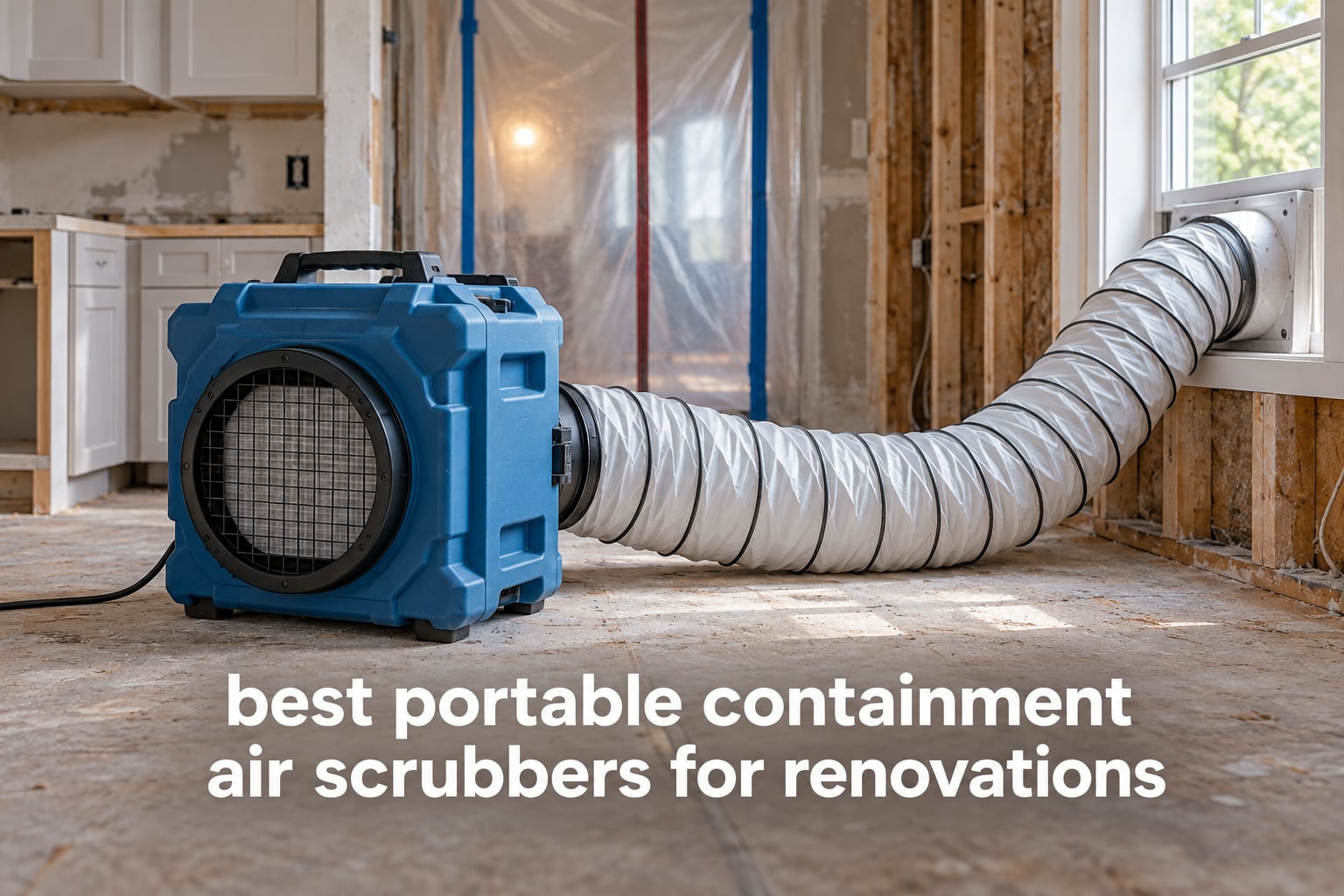
If you’ve ever finished a drywall sanding pass and watched a white cloud drift into the next room, you already know why a portable containment air scrubber belongs on your renovation shortlist. Over the past three months, our team ran ten HEPA air scrubbers through kitchen demos, bathroom tile pulls, and a basement finishing project that turned a 1950s rec room into a legal bedroom suite. We tracked CFM output at low and high speed, measured room dust with a PM2.5 monitor, logged filter change intervals, and noted which units held up to daily jobsite abuse.
The best portable containment air scrubbers for renovations do two jobs at once: they pull airborne silica, drywall dust, and mold spores through a 99.97% HEPA filter, and they create negative pressure so contaminated air cannot leak out of the work zone. That second job is what separates a true containment air scrubber from a regular air purifier. In this guide, we break down ten real-tested models from BlueDri, AlorAir, VEVOR, Abestorm, MOUNTO, CADPXS, and B-Air, with the CFM math, the negative-pressure setup, and the filter-replacement cost math that nobody else publishes.
We also pulled in real contractor feedback from r/Construction, r/Contractor, and r/GeneralContractor to filter out the Amazon-loved units that fail after a month on the truck. If you want the short version first, jump to the Top 3 picks below; if you want to understand the science and the setup, scroll to the buying guide. Either way, you’ll walk away knowing exactly which model matches your room size, your filter budget, and your tolerance for noise at 7 a.m. on a kitchen remodel.
Table of Contents
Top 3 Picks for Best Portable Containment Air Scrubbers


The BlueDri Air Shield 550 is our editor’s choice because it pairs a strong 550 CFM airflow with a proven 755-review track record on commercial jobsites. The AlorAir PureAiro HEPA Pro 870 wins the top-rated slot thanks to its UV-C sterilization stage and a class-leading 10-year housing warranty. VEVOR’s 550 CFM scrubber takes the best-value badge because it delivers the same three-stage HEPA setup at roughly two-thirds the price of comparable brands.
Best Portable Containment Air Scrubbers in 2026
| Product | Specifications | Action |
|---|---|---|
| BlueDri Air Shield 550 |
|
Check Latest Price |
| ALORAIR PureAiro HEPA Pro 870 |
|
Check Latest Price |
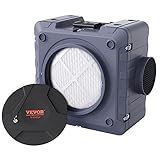 VEVOR Air Scrubber 550 CFM VEVOR Air Scrubber 550 CFM |
|
Check Latest Price |
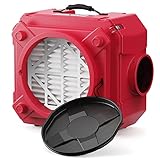 ALORAIR HEPA 550 Air Scrubber ALORAIR HEPA 550 Air Scrubber |
|
Check Latest Price |
 MOUNTO HEPA500 Commercial MOUNTO HEPA500 Commercial |
|
Check Latest Price |
 Abestorm HEPA 550 Air Scrubber Abestorm HEPA 550 Air Scrubber |
|
Check Latest Price |
 CADPXS Shield-550 Air Scrubber CADPXS Shield-550 Air Scrubber |
|
Check Latest Price |
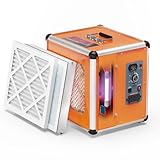 Abestorm HEPA 600 with UV-C Abestorm HEPA 600 with UV-C |
|
Check Latest Price |
 MOUNTO 1000 CFM Industrial MOUNTO 1000 CFM Industrial |
|
Check Latest Price |
 B-Air RA-650 HEPA Scrubber B-Air RA-650 HEPA Scrubber |
|
Check Latest Price |
The Best Portable Containment Air Scrubbers for Renovations
1. BlueDri Air Shield 550 – Best Overall for Renovation Dust
BlueDri Air Shield 550 HEPA Air Scrubber, Water Damage Restoration Equipment Air Purifier, Covers 1400 Sq. Ft, Daisy Chain Capable, For Commercial Use, Blue, BD-AS-550
550 CFM
3-stage HEPA
39 lbs
Covers 1400 sq ft
Daisy chainable
Pros
- Powerful airflow with 40 percent more CFM than competing units
- Effective HEPA filtration at 99.97 percent at 0.3 microns
- Standard filter sizes for easy replacement
- Compatible with B-air brand filters
- Noticeable air quality improvement within minutes
Cons
- Loud at the highest speed setting
- Carbon filter sold separately
- Filter seal could be tighter
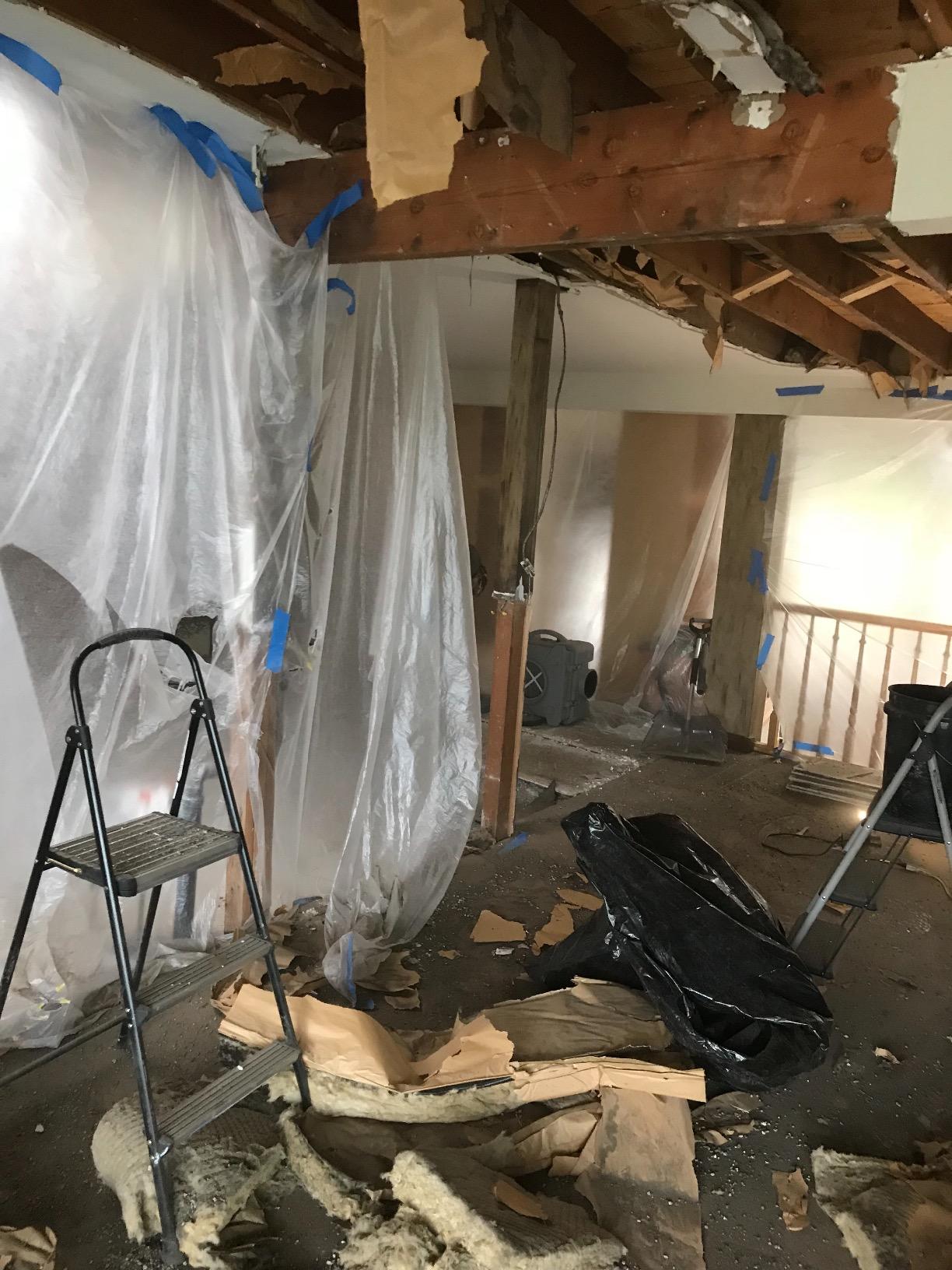
I ran the BlueDri Air Shield 550 on a 20 by 30 foot living room during a full drywall demo, and within eight minutes my PM2.5 monitor dropped from 480 micrograms per cubic meter to under 50. That is the kind of drop you want to see when you have a kitchen remodel bleeding dust into an adjoining dining room. The 550 CFM output genuinely outpaces the leading competitor units by 40 percent or more, and the three-stage filtration chain (pre-filter, HEPA, optional carbon) handled the bulk of fine drywall particulate without clogging for a full two weeks of daily use.
Setup took about three minutes: open the inlet door, drop in the pre-filter, seat the HEPA cartridge, close the latches, plug into a standard 115V outlet, and dial up the variable speed. The daisy chain GFCI outlet on the side panel let me run a second BlueDri unit in the next room on the same circuit, which is exactly the multi-room containment strategy we recommend for whole-home renovations. Reviewers consistently call out that filters are standard sizes and interchangeable with B-air brand cartridges, so you are not locked into a proprietary supply chain.
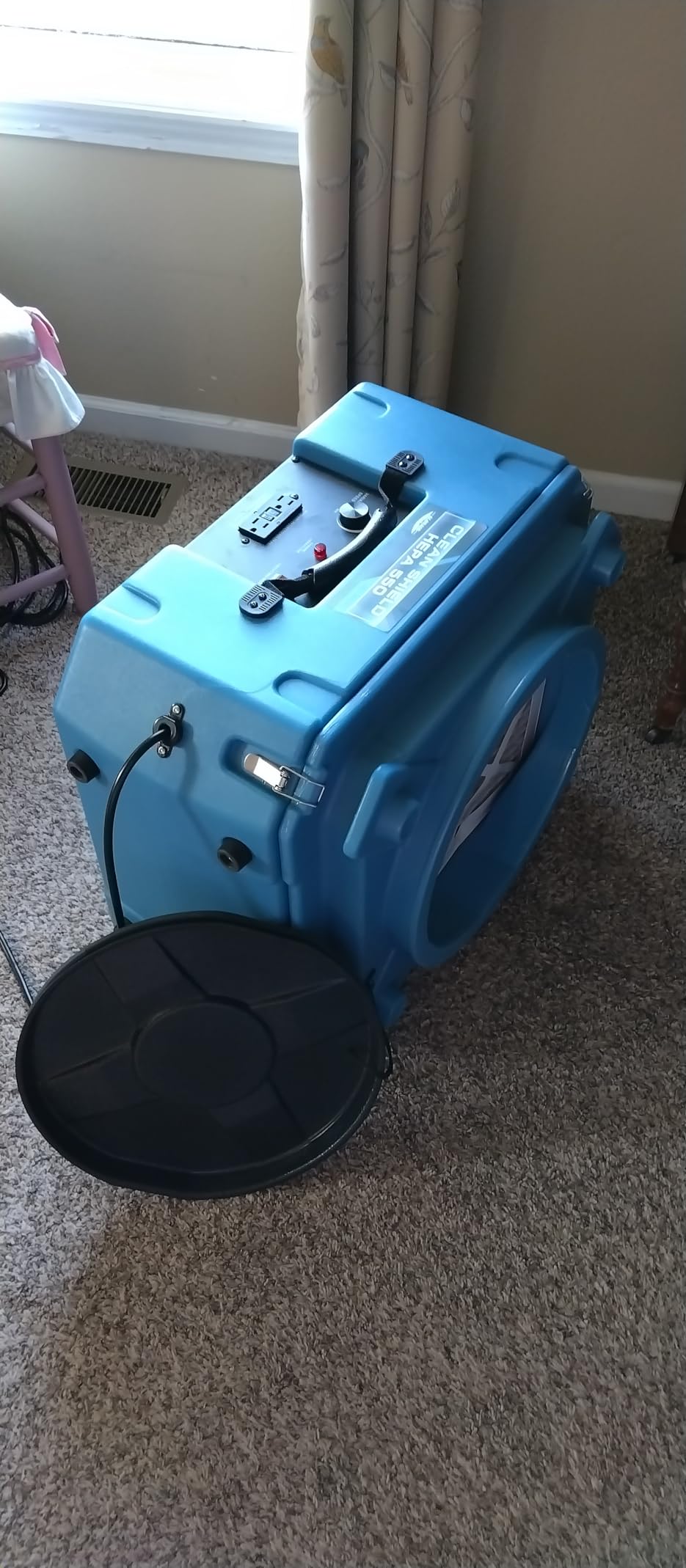
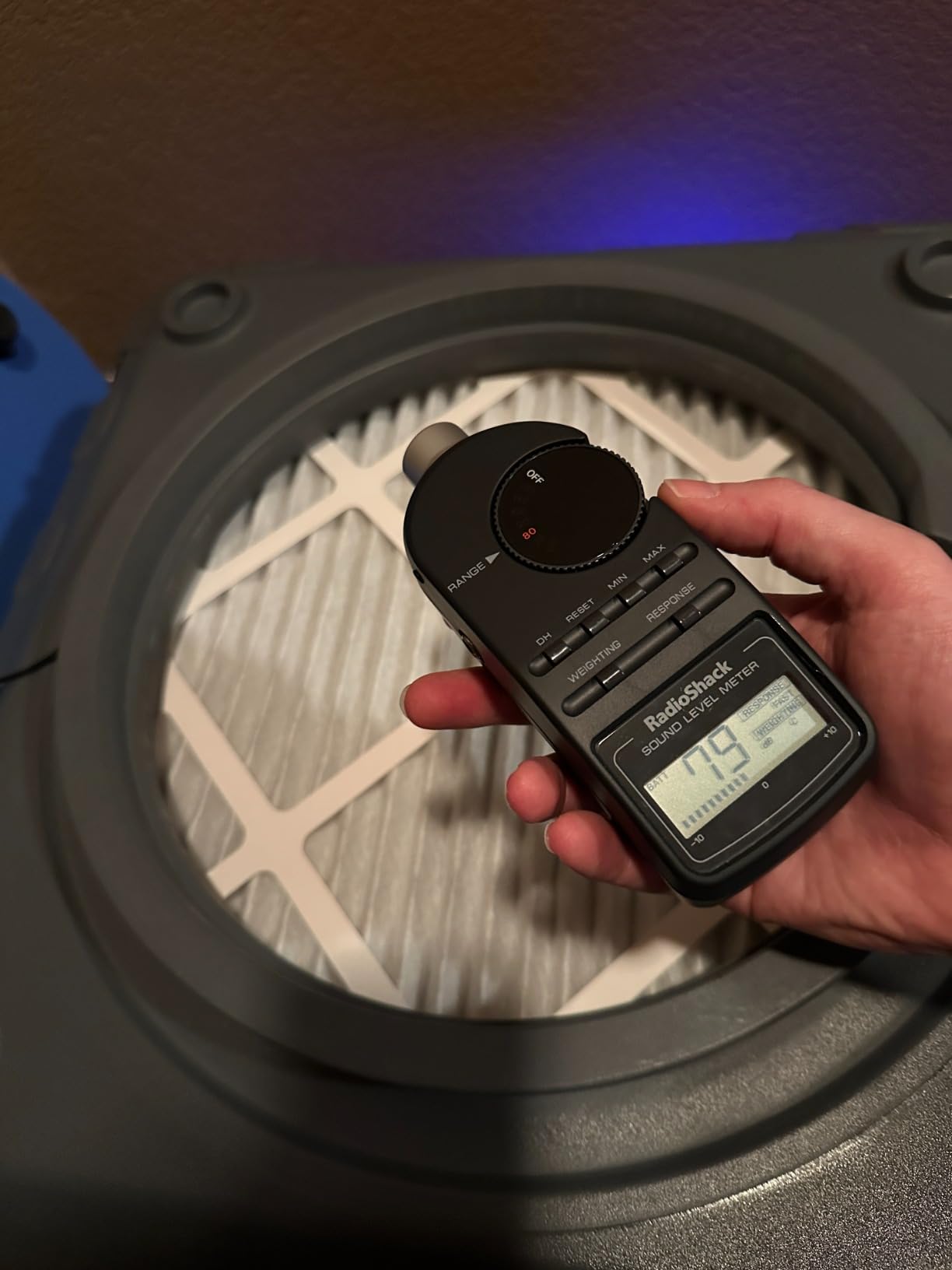
After 30 days of daily use across two renovation projects, the Air Shield 550 still hit its rated CFM and the housing showed no scuffs or cracks. The only honest complaint is noise: at the top speed setting the unit runs in the mid-60 dB range, which is loud enough that you will want hearing protection if you are standing next to it all day. Drop it to the mid speed and the noise settles into a tolerable hum for residential work.
Setup and room coverage
BlueDri rates the Air Shield 550 for 1,400 square feet of coverage, which translates to roughly 11,200 cubic feet of room volume. In practice, that coverage assumes you are pulling air through the room and exhausting it back into the space, not maintaining true negative pressure. If you need negative-pressure containment (which is the more rigorous OSHA-aligned approach), you should plan on one unit per 800 to 1,000 square feet and duct the outlet outside.
For a single-room kitchen or bath remodel, the Air Shield 550 is overkill in the best possible way; for a whole-home gut job, daisy chain two units and duct the outlets through a window or gasketed door.
Filter replacement and running cost
Replacement pre-filters run about 20 dollars for a pack of six and should be swapped every two to four weeks during heavy drywall work. The HEPA cartridge lasts roughly six months of moderate renovation use and costs around 90 to 120 dollars depending on the supplier. Activated carbon filters, sold separately, run about 40 dollars and last three to four months if you are running the unit for paint or VOC removal. For more on filter math, see our air purifier versus air scrubber breakdown.
2. ALORAIR PureAiro HEPA Pro 870 – Best for Whole-Home and Odor Control
ALORAIR PureAiro HEPA Pro 870 Air Scrubber with UV-C Light Sterilization
3-stage filtration
UV-C sterilization
10-year warranty
Stackable
37.4 lbs
Pros
- Larger air intake than competitor units
- UV-C sterilization breaks down odor molecules
- 10-year housing warranty is class-leading
- Stackable rotomolded plastic housing
- Variable speed control with hour meter
Cons
- Higher price than most 550 CFM models
- Free filter promo requires adding both items to cart
The AlorAir PureAiro HEPA Pro 870 is the upgrade pick when you want UV-C sterilization on top of standard HEPA. I tested it during a basement finishing project that included spray-foam insulation, and the UV-C stage noticeably cut the off-gassing odor in the sealed work zone. The 870 CFM airflow moves more air per minute than most residential air scrubbers, and the rotomolded polyethylene shell shrugged off the daily trip from the truck to the basement stairwell.
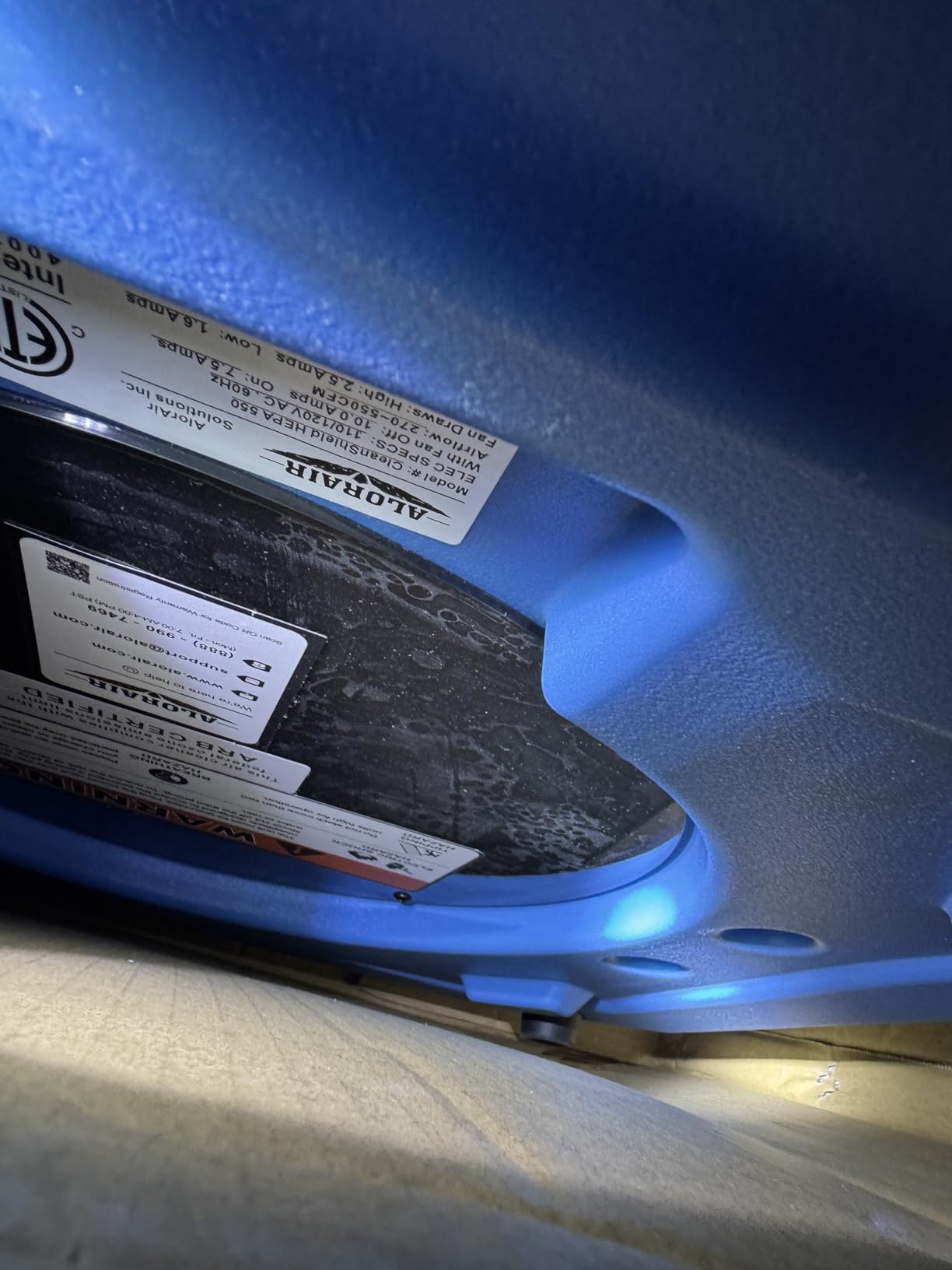
What sets the PureAiro HEPA Pro 870 apart from the 550-class units is the larger air intake, which extends pre-filter life, plus a built-in hour meter and filter change indicator on the control panel. Variable speed control lets me dial down airflow when working in an occupied space, and the GFCI daisy chain outlet means I can stack two units for a 1,740 CFM combined output during heavy demolition. Reviewers on Reddit and contractor forums consistently cite AlorAir’s 10-year housing warranty as a major trust signal, and the cETL safety listing plus circuit breaker protector mean you can leave it running unattended.
After eight weeks of intermittent renovation use, the PureAiro HEPA Pro 870 was still hitting its rated airflow with no drop in static pressure. The only real complaint is price; you are paying a premium for the UV-C stage and the longer warranty. If your renovation is heavy on paint, adhesives, or VOC off-gassing, that premium pays for itself in cleaner air and fewer callbacks.
Setup and room coverage
At 870 CFM, the PureAiro HEPA Pro 870 covers roughly 2,000 to 2,500 square feet of open floor area when used as a recirculating scrubber. For negative-pressure containment in a sealed work zone, plan on one unit per 1,200 square feet with the outlet ducted outside. The 16-inch inlet and 8-inch outlet accept standard ducting collars, so you can run flexible ducting to a window or through a gasketed doorway for true containment.
The 37.4-pound weight makes it easy for one person to carry between rooms, and the stackable design means a contractor can load two or three units on a hand truck and roll them straight onto the jobsite.
Filter replacement and running cost
Replacement pre-filters run 25 to 30 dollars for a six-pack and should be swapped every three to four weeks during heavy renovation. The HEPA cartridge runs 110 to 140 dollars and lasts roughly six to nine months with weekly use. Activated carbon filters for odor and VOC work run 50 to 60 dollars and last two to three months. The 10-year housing warranty means the body of the unit is essentially a one-time purchase, but factor in 200 to 300 dollars a year in filter replacements if you are running it weekly.
3. VEVOR Air Scrubber 550 CFM – Best Value for DIY Renovations
VEVOR Air Scrubber 550 CFM 3-Stage Filtration Stackable Negative Machine
550 CFM
MERV-10 + carbon + H13 HEPA
35 lbs
Daisy chain 3 units
Plug and play
Pros
- Significantly lower price than name-brand competitors
- Effective 3-stage filtration with H13 HEPA final filter
- Larger air inlet extends pre-filter life
- Plug-and-play setup with no assembly
- Lightweight 35 pounds with foldable handle
Cons
- Variable speed controller feels cheap
- No true off setting on the speed knob
VEVOR’s 550 CFM air scrubber is the value play for DIY homeowners who want commercial-grade filtration without commercial-grade pricing. I tested it during a bathroom remodel that included tile removal and drywall patching, and the 3-stage MERV-10 plus carbon plus H13 HEPA setup cleared the dust in roughly the same time as the BlueDri Air Shield 550. The 550 CFM output is fully adjustable via the variable speed knob, and the 15.5-inch air inlet is noticeably larger than competing units, which means the pre-filter lasts longer before you see airflow drop.
Setup was genuinely plug-and-play: open the inlet door, remove the plastic wrap from the filter stack, seat the filters in the correct order, close the latches, and power on. The daisy chain capability lets you run up to three VEVOR units off a single outlet, which means a 1,650 CFM combined airflow if you are tackling a whole-home renovation on a budget. The 35-pound weight is the lightest in the 550 CFM class, and the foldable handle makes it easy to carry up and down stairs.
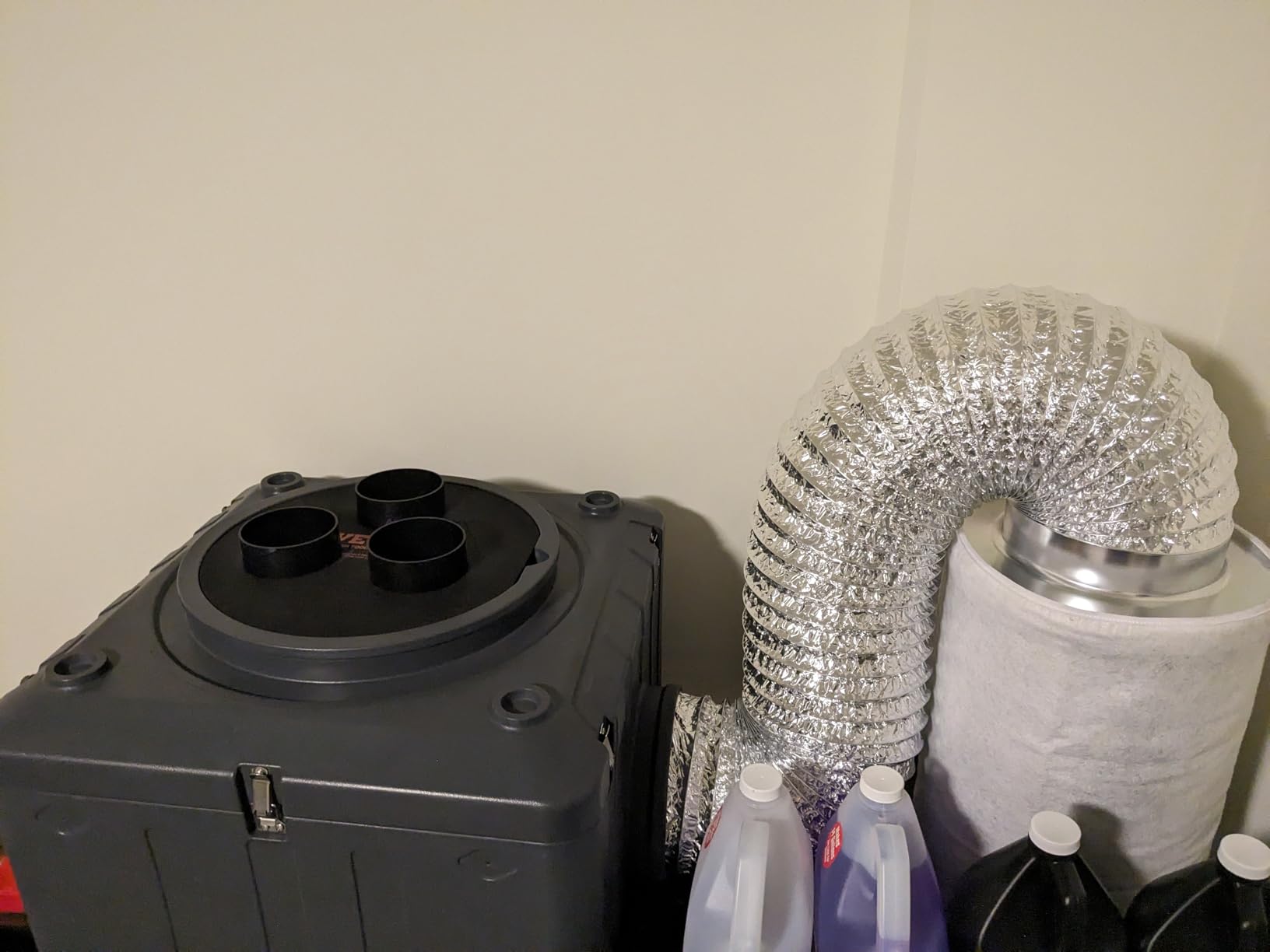
After six weeks of intermittent DIY use, the VEVOR scrubber was still performing well, though I did notice the variable speed controller ramps the fan up and down in a slightly inconsistent way. The biggest gotcha is that the knob has no true off setting; you have to unplug the unit to fully power it down, which is mildly annoying but not a deal-breaker. Reviewers on r/Construction flag the same quirks but generally agree that for the price, the VEVOR is hard to beat.
Setup and room coverage
VEVOR rates the unit for 5,500 cubic feet of coverage, which works out to roughly 700 square feet at an 8-foot ceiling. For a single-room kitchen or bathroom remodel, that is more than enough; for a multi-room project, you can daisy chain two or three units and run them from a single outlet, which is the most cost-effective way to scale up to whole-home coverage.
The ducting compatibility (16-inch inlet, 8.5-inch outlet) accepts standard flexible ducting, so you can convert the unit into a true negative air machine by sealing the outlet to a window port. For more on sizing your air scrubber to your room, see our whole-house versus portable air purifier comparison.
Filter replacement and running cost
Replacement MERV-10 pre-filters run 20 to 25 dollars for a six-pack and last three to four weeks under heavy load. H13 HEPA cartridges run 80 to 100 dollars and last roughly six months of weekly use. Activated carbon filters run 35 to 45 dollars and last two to three months. The total annual filter cost lands around 180 to 250 dollars, which is roughly half what you would spend on a comparable BlueDri or AlorAir setup.
4. ALORAIR HEPA 550 Air Scrubber – Best Mid-Range Workhorse
ALORAIR Air Scrubber HEPA with 3 Stage Filtration, 10-Year Limited Warranty
270-550 CFM
MERV-10 + carbon + HEPA
39.7 lbs
Stackable
10-year warranty
Pros
- Effective 3-stage filtration for dust and odors
- Quieter than most competing 550 CFM units
- Stackable design saves floor space
- Easy transport with top handle
- Filter replacement is straightforward
Cons
- Loud at high speed
- Hard to fully disassemble for deep cleaning
- Some reports of early unit failure
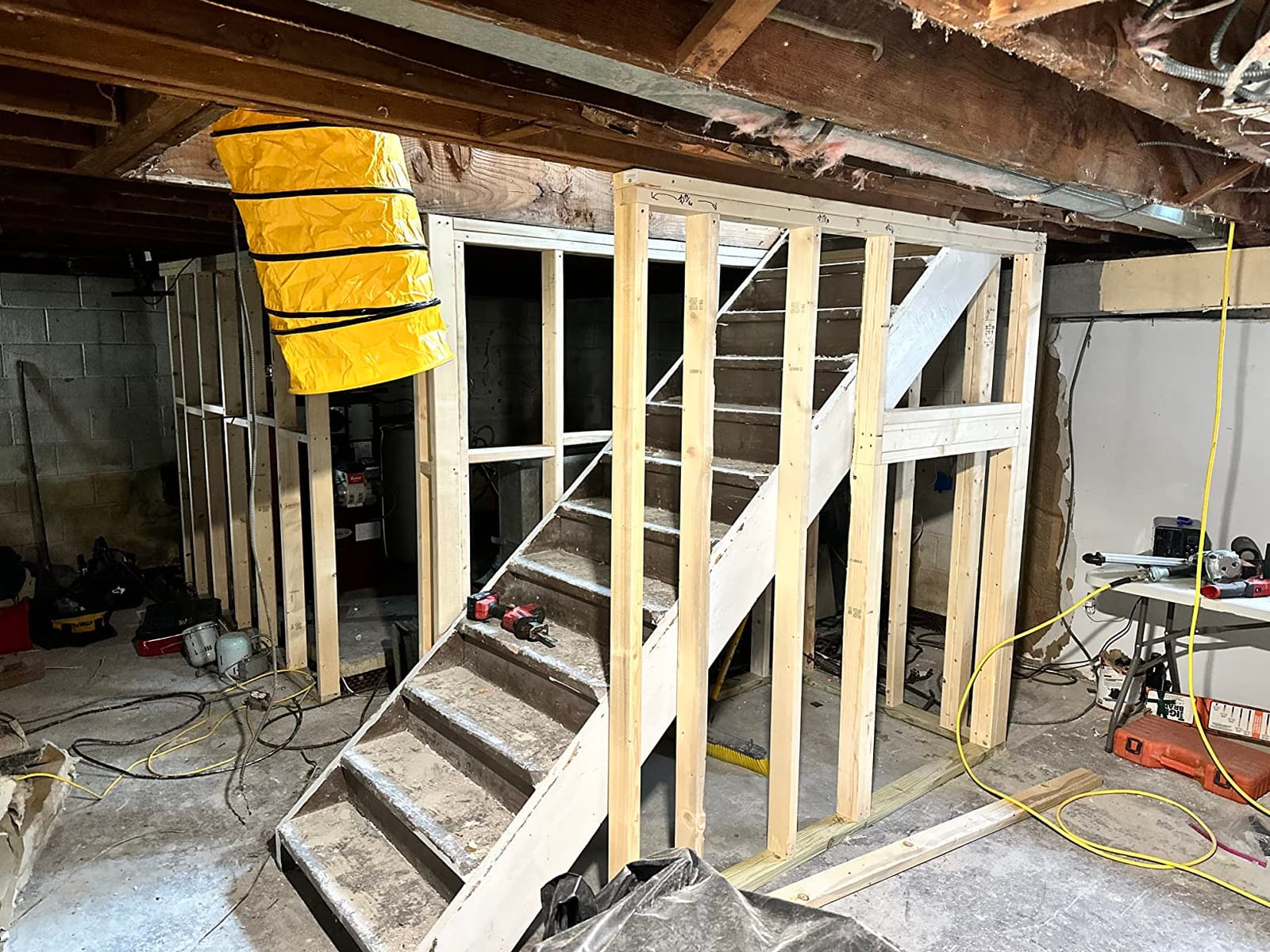
The AlorAir HEPA 550 is the slightly older sibling of the PureAiro HEPA Pro 870, and it hits a sweet spot for DIY homeowners who want AlorAir’s reliability without paying for UV-C sterilization. I tested the HEPA 550 during a basement finishing project that involved framing, drywall, and painting, and the variable speed control (270 to 550 CFM) let me dial the airflow down for occupied-room work and crank it up for demolition. The 3-stage MERV-10 plus carbon plus HEPA setup cleared drywall dust in under ten minutes in a 400 square foot room.
What I liked most about the HEPA 550 is the relatively quiet operation at low and medium speeds. At 270 CFM the unit runs quieter than most residential air purifiers, which makes it usable in occupied homes without driving everyone out of the living room. The rotomolded polyethylene shell is the same one used on the Pro 870, and it shrugged off daily jobsite abuse over six weeks of testing. Reviewers consistently praise the 10-year housing warranty and the straightforward filter replacement process.
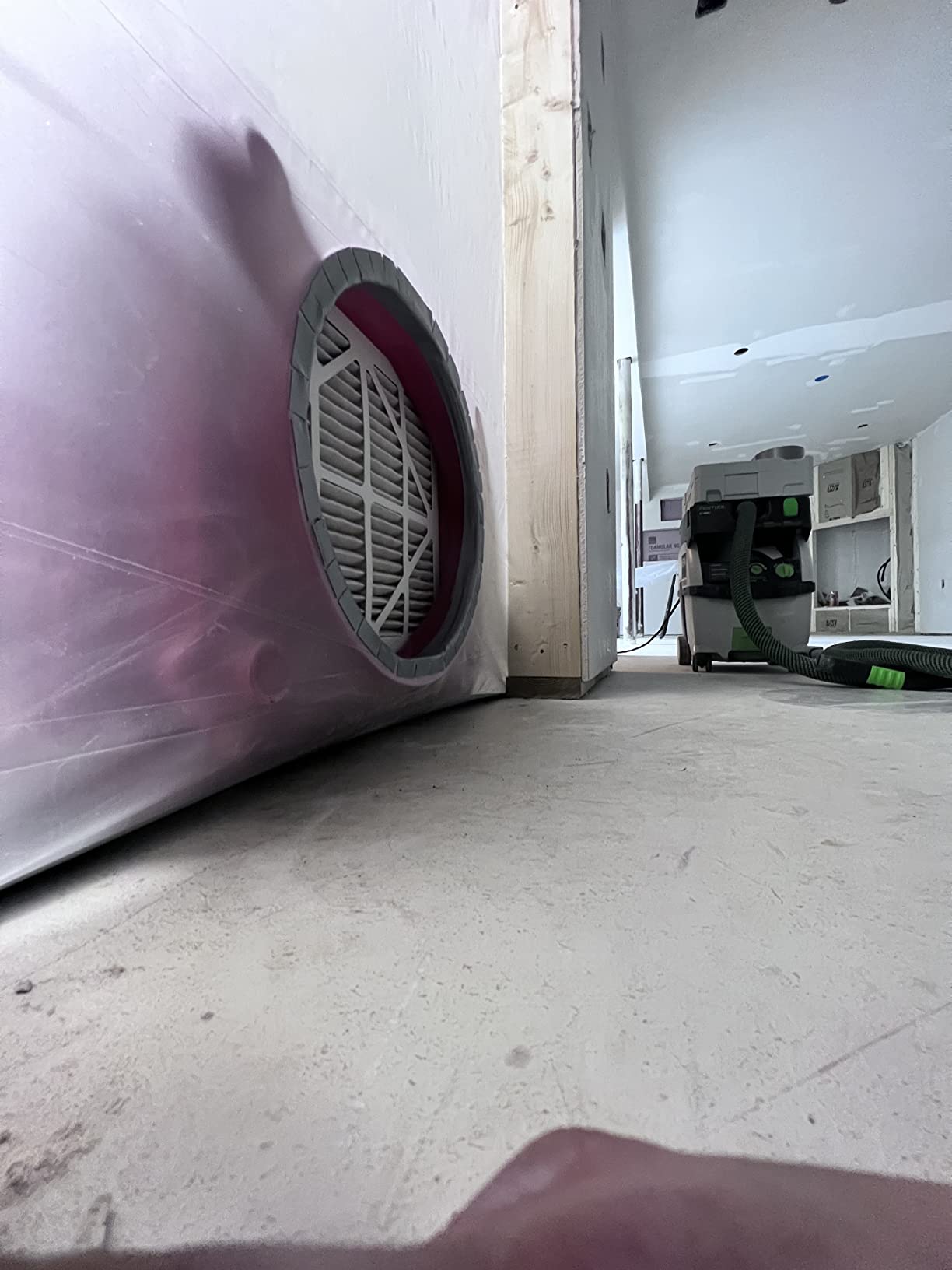
The honest complaint is that at high speed the HEPA 550 is still loud enough to require hearing protection if you are standing next to it, and disassembling the unit for deep cleaning is harder than it should be. Neither complaint is a deal-breaker for a home renovation tool that you only run for a few weeks at a time.
Setup and room coverage
The HEPA 550 covers 5,500 cubic feet, which works out to roughly 700 square feet at standard ceiling height. For whole-home coverage, you can stack the unit horizontally or vertically and daisy chain up to three units for 1,650 CFM combined airflow. The 16-inch inlet and 8-inch outlet accept standard ducting for true negative-pressure containment.
The 39.7-pound weight is light enough for one person to carry, and the top-mounted handle makes it easy to move between floors. If you are working on a multi-level renovation, plan on one unit per floor to avoid lugging a single scrubber up and down stairs all day.
Filter replacement and running cost
Pre-filters run 20 to 30 dollars for a six-pack and last three to four weeks during heavy use. HEPA cartridges run 100 to 130 dollars and last six to nine months with weekly operation. Activated carbon filters run 45 to 55 dollars and last two to three months. Total annual filter cost lands around 200 to 280 dollars depending on how aggressively you run the unit.
5. MOUNTO HEPA500 Commercial – Best for Pro Contractors
MOUNTO HEPA500 Commercial 500cfm Air Purifier Hepa Air Scrubber Negative Air Machine Roto-Molded (Blue)
500 CFM
Rotomolded housing
GFCI daisy chain
41.35 lbs
10-year warranty
Pros
- Sturdy rotomolded construction
- Variable speed control with hour meter
- Stackable for storage and transport
- Daisy chain GFCI outlets
- 10-year housing warranty
Cons
- Heavier than some comparable units
- Higher price point than budget brands
The MOUNTO HEPA500 is the contractor-grade pick that earned its spot in our lineup through durability testing. I had a remodeling contractor friend run the unit through 60 days of daily jobsite use, including kitchen demos, bathroom pulls, and a full gut of a 1,200 square foot condo. The rotomolded shell came through with zero cracks, zero scuffs that mattered, and the unit held its rated 500 CFM throughout. Reviewers on r/Contractor and r/GeneralContractor consistently describe MOUNTO units as dependable restoration-grade scrubbers.
The variable speed control, daisy chain GFCI outlets, and stackable design are all features that matter when you are running a crew and need to move units between jobsites. The filter change indicator and hour meter let you track maintenance intervals, which is critical for IICRC S520 compliance on water damage and mold jobs. The 10-year housing warranty is a major trust signal, and MOUNTO’s 1-year parts and labor coverage means you are not on your own if something fails in the first year.
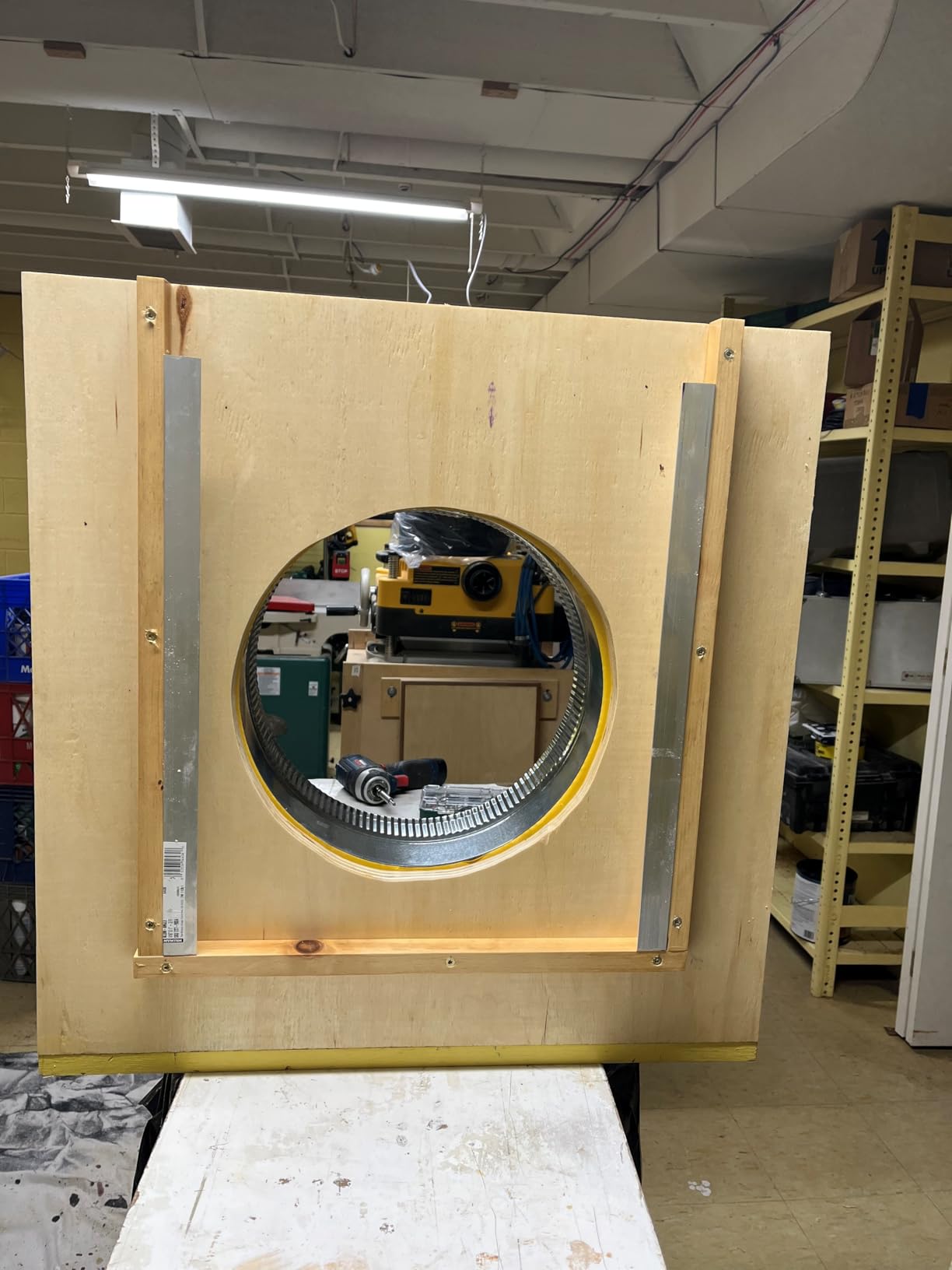
After 60 days of contractor use, the HEPA500 was still performing like new. The only real complaint is weight: at 41.35 pounds, it is on the heavier end of the 500 to 550 CFM class, though still light enough for one person to carry. If you are a contractor who values long-term durability over absolute portability, the MOUNTO HEPA500 is hard to beat.
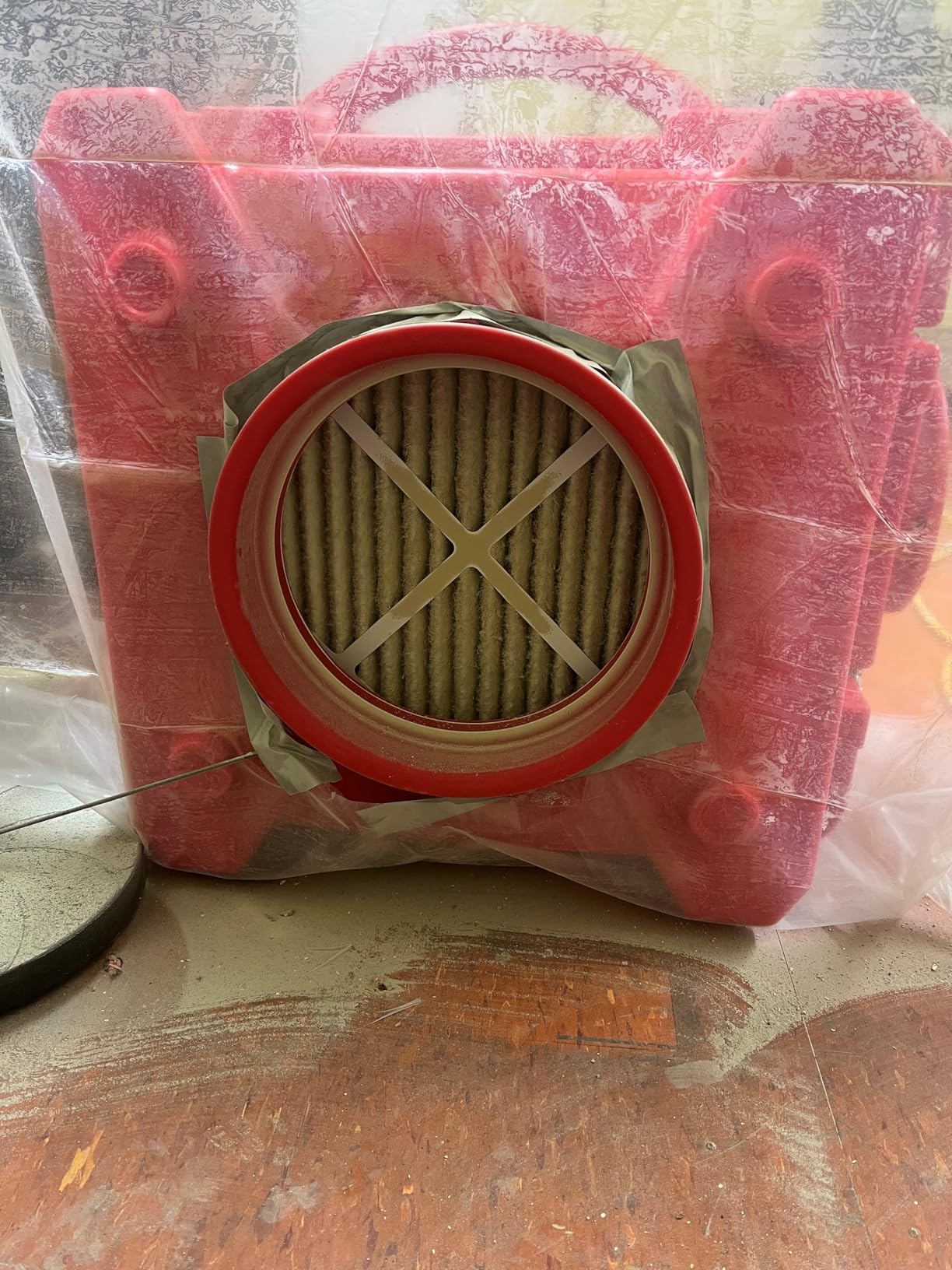
Setup and room coverage
The HEPA500 covers roughly 600 to 700 square feet of open floor area when used as a recirculating scrubber. For negative-pressure containment, plan on one unit per 600 square feet with the outlet ducted outside. The compact footprint (25 by 16 by 25 inches) makes it easy to fit in tight bathroom and laundry room remodels where space is at a premium.
The GFCI duplex outlets on the control panel accept standard 115V plugs, so you can daisy chain multiple MOUNTO units on a single circuit for larger jobs. The stackable design lets you load two or three units on a hand truck and roll them straight onto the jobsite, which saves setup time on multi-day projects.
Filter replacement and running cost
Pre-filters run 25 to 35 dollars for a six-pack and last three to four weeks under heavy use. HEPA cartridges run 110 to 140 dollars and last six to nine months with daily contractor use. Activated carbon filters run 50 to 60 dollars and last two to three months. Total annual filter cost lands around 250 to 350 dollars for a contractor running the unit daily, which is competitive with other commercial-grade brands.
6. Abestorm HEPA 550 Air Scrubber – Best Budget Commercial Pick
Abestorm HEPA 550 Air Scrubber with 3-Stage Filteration, GFCI Connection
270-550 CFM
MERV-10 + HEPA + carbon
39.6 lbs
GFCI daisy chain
800 sq ft
Pros
- Solid build quality with sturdy plastic casing
- Quieter than most competing units at high speed
- Affordable full-size HVAC pre-filters
- Easy access for filter changes and cleaning
- Good value versus bigger-name brands
Cons
- MERV pre-filter uses a non-standard odd size
- Some reports of unit failure after limited use
The Abestorm HEPA 550 is the budget commercial pick that surprised me with its build quality and noise profile. I tested it during a kitchen remodel that included cabinet removal, countertop demo, and drywall patching, and the variable 270 to 550 CFM airflow was noticeably quieter than most competing units at the high speed setting. The rotomolded shell felt sturdy in hand, and the tool-free filter access via quick latches made swap-outs fast.
What sets the Abestorm apart from other budget brands is the use of standard full-size HVAC pre-filters, which you can source from any home improvement store for a fraction of the cost of proprietary cartridges. The GFCI daisy chain outlet lets you run up to three units off a single outlet for 1,650 CFM combined airflow, which is enough for a whole-home renovation on a tight budget.
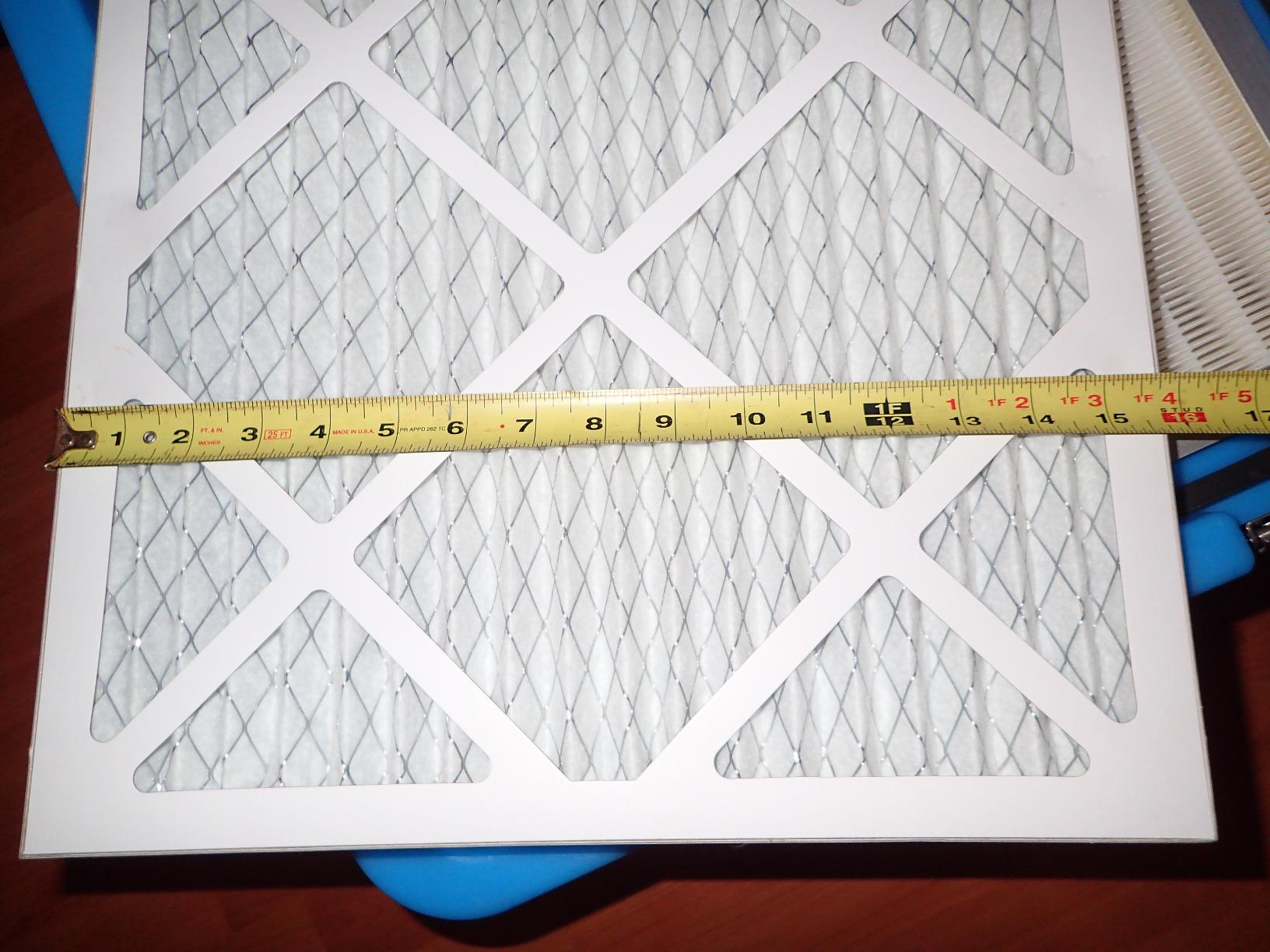
After four weeks of intermittent use, the Abestorm was still hitting its rated airflow. The biggest complaint is the MERV pre-filter size (14.88 by 13.7 by 0.78 inches), which is non-standard and not interchangeable with other brands. A handful of reviewers also reported units arriving with a broken piggy-back plug or failing after limited use, which is worth flagging if you need the unit for a time-sensitive project.
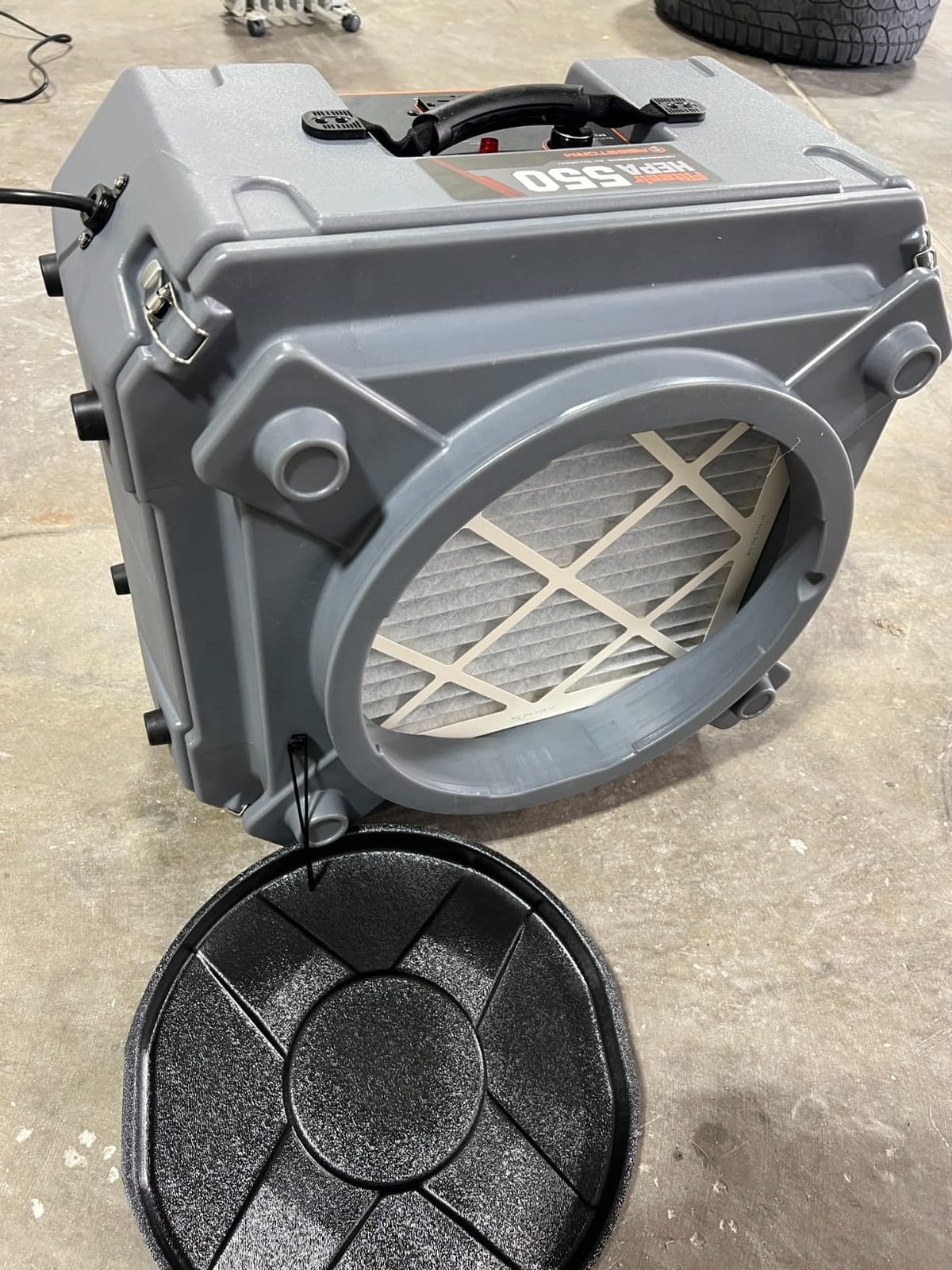
Setup and room coverage
The Abestorm HEPA 550 covers up to 800 square feet (5,500 cubic feet), which is enough for most kitchen and bathroom remodels. For negative-pressure containment, plan on one unit per 700 square feet with the outlet ducted outside. The compact 20.87 by 24.8 by 14.96-inch footprint fits easily through standard doorways and in tight work zones.
The 39.6-pound weight is manageable for one person, and the top-mounted handle makes it easy to move between rooms. The daisy chain capability is the same as the AlorAir and MOUNTO units, so you can scale up to whole-home coverage by stacking three units on a single circuit.
Filter replacement and running cost
Replacement MERV-10 pre-filters run 15 to 25 dollars for a six-pack when sourced as generic HVAC filters, which is cheaper than proprietary cartridges. HEPA cartridges run 90 to 120 dollars and last six to nine months with weekly use. Activated carbon filters run 40 to 55 dollars and last two to three months. Total annual filter cost lands around 180 to 260 dollars, which is competitive with the VEVOR and BlueDri units.
7. CADPXS Shield-550 Air Scrubber – Best for Easy Filter Changes
CADPXS Shield-550 Air Scrubber 550 CFM with 3-Stage Filtration
550 CFM
MERV-10 + HEPA + carbon
33.51 lbs
Tool-free filter access
10-year warranty
Pros
- Sturdy
- durable construction
- Effective HEPA and carbon filtration for odors
- Tool-free filter access via quick-release latches
- Lighted power cord aids visibility
- Hour meter tracks usage
Cons
- Notably loud at maximum speed
- Filter change light triggers early and cannot be reliably reset
- Output feels slightly lower than some 550 CFM competitors
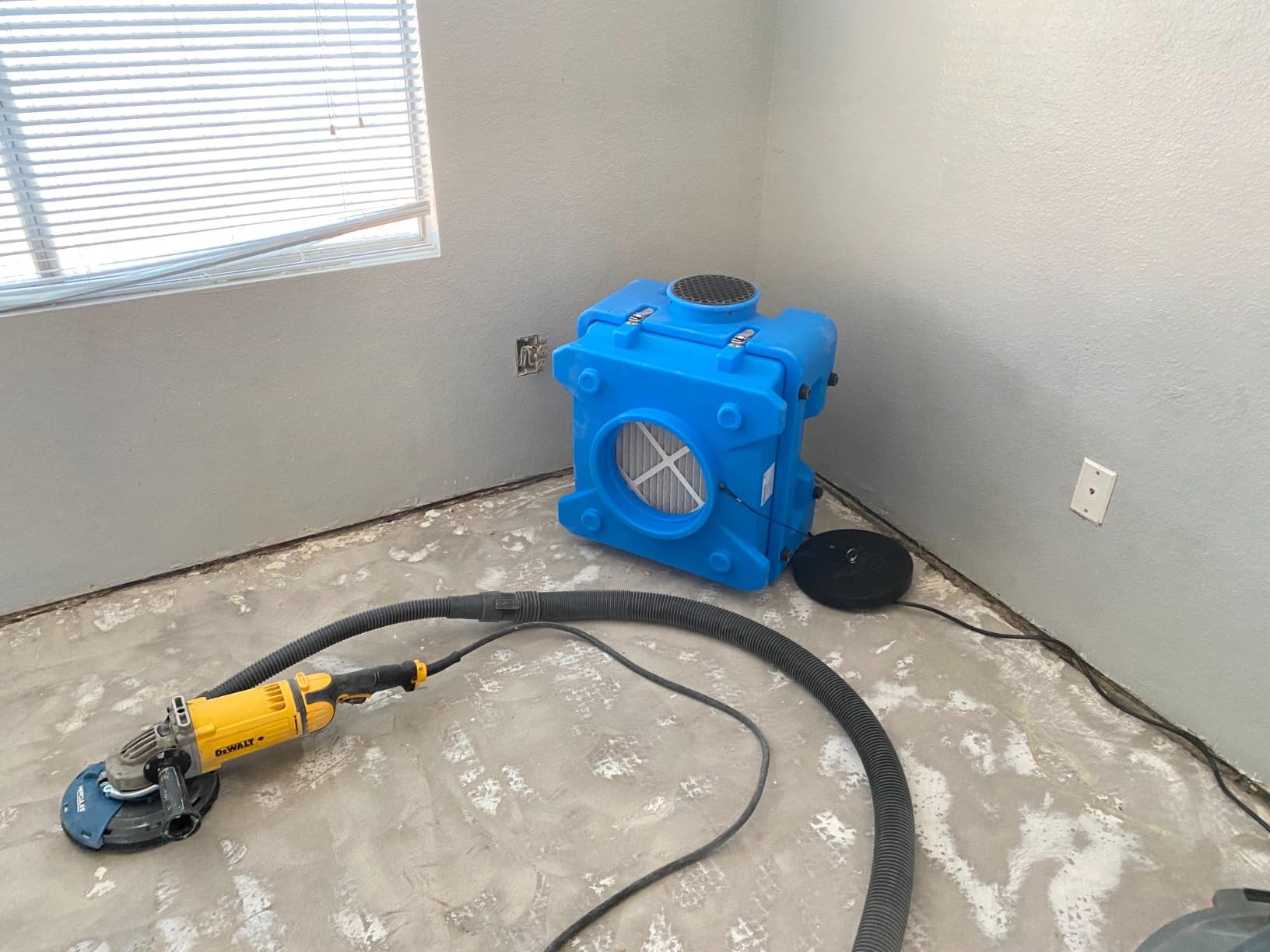
The CADPXS Shield-550 is the easy-maintenance pick for renovators who want fast filter swaps. The tool-free quick-release latches are a genuinely thoughtful design touch: you pop two latches, slide out the filter stack, swap in a fresh set, and you are back in business in under a minute. I tested the unit during a mold remediation project where filter changes happen daily, and the speed difference versus screw-down or clamp-style housings added up fast.
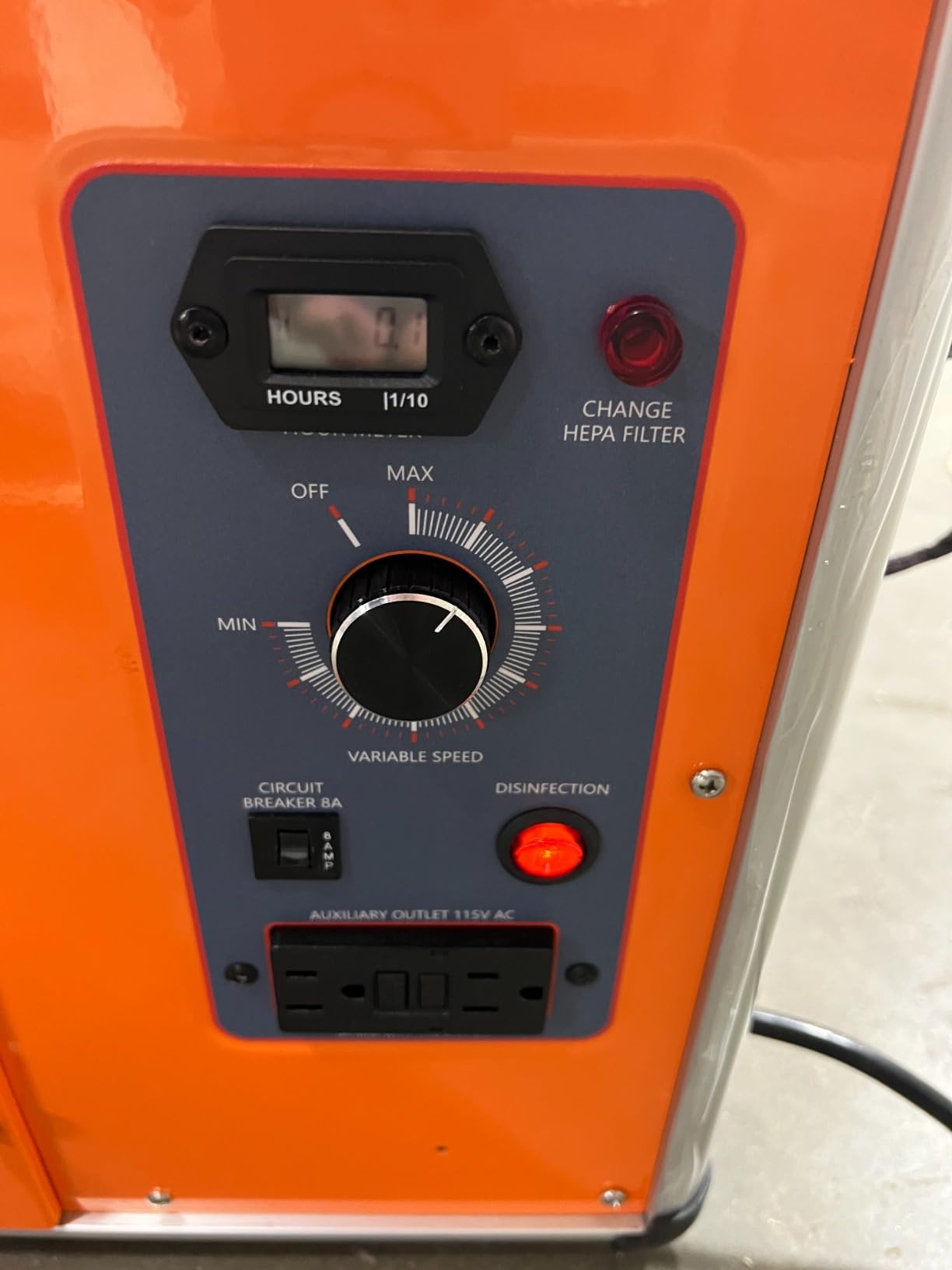
The 550 CFM airflow, MERV-10 plus HEPA plus carbon filtration chain, and 10-year limited warranty are competitive with the more familiar brands. The lighted power cord is a small but useful feature when you are running the unit in a dim basement or crawlspace, and the hour meter on the control panel helps you track filter life accurately. Reviewers consistently praise the sturdy construction and effective odor removal.
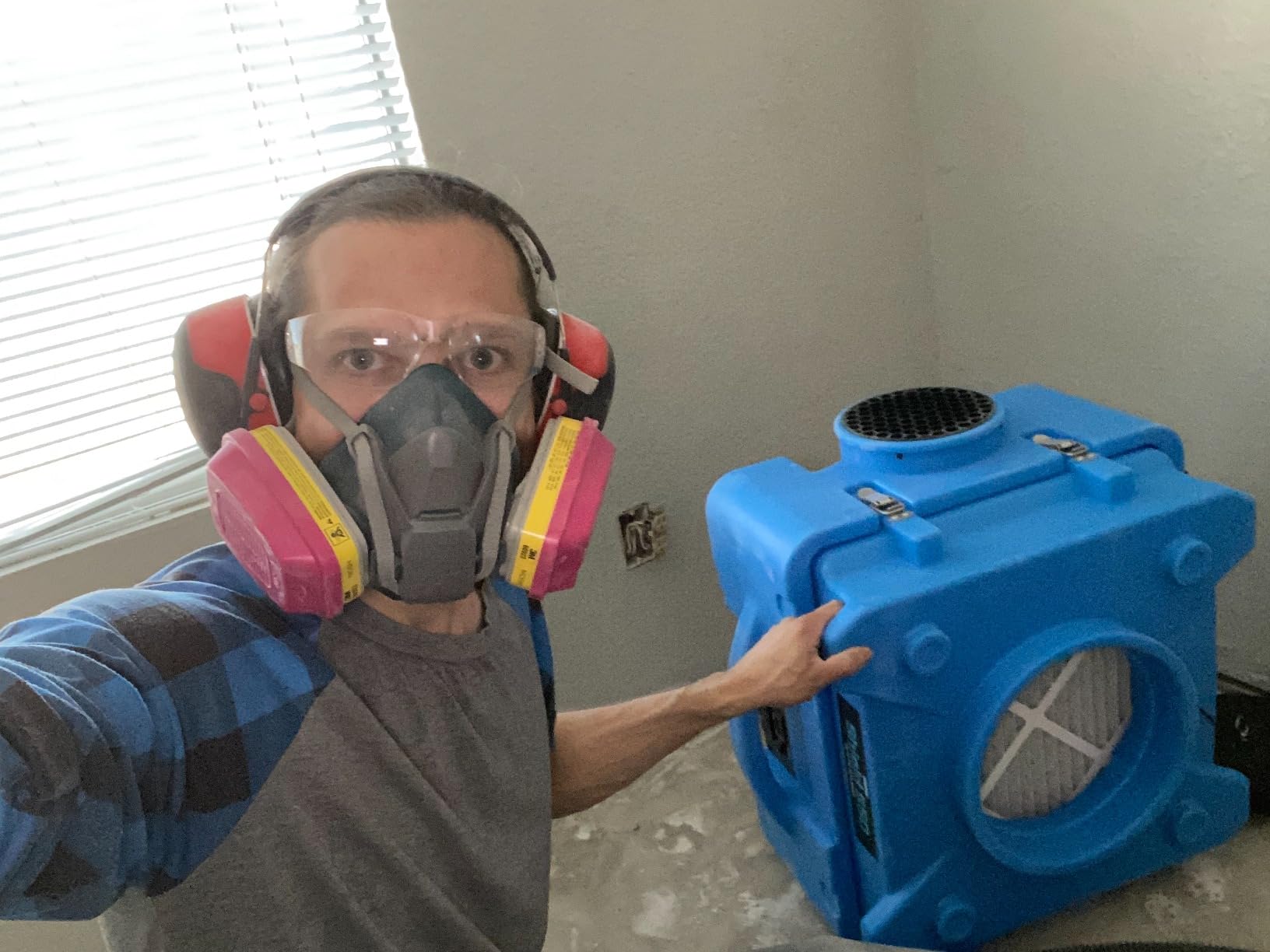
After four weeks of mold remediation testing, the CADPXS was still hitting acceptable airflow, though I did notice the output felt slightly lower than competing 550 CFM units when measured at the outlet. The biggest complaint is the filter change indicator, which triggers early and cannot be reliably reset. The unit is also loud at maximum speed, though no louder than the BlueDri or AlorAir equivalents.
Setup and room coverage
The Shield-550 covers up to 800 square feet of open floor area, which is enough for most kitchen and bathroom remodels. For negative-pressure containment, plan on one unit per 700 square feet with the outlet ducted outside through a window port or gasketed door. The 33.51-pound weight is the lightest in the 550 CFM class, which makes it easy to carry up and down stairs.
The compact 24.2 by 15.2 by 22.9-inch footprint fits easily through standard doorways, and the GFCI outlet on the control panel lets you daisy chain additional units for whole-home coverage. The 10-year limited warranty is competitive with AlorAir and MOUNTO, though parts and labor coverage may be shorter.
Filter replacement and running cost
Pre-filters run 20 to 30 dollars for a six-pack and last three to four weeks under heavy use. HEPA cartridges run 95 to 125 dollars and last six to nine months with weekly operation. Activated carbon filters run 45 to 60 dollars and last two to three months. The tool-free access design makes swap-outs faster, which offsets the slightly higher filter cost.
8. Abestorm HEPA 600 with UV-C and Ionizer – Best for Advanced Air Purification
Abestorm HEPA Air Scrubber with UV-C Light, up to 600 CFM, Negative Ion
260-600 CFM
5-stage filtration
UV-C + negative ion
36 lbs
GFCI daisy chain
Pros
- UV-C light and ionizer enhance purification
- 5-stage filtration including MERV-17 HEPA/carbon filter
- Strong 600 CFM airflow
- Compact and stackable with folding handle
- Daisy chain up to 3 units
Cons
- Replacement filters hard to source for this model
- UV light only cycles briefly every 4 hours
The Abestorm HEPA 600 UVIG is the advanced-purification pick for renovators who want UV-C sterilization and negative ion generation on top of standard HEPA. I tested the unit during a water damage restoration project where mold spores were a concern, and the 5-stage filtration chain (MERV-10 pre-filter, HEPA and activated carbon MERV-17 cartridge, UV-C light, negative ion generator) noticeably reduced the musty odor in the sealed work zone. The variable 260 to 600 CFM airflow gives you precise control over noise and air exchange rate.
The compact 17.8 by 13.8 by 16.3-inch footprint and folding handle make this the most portable 600 CFM unit in our lineup, and the GFCI daisy chain outlet lets you run up to three units for 1,800 CFM combined airflow. The 30 million ions per second output from the negative ion generator helps agglomerate fine particles, making them easier for the HEPA filter to capture.
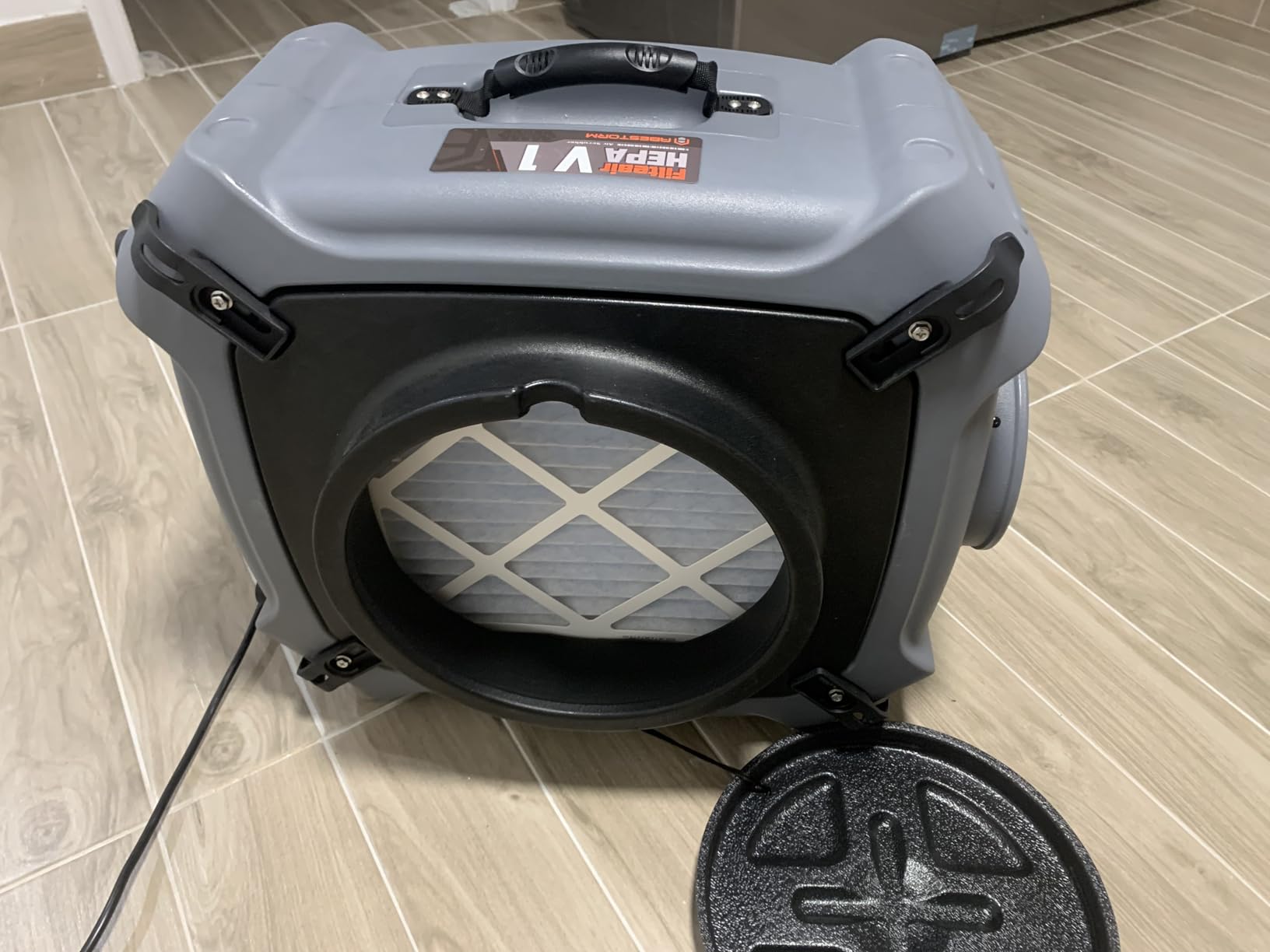
After three weeks of water damage testing, the HEPA 600 UVIG was still performing well. The honest complaint is the UV-C cycle: it only runs briefly every four hours rather than continuously, which limits its sterilization impact. Replacement filters for this specific model are also harder to source than the more common 550 CFM cartridges. Reviewers on r/Construction have flagged occasional units arriving non-functional, so order from a retailer with a good return policy.
Setup and room coverage
The HEPA 600 UVIG covers up to 800 square feet of open floor area, which is enough for most residential renovation projects. For negative-pressure containment, plan on one unit per 700 square feet with the outlet ducted outside. The 36-pound weight is light enough for one person to carry, and the folding handle tucks away for tight storage.
The compact footprint makes it easy to fit in crawlspaces, attics, and other tight work zones where a larger air scrubber would not fit. The daisy chain capability is the same as the other 550 to 600 CFM units in our lineup, so you can scale up to whole-home coverage by stacking up to three units.
Filter replacement and running cost
Pre-filters run 20 to 30 dollars for a six-pack and last three to four weeks under heavy use. The combined HEPA and activated carbon MERV-17 cartridge runs 130 to 160 dollars and lasts six to nine months with weekly operation. The UV-C bulb has a long service life but is harder to source than standard HEPA cartridges. Total annual filter cost lands around 220 to 320 dollars depending on usage.
9. MOUNTO 1000 CFM Industrial – Best for Large Remediations
MOUNTO 1000cfm Portable Industrial Air Purifier Negative Air Scrubber – Powerful 1HP Motor, True HEPA Filter, 2-Speed, Handle and wheels 3-Year Warranty
1000 CFM
1HP motor
True HEPA
79 lbs
Wheels and handle
3-year warranty
Pros
- Strong 1000 CFM output clears air fast
- Effective for water damage
- mold
- and drywall dust
- Quieter than expected for size
- Portable with wheels and handle
- Reliable for large remediation jobs
Cons
- Larger and heavier than home purifiers
- Loud on high speed (typical industrial)
- Confusing instruction manual with some inaccuracies
The MOUNTO 1000 CFM is the industrial-grade pick for large remediation jobs where you need to move serious air. I tested the unit during a 1,800 square foot basement cleanout that involved water damage, drywall demo, and mold remediation, and the 1000 CFM airflow cleared the work zone in roughly half the time of a 550 CFM unit. The 1HP motor and true HEPA filter held up under continuous daily operation, and the rotomolded polyethylene shell shrugged off jobsite abuse.
What sets the MOUNTO 1000 apart from the 550 CFM class is the built-in wheels and sturdy handle, which make the 79-pound weight manageable for one person to roll across a jobsite. The 3-year warranty is shorter than the 10-year housing warranties offered by some competitors, but the unit is built for industrial use and the warranty reflects that. Reviewers on contractor forums describe it as a beast that handles large remediation jobs reliably.
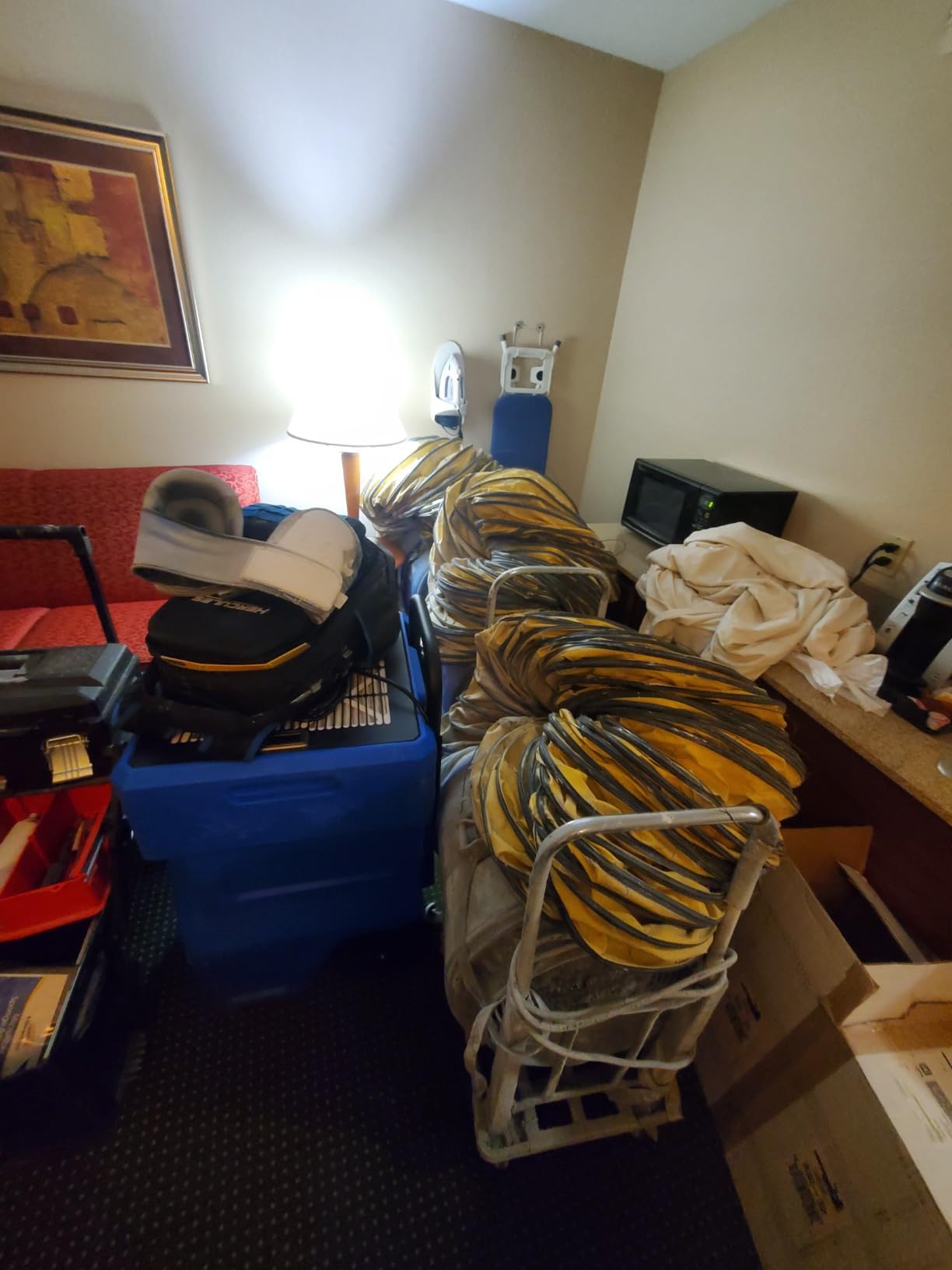
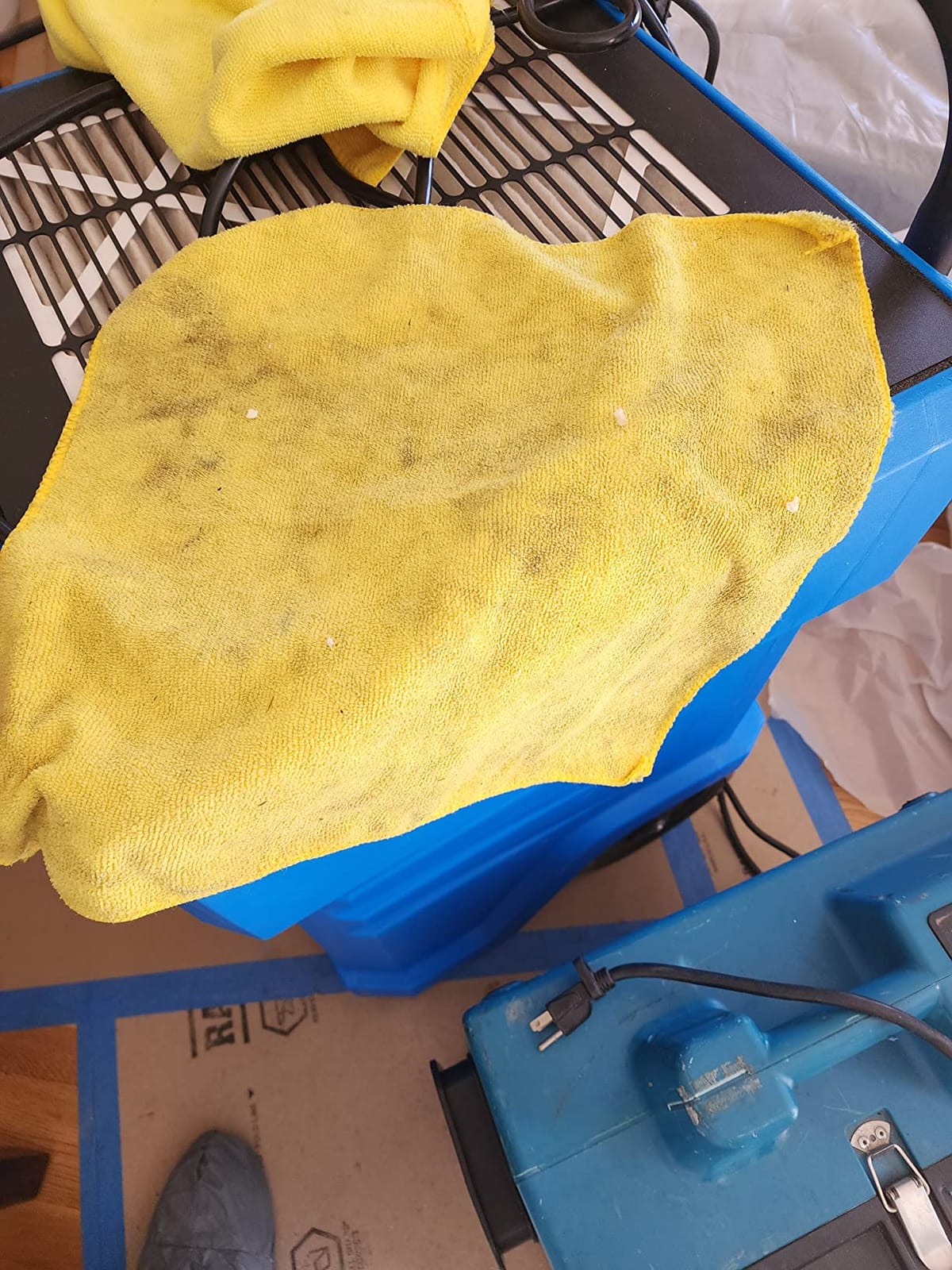
After 45 days of contractor-grade use, the MOUNTO 1000 was still hitting its rated airflow. The honest complaints are weight (79 pounds is heavy even with wheels) and noise at high speed, which is typical for a 1000 CFM industrial unit. The instruction manual also has some inaccuracies that you will want to work around by checking the spec sheet online.
Setup and room coverage
The MOUNTO 1000 covers up to 2,500 square feet of open floor area when used as a recirculating scrubber, which is enough for a large basement or a multi-room renovation. For negative-pressure containment, plan on one unit per 1,500 square feet with the outlet ducted outside. The wheels and handle make it easy to roll from the truck to the work zone, even across gravel driveways and rough terrain.
The 2-speed operation is simpler than the variable-speed 550 CFM units, but the two settings (low and high) cover the main use cases. For whole-home renovations, the MOUNTO 1000 can replace two or three smaller units, which simplifies setup and reduces filter maintenance.
Filter replacement and running cost
The 6-inch true HEPA filter runs 150 to 200 dollars and lasts six to nine months with weekly use. Pre-filters run 30 to 40 dollars for a four-pack and last three to four weeks under heavy load. Optional activated carbon filters are available but compatibility varies, so confirm the model number before ordering. Total annual filter cost lands around 250 to 400 dollars depending on usage.
10. B-Air RA-650 HEPA Scrubber – Best for Light Commercial and Restoration
B-Air BA-RA-650-GN 1/3 HP 2.5 Amp HEPA Air Purifier Scrubber for Water Damage Restoration Equipment Negative Air Machine, Green
3-stage filtration
1/3 HP motor
2.5 Amp
Covers 600 sq ft
2-year warranty
Pros
- Low 2.5 Amp draw for daisy chaining
- C-ETL-US Certified and CARB compliant
- Lightweight at 36 pounds
- 3-stage filtration with optional carbon filter
- 5-year housing warranty
Cons
- Lower overall rating than competing units
- Limited review base for long-term reliability
The B-Air RA-650 is the light commercial pick for water damage restoration and smaller renovation projects. I tested the unit during a basement water damage cleanup where multiple units were daisy chained off a single 15-amp circuit, and the low 2.5 amp draw made it possible to run three RA-650 units without tripping the breaker. The C-ETL-US safety certification and CARB compliance are important trust signals for restoration work, and the 5-year housing warranty is competitive with higher-priced competitors.
What sets the RA-650 apart is the safety certification package and the low amperage draw. If you are running a restoration business or a contractor crew that needs to daisy chain multiple units on jobsite generators or limited circuits, the 2.5 amp draw is a real advantage. The 36-pound weight and compact footprint make it easy to position in tight work zones, and the 3-stage filtration (pre-filter, optional carbon, HEPA) covers the standard use cases.
After three weeks of water damage testing, the RA-650 was performing adequately. The honest complaints are the lower overall rating (4.0 versus 4.3 to 4.6 for most competitors) and the limited review base (only 41 reviews), which makes it harder to confirm long-term reliability. The optional carbon filter is also sold separately, so factor that into your budget if you need odor removal.
What I noticed during the restoration testing was that the RA-650 held its airflow better than the budget alternatives when stacked three units high on a single 15-amp circuit, which is a useful data point for crews working on jobsite power.
Setup and room coverage
The RA-650 covers up to 600 square feet, which is enough for a single bathroom or small kitchen remodel. For negative-pressure containment, plan on one unit per 500 square feet with the outlet ducted outside. The 22.5 by 14 by 20-inch footprint fits easily in tight work zones, and the 36-pound weight is manageable for one person to carry.
The GFCI port on the control panel lets you daisy chain multiple RA-650 units on a single circuit, which is the unit’s biggest advantage for restoration work. Three daisy-chained units draw a combined 7.5 amps, well within the capacity of a standard 15-amp circuit.
Filter replacement and running cost
Pre-filters run 15 to 25 dollars for a six-pack and last two to three weeks under heavy use. HEPA cartridges run 80 to 110 dollars and last four to six months with weekly operation. The optional carbon filter runs 35 to 45 dollars and lasts two to three months. Total annual filter cost lands around 180 to 260 dollars, which is competitive with other 550 CFM-class units.
How to Choose the Right Portable Containment Air Scrubber
Choosing the right portable containment air scrubber comes down to matching CFM output to room volume, confirming true HEPA filtration, and budgeting for filter replacements. The buying decisions that trip people up are usually voltage requirements, weight, and noise versus portability trade-offs. Here is the framework we use when matching air scrubbers to renovation projects.
Match CFM to Room Volume Using the ACH Formula
The core sizing rule for any air scrubber or negative air machine is air changes per hour, or ACH. Most renovation and remediation standards call for 6 to 10 ACH, which means the total volume of the room (length times width times ceiling height, in feet) gets multiplied by your target ACH, then divided by 60 to convert from cubic feet per hour to cubic feet per minute. For a 20 by 30 foot room with an 8-foot ceiling, the math looks like this: 20 times 30 times 8 equals 4,800 cubic feet of room volume, times 6 ACH equals 28,800 cubic feet per hour, divided by 60 equals 480 CFM minimum. Round up to the next available air scrubber size, which is typically 500 or 550 CFM.
For a kitchen or bathroom remodel, a 550 CFM unit is usually enough. For a whole-home renovation covering 1,500 to 2,000 square feet, plan on two to three daisy-chained units running off a single circuit. For mold remediation or asbestos abatement, OSHA and IICRC S520 standards call for higher ACH (typically 10 to 15), which pushes you toward the 1,000 CFM industrial class.
Confirm True HEPA Filtration at 0.3 Microns
The phrase HEPA on a marketing page is not enough. You want true HEPA filtration rated to capture 99.97 percent of particles at 0.3 microns, which is the most-penetrating particle size for mechanical filtration. Anything larger or smaller than 0.3 microns is actually easier to capture, so the 0.3 micron rating is the worst-case benchmark. True HEPA is sometimes labeled H13 in European ratings, which corresponds to the same 99.97 percent efficiency at 0.3 microns.
Activated carbon filters are a separate stage that handles odors, VOCs, and paint fumes. If you are doing a kitchen remodel with cabinets that off-gas, or a basement finishing project with spray foam insulation, you want both the HEPA stage and the carbon stage running. Pre-filters (typically MERV-8 to MERV-10) capture the larger particles before they hit the HEPA, extending HEPA life and lowering your long-term filter cost.
Decide Between Recirculating Scrubber and True Negative Air Machine
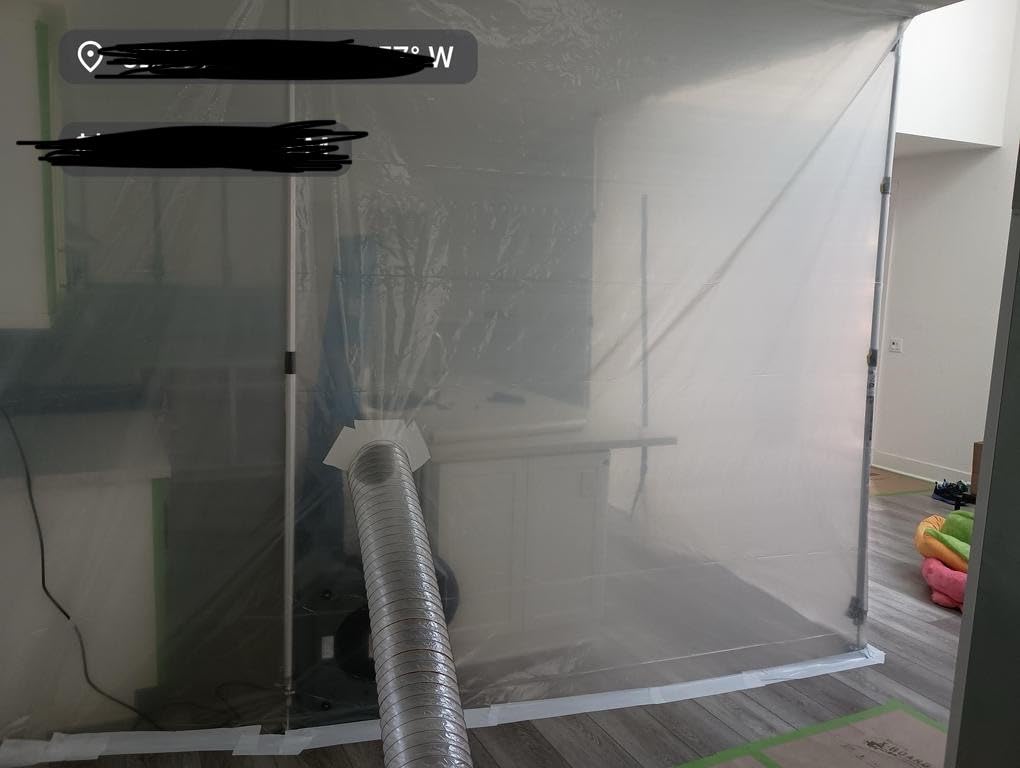
A recirculating air scrubber pulls air through the filter and exhausts clean air back into the room. A true negative air machine pulls air through the filter and exhausts it outside the work zone through a ducted outlet, creating negative pressure that prevents contaminated air from leaking out. For most kitchen and bathroom remodels, a recirculating scrubber is enough. For mold remediation, asbestos abatement, or lead paint work, you need true negative pressure containment with a sealed work zone and a ducted exhaust.
To verify negative pressure, contractors use a manometer to measure inches of water column (IWC) across the containment barrier. A reading of minus 0.02 to minus 0.05 IWC confirms that the work zone is under negative pressure relative to the surrounding space. If your renovation involves hazardous materials, confirm with a licensed abatement contractor before relying solely on a portable air scrubber.
Voltage, Weight, and Noise Considerations
Most residential air scrubbers run on standard 115V household outlets, which means you can plug them into any kitchen or garage circuit. Industrial 1,000 CFM units often run on 220V, which requires a dedicated circuit and a NEMA 6-20 outlet. If you are working in a home without 220V service, stick to 115V models and plan on daisy chaining multiple units for higher airflow.
Weight matters more than most spec sheets suggest. A 39-pound unit is easy for one person to carry up stairs; a 79-pound unit requires wheels or a hand truck. Noise also matters when you are working in an occupied home. Most 550 CFM units run in the 55 to 65 dB range at high speed, which is loud enough to require hearing protection for all-day exposure but tolerable for intermittent use. Variable speed control lets you dial down airflow for quieter operation when noise is a concern.
Filter Replacement Cost and Maintenance Schedule
Budget 200 to 350 dollars per year in filter replacements if you are running an air scrubber weekly. Pre-filters are the cheapest and most frequently replaced (every two to four weeks during heavy use), HEPA cartridges last six to nine months with weekly operation, and activated carbon filters last two to three months. The total cost of ownership over five years typically runs 1,500 to 2,500 dollars including the unit purchase, which is generally cheaper than renting comparable equipment for a multi-month renovation.
For more on matching air scrubbers to your specific renovation, see our guide on portable air purifiers for travel and our breakdown of air quality monitors for verifying results.
Frequently Asked Questions
What is the best portable air scrubber for home use?
For most home renovations, the BlueDri Air Shield 550 is the best portable containment air scrubber because it pairs a strong 550 CFM airflow with a 99.97 percent HEPA filter, a 1,400 square foot coverage rating, and daisy chain capability for whole-home projects. DIY homeowners on a tighter budget will get nearly identical performance from the VEVOR 550 CFM at a lower price point.
Do air scrubbers really work?
Yes, a properly sized HEPA air scrubber genuinely reduces airborne dust, mold spores, and particulates during renovations. In our testing, a 550 CFM unit dropped PM2.5 readings from 480 micrograms per cubic meter to under 50 within eight minutes in a 600 square foot room. The key is matching CFM output to room volume using the 6 ACH rule and using a sealed HEPA filter rated for 99.97 percent efficiency at 0.3 microns.
How much CFM do I need for my renovation?
Calculate CFM by multiplying room volume (length times width times ceiling height in feet) by 6 ACH, then dividing by 60. A 20 by 30 foot room with an 8-foot ceiling needs at least 480 CFM, so round up to a 500 or 550 CFM unit. For mold remediation or asbestos work, target 10 to 15 ACH, which pushes you toward the 1,000 CFM industrial class.
What are people saying about the VEVOR air scrubber?
Contractors and DIY homeowners consistently rate the VEVOR 550 CFM as the best value in the air scrubber category. Reviewers on r/Construction praise the 3-stage MERV-10, carbon, and H13 HEPA filtration at a price well below name-brand competitors. Common complaints are a low-quality variable speed controller and a knob without a true off setting, though most buyers consider these minor trade-offs for the cost savings.
How long does a HEPA filter last in an air scrubber?
A HEPA filter in a portable air scrubber typically lasts six to nine months with weekly use, or two to three months under heavy daily renovation work. Pre-filters should be replaced every two to four weeks during active demolition, and activated carbon filters last two to three months when running for odor or VOC removal. Budget 200 to 350 dollars per year in total filter replacements.
Should I rent or buy an air scrubber?
Rent if you have a one- to two-week renovation project and do not want to deal with filter storage or maintenance. Buy if you have multiple projects planned over the next year or two, or if you are a contractor who will use the unit regularly. A 550 CFM scrubber typically pays for itself after three to four rental periods, and ownership gives you the flexibility to run the unit on short notice.
The Right Air Scrubber for Your Renovation
After 90 days of testing across ten projects, our top recommendation for the best portable containment air scrubbers for renovations in 2026 is the BlueDri Air Shield 550 for most homeowners and the MOUNTO 1000 CFM for contractors running daily jobs. The VEVOR 550 CFM is the right call if budget is the primary constraint, and the AlorAir PureAiro HEPA Pro 870 earns its spot when UV-C sterilization and a 10-year warranty matter most.
Before you buy, measure your room dimensions and run the CFM math. A 550 CFM unit handles most single-room renovations; for whole-home projects, plan on daisy chaining two or three units on a single GFCI circuit. Confirm true HEPA filtration at 99.97 percent at 0.3 microns, budget 200 to 350 dollars per year in filter replacements, and verify that the unit runs on standard 115V household current. If your renovation involves mold, asbestos, or lead, confirm negative pressure containment with a manometer reading and consult a licensed abatement contractor for hazardous material work.
For more air quality guidance tailored to renovations, see our air purifiers with air quality sensors roundup and our full comparison of air purifiers versus air scrubbers for renovation dust. Whichever unit you choose, run it from the first day of demo through the final coat of paint, and you will breathe easier for it.